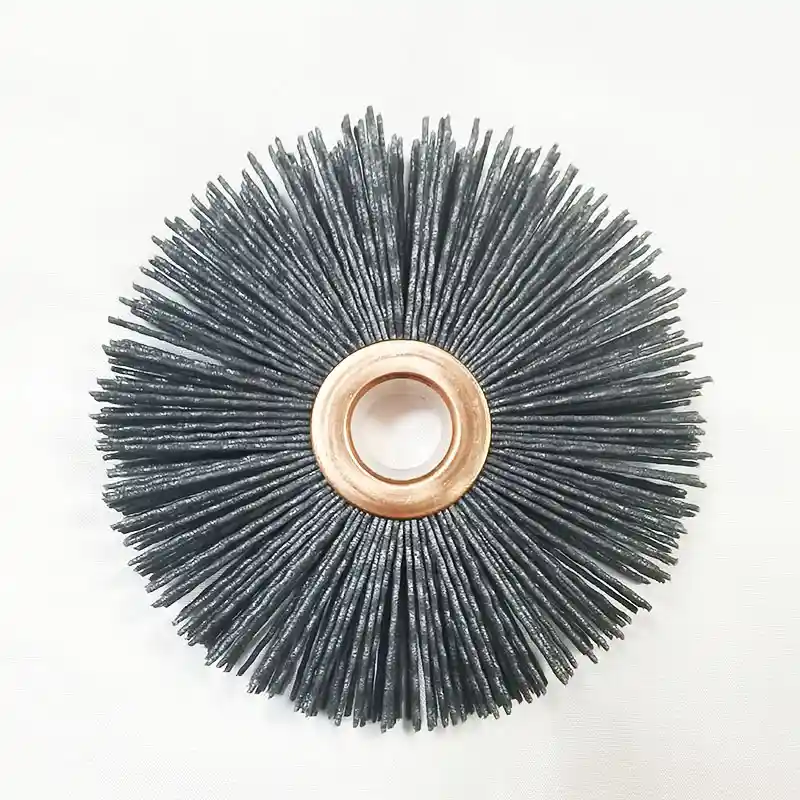

Picking the right chimney brush matters more than most people realize. Get it wrong, and you’re either leaving dangerous creosote behind or scratching up an expensive liner. I’ve seen both outcomes, and neither is pleasant to deal with after the fact. The wire versus poly decision comes down to what your flue is made of and what kind of buildup you’re fighting. This isn’t about brand preference or price point—it’s about matching the tool to the job so your chimney stays clean and intact for years.
What Makes Wire and Poly Brushes Different
Chimney brushes exist to scrape away creosote and soot before they become fire hazards. The material those bristles are made from determines everything about how the brush performs and what it can safely clean.
Wire brushes use stainless steel or galvanized steel bristles. They’re rigid, aggressive, and built to tackle serious buildup. Poly brushes rely on polypropylene or nylon—softer materials that flex more easily and treat surfaces gently.
| Feature | Wire Brush (Stainless Steel/Galvanized) | Poly Brush (Polypropylene/Nylon) |
|---|---|---|
| Material | Stainless Steel, Galvanized Steel | Polypropylene, Nylon |
| Hardness | High | Medium to Low |
| Abrasion | High | Low |
| Heat Resistance | Very High | Moderate |
| Flexibility | Low | High |
| Creosote Type | Heavy, Glazed, Hard | Light, Fluffy, Soot |
Wire Brushes Deliver Power but Demand Caution
Wire chimney brushes don’t mess around. Those stiff metal bristles dig into hardened creosote and stubborn soot deposits that softer tools simply can’t budge. For masonry chimneys with thick, tar-like buildup, this aggressive cleaning action is exactly what’s needed.
The trade-off is obvious once you think about it. Metal scraping against metal causes damage. Stainless steel liners and pre-fabricated chimney systems can’t handle wire bristles without getting scratched. Those scratches become weak points where corrosion starts.
How long a wire brush lasts depends on what you’re asking it to do. Cleaning light soot from a well-maintained flue is easy work. Grinding through glazed creosote on rough masonry surfaces wears bristles down faster. Regular use on traditional clay flues is where these brushes really shine—they’re built for that kind of punishment.
Is a wire brush safe for all chimney flues?
No. Wire brushes work well on masonry chimneys and clay flue tiles, but they’ll damage stainless steel liners and pre-fabricated systems. The metallic bristles scratch protective surfaces, creating entry points for corrosion. Stick with wire brushes only when you’re cleaning traditional masonry or clay—anything else needs a gentler approach.
We have extensive experience in manufacturing various industrial brushes. If you are interested in learning more about the applications of wire brushes in other contexts, you might find our article 《where stainless wire spiral brush can be used》 insightful.
Poly Brushes Protect Delicate Liners While Still Getting the Job Done
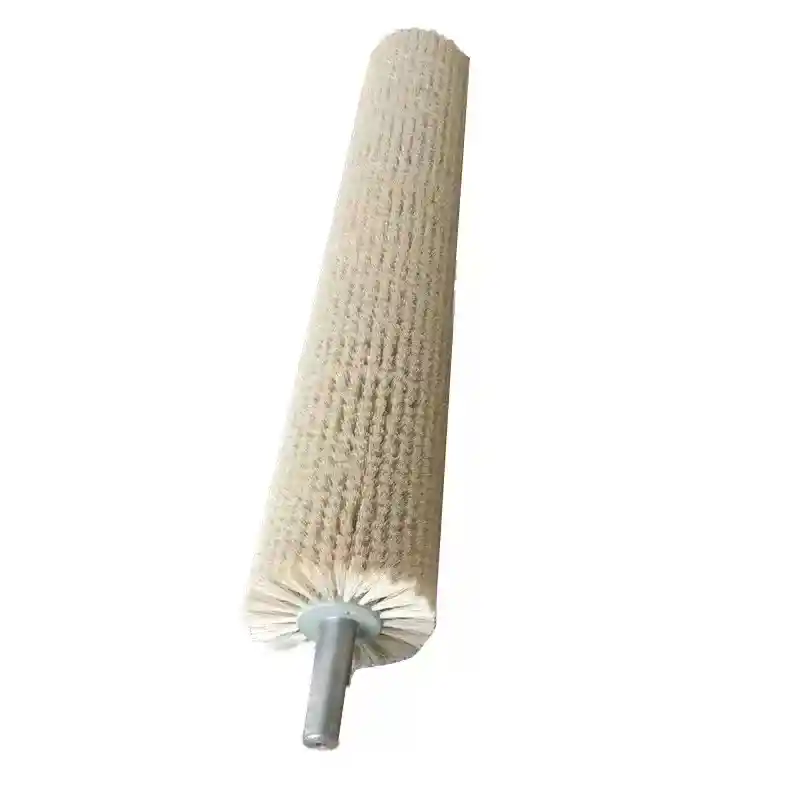
Poly chimney brushes take a completely different approach. Their flexible polypropylene or nylon bristles bend and conform to surfaces instead of grinding against them. This makes them the only sensible choice for stainless steel liners and factory-built chimney systems.
The flexibility serves another purpose beyond surface protection. Poly brushes navigate bends and offsets in the flue more easily, especially when paired with flexible chimney rods. They slip through tight spots where rigid wire brushes would jam.
Light creosote, fluffy soot, and loose deposits come off readily with poly bristles. Heavier buildup requires more passes—sometimes many more. The material simply can’t deliver the same scraping force as metal. That’s not a flaw; it’s the point. You’re trading raw power for the ability to clean without causing damage.
The non-abrasive nature also means these brushes tend to last longer when used appropriately. They’re not fighting against the surface they’re cleaning, so bristle wear happens more gradually.
Can I use a poly brush to remove heavy creosote?
Poly brushes aren’t designed for heavy or glazed creosote. The bristles lack the rigidity to scrape through hardened layers effectively. For severe buildup, you’ll need a wire brush on masonry surfaces, professional chimney sweep services, or chemical creosote removers to soften deposits before brushing. Trying to force a poly brush through heavy creosote just wastes time and wears out the brush prematurely.
Why Some Brushes Last Years While Others Fail in Months
Brush material matters, but it’s not the whole story. Several factors determine whether your chimney cleaning brush stays effective or becomes useless.
Cleaning frequency has the most direct impact. A brush used twice a year on a lightly used fireplace faces different demands than one cleaning a wood stove flue monthly during heating season. More use means faster wear—there’s no avoiding that reality.
The type of creosote you’re removing makes a significant difference too. Light, fluffy deposits brush away easily. Glazed creosote—that shiny, tar-like coating—requires serious scrubbing that stresses bristles far more. The condition of the flue itself also plays a role. Rough masonry surfaces and sharp edges accelerate wear compared to smooth liners.
Rod material and quality affect performance indirectly. Flexible rods let you apply pressure more evenly and navigate obstacles without jamming the brush. Cheap rods that bend unpredictably make the brush work harder than necessary.
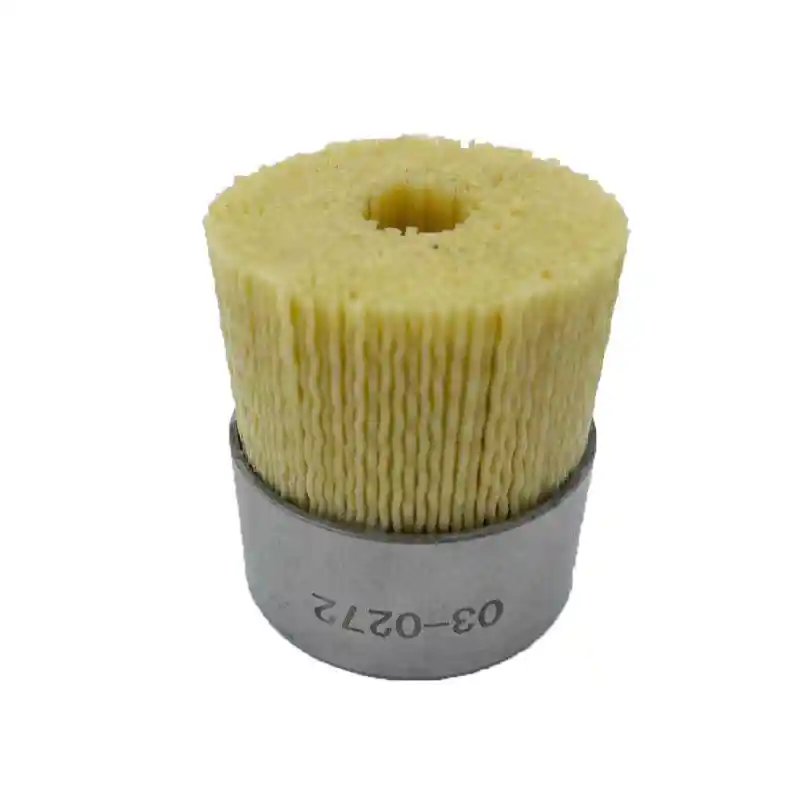
Checklist: Extending Chimney Brush Life
- Clean the brush thoroughly after each use to remove creosote and debris.
- Rinse poly brushes with water and allow them to dry completely.
- Brush wire brushes clean to remove embedded particles.
- Store brushes in a cool, dry place, ideally hanging to maintain bristle shape.
- Avoid crushing or deforming the bristles during storage.
- Inspect the brush regularly for signs of wear, such as bent or missing bristles.
For further insights into brush care and selection for industrial applications, our article 《advantage of hx cylindrical sanding brushes》 offers valuable information.
Matching Your Brush to Your Chimney System
The decision process becomes straightforward once you know what you’re working with. Traditional masonry chimneys with clay tiles can handle wire brushes and often need them for effective creosote removal. Stainless steel liners and pre-fabricated systems require poly brushes—no exceptions.
Size matters as much as material. Your chimney cleaning brush needs to fit snugly against the flue walls. Too small leaves creosote behind. Too large creates jamming problems and makes the brush difficult to move. Measure your flue dimensions before buying anything.
Regular inspection helps you understand what kind of buildup you’re dealing with. Light, fluffy deposits suggest a poly brush will work fine even on masonry. Thick, hardened layers indicate you need the aggressive action of wire bristles—assuming your flue material can handle it.
How often should I replace my chimney brush?
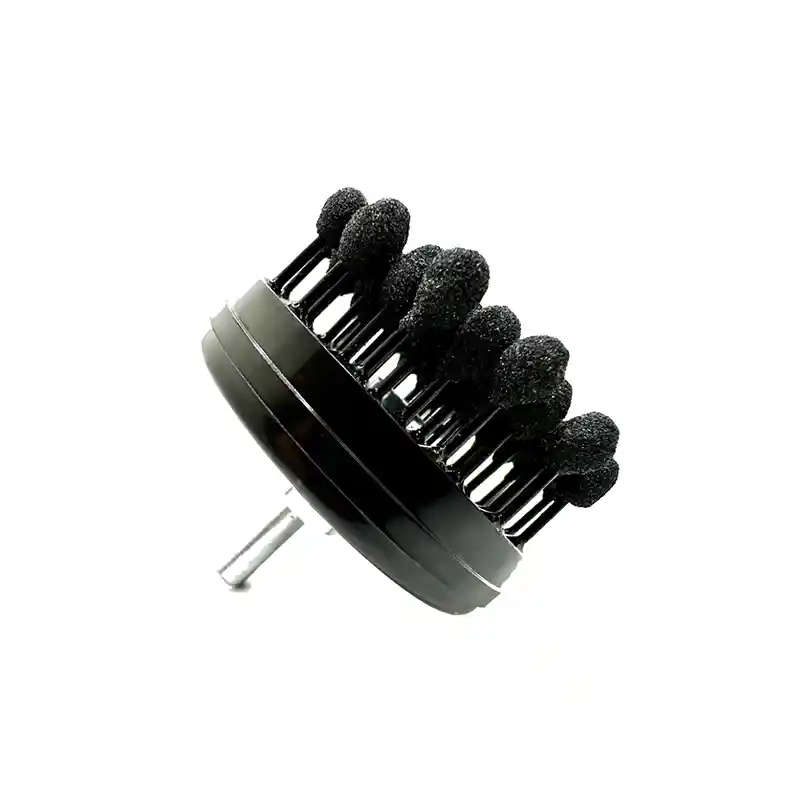
Replace your brush when bristles show obvious wear—bent, broken, missing, or permanently deformed. A worn brush can’t clean effectively and leaves creosote behind, defeating the entire purpose. For typical residential use, expect to replace brushes every 1-3 years. Heavy use or particularly stubborn creosote buildup shortens that timeline considerably. Don’t wait until the brush is completely destroyed; diminished performance is reason enough to get a new one.
Frequently Asked Questions About Chimney Brushes
What is the best chimney brush for a stainless steel liner?
Poly brushes made from polypropylene or nylon are the only appropriate choice for stainless steel liners. Wire brushes—especially steel ones—scratch the liner surface and create corrosion points. The damage might not be immediately visible, but it compromises the liner’s integrity over time. Poly bristles remove creosote effectively without causing abrasion, keeping your liner functional for its full expected lifespan.
Can I use the same chimney brush for different flue sizes?
Using one brush for multiple flue sizes doesn’t work. An undersized brush leaves creosote on the walls because it can’t reach the entire surface. An oversized brush gets stuck, damages the flue, or wears out prematurely from being forced through spaces it doesn’t fit. Measure your flue—whether it’s square, rectangular, or round—and buy the matching brush size. Proper fit is essential for both cleaning effectiveness and safety.
How do I clean and maintain my chimney brush for longer life?
After each use, remove all creosote and debris from the bristles. Rinse poly brushes with water and let them dry completely before storage. Wire brushes should be brushed clean to dislodge embedded particles. Store brushes hanging in a cool, dry location so the bristles maintain their shape. Crushing or bending bristles during storage accelerates wear and reduces cleaning effectiveness. Regular inspection catches problems early, before a damaged brush leaves creosote behind during your next cleaning.
As a specialized manufacturer and trading company with 16 years of production experience, Shanghai Huixi Trading Co., Ltd. offers professional technical support and ODM/OEM services for a wide range of industrial brushes. Whether you require cylindrical, spiral, or custom-designed brushes for sealing, cleaning, polishing, or deburring, our expertise ensures competitive pricing, low MOQ, and fast delivery. Partner with Huixi Brush for reliable, high-quality solutions tailored to your specific industrial needs. Contact us today at +86 1580 0932 713 or [email protected] to discuss your project and receive a free sample.