Recombinant human IL-12 sits at the intersection of immune regulation and therapeutic development in ways that still surprise researchers decades after its initial characterization. This heterodimeric cytokine—built from two distinct subunits that must assemble correctly to function—drives some of the most fundamental processes in cellular immunity. Working with it over the years reveals both its remarkable potency and the technical precision required to produce it reliably. From cancer immunotherapy to diagnostic assay development, recombinant human IL-12 continues to open doors that simpler molecules cannot.
How Recombinant Human IL-12 Shapes Immune Responses
Interleukin-12 exists as a p70 heterodimer, meaning two different protein chains—p35 and p40—link together through disulfide bonds to form the active cytokine. Phagocytes and dendritic cells produce this IL-12 cytokine when they encounter pathogens, essentially sending a signal that shifts the immune system toward a specific type of response.
The downstream effects matter enormously for therapeutic applications. Recombinant human IL-12 pushes naive CD4+ T cells to become T helper 1 (Th1) cells, which specialize in coordinating attacks against intracellular threats. This differentiation pathway is not just academically interesting—it determines whether the immune system can effectively clear certain infections and recognize tumor cells.
Natural killer cells and cytotoxic T lymphocytes respond to human interleukin-12 by ramping up their killing capacity. The cytokine also triggers interferon-gamma (IFN-γ) production, creating a cascade of cytokine signaling that reinforces antiviral and antitumor immunity. These interconnected pathways explain why recombinant human IL-12 attracts so much attention in immunotherapy research.
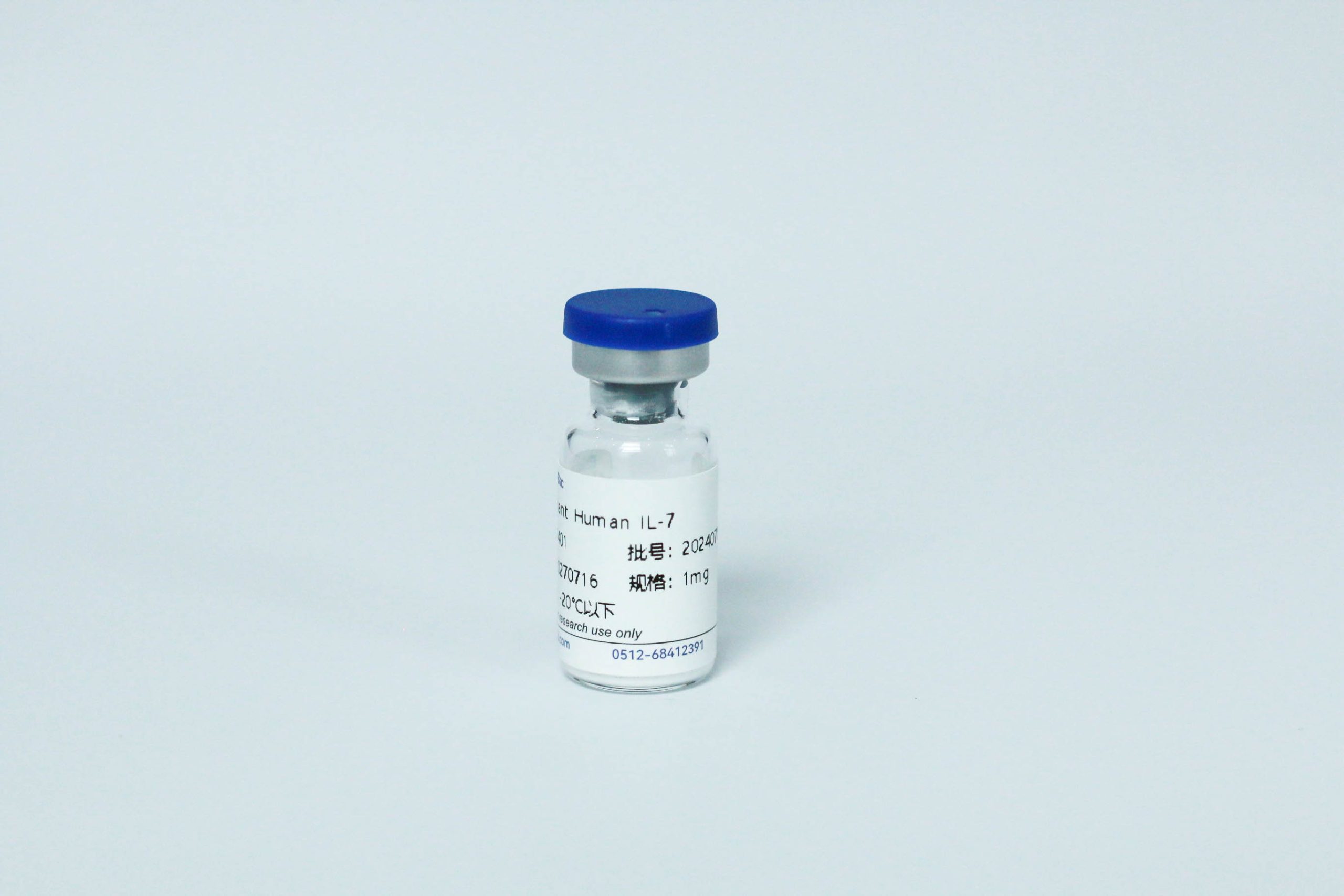
Treating Disease Through Targeted Immune Activation
The therapeutic potential of recombinant human IL-12 spans oncology, infectious disease, and certain autoimmune conditions. Each application leverages the same core mechanism—amplifying specific immune responses—but the clinical context shapes how researchers approach development.
Cancer treatment represents the most active area of investigation. Preclinical research consistently shows that recombinant human IL-12 can enhance anti-tumor immunity through multiple mechanisms, driving continued interest in clinical trials and drug development. The challenge lies in translating laboratory findings into treatments that work safely in patients.
Oncology Applications for Recombinant Human IL-12
Recombinant human IL-12 attacks tumors from several angles simultaneously. It stimulates cytotoxic T lymphocytes to proliferate and become more aggressive against cancer cells, directly improving the immune system’s ability to eliminate malignant tissue. Beyond direct cell killing, IL-12 cancer therapy also disrupts tumor blood vessel formation—a process called angiogenesis—which starves tumors of nutrients.
These complementary mechanisms make recombinant human IL-12 an attractive candidate for oncology immunotherapy. Current research explores both standalone applications and combinations with other immunotherapeutic agents, seeking to maximize efficacy while managing the cytokine’s inherent potency.
Manufacturing Recombinant Human IL-12 to Research Standards
Producing recombinant human IL-12 at the quality levels required for research and diagnostic applications demands sophisticated manufacturing infrastructure. The heterodimeric structure creates immediate challenges—both subunits must express correctly and assemble into the functional p70 form.
Mammalian cell culture systems, particularly CHO cells, provide the best platform for recombinant protein expression of this complexity. These cells can perform the post-translational modifications and protein folding that simpler expression systems cannot achieve reliably. Cell line development, bioreactor optimization, and multi-stage protein purification all contribute to the final product quality.
Quality control for recombinant human IL-12 goes well beyond basic purity measurements. Bioactivity assays confirm that the protein actually functions as expected—our testing uses IFN-γ secretion induction in NK-92 cells, with specifications requiring an ED₅₀ below 0.5 ng/mL. Purity standards of 95% or higher and endotoxin limits of 10 EU/mg or less ensure lot-to-lot consistency. These specifications reflect GMP manufacturing principles applied throughout our recombinant protein research and production platform.
Quality Requirements for Diagnostic and Cell Culture Applications
When recombinant human IL-12 serves as an IVD raw materials quality component or enters cell culture media components, the stakes for quality become even higher. Impurities or inconsistent bioactivity can invalidate entire experiments or produce misleading diagnostic results.
In diagnostic applications, recombinant protein purity directly affects assay accuracy. Contaminants can cross-react with detection systems or interfere with binding interactions, potentially leading to incorrect patient diagnoses. For cell culture work—particularly immune cell expansion for therapeutic development—suboptimal recombinant human IL-12 can derail differentiation protocols or produce inconsistent cell populations that undermine downstream applications.
Research Tools Built on Recombinant Human IL-12
The research applications for recombinant human IL-12 extend far beyond its therapeutic potential. As an IVD diagnostic proteins raw material, it enables development of immune profiling assays and disease monitoring tools. Cell culture proteins containing IL-12 support the expansion and differentiation of specific immune cell populations critical for cell therapy research.
Organoids research increasingly incorporates recombinant human IL-12 to model immune responses within complex three-dimensional tissue structures. ELISA detection kits rely on it for quantifying immune markers in biological samples. Across preclinical research studies investigating immune mechanisms, recombinant human IL-12 serves as both a tool and a subject of investigation.
Connecting Production Quality to Research Outcomes
High-quality recombinant human IL-12 production directly influences the reliability of preclinical research outcomes. When purity and bioactivity remain consistent across batches, researchers can trust that variations in their results reflect actual biological phenomena rather than reagent inconsistencies.
This reproducible research foundation accelerates progress through drug discovery platforms and biopharmaceutical research programs. Investigators can build on previous findings with confidence, knowing their recombinant human IL-12 will perform identically to what earlier studies used. The cumulative effect on research efficiency is substantial.
Emerging Strategies and Remaining Obstacles
IL-12 development continues to evolve as researchers explore novel approaches to maximize therapeutic benefit while minimizing toxicity. Cytokine delivery systems that concentrate recombinant human IL-12 at tumor sites—rather than distributing it systemically—represent one promising direction. Targeted delivery could expand the therapeutic window considerably.
Combination immunotherapy approaches are generating encouraging data as well. Pairing recombinant human IL-12 with checkpoint inhibitors or CAR-T cells may produce synergistic effects that neither approach achieves alone. Early results suggest these combinations can enhance anti-tumor responses beyond what individual therapies accomplish.
The immunotherapy challenges that remain are not trivial. Dose-limiting toxicities have historically constrained IL-12 clinical applications, and optimizing the therapeutic window requires careful attention to formulation, delivery, and patient selection. Regulatory frameworks for complex biological agents continue to develop alongside the science.
Working Together on Biomedical Challenges
Jiangsu East-Mab Biomedical Technology Co., Ltd. provides high-quality recombinant protein raw materials engineered for demanding research and diagnostic applications. Our recombinant human IL-12 and related proteins meet the purity and bioactivity standards that serious biomedical research requires.
For projects involving IVD development, cell therapy, or fundamental immunology research, our technical team can discuss your specific requirements and recommend appropriate products. Reach us through eastmab.com, by email at [email protected], or by phone at +86-400-998-0106.
Frequently Asked Questions About Recombinant Human IL-12
What role does recombinant human IL-12 play in coordinating immune responses?
Recombinant human IL-12 functions as an immunomodulatory cytokine that directs immune system development toward cellular immunity. It drives Th1 cell differentiation from naive T cells and activates natural killer cells, establishing the conditions for effective responses against intracellular pathogens and tumor cells. The IFN-γ secretion that recombinant human IL-12 induces—confirmed through our bioactivity testing—amplifies these effects throughout the immune system.
What quality measures confirm bioactivity in recombinant human IL-12 products?
Jiangsu East-Mab Biomedical Technology Co., Ltd. applies comprehensive quality control throughout recombinant human IL-12 manufacturing. Advanced CHO cell expression systems, multi-step purification protocols, and functional bioactivity assays verify that each batch meets specifications. Our ED₅₀ below 0.5 ng/mL standard reflects the high bioactivity required for sensitive research and diagnostic applications.
Does recombinant human IL-12 support cell therapy development work?
Recombinant human IL-12 plays an important role in cell culture protocols for therapeutic development. It promotes differentiation and expansion of T cells, NK cells, and other immune populations central to advanced cell therapy strategies. Consistent purity and bioactivity in the recombinant human IL-12 used for these applications directly affects the reproducibility of cell culture outcomes.
What makes large-scale recombinant human IL-12 production technically demanding?
The heterodimeric structure of recombinant human IL-12 creates inherent production challenges. Achieving proper protein folding, appropriate glycosylation, and correct subunit assembly while maintaining high purity and bioactivity requires specialized expertise. Lot-to-lot consistency adds another layer of complexity. Our recombinant protein research and production platform addresses these challenges through optimized CHO cell expression and advanced purification methods.
How can researchers access technical documentation for recombinant human IL-12?
Technical specifications, data sheets, and certificates of analysis for recombinant human IL-12 are available through the Jiangsu East-Mab Biomedical Technology Co., Ltd. website at eastmab.com. Our technical support team at [email protected] can provide additional documentation and answer specific questions about product performance for your research applications.