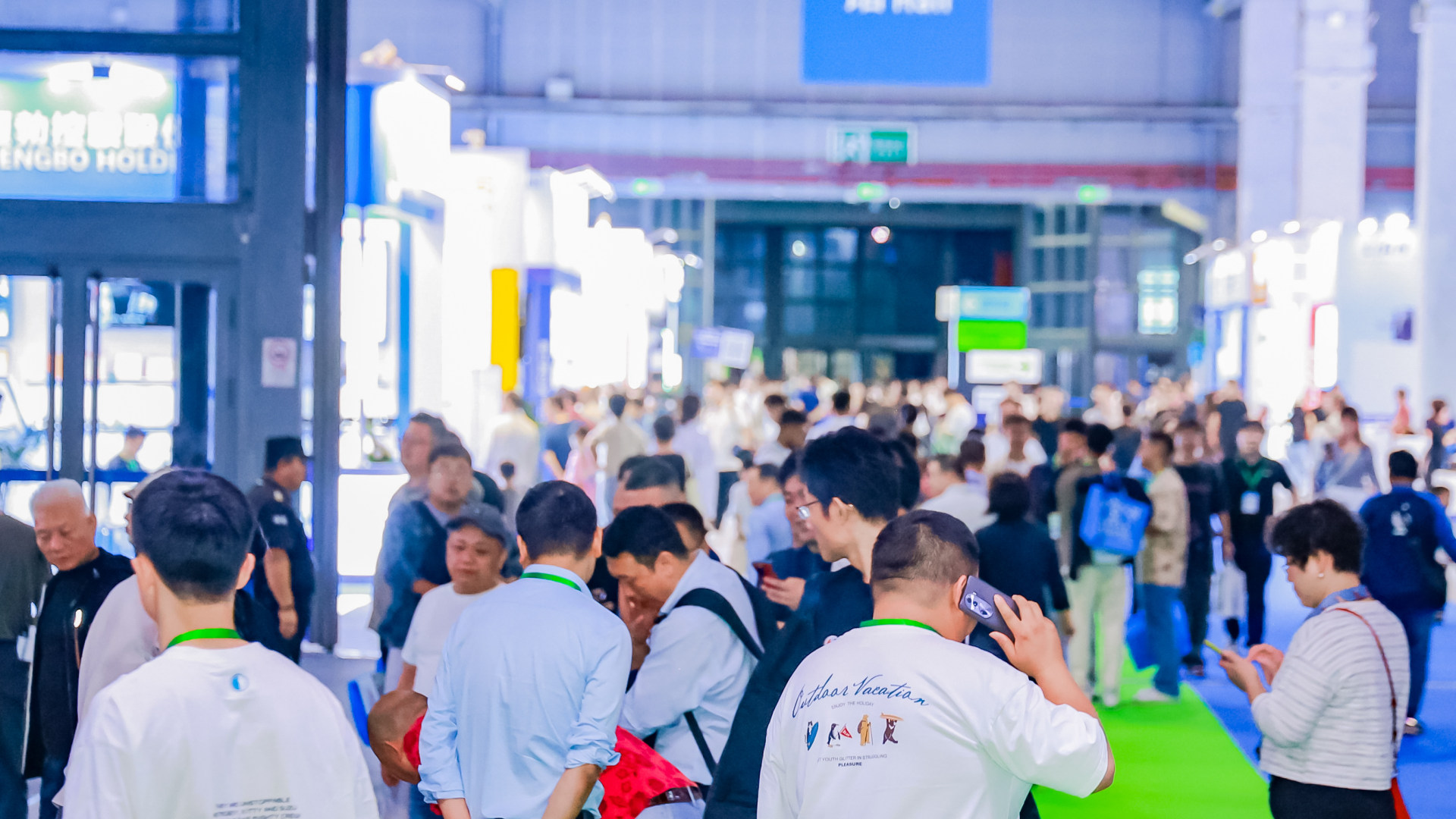

The automotive industry in China operates as a constantly shifting network of manufacturers, distributors, and technology providers. For businesses involved in vehicle component manufacturing and distribution, the supply chain presents both opportunities and operational challenges that require careful navigation. The Huamo Auto Parts Show functions as a meeting point where suppliers, buyers, and innovators can evaluate products, negotiate terms, and establish working relationships that extend well beyond the exhibition floor.
Why Auto Parts Exhibitions Matter for Sourcing Decisions
Auto parts exhibitions serve a specific function in the procurement cycle: they compress months of supplier research into a few concentrated days. Buyers can physically inspect components, compare specifications across multiple vendors, and conduct preliminary negotiations without the logistical overhead of factory visits. During the CHN Auto Show, our team tracked exhibitor outcomes and found that those who used pre-show B2B matchmaking services reported a 25% increase in qualified leads compared to exhibitors relying only on walk-up traffic. This pattern held across component categories, from powertrain parts to electronic control units. The data reinforced why we continue investing in digital platforms that connect buyers and suppliers before they arrive at the venue. These platforms support one-stop procurement and help establish distribution channels across the automotive aftermarket.
What Products Actually Appear on the Exhibition Floor
Auto parts exhibitions cover the full automotive supply chain, though the product mix has shifted noticeably over the past five years. Traditional categories remain well represented: engine components, chassis systems, braking assemblies, interior trim, and wiring harnesses. The growing presence of new energy vehicle components is impossible to miss. Battery packs, electric motors, inverters, and charging infrastructure now occupy significant floor space. Smart cockpit technologies and autonomous driving sensors have moved from niche displays to dedicated pavilions.
| Component Category | Traditional Focus | Emerging Focus |
|---|---|---|
| Powertrain | Internal Combustion Engine (ICE) parts | Electric Vehicle (EV) batteries, motors, inverters |
| Electronics | Basic infotainment, wiring harnesses | Advanced Driver-Assistance Systems (ADAS), smart cockpits |
| Materials | Steel, aluminum | Lightweight composites, sustainable materials |
| Connectivity | Standalone GPS | V2X communication, cloud integration |
How Component Technology Is Actually Changing
The shift toward electrification and integrated vehicle systems is not a future projection; it is happening in current production lines. ADAS components that were prototype-only three years ago now appear in mid-tier vehicle models. Battery management systems have become more sophisticated, with thermal management and cell balancing receiving particular attention from suppliers. HUAMO EXPO’s digital channels help showcase these developments to buyers who cannot attend in person, extending the reach of physical exhibitions to procurement teams across multiple time zones.
Which Suppliers Typically Exhibit at the Huamo Auto Parts Show
The exhibitor base at the Huamo Auto Parts Show reflects the industry’s structure. OEM suppliers with established relationships to major automakers occupy prominent positions. Aftermarket manufacturers, distributors, and technology providers focused on new energy vehicle components and intelligent manufacturing solutions also participate in significant numbers. Both multinational corporations and smaller specialized manufacturers attend, which creates sourcing options across different price points and capability levels. If your procurement requirements include both high-volume commodity parts and specialized components, the exhibitor mix typically supports both needs.
How to Convert Exhibition Contacts into Actual Business
The concentrated presence of industry professionals at exhibitions creates efficient conditions for B2B networking, but converting contacts into contracts requires follow-through. Our “Internet + Exhibition” approach facilitates matchmaking before and after the show, connecting exhibitors with potential partners who might not have crossed paths on the exhibition floor. I have seen how a single well-prepared meeting at a show can lead to years of productive business engagement, but that outcome depends on preparation. Knowing which suppliers you want to meet, what specifications you need to discuss, and what terms matter most to your organization makes the difference between collecting business cards and establishing working relationships.
If your sourcing timeline extends beyond the exhibition dates, our digital platforms can help maintain those connections and facilitate ongoing discussions.
What You Need to Know Before Attending
Pre-registration, reviewing the exhibitor list, and mapping out your route through the halls are practical steps that improve your visit. The exhibition floor is large enough that unplanned wandering consumes time that could go toward productive meetings. Scheduling specific appointments beforehand allows you to cover more ground, whether you are evaluating auto parts suppliers for a new product line or exploring manufacturing technology for process improvements.
Specific dates for the Huamo Auto Parts Show are announced on the HUAMO EXPO website and through industry channels. Checking early allows time to secure accommodations and arrange travel, particularly during peak exhibition seasons when nearby hotels fill quickly.
Frequently Asked Questions
How do digital platforms enhance the exhibition experience for auto parts suppliers?
Digital platforms extend the useful life of exhibition participation beyond the physical event dates. Exhibitors can showcase vehicle components to buyers who could not attend in person, and the data from digital interactions helps identify which products attracted the most interest. This hybrid approach supports targeted B2B matchmaking and makes follow-up conversations more productive because both parties have already reviewed relevant information.
What kind of networking opportunities are available for attendees at these shows?
Structured B2B matchmaking sessions pair buyers with pre-qualified suppliers based on product category and procurement requirements. Industry seminars provide context on market trends and regulatory developments. Informal discussions happen throughout the venue, from pavilion walkways to dedicated networking zones. Evening receptions offer a less structured environment for relationship building. The variety of formats means attendees can choose approaches that fit their working style and objectives.
How do auto parts shows address emerging trends like EV technology?
Major auto parts shows allocate dedicated zones and forums to electric vehicles, autonomous driving, and smart cockpit technologies. These focused areas allow buyers to compare multiple EV component suppliers in a single location and attend specialized conferences that address technical and regulatory questions. The concentration of expertise in these zones makes them efficient for procurement teams evaluating new technology categories. To discuss how HUAMO EXPO can support your exhibition planning, reach out at [email protected] or +021-60280788.
If you’re interested, check out these related articles:
APES 2026 to Redefine Global Sourcing Landscape as Automotive Industry Eyes Resilient Future
Tomorrow World: Innovation Achievement Exhibition and Industry Future Forum