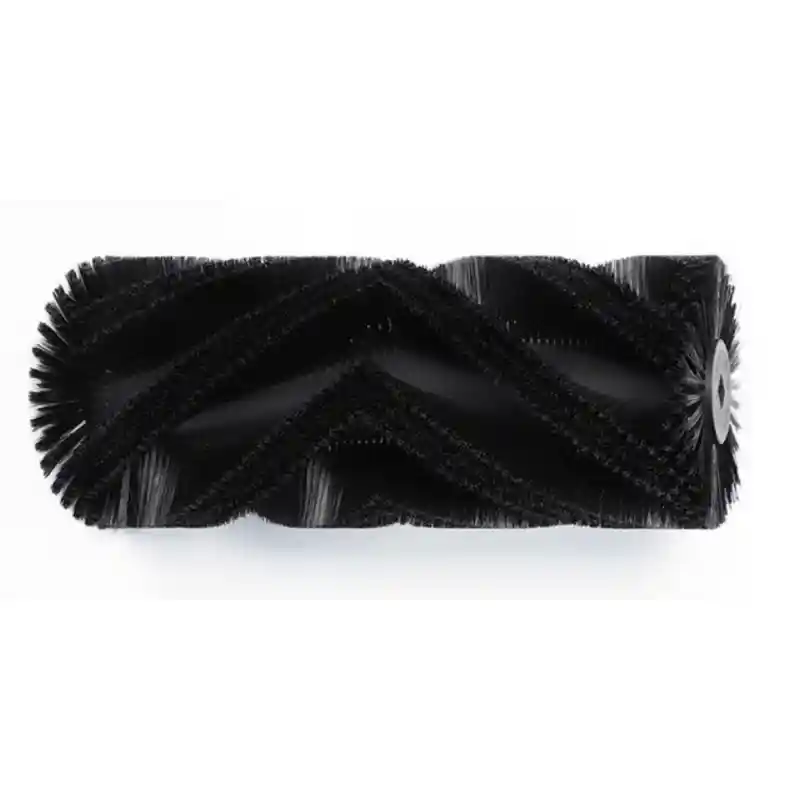

Choosing PP Side Brooms That Actually Hold Up
Road sweeping equipment either works or it doesn’t, and the side brooms tend to be the first place you notice the difference. After years of watching procurement teams cycle through suppliers and maintenance crews swap out worn brushes, the pattern becomes clear: specification choices made at the ordering stage determine whether you’re replacing brooms every few months or getting a full season of reliable performance. The gap between a well-matched PP side broom and a generic replacement shows up in debris collection, wear patterns, and ultimately in your operating costs. Getting this right means understanding what the specifications actually do, how to work with Chinese suppliers on quantities that make sense for your operation, and what separates a reliable manufacturing partner from one that just fills orders.
How PP Side Broom Specifications Shape Real-World Performance
The numbers on a spec sheet translate directly to how a brush behaves on the street. Polypropylene filament has become the standard bristle material for good reason—it handles the constant abrasion of asphalt and concrete while resisting moisture and most chemicals found on road surfaces. But within that material category, the variations matter enormously.
Bristle diameter controls sweeping aggressiveness. Finer filaments in the 0.8mm range provide a gentler sweep that works well for light debris like leaves and dust. Move up to 2.0mm or 3.0mm diameter filaments and you’re looking at heavy-duty brooms capable of moving gravel, packed dirt, and construction debris. The trade-off isn’t just about what the brush can handle—thicker bristles also wear differently and interact with road surfaces in ways that affect both cleaning effectiveness and pavement preservation.
Bristle length determines reach and flexibility. Longer bristles sweep a wider path and conform better to uneven surfaces, but they also flex more under load. Shorter bristles provide more aggressive contact with the road but cover less area per rotation. Most applications fall somewhere in the 200mm to 400mm range, with the specific choice depending on sweeper geometry and typical debris conditions.
Brush density—the number of bristles packed into each tuft and across the brush face—affects how thoroughly debris gets collected. Higher density means more bristle contact points, which improves pickup of fine particles. But density also influences wear rate and power consumption. A brush that’s too dense for the application creates unnecessary friction and can actually reduce service life.
| Characteristic | Typical Range | Performance Impact |
|---|---|---|
| Bristle Diameter | 0.8mm – 3.0mm | Finer for light debris, coarser for heavy-duty applications |
| Bristle Length | 200mm – 400mm | Affects sweeping reach and surface conformity |
| Brush Density | Medium to High | Higher density improves fine particle collection |
| Material Grade | Virgin PP, Recycled PP | Virgin PP delivers superior wear resistance |
| Core Material | Steel, Plastic | Steel handles heavy-duty use; plastic suits lighter applications |
The core material question often gets overlooked. Steel cores handle the stress of heavy-duty sweeping and provide the rigidity needed for aggressive debris removal. Plastic cores work fine for lighter applications and reduce overall brush weight, which can matter for certain sweeper configurations. Matching core material to your actual operating conditions prevents premature failures that have nothing to do with bristle quality.
Working Through MOQ Requirements with Chinese Manufacturers
Minimum order quantities exist for practical reasons. Setting up production runs, sourcing raw materials in economical quantities, and maintaining quality control across batches all favor larger orders. Understanding this helps frame negotiations more productively than simply asking for lower minimums.
The conversation works better when you’re clear about your actual needs. A supplier who understands your annual consumption, replacement cycles, and growth projections can often structure orders differently than one responding to a single purchase request. Trial orders for new specifications sometimes carry higher per-unit costs but lower minimums—a reasonable trade-off when you’re validating fit and performance before committing to larger quantities.
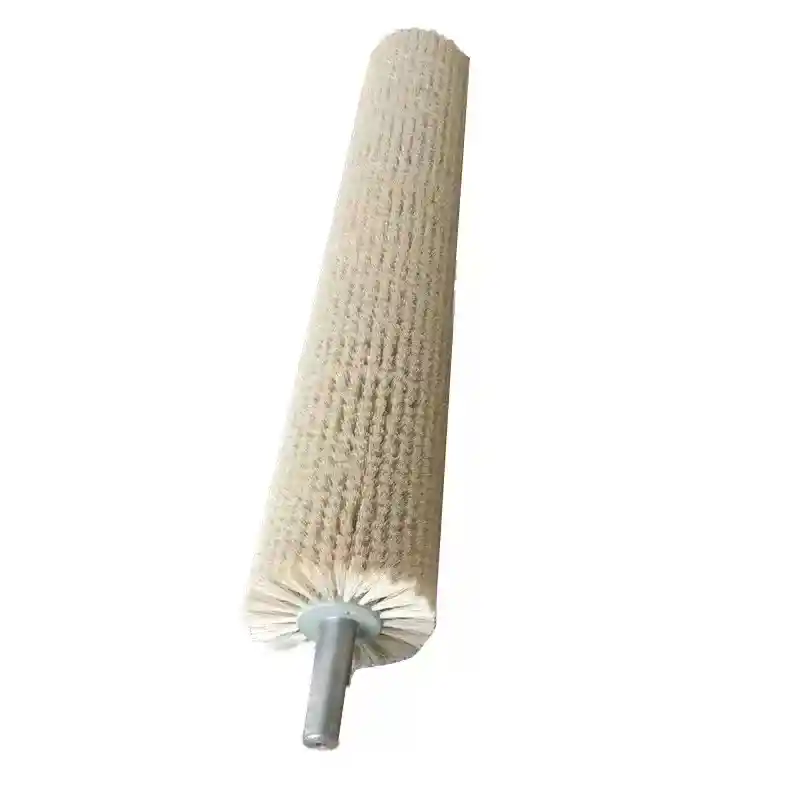
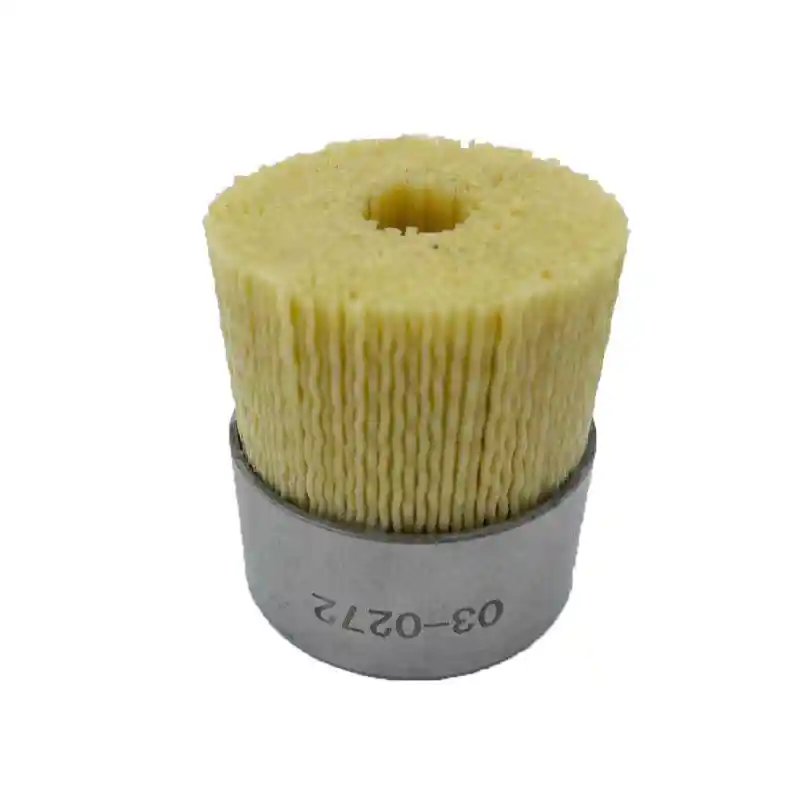
Combining orders across different brush types can also shift the math. If you need PP side brooms, cylindrical brushes, and disc brushes, consolidating these with a single supplier often creates flexibility that wouldn’t exist for any single product line. The supplier’s production efficiency improves, and that efficiency can translate to better terms on your end.
Lead times connect directly to order volume. Larger orders typically require longer production windows, which means planning further ahead. Payment terms often scale with order size as well—suppliers may offer more favorable arrangements for substantial commitments that justify the production scheduling involved.
Huixi Brush structures pricing and minimums to accommodate operations of different scales. Trade assurance options provide transaction security, which matters particularly when establishing new supplier relationships. The goal is making bulk procurement practical without forcing buyers into inventory positions that don’t match their actual consumption patterns.
What Separates Reliable Suppliers from the Rest
Supplier selection determines whether your procurement process runs smoothly or becomes a recurring source of problems. The evaluation goes beyond quoted prices to examine capabilities, consistency, and communication.
Production capacity matters because it affects both lead times and quality consistency. A supplier operating near maximum capacity may struggle to maintain standards during peak demand periods or accommodate rush orders when you need them. Understanding a manufacturer’s actual production setup—not just their stated capacity—reveals whether they can reliably meet your requirements.
Quality control processes show up in the finished product. Suppliers with systematic inspection protocols catch problems before shipment. Those without them shift the quality control burden to you, often after the brushes are already installed and underperforming. Ask about inspection procedures, testing methods, and rejection rates. The answers tell you a lot about what to expect.
Export experience reduces friction in international transactions. Suppliers who regularly ship to your region understand documentation requirements, shipping logistics, and customs procedures. This experience prevents delays and complications that can disrupt your supply chain.
Huixi Brush brings 16 years of production experience to these relationships. Our export history spans Europe, North America, Australia, New Zealand, the Middle East, and Southeast Asia. That geographic range means we’ve navigated the logistics and compliance requirements for diverse markets. Technical support and after-sales service remain available throughout the product lifecycle, not just during the sales process.
What Payment Terms Should You Expect for Bulk Orders?
Standard payment structures for bulk PP side broom orders from Chinese manufacturers typically involve T/T (Telegraphic Transfer), Letter of Credit, or platform-based trade assurance. T/T arrangements usually require a deposit—commonly around 30%—with the balance due before shipment or upon completion. Letters of Credit provide bank-backed payment security that makes sense for larger transactions where both parties want formal guarantees. Trade assurance through platforms like Alibaba offers dispute resolution mechanisms that reduce risk when working with new suppliers. The right choice depends on order size, relationship history, and your organization’s risk tolerance.
Getting More Life from Your PP Side Broom Investment
Brush longevity isn’t purely a function of material quality. How well the brush matches your specific application, how it’s maintained, and when it gets replaced all influence total cost of ownership.
Customization addresses the matching problem. Standard specifications work for standard conditions, but many operations face specific challenges—unusual debris types, aggressive road surfaces, or sweeper configurations that don’t align with off-the-shelf options. OEM and ODM services allow brush design adjustments that optimize performance for your actual conditions rather than average assumptions.
Bristle density, filament diameter, and overall brush geometry can all be tuned to specific applications. A brush designed for your debris mix and road surfaces will outperform a generic alternative, often by enough to justify any additional cost in the specification process.
Maintenance practices extend service life significantly. Proper storage prevents unnecessary bristle deformation. Rotating brushes to distribute wear evenly across the bristle face delays the point where performance degrades. Regular inspection catches developing problems before they cause failures or reduce sweeping effectiveness.
Replacement timing involves judgment. Running brushes too long reduces sweeping quality and can damage sweeper components. Replacing them too early wastes usable service life. Understanding the wear patterns for your specific application helps optimize this balance.
How Long Do PP Side Brooms Last Under Heavy Use?
Heavy-duty PP side broom lifespan typically falls between 150 and 300 operating hours, though actual results vary considerably. Debris type matters—abrasive materials like sand and gravel accelerate wear compared to leaves and light trash. Road surface characteristics, sweeping speed, and operator technique all influence how quickly bristles degrade. Regular inspection helps identify when performance has dropped enough to justify replacement, rather than relying solely on hour counts.
Does Bristle Density Actually Improve Sweeping Results?
Higher bristle density does improve debris collection, particularly for fine particles that slip through sparser bristle arrangements. More contact points mean more opportunities to capture and move debris. The relationship isn’t unlimited, though. Excessive density increases friction, accelerates wear, and raises power consumption without proportional performance gains. Effective brush design balances density against these factors to achieve thorough sweeping without unnecessary trade-offs.
Common Questions About PP Side Brooms and Supplier Selection
Why Choose Polypropylene Bristles Over Other Materials?
Polypropylene bristles combine several properties that suit road sweeping applications well. The material resists abrasion from repeated contact with asphalt and concrete surfaces. It handles moisture without degrading, tolerates most chemicals encountered on roads, and resists UV damage from sun exposure. PP bristles also maintain flexibility across temperature ranges, allowing effective sweeping on uneven surfaces. These characteristics add up to reliable performance and reasonable service life across diverse operating conditions.
Can Huixi Brush Manufacture PP Side Brooms for Specific Sweeper Models?
Huixi Brush provides full ODM and OEM services for PP side broom manufacturing. Our technical team works with clients to develop brush specifications matched to specific road sweeper models and operational requirements. This includes customizing bristle type, density, length, and core material to ensure proper fit and optimized performance. The process starts with understanding your equipment and operating conditions, then translates those requirements into brush designs that deliver results.
What Lead Times Apply to Bulk PP Side Broom Orders?
Bulk PP side broom orders from Chinese suppliers typically require 20 to 45 days from order confirmation to shipment readiness. The specific timeline depends on order volume, customization complexity, and current production schedules. This window covers manufacturing, quality inspection, and packaging. Shipping duration adds to the total delivery timeline and varies by destination and shipping method. Confirming lead times during the quotation process and building appropriate buffer time into your planning prevents supply disruptions.
Start Getting Better Results from Your Sweeping Equipment
Quality PP side brooms matched to your specific requirements make a measurable difference in sweeping performance and operating costs. Shanghai Huixi Trading Co., Ltd. provides the technical expertise, competitive pricing, and flexible order quantities that make professional brush procurement practical. Whether you need standard specifications or custom designs, our team can help you find the right solution. Contact us for a free sample or to discuss your specific brush requirements. Reach us at +86 1580 0932 713 or [email protected].
If you’re interested, check out these related articles:
honing brush treat burrs in barrel parts without affecting accuracy and scale
brushes for steel wire industries cleaning descaling derusting polishing
abrasive disc brush an efficient tool for many applications