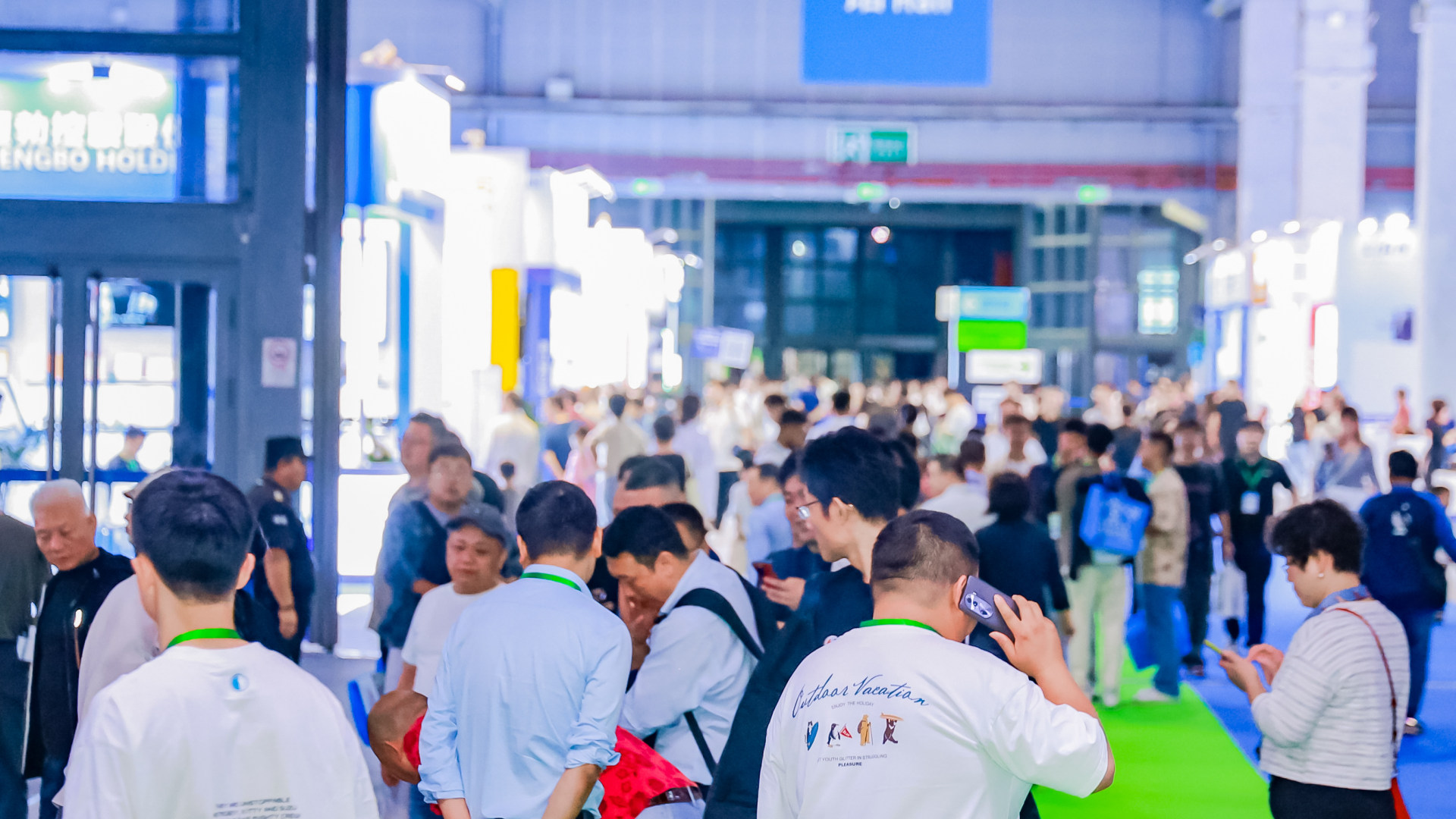

Exhibiting at a China auto parts show puts you in front of the world’s largest automotive market, but showing up with a booth and a stack of brochures won’t cut it. The exhibitors who walk away with qualified leads and signed distribution agreements are the ones who treat the show as a project, not an event. This guide covers the planning, execution, and follow-up that separate productive participation from expensive tourism. We’ll work through market positioning, booth operations, logistics, lead management, and partnership development, drawing on patterns we’ve seen work across multiple exhibition cycles.
What Does Effective Pre-Show Planning Actually Involve?
The China automotive aftermarket keeps expanding, and international suppliers who prepare properly can capture a meaningful share of that growth. Pre-show planning isn’t just about booking flights and printing banners. It’s about building a system that converts booth traffic into business conversations.
Start with an exhibit preparation checklist that covers market analysis, booth logistics, staff training, and marketing activation. Exhibitor budget planning needs to account for booth space rental, custom design and construction, international shipping, travel and accommodation, interpreter fees, and on-site operational costs like electricity and internet. Many first-time exhibitors underestimate construction costs in China, which can run 30-50% higher than comparable Western venues due to labor and material sourcing differences.
Visa requirements for China and customs regulations for auto parts are non-negotiable steps that trip up exhibitors every year. Apply for business visas at least eight weeks before departure. For product samples, work with a freight forwarder experienced in temporary import permits, as exhibition goods often qualify for duty-free entry if properly documented and re-exported within specified timeframes.
Strategic marketing pre-show activities build the appointment calendar that makes booth time productive. Digital campaigns on WeChat and targeted outreach to pre-registered attendees can fill your schedule before you land in Shanghai or Guangzhou.
How Do You Pick the Right Exhibition for Your Product Line?
Entering the Chinese market requires understanding which shows attract which buyers. Industry trends in automotive China point toward electric vehicles, advanced driver-assistance systems, and new energy vehicle components, and different exhibitions emphasize different segments.
Major events like the CHN Auto Show draw specific visitor demographics: distributors looking for new product lines, manufacturers seeking component suppliers, and sourcing agents working on behalf of international OEMs. A brake pad supplier and a charging equipment manufacturer face very different audience compositions at the same venue.
Regional shows in Chengdu, Wuhan, or Shenyang may offer better access to second-tier city distributors who control significant market share but rarely travel to coastal exhibitions. Exhibition selection should match your target customer profile, not just your competitor’s booth location.
What Makes a Booth Design Work in China?
Effective booth design tips for China start with cultural appropriateness and visitor flow. Chinese exhibition halls tend to run louder and more crowded than European counterparts, so visual clarity matters more than elaborate messaging. Clean sightlines, prominent product displays, and clear brand identification outperform text-heavy panels that visitors won’t stop to read.
Interactive technologies for lead capture, like touch screens displaying product demonstrations or digital catalogs, give visitors a reason to engage beyond a quick glance. QR codes linking to WeChat mini-programs can capture contact information faster than paper forms, and they integrate directly into your follow-up workflow.
On-site engagement tactics should prioritize direct interaction. Bilingual staff who can switch between Mandarin and English (or your home language) dramatically increase conversation quality. If you can’t hire bilingual team members, budget for professional interpreters rather than relying on smartphone translation apps.
Cultural etiquette in China shapes first impressions. Exchange business cards with both hands, receive them the same way, and take a moment to read the card before putting it away. Small gestures signal respect and set a professional tone for the conversation that follows.
Translation services at the exhibition ensure technical discussions don’t stall on terminology. For complex product specifications, prepare translated spec sheets in advance rather than improvising explanations on the spot.
Digital exhibition tools have become standard. WeChat integration for lead collection and follow-up streamlines the process from initial scan to post-show outreach. Visitors expect to add your company’s WeChat account, not just take a paper brochure.
How Do You Handle Shipping and Customs Without Delays?
Navigating shipping logistics to China and adhering to customs regulations for auto parts can be complex for international exhibitors, but the process is manageable with proper preparation.
Engage local support services early. Freight forwarders and customs brokers who specialize in exhibition logistics understand temporary import procedures, ATA Carnet requirements, and the specific documentation Chinese customs officers expect. A broker who has worked your target exhibition before can anticipate problems that generic logistics providers miss.
Ship exhibition materials at least four to six weeks before the show opens. Chinese customs clearance can take longer than expected, especially during peak exhibition seasons when multiple shows overlap. Late arrivals mean empty booth spaces and wasted registration fees.
Intellectual property protection deserves attention before you display anything publicly. Register trademarks and patents in China before the event, not after. China operates on a first-to-file system, meaning someone else can register your brand name if you haven’t done so first. Enforcement options exist, but they work much better when you hold valid Chinese registrations.
Contract negotiation in China also requires careful attention to local legal frameworks. If you’re signing distribution agreements at the show, have documents reviewed by counsel familiar with Chinese commercial law. Standard Western contract terms don’t always translate into enforceable provisions under Chinese jurisdiction.
What Cultural Factors Actually Affect Business Outcomes?
Exhibiting in China requires an understanding of local cultural nuances that go beyond surface-level etiquette tips.
Business etiquette in China includes punctuality (arriving late signals disrespect), hierarchical respect (address senior attendees first and defer to their pace in conversations), and the exchange of gifts. Small tokens of appreciation, like quality items from your home region, are appropriate for important meetings. Avoid anything in sets of four, as the number carries negative connotations.
Communication styles tend to be indirect, emphasizing harmony and long-term relationships over transactional efficiency. A Chinese distributor may express concerns obliquely rather than stating objections directly. Learning to read these signals prevents misunderstandings that derail promising partnerships.
Networking opportunities are highly valued, and building personal connections, known as “guanxi,” can significantly influence business success. Relationships often develop over meals and informal settings rather than across booth counters. Accept dinner invitations when offered, and reciprocate when appropriate.
How Do You Turn Booth Traffic Into Qualified Leads?
Measuring ROI for exhibition participation requires a structured approach to lead management and post-show follow-up. The exhibitors who complain about poor show quality are often the same ones who collected business cards in a fishbowl and never followed up.
Strategies for efficient lead qualification involve immediate categorization and follow-up planning. Train booth staff to score leads during the conversation, not afterward. A simple A/B/C system (hot, warm, cold) with notes on specific interests and next steps prevents the post-show scramble to remember who was who.
CRM integration ensures all interactions are recorded and actionable. If your CRM doesn’t sync with WeChat, you’re creating manual work that delays follow-up and loses information. Consider platforms designed for China market operations that handle WeChat contact management natively.
Multi-channel follow-up tailored for the Chinese market might include WeChat messages, emails, and phone calls. WeChat is the primary business communication channel for most Chinese professionals, so email-only follow-up often goes unanswered. Timing matters too: follow up within 48 hours while the conversation is fresh, then maintain regular contact over the following weeks.
This approach supports the development of distributor partnerships and aids in supplier sourcing in China. If your goal is finding Chinese manufacturing partners rather than selling to Chinese buyers, the same lead management discipline applies, just with different qualification criteria.
What’s the Most Effective Post-Show Follow-Up Approach?
Effective lead generation strategies involve pre-show promotion, engaging booth staff, and interactive demonstrations, but the real work happens after the exhibition closes.
Post-show follow-up should be prompt and personalized. Generic “nice to meet you” messages get ignored. Reference specific topics from your booth conversation, attach relevant technical documentation, and propose a concrete next step like a video call or sample shipment.
Employing local agents or partners can significantly enhance follow-up effectiveness, ensuring cultural and linguistic appropriateness. A Chinese-speaking team member or local representative can navigate the relationship-building phase more naturally than remote communication from overseas. If you’re serious about the China market, having someone on the ground accelerates everything.
Consistent communication builds trust and converts leads into lasting business relationships. Chinese business culture emphasizes reliability and long-term commitment. Sporadic outreach signals that you’re not serious about the market.
How Do You Identify and Vet Potential Chinese Partners?
Building distributor partnerships is a primary objective for many international exhibitors. The challenge isn’t finding interested parties; it’s identifying which ones can actually perform.
Insights into identifying and vetting potential Chinese partners start with understanding what you’re looking for. Distributors offer immediate market access through existing networks but give you less control over pricing and positioning. Manufacturers provide production capabilities and potential for OEM/ODM arrangements but require higher investment and longer development timelines.
| Criteria | Distributor | Manufacturer |
|---|---|---|
| Market Access | Immediate distribution network | Production capabilities, potential for OEM/ODM |
| Control | Less direct control over sales | More control over product quality and design |
| Investment | Lower initial capital outlay | Higher investment in production facilities |
| Expertise | Local market knowledge, sales channels | Technical expertise, supply chain management |
Thorough due diligence includes background checks, reference verification, and ideally site visits to their facilities. Ask for customer references and actually call them. Check business registration status through official Chinese corporate databases. A partner who hesitates to provide verification should raise concerns.
Supplier sourcing in China often begins at trade shows, where direct interaction allows for initial assessments. But booth presentations only show you what companies want you to see. Factory audits and extended conversations reveal operational reality.
Networking opportunities extend beyond the exhibition floor. Formal dinners and informal meetings often surface information that booth conversations don’t. Accept invitations to evening events when your schedule permits.
Competitor analysis at trade shows provides valuable insights into market positioning and product differentiation. Walk the floor, collect competitor materials, and note which booths attract the most traffic. This intelligence informs your Chinese market entry strategy and helps you position against established players.
How Do You Measure Whether the Exhibition Was Worth It?
Evaluating ROI for exhibition participation involves tracking lead conversion rates, sales generated, and new partnership agreements over time, not just counting business cards collected.
Key metrics include cost per lead, sales pipeline value, and brand awareness uplift. Calculate your total exhibition investment (booth, travel, staff time, marketing) and divide by qualified leads generated. Compare that cost per lead against your other customer acquisition channels. If exhibition leads convert at higher rates or larger deal sizes, the higher cost per lead may still represent better ROI.
Realistic ROI benchmarks suggest that a successful exhibition should generate leads that convert into sales covering participation costs within 12-18 months. Investment return on trade show participation is often measured not just in immediate sales but also in brand exposure and long-term partnership development. A distribution agreement signed 18 months after initial booth contact still traces back to that exhibition investment.
Identifying emerging industry trends in automotive China helps inform future exhibition opportunities. New energy vehicle components, intelligent connectivity solutions, and autonomous driving systems are reshaping product demand. Shows that emphasize these segments may offer better positioning for forward-looking product lines.
Sponsorship opportunities and the integration of trade show technology can enhance future participation. Speaking slots, sponsored sessions, and premium booth locations increase visibility but require earlier commitment and larger budgets. Sustainability in exhibitions is also becoming an increasingly important factor for many attendees and organizers, influencing booth design choices and material selections.
What Should You Budget for a Major China Auto Parts Show?
Exhibitor budget planning typically includes booth rental, design and construction, shipping, travel, accommodation, and marketing. Common exhibition costs can range from tens of thousands to hundreds of thousands of USD, depending on booth size and customization level.
A standard 9-square-meter booth at a major show might cost $3,000-5,000 for space rental alone. Custom construction adds $10,000-30,000 depending on complexity. Shipping exhibition materials internationally runs $2,000-8,000 depending on volume and origin. Travel and accommodation for a four-person team attending a five-day show (including setup and teardown) typically costs $8,000-15,000. Marketing and promotional materials add another $3,000-10,000.
Total investment for a professionally executed presence at a major China auto parts show typically falls between $30,000 and $80,000 for a mid-sized international exhibitor. Larger custom pavilions can exceed $150,000.
These numbers make lead management discipline even more important. An $80,000 investment that generates 200 qualified leads costs $400 per lead. If your average deal size is $50,000 and you close 5% of qualified leads, that’s $500,000 in revenue from 10 deals, a 6:1 return. But if poor follow-up drops your close rate to 2%, the same investment yields only $200,000, barely covering costs when you factor in product margins.
Partner with HUAMO EXPO
If you’re planning to exhibit at the CHN Auto Show or other major China automotive events, HUAMO EXPO brings the planning infrastructure, digital tools, and execution experience to make your investment productive. Contact us at [email protected] or +021-60280788 to discuss your exhibition requirements.
Frequently Asked Questions About Exhibiting in China
How early should I begin planning to exhibit at a China auto parts show?
Begin planning at least 6-12 months in advance for major China auto parts shows. Prime booth locations sell out early, shipping logistics require long lead times, and visa and customs documentation can’t be rushed. Exhibitors who start planning six months out often find themselves accepting secondary booth positions and paying premium rates for expedited shipping.
What are the most effective ways to promote my booth before a Chinese auto parts exhibition?
Effective pre-show promotion for a Chinese auto parts exhibition includes targeted digital marketing on WeChat, email campaigns to industry contacts, engaging with trade media, and leveraging the exhibition organizer’s promotional channels. The goal is filling your appointment calendar before the show opens so booth time goes to qualified conversations rather than random foot traffic.
Is intellectual property protection a significant concern for auto parts exhibitors in China?
Yes, intellectual property protection is a significant concern for auto parts exhibitors in China. Register your trademarks and patents in China well before the exhibition, as China operates on a first-to-file system regardless of your registrations elsewhere. Consult with legal experts familiar with Chinese IP law to understand enforcement options if infringement occurs. Reach out to HUAMO EXPO if you need guidance on IP preparation as part of your exhibition planning.
If you’re interested, you may want to read the following articles:
Tomorrow World: Innovation Achievement Exhibition and Industry Future Forum
APES 2026 to Redefine Global Sourcing Landscape as Automotive Industry Eyes Resilient Future