FGF-10 caught my attention years ago when a colleague mentioned how dramatically it improved their keratinocyte cultures. Since then, I’ve watched this growth factor move from a niche research tool to something with genuine clinical relevance. The protein does what many signaling molecules promise but few deliver: it actually drives meaningful tissue repair across multiple organ systems. For anyone working in regenerative medicine or cell culture, understanding what makes this particular growth factor tick—and how to source it properly—can save months of troubleshooting.
What FGF-10 Actually Does at the Cellular Level
Fibroblast growth factor 10 belongs to the broader FGFs family, though it behaves quite differently from some of its relatives. The protein works through paracrine signaling, meaning mesenchymal cells secrete it and nearby epithelial cells respond. This happens through FGFR2b signaling, a receptor interaction that triggers cascades essential for epithelial development across multiple tissue types.
The biological significance of recombinant human FGF-10 shows up most clearly in lung development. The protein orchestrates branching morphogenesis—the process that creates the intricate tree-like structure of airways and alveoli. Without proper FGF-10 signaling, lungs simply don’t form correctly. This same mechanism makes the protein valuable for researchers studying respiratory diseases and potential repair strategies.
Skin repair mechanisms represent another major application area. FGF-10 stimulates keratinocyte growth and migration, the two processes most critical for wound healing. It accelerates re-epithelialization and promotes granulation tissue formation, which translates to faster recovery times in both research models and emerging clinical applications.
The protein also influences tissue regeneration pathways by promoting stem cell differentiation. Progenitor cells respond to FGF-10 by proliferating and committing to specific lineages, particularly epithelial fates. This capacity positions recombinant human FGF-10 as a key component in regenerative medicine strategies where directing cell fate matters.
How Quality Manufacturing Shapes Research Outcomes
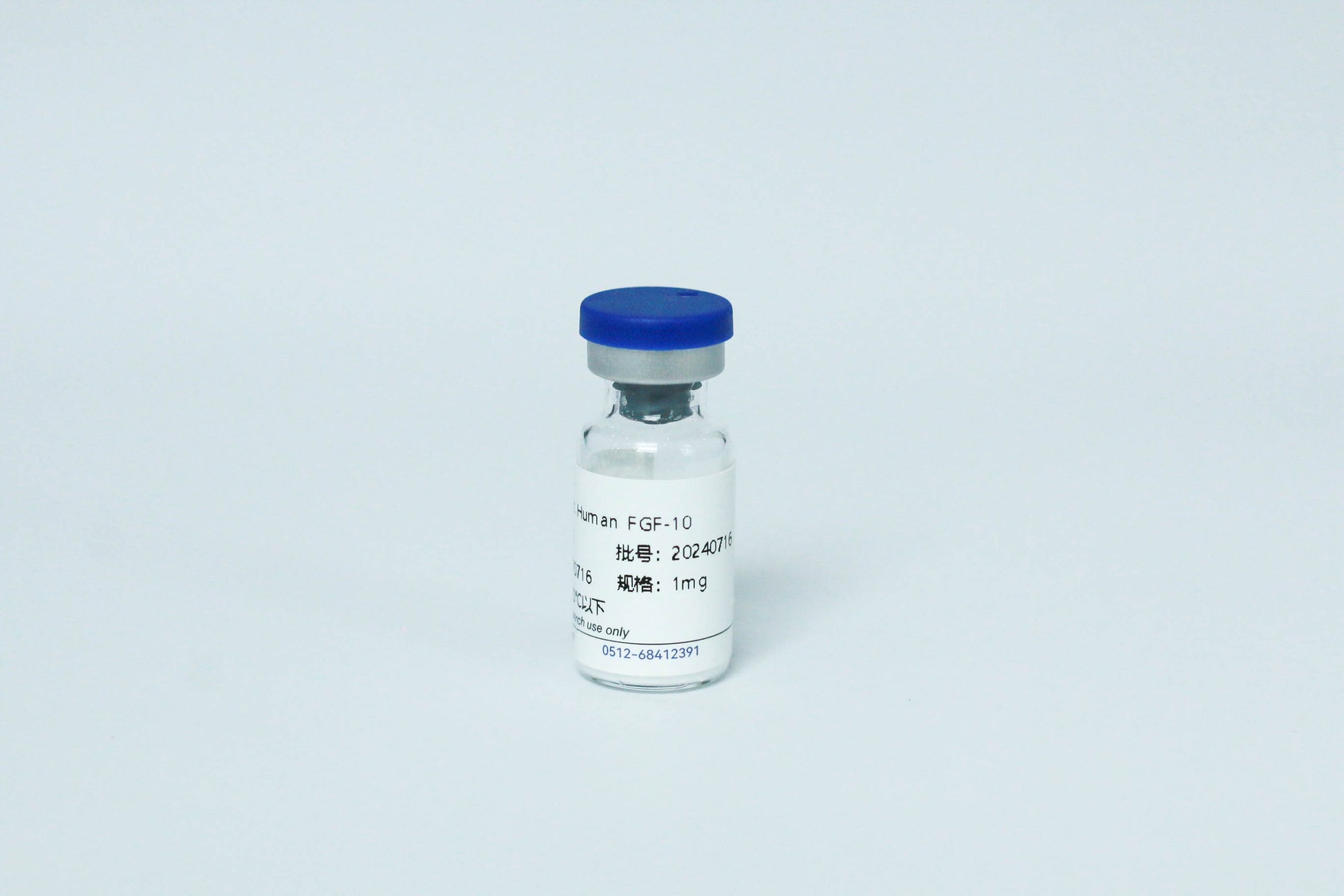
Producing high-quality recombinant human FGF-10 requires more than just expressing the gene and harvesting protein. The choice between E. coli expression systems and mammalian cell expression affects everything from yield to post-translational modifications. E. coli offers higher throughput and lower cost, but the protein requires careful refolding strategies to achieve its correct three-dimensional structure. Mammalian systems produce properly folded protein more reliably but at greater expense.
Biopharmaceutical manufacturing for research-grade material involves multi-step protein purification techniques. Ion-exchange chromatography separates proteins by charge, hydrophobic interaction chromatography exploits surface properties, and size-exclusion chromatography provides a final polish based on molecular weight. Each step removes different contaminants while preserving bioactivity.
Quality assurance standards determine whether a batch performs consistently. Bioactivity testing using relevant cell-based assays—like measuring IL-11 secretion in Saos-2 cells for FGF-10—confirms the protein actually works. Endotoxin levels must stay low, typically below 0.1 EU/µg for sensitive applications, because bacterial contamination wreaks havoc on cell cultures. Protein purity analysis via SDS-PAGE and HPLC should show greater than 95% purity.
Lyophilization stabilizes the final product for storage and shipping. Properly lyophilized recombinant human FGF-10 maintains activity for months when stored correctly. Stability studies establish these parameters, giving researchers confidence in lot-to-lot consistency. For clinical applications, GMP-grade recombinant proteins require additional documentation and process controls.
Specifications That Matter for Sensitive Applications
Cell culture work demands recombinant FGF-10 purity that won’t introduce variables into experiments. Contaminating proteins can trigger unwanted signaling, while endotoxins activate immune responses that confound results. The table below summarizes key specifications for research-grade material:
| Product Name | Expression System | Purity | Endotoxin Level | Bioactivity Assay |
|---|---|---|---|---|
| Recombinant Human FGF-10/KGF2 | E. coli | ≥95% | ≤10 EU/mg | Induces IL-11 secretion in Saos-2 cells (ED₅₀ ≤1 µg/mL) |
Quality control protocols should include mass spectrometry and N-terminal sequencing to verify protein identity. These methods catch truncations or modifications that might affect function. For cell culture grade FGF-10, batch consistency matters as much as absolute purity—researchers need to know that switching lots won’t change their results.
Where Recombinant Human FGF-10 Makes a Difference
The diverse applications of recombinant human FGF-10 reflect its fundamental role in epithelial biology. Cell culture media supplements containing FGF-10 support keratinocyte expansion, airway epithelial maintenance, and stem cell differentiation protocols. The protein provides signals that serum alone cannot replicate reliably.
Organoid development represents one of the most exciting current uses. These three-dimensional tissue models require precise growth factor cocktails to form properly, and FGF-10 proves essential for lung, salivary gland, and pancreatic organoids. The resulting structures mimic native organ architecture well enough for meaningful drug screening and disease modeling.
Cultivated meat production has emerged as an unexpected application area. FGF-10 promotes muscle cell growth and differentiation, making it useful for companies developing sustainable protein sources. The economics of growth factor use in food production differ from research applications, but the underlying biology remains the same.
Cosmetic formulations increasingly incorporate growth factors for skin rejuvenation. FGF-10’s role in keratinocyte proliferation makes it attractive for anti-aging research, though regulatory pathways for such products vary by jurisdiction. Preclinical drug discovery uses the protein to study tissue repair mechanisms and screen compounds that might enhance or modulate its effects.
Tissue Repair Applications Show Clinical Promise
Regenerative medicine applications of recombinant human FGF-10 build on decades of basic research. Wound healing acceleration in chronic wounds and burns comes from the protein’s ability to stimulate keratinocyte proliferation and migration simultaneously. Epithelial repair proceeds faster, and some evidence suggests reduced scar formation.
The therapeutic potential of FGF-10 extends to organ regeneration scenarios. Lung tissue damage from pulmonary fibrosis treatment represents an active research area, with FGF-10 showing promise for stimulating alveolar repair. Salivary gland regeneration after radiation therapy and pancreatic tissue maintenance also benefit from FGF-10 signaling.
Stem cell therapy protocols incorporate FGF-10 to enhance engraftment and guide differentiation. The protein helps transplanted cells integrate with host tissue and adopt appropriate fates. Tissue engineering scaffolds can incorporate FGF-10 for sustained release, creating biomaterials that actively promote regeneration rather than simply providing structural support.
Research Directions and Emerging Uses
FGF-10 research trends point toward more sophisticated delivery methods and combination approaches. Gene therapy applications that boost endogenous FGF-10 production could provide sustained therapeutic effects without repeated protein administration. This approach requires careful control to avoid overstimulation, but early results look promising.
Advanced drug delivery systems aim to improve how recombinant human FGF-10 reaches target tissues. Sustained-release formulations maintain therapeutic concentrations longer than bolus dosing. Targeted nanoparticles could concentrate the protein at injury sites while minimizing systemic exposure.
Personalized medicine approaches may eventually match FGF-10 treatments to individual patient characteristics. Genetic variation in receptor expression and downstream signaling components affects response to growth factors. Understanding these differences could help identify patients most likely to benefit.
Emerging applications of FGF-10 include ex vivo organ perfusion and preservation. Maintaining donor organs before transplantation with growth factor-supplemented solutions might extend viability and improve outcomes. The future of growth factors in transplant medicine depends partly on demonstrating these benefits in clinical trials.
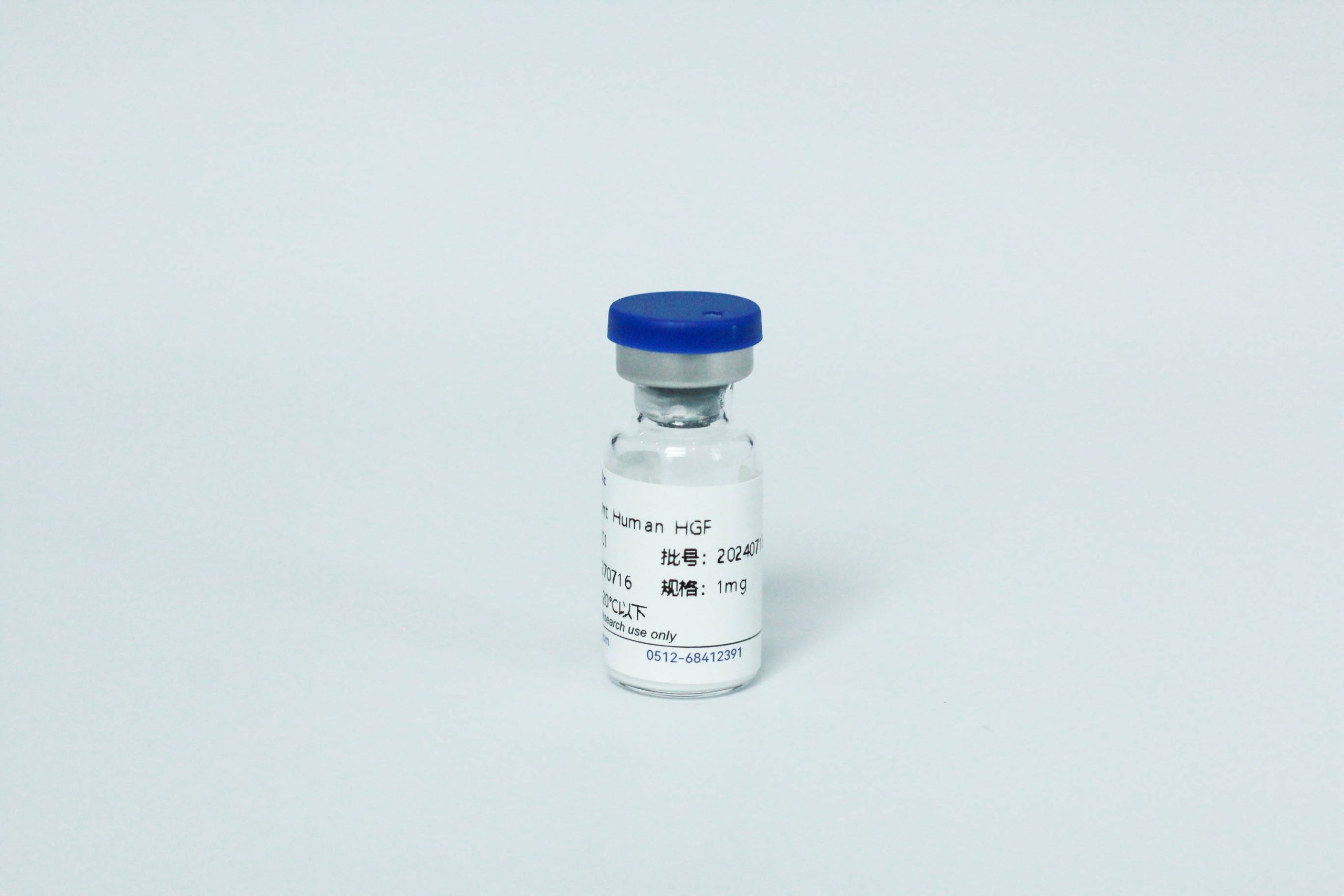
Frequently Asked Questions About Recombinant Human FGF-10
What tissue types respond most strongly to FGF-10 treatment?
Epithelial tissues show the strongest responses to recombinant human FGF-10, particularly those expressing the FGFR2b receptor. Lung epithelium, skin keratinocytes, salivary gland cells, and pancreatic ductal cells all respond robustly. The protein drives proliferation and migration in these cell types, making it valuable for wound healing, organ development studies, and tissue engineering. Mesenchymal cells generally show weaker responses since they lack the primary receptor, though indirect effects through paracrine signaling can occur.
How do endotoxin levels affect experimental reproducibility?
Endotoxin contamination introduces variability that can mask or mimic treatment effects. Even low levels activate toll-like receptor 4 on immune cells and many epithelial types, triggering inflammatory responses unrelated to FGF-10 activity. For cell culture work, endotoxin levels below 0.1 EU/µg minimize this interference. Higher levels may be acceptable for some biochemical assays but become problematic for any experiment involving living cells. Consistent endotoxin specifications across lots help ensure reproducible results.
What storage conditions preserve FGF-10 bioactivity longest?
Lyophilized recombinant human FGF-10 remains stable for months at -20°C or below. After reconstitution, the protein should be aliquoted to avoid repeated freeze-thaw cycles, which degrade activity. Working stocks can be stored at 4°C for up to one week in most formulations. Adding carrier protein like BSA at 0.1% helps prevent adsorption to container surfaces. The specific stability profile varies by manufacturer and formulation, so checking lot-specific documentation provides the most accurate guidance.
Partner with East-Mab for Your Biomedical Innovations
Jiangsu East-Mab Biomedical Technology Co., Ltd. provides high-quality recombinant protein raw materials for research and development applications worldwide. Our production platform and quality control processes ensure consistent performance of recombinant human FGF-10 and related proteins. Technical consultation is available to discuss specific project requirements, custom solutions, or bulk supply arrangements. Reach our team at [email protected] or +86-400-998-0106.