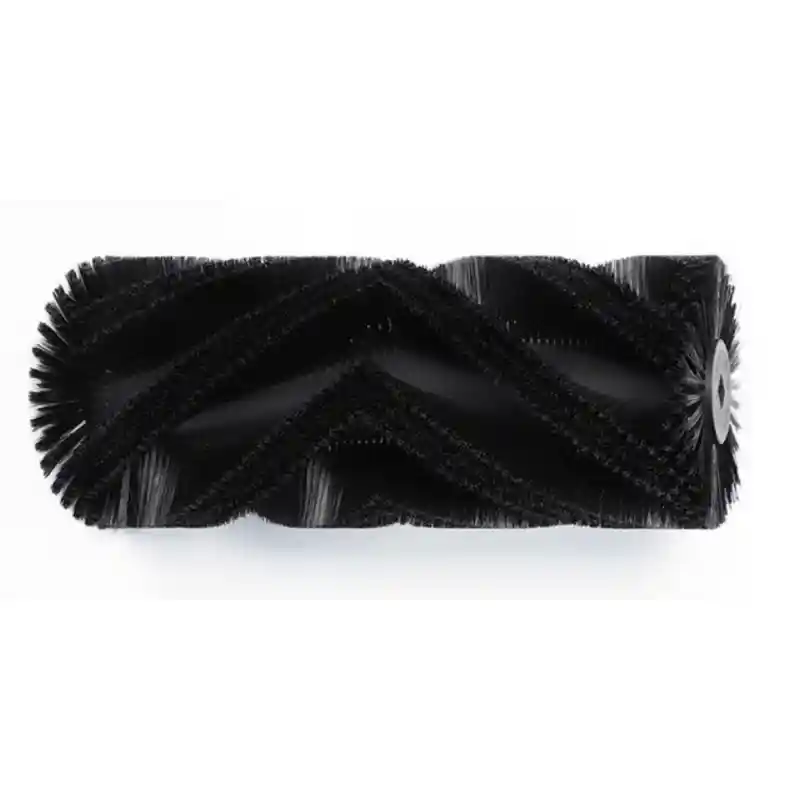

Snow sweeping brushes earn their keep when temperatures drop and roads turn treacherous. After years of working with municipal fleets and airport ground crews, I’ve learned that brush selection often determines whether a clearing operation runs smoothly or grinds to a halt. The right brush clears efficiently, protects surfaces, and lasts through the season. The wrong one creates headaches—damaged pavement, premature wear, and crews working overtime to finish routes. What follows covers the practical considerations that separate effective snow removal equipment from expensive mistakes.
Cold Weather Clearing Demands More Than Brute Force
Winter throws everything at road maintenance crews. Snow arrives in forms ranging from light powder that drifts with every gust to dense, wet accumulations that pack down under traffic. Ice compounds the problem, bonding to pavement in ways that resist simple sweeping. Airport runway brush applications face even tighter constraints—flight schedules don’t wait, and any residue left behind creates genuine safety hazards.
The economic stakes run high. Snow-related delays and accidents drain billions annually through lost productivity, emergency response costs, and infrastructure damage. Slush presents its own challenge. This semi-frozen mixture looks cleared but refreezes into black ice within hours. Traditional clearing approaches often leave moisture behind, setting up dangerous conditions for the next temperature swing.
Aggressive clearing methods create a different problem. Overly abrasive brushes tear up road surfaces, generating repair costs that dwarf any savings from faster clearing. Heavy-duty snow brush designs must balance scraping power against surface protection—a balance that depends heavily on bristle selection and operational technique. Municipal snow clearing operations succeed when equipment matches conditions rather than overpowering them.
## Technical Specifications That Actually Matter for Snow Sweeping Brush Selection
Brush diameter and brush length shape clearing performance in ways that aren’t immediately obvious. Larger diameters create stiffer bristle action and typically deliver longer wear life. Length determines coverage width and affects how bristles contact uneven surfaces. Getting these dimensions wrong means either leaving snow behind or wearing brushes down prematurely.
Attachment types must match existing equipment exactly. A mismatch between brush mounting and sweeper specifications creates problems ranging from poor performance to equipment damage. Hydraulic systems control brush rotation speed and downward pressure—two variables that require adjustment based on conditions. Lighter snow clears best at higher speeds with moderate pressure. Heavy, compacted accumulations need slower rotation with increased force.
Performance metrics worth tracking include wear rate under various conditions, clearing efficiency per pass, and fuel consumption during operations. These numbers reveal which configurations actually deliver value versus which ones simply look good on paper. Snow sweeping brush selection improves dramatically when decisions rest on operational data rather than assumptions.
Bristle Materials for Heavy Snow and Ice Applications
Bristle material selection determines how well a brush handles demanding conditions. Poly bristles, particularly high-grade polypropylene, flex without breaking and resist impact damage. They work well for general snow clearing and slush removal but struggle against solid ice formations.
Wire bristles, usually steel, deliver the abrasive force needed to break up compacted snow and ice layers. They scrape effectively but can damage delicate surfaces when operators apply too much pressure. Mixed bristles combine both materials, using polypropylene’s durability alongside wire’s aggressive scraping action. This combination handles both snow and ice while reducing surface damage risk.
Heavy snow bristles applications typically benefit from mixed configurations. The specific ratio depends on typical snow density, ice frequency, and surface sensitivity at each location.
| Bristle Type | Primary Use | Advantages | Disadvantages |
|---|---|---|---|
| Polypropylene | Light/Medium Snow | Flexible, non-abrasive, good for slush | Less effective on hard ice |
| Steel Wire | Heavy Ice/Compacted Snow | High abrasion, breaks up ice effectively | Can be abrasive to surfaces, less flexible |
| Mixed (Poly/Wire) | Versatile Heavy Duty | Balanced abrasion and flexibility, durable | Higher cost than single-material brushes |
Material Science Behind Cold Weather Brush Performance
Industrial brush technology continues advancing, driven by the specific demands of cold weather brush applications. Bristle materials must maintain flexibility at sub-zero temperatures—a requirement that eliminates many compounds suitable for warmer conditions. Proprietary poly-wire blends address this challenge by combining materials that retain their properties across wide temperature ranges.
Brush material durability under winter conditions depends on resistance to both mechanical stress and chemical exposure. Road salt, de-icing chemicals, and abrasive grit all attack bristle materials. Formulations that resist these factors deliver significantly longer service life.
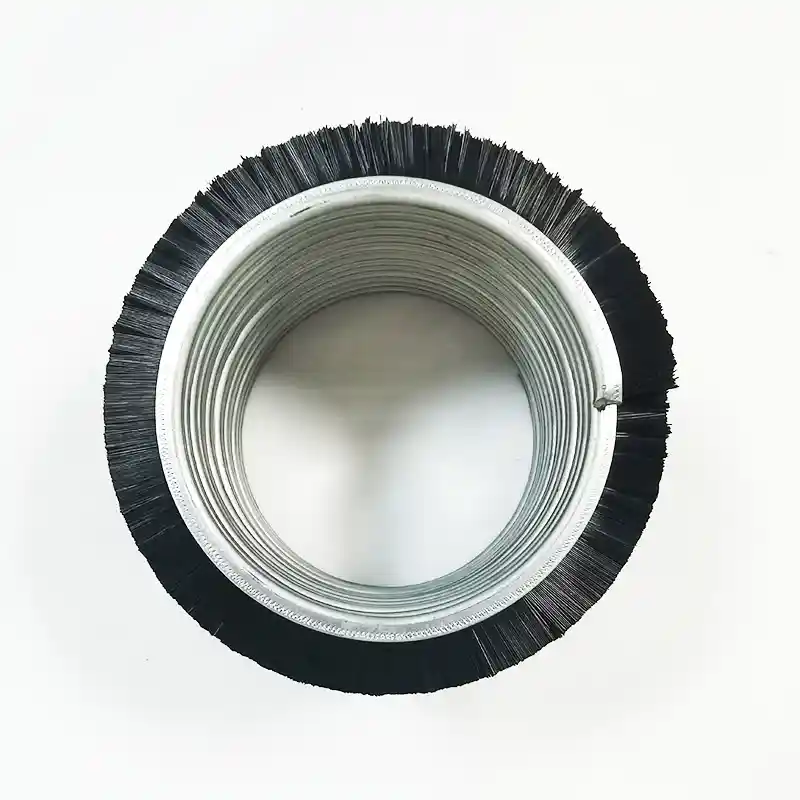
Design approaches split between brush segments and continuous cylindrical brushes. Segmented designs allow replacement of worn sections without discarding the entire brush, reducing maintenance costs for operations with uneven wear patterns. Spiral brushes provide continuous contact across their length, delivering consistent clearing action. Brush core design must withstand the forces generated during heavy clearing operations—failures here disable equipment entirely.
Wear indicators built into modern designs let operators monitor brush condition without removing equipment for inspection. This visibility supports timely replacement decisions that maintain clearing effectiveness.
!Spiral Brush
 ## Maintenance Practices That Protect Your Investment
Snow sweeper brushes represent significant capital investments. Proper maintenance extends brush lifespan substantially while maintaining consistent clearing performance. Regular inspection catches problems early, before minor wear becomes major failure.
A practical brush inspection checklist covers bent or broken bristles, uneven wear patterns across the brush width, and secure attachment to mounting hardware. Operators should run through these checks daily during active clearing seasons. Catching a loose mounting before it causes equipment damage saves far more than the inspection time costs.
Cleaning after each use removes accumulated debris, salt, and chemical residue. These materials degrade bristle compounds over time, accelerating wear even when brushes sit idle. Off-season storage matters equally. Brushes stored in dry, covered locations away from direct sunlight maintain their properties far better than those left exposed. UV radiation and temperature cycling both damage bristle materials.
Equipment longevity depends on these unglamorous practices. Operations that skip maintenance pay through shortened brush life and reduced clearing effectiveness.
Replacement Timing and Cost Management
Brush replacement cycle timing balances several factors. Usage hours provide one indicator, but bristle wear offers more direct guidance. Most operations should plan replacement when bristles reach 50-70% of original length. Beyond this point, clearing efficiency drops noticeably while equipment stress increases.
Environmental conditions affect wear rates significantly. Brushes clearing heavy ice wear faster than those handling light snow. Operations in areas with frequent freeze-thaw cycles see accelerated degradation from the constant material stress.
Wear limits should trigger replacement regardless of calendar time. A brush that reaches replacement condition mid-season needs changing—running worn equipment creates false economy through reduced effectiveness and potential equipment damage. This cost-effective replacement approach minimizes total operating costs rather than just purchase costs.
Custom Snow Sweeping Brush Solutions for Specialized Operations
Standard brushes work adequately for typical applications, but many operations face conditions that demand customized brushes. Unusual equipment configurations, extreme environmental conditions, or specialized surface requirements all create situations where off-the-shelf products fall short.
ODM/OEM service capabilities allow development of brushes matched precisely to specific needs. This might mean a specialized airport runway brush with bristle patterns optimized for ice removal on grooved concrete, or a heavy-duty snow brush designed for municipal vehicles operating in particularly harsh conditions. The development process requires close collaboration between brush engineers and operations personnel who understand the actual clearing challenges.
Professional technical support guides this collaboration, translating operational requirements into brush specifications. The resulting designs integrate properly with existing machinery while delivering performance improvements that justify the custom development investment.
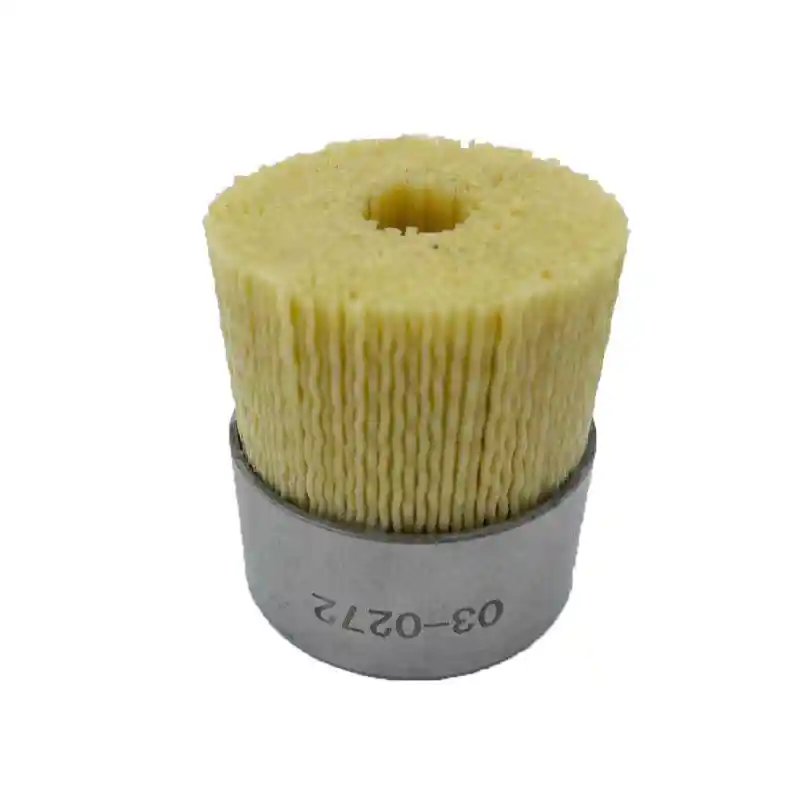
!Disc Brush
 ### Why Custom Snow Sweeping Brush Designs Deliver Value
Custom-made snow brushes provide advantages that compound over operational life. Tailored brush performance means the brush matches both the vehicle and the specific clearing task—no compromises required by adapting standard products to non-standard situations.
Precision fit reduces stress on equipment mounting points and drive systems. Standard brushes often require adapters or modifications that introduce weak points. Custom designs eliminate these compromises, extending equipment lifespan alongside brush life.
Optimized clearing efficiency translates directly to reduced passes per route, lower fuel consumption, and faster completion times. These operational savings accumulate quickly, often recovering custom development costs within a single season. Surface protection improves as well, since custom designs can incorporate bristle patterns and materials specifically selected for the surfaces being cleared.
Supplier Selection Shapes Long-Term Success
A reliable brush supplier provides more than products—they contribute expertise, support, and consistency that affect operational outcomes for years. Manufacturing experience matters because brush production involves material science, precision manufacturing, and quality control that take time to master.
Huixi Brush brings 16 years of production experience in industrial brush manufacturing. Our factory in Anhui Province maintains consistent quality standards, while our Shanghai trading company handles global export logistics. Customers across Europe, North America, Australia, New Zealand, the Middle East, and Southeast Asia have validated both product quality and service responsiveness.
Our product range includes cylindrical brushes, spiral brushes, strip brushes, wheel brushes, tube brushes, disc brushes, drill brushes, and wire scratch brushes. This breadth supports diverse snow sweeping brush applications while allowing customers to consolidate their supplier relationships. We offer competitive price points, low MOQ requirements, and fast delivery—practical factors that affect purchasing decisions alongside technical specifications.
Partner with Huixi Brush for Winter Clearing Excellence
Winter road clearing demands equipment that performs reliably under harsh conditions. Huixi Brush delivers snow sweeping brush solutions backed by 16 years of manufacturing expertise and proven global performance. Our professional technical support, ODM/OEM services, and competitive pricing make quality accessible for operations of any scale.
Contact Shanghai Huixi Trading Co., Ltd. for consultation or request a free sample to evaluate our products firsthand. Reach us at +86 1580 0932 713 or [email protected].
Frequently Asked Questions About Snow Sweeping Brushes
What are the most durable bristle materials for snow and ice removal?
High-grade polypropylene and steel wire rank as the most durable options for snow and ice removal. Polypropylene delivers resilience and flexibility for general snow clearing, while steel wire provides the aggressive scraping action needed for ice. Mixed bristle configurations combine these properties, offering balanced performance across diverse winter conditions. Material selection should match the specific clearing challenges at each location.
How does brush diameter and length impact snow clearing performance?
Brush diameter affects bristle stiffness and wear life—larger diameters generally provide both. Brush length determines clearing width and influences how bristles conform to surface irregularities. These dimensions directly control contact pressure and coverage area, shaping the brush’s effectiveness across different snow sweeping brush applications and equipment configurations.
Can snow sweeping brushes be customized for specific vehicle models?
Snow sweeping brushes can absolutely be customized for specific vehicles. ODM/OEM service allows development of brushes tailored to unique equipment specifications or operational requirements. Custom designs ensure precision fit, optimized clearing efficiency, and enhanced performance for specialized applications ranging from municipal vehicles to airport runway sweepers.
What maintenance tips extend the life of a snow sweeper brush?
Regular cleaning removes debris and corrosive materials that accelerate wear. Store brushes in dry, covered locations during off-seasons to prevent material degradation. Monitor wear indicators and replace brush segments when they reach specified limits. These practices maintain clearing effectiveness while maximizing the return on brush investments.
If you’re interested, check out these related articles:
what you know about brass wire brush strip
how do you know about deburring brushes
brass brushes work perfectly for pipe cleaning
abrasive disc brush an excellent industrial surface treatment tool