The moment I walked into a boutique hotel last month, something shifted before I even reached the front desk. A subtle warmth in the air, something between fresh linen and sandalwood, made me slow down. I wasn’t thinking about check-in logistics anymore. That’s the thing about scent in retail spaces: it works on you before you realize it’s happening. Fragrance merchandising operates in this invisible layer of customer experience, shaping mood and memory in ways that visual branding simply cannot replicate.
Why Scent Bypasses Rational Thinking
The olfactory system has a direct line to the limbic system, the part of the brain that handles emotion and memory formation. This isn’t marketing speak. It’s neuroscience. When you smell something, the signal doesn’t get filtered through the same analytical pathways that process what you see or hear. The response is immediate and often unconscious.
For brands investing in their retail environment, this creates a genuine opportunity. A carefully selected ambient scent can influence how long customers stay, how they perceive product quality, and whether they feel comfortable enough to browse rather than rush through. Research on dwell time consistently shows that pleasant scents encourage people to linger. Longer visits tend to correlate with higher sales conversion, though the relationship isn’t purely mechanical. The scent creates conditions for engagement; it doesn’t guarantee purchases.
What makes olfactory marketing particularly interesting is its role in building brand loyalty over time. A signature fragrance becomes part of how customers remember a space. They might not consciously recall the specific notes, but the emotional association persists. This is sensory branding at its most effective: embedding the brand into memory through a channel that bypasses skepticism.
 ### Building Recognition Through Atmosphere
When a scent becomes synonymous with a brand, it functions like a non-verbal logo. Luxury hotels figured this out years ago. The lobby fragrance at certain chains is so distinctive that returning guests report feeling “home” the moment they walk in, even at properties they’ve never visited before. That’s brand recognition operating through the nose rather than the eyes.
Scent-Share has spent over a decade working with clients on exactly this kind of sensory branding strategy. The observation that keeps surfacing is straightforward: a well-chosen fragrance doesn’t just complement a brand identity. It becomes inseparable from it. Customers start associating the scent with the entire experience, which means the fragrance does ongoing work for customer satisfaction and recall long after the initial visit.
Matching Diffusion Systems to Space Requirements
Selecting the right scent delivery system matters as much as choosing the fragrance itself. A diffuser that’s too weak for the space creates inconsistent coverage. One that’s too powerful overwhelms visitors. Scent-Share’s product range addresses this by offering aroma diffusers and scent machines calibrated for different environments.
The technology behind professional-grade ambient scenting has evolved considerably. Nebulizing diffusers convert fragrance oil into a fine, dry mist that disperses evenly without leaving residue on surfaces. This matters for retail environments where product displays need to stay clean and where customers shouldn’t feel like they’re walking through a cloud of perfume.
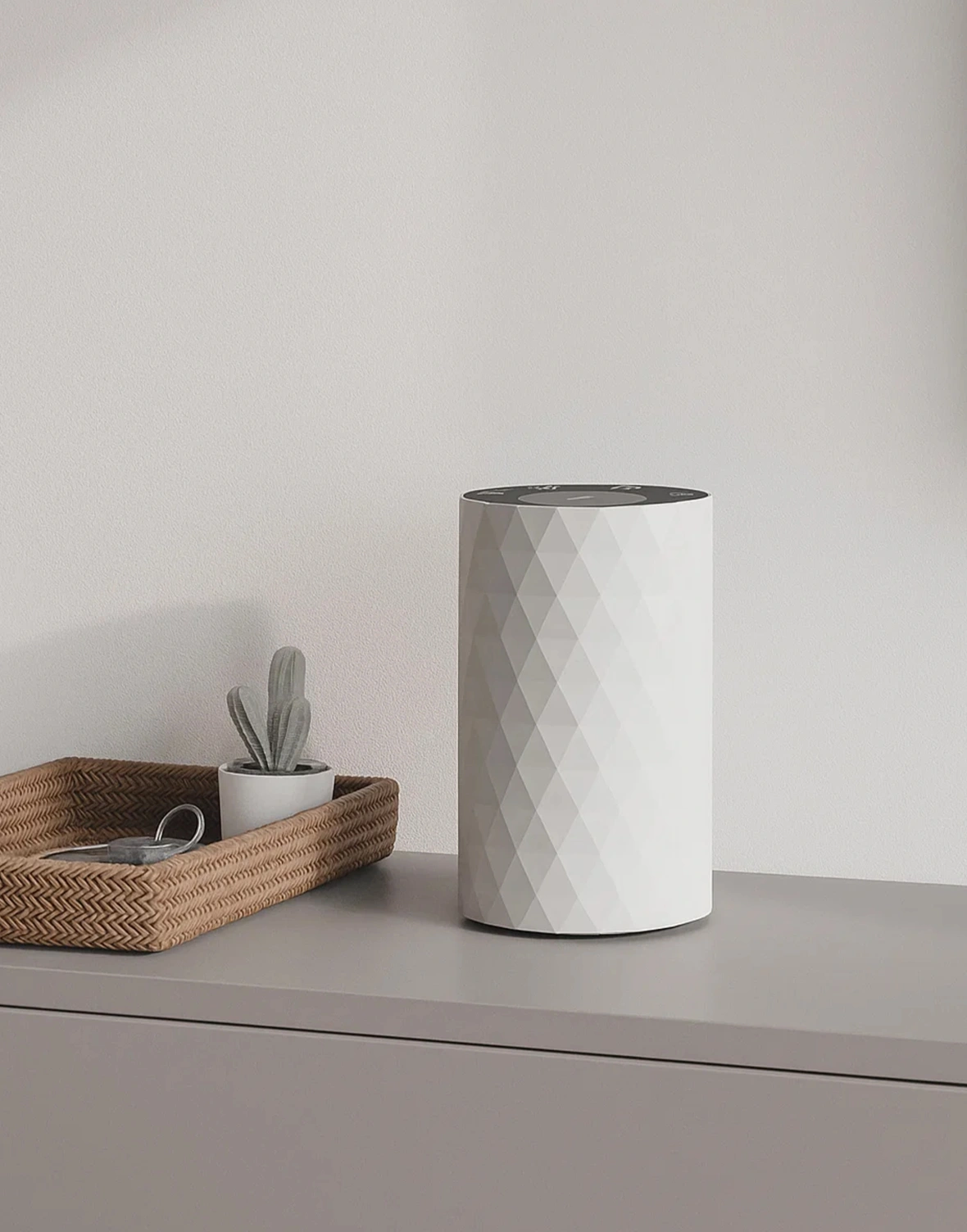
For smaller boutiques or intimate spaces, standalone units offer elegant design with straightforward operation. Larger venues require higher-capacity commercial diffusers, some with remote control capabilities for adjusting intensity throughout the day. There are also passive options like reed diffusers and aroma stones for localized scenting in specific zones.
Here’s how some of the top professional diffusers compare:
| Product Name | Coverage (m³) | Power Source | Key Features | Ideal Application |
|---|---|---|---|---|
| Home Aroma Air Diffuser Scent Machine (Mini) | Up to 100 | USB/Battery | Compact design, whisper-quiet operation, adjustable mist intensity | Small retail spaces, reception areas, private offices |
| Commercial Scent Oil Diffuser (Bluetooth APP) | Up to 500 | AC Power | App-controlled scheduling, multiple intensity settings, large oil capacity | Mid-size retail stores, hotel lobbies, fitness studios |
| HVAC Scenting System Pro | Up to 2,000 | Direct HVAC connection | Integrates with existing ventilation, consistent building-wide coverage | Large commercial spaces, shopping centers, corporate buildings |
The choice depends on square footage, ceiling height, ventilation patterns, and how much control you need over scent intensity at different times. A jewelry store with high ceilings and minimal foot traffic has different requirements than a busy cosmetics counter.
Fragrance Selection and Brand Alignment
Picking the right scent involves more than personal preference. The fragrance needs to align with what the brand represents and what emotional response it wants to trigger. A spa aiming for relaxation will choose different notes than a fashion retailer trying to convey energy and sophistication.
Scent-Share’s fragrance development process typically starts with understanding the brand’s existing identity and target customer. From there, the team works through scent families, testing how different compositions perform in the actual space. What smells appealing in a small sample vial can behave differently when diffused across a large room with varying air currents.
The goal is creating a unique brand atmosphere that feels intentional without being aggressive. Customers should notice the scent positively or not consciously notice it at all while still being influenced by it. What you want to avoid is the “what is that smell?” reaction, where the fragrance becomes a distraction rather than an enhancement.
Practical Considerations for Implementation
Installing a scent system involves more than plugging in a diffuser. Placement matters. Airflow patterns in the space will determine where scent concentrates and where it dissipates too quickly. HVAC scenting systems solve this by distributing fragrance through existing ventilation, but they require professional installation and integration with building systems.
Maintenance is another factor. Diffusers need regular cleaning, and fragrance oil reservoirs need refilling on a schedule that depends on usage intensity. Commercial operations typically benefit from service agreements that handle this automatically, ensuring consistent scent delivery without staff having to remember refill schedules.
Cost varies significantly based on space size and system complexity. A small standalone unit might run a few hundred dollars with minimal ongoing costs. A building-wide HVAC integration represents a larger investment but delivers more consistent results across multiple zones.
Measuring Results
Quantifying the impact of fragrance merchandising isn’t always straightforward. Some retailers track dwell time before and after implementation, using foot traffic sensors to measure how long customers spend in different areas. Others look at sales data, though isolating the scent’s contribution from other variables requires careful analysis.
Customer feedback provides qualitative insights. Post-visit surveys that ask about the overall atmosphere can reveal whether the scent is registering positively. Social media mentions sometimes reference the store’s smell, which indicates the fragrance has made enough of an impression to be worth commenting on.
The most reliable indicator tends to be repeat visit patterns. If customers return more frequently after scent implementation, and if they cite the atmosphere as part of why they enjoy the space, the fragrance is doing its job.
Frequently Asked Questions
How long does it take for customers to notice a new ambient scent?
Most people register a new scent within the first few seconds of entering a space, though the conscious awareness fades quickly as the brain adapts. The emotional and behavioral effects continue even after conscious attention shifts elsewhere. Implementation typically shows measurable changes in dwell time within the first few weeks.
Can fragrance merchandising work for brands that sell products with their own scents?
Yes, but it requires more careful calibration. A cosmetics store already filled with product fragrances needs an ambient scent that complements rather than competes. Lighter, more neutral compositions often work better in these environments, providing a consistent background without clashing with merchandise.
What happens if customers have fragrance sensitivities?
This is a legitimate concern. Professional scent systems allow intensity adjustment, and many brands opt for lighter diffusion levels that create atmosphere without overwhelming anyone. The goal is subtle presence, not saturation. Some spaces also designate scent-free zones for customers who prefer them.
How often should the signature scent be changed?
Most brands maintain their signature scent indefinitely, since consistency builds recognition over time. Seasonal variations or limited-time scents can add interest, but the core fragrance typically stays constant. Changing it too frequently undermines the memory associations that make scent branding effective.
If you’re interested, check out these related articles: