Cell culture work lives and dies by the quality of your growth factors. After years of troubleshooting inconsistent results, I’ve come to appreciate how much the source of FGF-2 actually matters. Fish-derived recombinant FGF-2 has quietly become one of the more interesting options available, not because it’s exotic, but because it solves real problems that mammalian versions create. The pathogen risk profile changes completely, batch consistency improves, and regulatory conversations get simpler. For anyone working in stem cell maintenance, cultivated meat, or regenerative medicine, understanding what makes fish FGF-2 different is worth the time.
How FGF-2 Works at the Cellular Level
Fibroblast Growth Factor 2, sometimes called basic FGF or bFGF, drives some of the most fundamental processes in cell biology. Cell proliferation, differentiation, tissue regeneration, angiogenesis—FGF-2 touches all of them. The protein binds to FGF receptor tyrosine kinases on cell surfaces, triggering intracellular signaling cascades that ultimately change gene expression patterns. The MAPK/ERK pathway carries most of this signal.
This mitogenic activity explains why FGF-2 matters so much for wound healing applications. The protein stimulates both fibroblast and endothelial cell growth, which promotes tissue repair and blood vessel formation simultaneously. Recombinant production methods now allow scalable manufacturing of highly pure, biologically active FGF-2, making it accessible for research and commercial applications alike.
Fish-derived variants like Recombinant Sparus aurata bFGF bring additional advantages. The animal-free production eliminates mammalian pathogen contamination risks entirely, which matters enormously for sensitive downstream applications.
The Signaling Mechanism Behind FGF-2 Activity
The receptor binding event initiates everything. Once FGF-2 attaches to its receptor, the tyrosine kinase domain activates and begins phosphorylating downstream targets. This cascade amplifies through multiple steps before reaching the nucleus, where transcription factors alter gene expression. The specificity of this response depends on which receptor subtypes are present and what other signaling pathways are active in the cell.
For practical cell culture work, this means FGF-2 concentration and timing both matter. Too little and you won’t see the proliferative response. Too much and you risk receptor desensitization. Getting the dose right requires understanding not just the protein’s activity, but how your specific cell type responds to it.
Why Fish-Derived FGF-2 Makes Sense for Sensitive Applications
The source of your growth factor affects more than just the price. Recombinant fish FGF-2 eliminates mammalian pathogen exposure completely. No prions, no mammalian viruses, no TSE concerns. For anyone developing products headed toward clinical use, this simplifies regulatory conversations considerably.
The immunogenicity profile also improves. Fish proteins are evolutionarily distant enough from human proteins that cross-reactivity concerns diminish, yet the functional domains remain conserved enough to maintain biological activity. Host cell protein contamination tends to be lower compared to mammalian expression systems, which contributes to higher overall purity.
Batch consistency improves too. Fish expression systems often produce more uniform protein populations, which translates to more reproducible experimental outcomes. When you’re trying to establish a validated process, this kind of reliability matters.
Comparing Fish and Mammalian FGF-2 Sources
The practical differences become clear when you examine the specifications side by side. Fish-derived FGF-2 offers advantages in several categories that matter for regulated applications.
| Feature | Mammalian FGF-2 (e.g., Human) | Fish FGF-2 (e.g., Sparus aurata) |
|---|---|---|
| Origin | Human/Bovine/Porcine | Fish (e.g., Sparus aurata) |
| Animal-Origin Free | No (often) | Yes |
| Pathogen Risk | Higher (mammalian viruses) | Significantly Lower |
| Immunogenicity Risk | Potentially Higher | Lower |
| Regulatory Pathway | More Complex | Simplified |
| Endotoxin Level | Variable (e.g., ≤20 EU/mg) | Often Lower (e.g., ≤10 EU/mg) |
The xeno-free characteristic of fish FGF-2 opens doors for advanced therapy development that would otherwise require extensive additional testing and documentation.
Manufacturing Standards That Determine Product Quality
Raw material quality determines downstream success. East Mab Bio has invested over $30 million developing a recombinant protein production platform specifically designed for consistency and purity. The Recombinant Sparus aurata bFGF produced through this system achieves ≥95% purity with endotoxin levels at ≤10 EU/mg.
Quality control protocols align with GMP-grade protein standards. Advanced bioreactor technology combined with rigorous analytical methods ensures that biological activity remains consistent across production batches. This matters because growth factor variability is one of the most common sources of experimental irreproducibility in cell culture work.
The platform supports reliable scale-up production, which becomes important when projects move from research quantities to manufacturing volumes. Having a supplier who can maintain specifications across that transition eliminates one of the more frustrating bottlenecks in product development.
How Purity Affects Experimental Reproducibility
Contaminants in growth factor preparations cause problems that can be difficult to diagnose. Non-specific cellular responses, unexpected differentiation patterns, variable proliferation rates—all of these can trace back to impurities in the raw materials. High purity prevents these artifacts and ensures that observed effects actually come from FGF-2 activity.
Biological activity consistency matters equally. A growth factor that tests at 95% purity but has variable potency from batch to batch will still cause reproducibility problems. Functional assays that verify activity, not just protein content, are necessary for reliable results.
For research-grade applications and especially for clinical development, this data integrity becomes non-negotiable. Minimizing experimental variability through high-quality raw materials leads to more accurate conclusions and improved cell viability outcomes.
Applications Across Multiple Industry Sectors
Recombinant fish FGF-2 finds use in an expanding range of applications. Cell culture media formulation relies on it for maintaining stem cell pluripotency and supporting growth across various cell lines. The protein is particularly important for organoid development, where complex 3D tissue structures require precise growth factor signaling.
Cultivated meat production represents one of the more interesting emerging applications. Muscle cell proliferation depends heavily on growth factor supplementation, and the animal-free status of fish FGF-2 aligns well with the sustainability goals driving this industry. Cosmetic formulations incorporate FGF-2 for skin regeneration and anti-aging applications.
Tissue engineering and regenerative medicine applications continue expanding as well. The protein facilitates tissue repair and replacement strategies that are moving from laboratory research toward clinical reality. As a biopharmaceutical raw material and IVD diagnostic protein component, fish FGF-2 demonstrates broad utility across the life sciences.
Cell Culture Performance Benefits
The practical advantages in cell culture become apparent quickly. Proliferation rates improve across a wide range of cell types, including stem cells and primary cells that can be particularly demanding. The potency of recombinant fish FGF-2 allows for reduced serum dependency, enabling more defined media formulations.
This leads to more consistent cell line expansion and often reduces costs over time. Differentiation pathways respond well to fish FGF-2 supplementation, allowing researchers to guide cells toward desired lineages with reliable results. For advanced cell culture systems, these benefits make fish-derived growth factors an increasingly standard choice.
Working with East Mab Bio
East Mab Bio focuses on providing raw materials that support biotechnology advancement. The R&D investment and recombinant protein platform behind our products ensure that researchers and manufacturers receive consistent, high-quality materials including advanced recombinant fish FGF-2.
Reliable sourcing and consistent product performance matter for projects that depend on reproducible results. Technical support and custom protein services address unique project specifications when standard products don’t quite fit the need. Global distribution ensures that solutions reach researchers and manufacturers wherever they’re working.
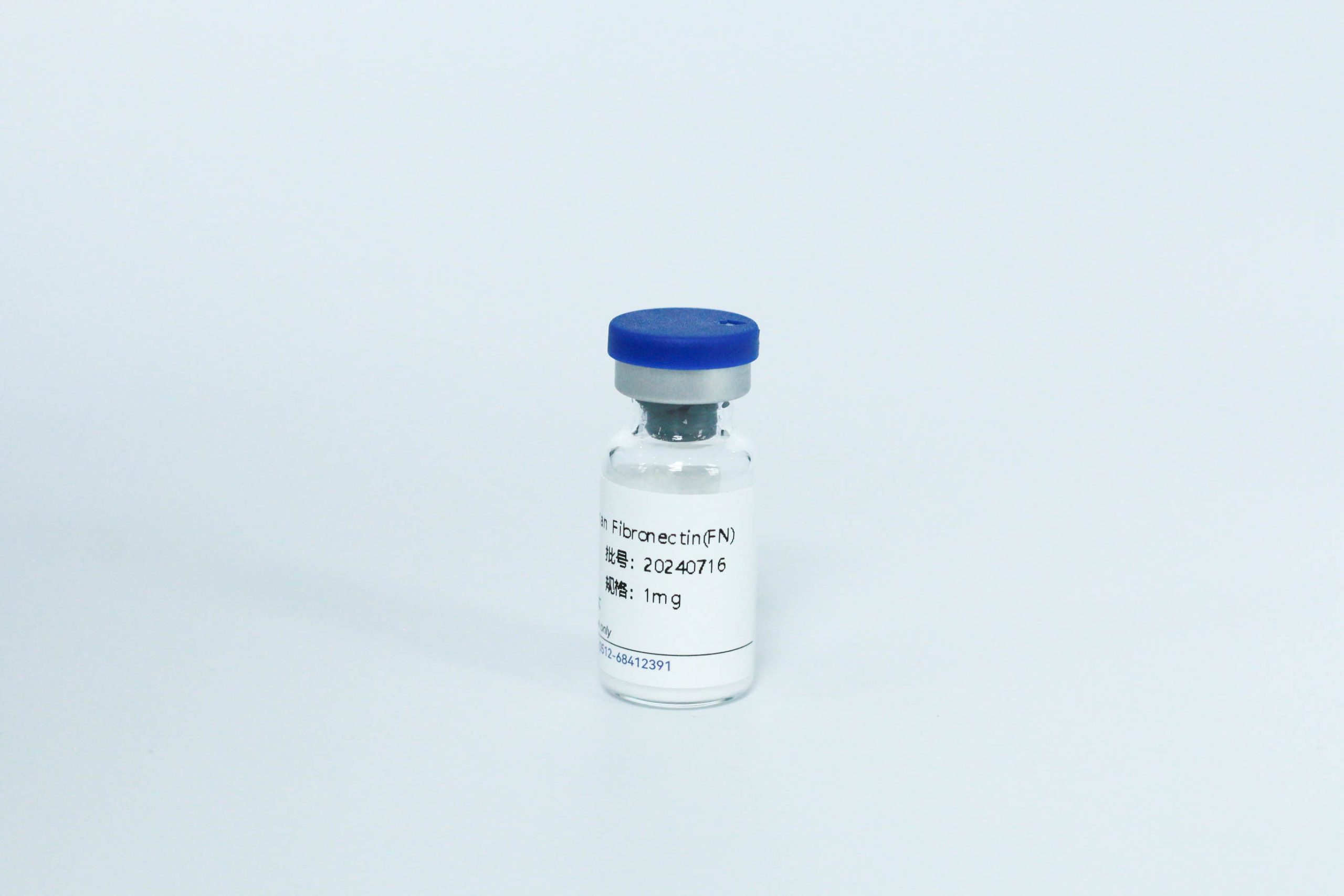
Move Your Projects Forward with Quality Raw Materials
Research and product development succeed when raw materials perform consistently. East Mab Bio’s Recombinant Fish FGF-2 delivers the high-purity, biologically active protein that cell culture, regenerative medicine, and related applications require. Contact the team at +86-400-998-0106 or [email protected] to discuss specific project needs and explore how these solutions fit your work.
Frequently Asked Questions about Recombinant Fish FGF-2
Is East Mab Bio’s Recombinant Fish FGF-2 animal-origin free?
Yes. The production process uses a robust expression system that eliminates animal-derived components entirely. This reduces adventitious agent risk and improves safety profiles for applications like cell therapy and cultivated meat production, meeting stringent regulatory requirements for these sensitive fields.
How does the biological activity of recombinant fish FGF-2 compare to mammalian versions?
East Mab Bio’s Recombinant Fish FGF-2 demonstrates comparable or superior performance to mammalian counterparts in cell proliferation and differentiation assays. Quality control protocols verify consistent, high-potency batches that deliver reliable experimental outcomes across different applications and cell types.
Can East Mab Bio provide custom quantities or formulations of Recombinant Fish FGF-2?
The recombinant protein platform and R&D team support customized quantities and specialized formulations for unique project requirements. This flexibility extends from research-scale quantities through large-scale industrial applications, accommodating different project phases and production needs.
What quality control measures are in place for East Mab Bio’s Recombinant Fish FGF-2?
Quality control includes purity analysis through SDS-PAGE and HPLC, endotoxin testing, and functional biological activity assays. Every batch meets specifications designed for critical applications, ensuring that the product performs consistently regardless of when it was manufactured.