
Choosing the right workpiece support system shapes everything that follows in a metalworking shop. After years of watching fabricators wrestle with scratched surfaces and unstable cuts, the difference between brush table lath systems and panel brush tables becomes obvious in the finished product. One handles heavy steel plates without flinching. The other keeps polished aluminum pristine. Getting this decision wrong means extra grinding, buffing, and time lost to rework. Getting it right means parts come off the table ready for the next step.
Why Your Metalworking Table Support System Matters More Than You Think
The support structure underneath your workpiece determines far more than stability. It affects surface quality, cutting accuracy, and how much time your team spends on post-processing. Metal sheets without proper support develop scratches from hard contact points, warp under their own weight, or shift during cutting and welding operations.
This creates a real choice for manufacturers. Brush table lath systems deliver the rigid backbone needed for heavy materials. Panel brush tables provide the gentle, distributed support that protects sensitive finishes. Each serves a distinct purpose, and understanding where they excel helps match the right system to your actual production needs.
Shanghai Huixi Trading Co., Ltd. has spent 16 years building brush systems for metalworking operations across industries. That experience reveals a consistent pattern: shops that match their support system to their primary materials see measurable improvements in both throughput and quality.
How Brush Table Lath Systems Handle Heavy-Duty Metalworking
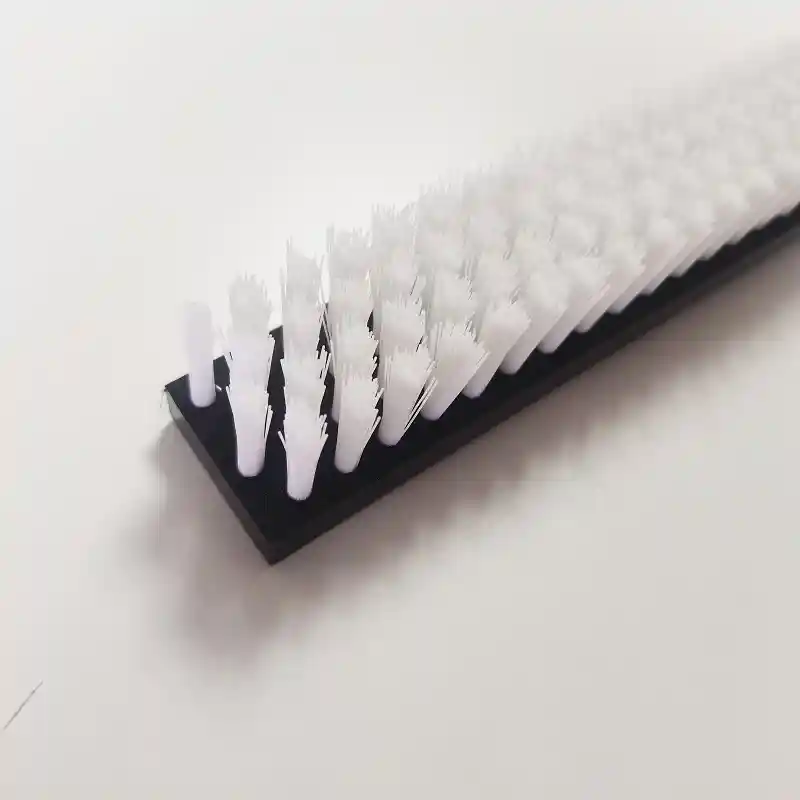
Brush table lath systems consist of individual brush strips mounted in parallel rows across the table surface. Each strip contains dense, stiff filaments that cradle workpieces while allowing efficient material flow during processing.
The filament material varies by application. Hardened steel wire handles maximum loads and resists deformation under heavy gauge materials. Specialized abrasive nylon works for applications needing moderate support with some surface consideration. Steel lath systems routinely support loads exceeding several tons, distributing weight across the brush bed without sagging or shifting.
The segmented design offers a practical maintenance advantage. When a section wears down, you replace that strip alone rather than the entire table surface. This keeps replacement costs manageable and minimizes downtime during repairs.
Where Brush Table Laths Perform Best
Heavy gauge sheet metal and structural steel fabrication represent the primary territory for brush table lath systems. During laser cutting and plasma cutting, these operations generate significant heat while processing materials that weigh considerably more than thin sheet stock.
The spacing between laths serves a secondary function beyond support. Cutting debris and slag fall through the gaps rather than accumulating on the work surface. This prevents contamination from damaging workpieces and reduces cleaning frequency between jobs. The rigid construction maintains cutting accuracy by preventing material movement, even when processing large plates that would overwhelm softer support systems.
Panel Brush Tables and Their Role in Protecting Sensitive Materials
Panel brush tables take a fundamentally different approach to workpiece support. Instead of parallel strips, these systems use interlocking brush blocks that create a continuous, dense surface. The result is maximum contact area between the brush bed and the workpiece.
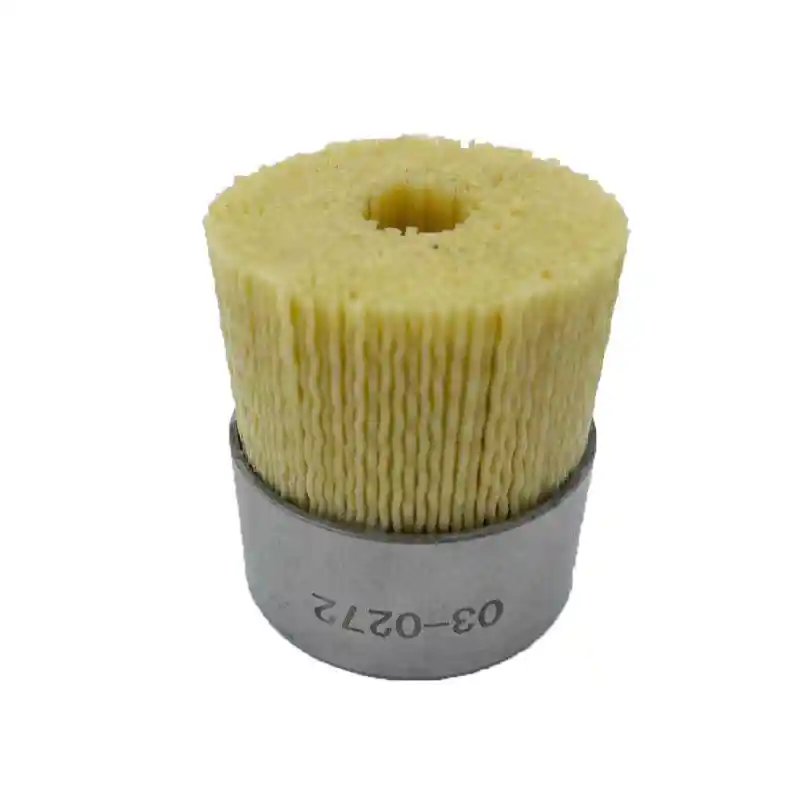
The filaments in panel systems tend toward softer materials. Fine nylon and polypropylene prevent the scratching and marring that harder filaments might cause on polished stainless steel, aluminum, or pre-coated sheets. The density of brush panels also captures small components and parts with complex shapes that would slip through gaps in lath systems.
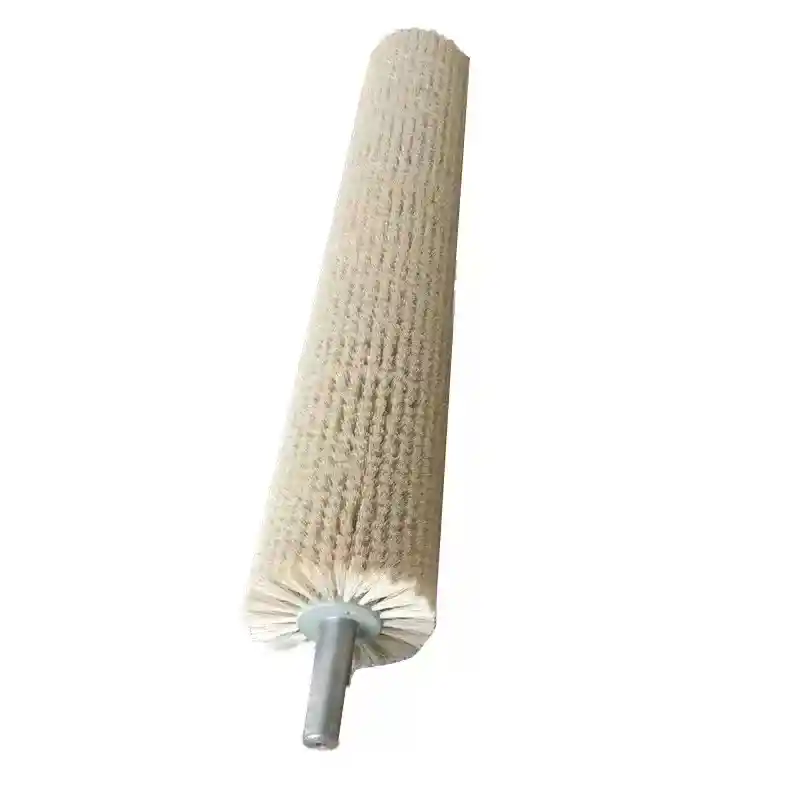
Compared to lath configurations, panel brush tables provide roughly three to five times more support points per square inch. This increased contact area dampens vibration during cutting, which improves edge quality and reduces the noise level in the shop.
The Mechanics Behind Scratch Prevention
Panel brush tables protect delicate surfaces through two complementary mechanisms. First, the high filament density creates a yielding surface that conforms to workpiece contours. Pressure distributes evenly across the underside rather than concentrating at isolated contact points. Those concentrated stress points cause the scratches and dents that ruin finished surfaces.
Second, the soft filament materials themselves resist marking. Non-abrasive nylon slides against polished metal without leaving traces. The combination of distributed pressure and gentle materials eliminates the friction and hard contact that damage sensitive finishes during handling and processing.
Direct Comparison of Lath and Panel Brush Table Performance
The choice between these systems depends on which performance factors matter most for your specific operations. Each excels in different areas.
| Feature | Brush Table Lath Systems | Panel Brush Tables |
|---|---|---|
| Workpiece Support | High load-bearing for heavy and thick metal | Excellent for delicate and thin materials |
| Surface Protection | Moderate with potential for minor marking | Superior with virtually scratch-free results |
| Maintenance | Segmented replacement simplifies repairs | Modular panel replacement |
| Initial Cost | Generally lower | Generally higher due to construction complexity |
| Durability | High under heavy-duty conditions | Good but filaments wear faster with heavy loads |
| Scrap Management | Efficient debris fall-through | Requires more frequent cleaning |
Lath systems typically last longer under continuous heavy use, though individual strips need replacement as wear patterns develop. Panel systems cost more upfront but often reduce post-processing time enough to offset that investment through labor savings on finishing work.
A Framework for Choosing Between Brush Table Systems
Matching your brush table selection to your actual manufacturing profile requires examining several factors together rather than optimizing for any single consideration.
Start with the materials you process most frequently. Operations centered on thick steel plates need the load-bearing capacity of lath systems. Shops working primarily with polished stainless or aluminum need the surface protection of panel brushes. Mixed operations face harder choices and may benefit from different table configurations for different work cells.
Part size and geometry matter as well. Large, flat sheets behave differently than small components or parts with complex shapes. The required surface finish quality sets another constraint. Some downstream processes tolerate minor marks that others cannot accept.
Budget considerations extend beyond purchase price. A higher initial investment in panel systems may pay back through reduced finishing labor. A lower-cost lath system may prove more economical when surface finish requirements are less demanding.
Supporting Small and Irregular Parts
Panel brush tables handle small and irregular parts significantly better than lath systems. The dense, continuous surface provides enough contact points to conform closely to complex geometries. Small components stay in position rather than tipping, shifting, or dropping through gaps.
The flexibility of closely packed filaments adapts to irregular shapes without creating instability. For operations processing intricate parts where precision matters throughout handling, panel systems provide the secure foundation that lath spacing cannot match.
Maintaining Brush Tables for Long-Term Performance
Brush table performance degrades without regular attention. Both system types benefit from scheduled maintenance that extends operational life and maintains consistent support quality.
For lath systems, monitoring individual strips for uneven wear prevents the support problems that develop when some sections compress more than others. Replacing worn strips before they fail completely maintains the flat, stable surface that cutting accuracy requires.
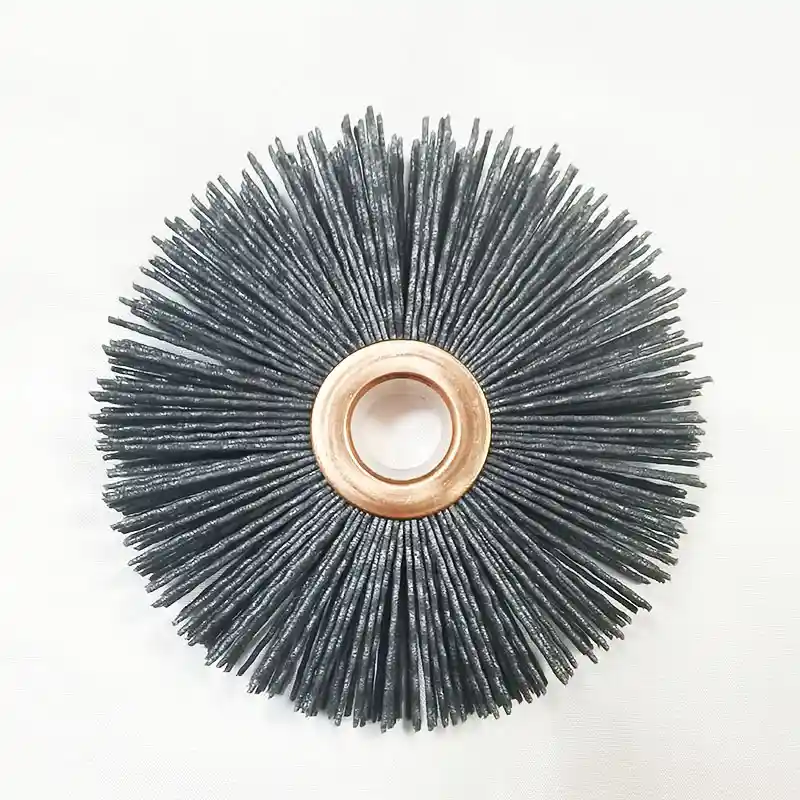
Panel systems need periodic inspection of brush density and filament condition. As filaments wear or break, the protective cushion thins and surface protection diminishes. Catching this degradation early prevents the scratching that defeats the purpose of choosing panel systems in the first place.
Establishing a regular maintenance schedule keeps both system types performing as designed. The specific interval depends on usage intensity, but quarterly inspections catch most developing problems before they affect production quality.
Custom Solutions for Specialized Requirements
Standard brush configurations work for many applications, but specialized operations sometimes need engineered solutions. Huixi Brush provides ODM and OEM services for custom industrial brush components, drawing on 16 years of production experience to address unusual challenges.
Custom filament materials handle extreme temperatures or abrasive environments that would destroy standard options. Specialized geometries fit unique table configurations or support requirements that off-the-shelf products cannot address. Whether the need involves a complete custom brush table or specialized components for deburring optimization, technical support helps design brushes matched to exact operational requirements.
Building Better Metalworking Operations Through Informed Selection
The brush table system underneath your workpieces shapes production quality in ways that ripple through every downstream operation. Brush table lath systems provide the rigid support that heavy materials demand. Panel brush tables deliver the gentle protection that sensitive finishes require.
Matching the right system to your primary materials, part geometries, and finish requirements eliminates rework and improves throughput. The initial selection decision pays dividends across every job that crosses that table surface.
Shanghai Huixi Trading Co., Ltd. brings the industrial brush technology and application knowledge needed to make these selections with confidence. The right brush table choice represents an investment in long-term production quality rather than simply a equipment purchase.
Frequently Asked Questions About Metalworking Table Brushes
How long do industrial brush table laths or panels typically last before replacement?
Lifespan varies considerably based on material choice, usage intensity, and maintenance practices. Steel laths under heavy daily use typically need replacement every 6 to 12 months. Nylon filaments in panel systems may require attention every 3 to 6 months under similar conditions. Regular cleaning extends these intervals, and replacing worn segments before complete failure prevents quality problems from developing gradually.
Can existing metalworking tables accept brush lath or panel retrofits?
Most existing tables can accommodate brush system retrofits. The process involves removing the original support structure and installing a custom-designed brush bed sized to the existing frame. Huixi Brush works with clients to ensure compatibility and proper fit for specific machinery configurations. Retrofitting allows capability upgrades without replacing entire tables.
How does filament material selection affect workpiece quality?
Filament material directly determines both support characteristics and surface interaction. Steel wire filaments provide maximum rigidity and load capacity for heavy, non-sensitive metals but will scratch polished surfaces. Nylon filaments offer softer, non-marring support suited to finished or pre-coated materials. Abrasive nylon combines support with light deburring action for specific applications. Matching filament properties to workpiece requirements prevents damage while maintaining adequate support.
Connect with Huixi Brush for Metalworking Support Solutions
For brush table systems matched to your specific operations, custom industrial brush components, or technical consultation on support system selection, contact Shanghai Huixi Trading Co., Ltd. Sixteen years of manufacturing experience and global service capability ensure solutions that fit your actual requirements. Reach out to discuss your needs and receive competitive pricing or sample products at +86 1580 0932 713 or [email protected].
If you’re interested, check out these related articles:
descaling spiral brush an innovative tool and generalist in the field of industrial cleaning
abrasive wheel brush a magical tool for industrial surface treatment