

Agrifam Co., Ltd. has built its reputation on a straightforward premise: agricultural transformation works best when someone takes responsibility for the entire chain. From the first financial conversation to the final commissioning check, the company treats farm-to-table integration as a single continuous process rather than a series of handoffs between specialists. That philosophy shapes everything they do across Russia, Cuba, Bolivia, Zimbabwe, and beyond.
What Makes the Farm-to-Table Approach Actually Work
The phrase “integrated solutions” gets thrown around a lot in agricultural development. What sets Agrifam apart is the operational depth behind it. Their global agricultural projects cover financial structuring, technical consulting, civil engineering, equipment manufacturing, installation, commissioning, and long-term upgrading support. Each piece connects to the next.
This matters because agricultural supply chains break down at transition points. A well-designed processing plant fails if the storage facility upstream can’t maintain grain quality. A modern dairy operation underperforms if the feeding system doesn’t integrate with herd management data. Agrifam’s model addresses these gaps by keeping the entire value chain under coordinated oversight.
The practical result is better operational control for partners and more consistent product quality reaching consumers. When one team handles the full scope, accountability stays clear and problems get caught before they cascade.
How Russia and Cuba Approached Agricultural Modernization Differently
Agrifam’s work in Russia and Cuba shows how the same underlying methodology adapts to completely different starting conditions. Both countries needed agricultural upgrades, but the specifics couldn’t have been more distinct.
Building Smarter Livestock Operations Across Russia
Russian livestock operations presented a classic modernization challenge: existing infrastructure with room for significant efficiency gains. Agrifam focused on intelligent animal husbandry practices that combine technology with practical farm management.
For dairy operations, the dairy cow ranch soultion establishes systems where water management runs in closed loops and manure converts to biogas. These aren’t just environmental features. They reduce operating costs and create energy independence for remote facilities. The low-carbon approach happens to align with sustainability goals, but the immediate driver is economic performance.
Beef cattle operations followed similar logic. The beef cattle ranch soultion implements scientific fattening management with precise TMR feeding protocols and intelligent environmental controls. Reducing animal stress improves meat quality and weight gain rates. The data systems behind these operations give managers real-time decision support rather than relying on periodic manual assessments.
Cuba’s Focus on Resource Independence
Cuba’s agricultural context demanded different priorities. The island nation needed food production systems that could function reliably without heavy dependence on imported inputs. Agrifam’s work there emphasized ecological farming principles and climate resilience.
Water efficiency became a central concern given Cuba’s variable rainfall patterns. Organic waste management systems turned potential disposal problems into soil amendments. The goal was building agricultural capacity that strengthens over time rather than requiring constant external support.
This approach to sustainable food production recognizes that food security in Cuba depends on systems that work within local resource constraints. The technology transfers involved focused on techniques that Cuban farmers could maintain and adapt independently.
Industrial-Scale Development in Bolivia and Zimbabwe
Moving from farm-level improvements to industrial infrastructure requires different capabilities. Agrifam’s projects in Bolivia and Zimbabwe demonstrate how the company handles intensive agricultural development at scale.
Bolivia’s Infrastructure Foundation
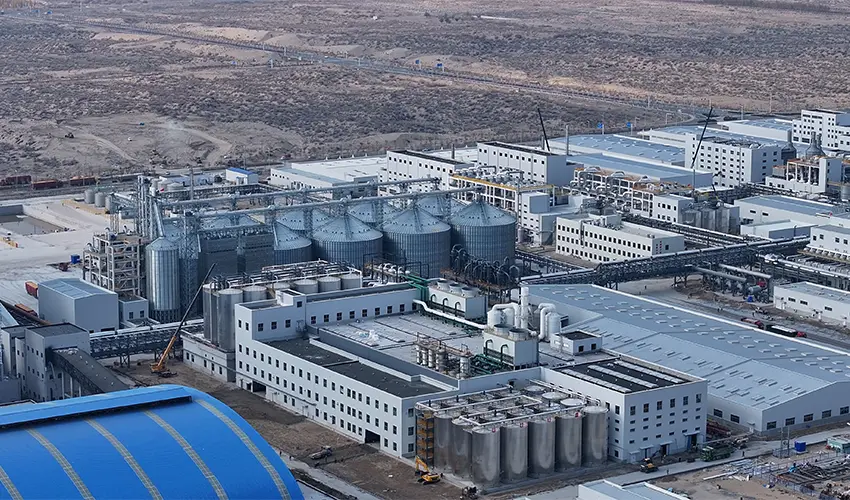
Bolivia needed fundamental agri-industrial infrastructure before other improvements could take hold. Agrifam provided the full range of civil engineering, manufacturing, and installation services for facilities that form the backbone of modern agricultural commerce.
The projects included grain storage facilities, processing plants, and logistics hubs. Each component addresses a specific bottleneck in getting agricultural products from farms to markets. Without adequate storage, farmers lose significant portions of their harvest to spoilage. Without processing capacity, raw commodities leave the country at low prices rather than generating local value-added employment.
| Solution Category | Key Feature | Application in Agri-Industrial Advancement |
|---|---|---|
| port terminal warehousing soultion | Efficient grain loading/unloading (2,000 t/h) | Streamlines logistics for export/import, reduces spoilage. |
| grain depot storage soultion | Intelligent temperature/humidity control | Ensures national food security, minimizes post-harvest losses. |
| corn starch processing soultion | Wet-process method, 25% energy reduction | Creates value-added products, promotes circular economy. |
| flour milling plant soultion | Flexible milling, intelligent storage | Enhances local processing capacity, diversifies food products. |
Financial support and technical expertise work together in these projects. The infrastructure only delivers value if it operates correctly, which requires both capital and knowledge transfer.
Zimbabwe’s Resilience Challenge
Zimbabwe’s agricultural sector faces compounding pressures from environmental variability and economic uncertainty. Agrifam’s work there focuses on building systems that can absorb shocks rather than collapse under them.
The practical interventions include advanced farming techniques, crop diversification support, and improved post-harvest handling. Farm infrastructure upgrades give producers more options when conditions change. A farmer with proper storage can wait for better prices rather than selling immediately at harvest when markets are flooded.
Sustainable development practices in this context mean techniques that maintain soil health and water resources over decades, not just single growing seasons. The goal is agricultural output that farmers can rely on year after year.
Why These Projects Keep Working
International agricultural projects fail for predictable reasons. Agrifam’s track record suggests they’ve learned to avoid the common pitfalls.
Meticulous project management sounds obvious, but execution matters more than planning documents. Every phase from initial concept through final commissioning needs active oversight. Problems caught early cost far less to fix than problems discovered during operations.
Risk mitigation requires honest assessment of what could go wrong. Agricultural projects face weather variability, supply chain disruptions, regulatory changes, and market fluctuations. Building contingencies into project design prevents single points of failure from derailing entire initiatives.
Local adaptation determines whether technically sound solutions actually work in practice. Environmental conditions, economic structures, and cultural contexts vary enormously across Agrifam’s project locations. Solutions that succeed in Russia may need significant modification for Cuba or Zimbabwe.
Technology transfer ensures that local teams can operate and maintain systems after Agrifam’s direct involvement ends. Dependence on external expertise creates vulnerability. Building local capacity creates sustainability.
Stakeholder engagement keeps all parties aligned on objectives and timelines. Agricultural projects involve farmers, processors, government agencies, financial institutions, and end consumers. Misalignment between any of these groups creates friction that slows progress.
Comprehensive financial planning prevents projects from stalling due to cash flow problems. Resource allocation needs to match project phases, with contingencies for unexpected costs.
Environmental sustainability and social impact considerations now factor into every design. Responsible development isn’t just ethical. It’s practical. Projects that damage local environments or communities face opposition that can derail even well-funded initiatives.

Where Agricultural Development Heads Next
Agrifam’s vision for global agriculture centers on four directions: safer and healthier production, energy conservation and environmental protection, more intelligent and efficient operations, and more intensive resource utilization. These aren’t just aspirational statements. They guide actual project design and technology selection.
International collaboration remains central to this work. No single company or country can solve global food security challenges alone. Partnerships multiply impact by combining different strengths and resources.
Smart farming technologies continue advancing rapidly. The integrated solutions that seemed cutting-edge five years ago now serve as baselines for more sophisticated systems. Staying current requires ongoing investment in research and development alongside project implementation.
The agri-food industry chain will keep evolving as climate patterns shift, populations grow, and consumer preferences change. Agrifam’s farm-to-table approach positions them to adapt because they see the entire system rather than isolated segments.
Transform Your Agricultural Projects with Agrifam
Discover how Agrifam Co., Ltd. can transform your agricultural and animal husbandry projects. Contact our expert team today for tailored integrated solutions, from financial strategy to full implementation and upgrading. Partner with us for a safer, smarter, and more sustainable agri-future. Reach us at 010-8591 2286 or [email protected].
Frequently Asked Questions About Global Agri-Solutions
How does Agrifam tailor its agricultural solutions to specific regional challenges?
Every project starts with thorough local assessment before any design work begins. Agrifam examines environmental conditions, existing infrastructure, economic constraints, and cultural factors that affect how agricultural operations actually function in each location. The farm-to-table integrated solutions framework stays consistent, but the specific technologies, timelines, and implementation approaches adjust to fit local realities. A dairy operation in Russia faces different challenges than a grain storage facility in Bolivia, and the solutions reflect those differences.
What kind of financial and technical support does Agrifam offer for large-scale agri-projects?
The one-stop service model covers the full project lifecycle. Financial support helps structure funding for capital-intensive agricultural infrastructure. Expert consulting addresses technical questions and strategic planning. Design services create specifications for facilities and equipment. Civil engineering, manufacturing, and installation handle physical construction. Commissioning ensures systems work correctly before handover. Ongoing upgrading support keeps operations current as technologies and requirements evolve. This integrated approach means partners deal with one coordinated team rather than managing multiple contractors independently.
How do integrated farm-to-table solutions improve food security and efficiency?
Treating the agricultural supply chain as a connected system rather than separate segments eliminates the gaps where food security typically breaks down. Post-harvest losses drop when storage facilities match production volumes and processing capacity. Product safety improves when quality control spans the entire chain rather than checking only at final stages. Efficiency gains compound when each stage optimizes for the whole system rather than local metrics. The result is more food reaching consumers in better condition at lower cost, which is what food security actually requires in practice.
If you’re interested, check out these related articles:
Driving Global Food Conservation Through Technological Innovation
