

The agri-food industry sits at a crossroads that feels different from past cycles of change. Population growth, shifting weather patterns, and consumers who want to know exactly where their food comes from have created pressure that traditional farming and processing methods struggle to absorb. What strikes me most is how interconnected these challenges have become. You cannot address food safety without touching supply chain design, and you cannot improve efficiency without rethinking how data flows between the field and the processing plant. Integrated agri-food solutions that span the entire agri-food industry chain from farm to table offer a framework for this kind of systemic upgrade. The goal is not just incremental improvement but a genuine shift toward operations that are safer, more intelligent, and built to last.
Why the Modern Agri-Food Sector Demands a Different Approach
The agri-food sector today operates in an environment where multiple forces converge simultaneously. Global food demand keeps climbing, which means food production efficiency has to improve without proportionally increasing resource consumption. Climate change adds unpredictability through erratic rainfall, temperature swings, and resource scarcity that makes long-term planning difficult. At the same time, consumer demand trends have shifted toward transparency and sustainability. People want to know how their food was grown, processed, and transported.
These pressures interact in ways that amplify each other. A drought affects yields, which strains supply chains, which raises prices, which shifts consumer behavior. Successful enterprises in this space tend to be the ones that recognize these connections early. They treat agricultural supply chain management as a strategic function rather than a logistics afterthought. They invest in resource optimization before scarcity forces their hand. Risk management agriculture becomes part of the operating model, not a separate department that reviews insurance policies.
The opportunity here is real. Companies that address these factors proactively often find that the same investments that build resilience also improve margins. Better data systems reduce waste. Stronger supplier relationships create flexibility. Regulatory compliance frameworks, while complex, can become a competitive advantage when handled well.
What Makes Building an Integrated Farm-to-Table Solution So Difficult
Building an integrated farm-to-table solution involves challenges that are easy to underestimate. Supply chain fragmentation is one of the most persistent issues. When different stages of production operate as separate silos, inefficiencies multiply and oversight becomes nearly impossible. Food waste reduction efforts stall because no one has visibility into where losses actually occur.
Data integration gaps compound the problem. A grain processor might have excellent information about their own operations but limited insight into what happens upstream at the farm or downstream in distribution. Without that end-to-end view, real-time decision-making and predictive analytics remain aspirational rather than practical.
Regulatory complexity adds another layer. Different regions impose different requirements, and product categories each have their own compliance frameworks. A company operating across multiple markets has to navigate this patchwork while maintaining consistent quality standards.
Then there is the capital question. The infrastructure, technology, and operational changes required for true integration demand substantial investment. Agricultural financing mechanisms exist, but accessing them often requires demonstrating a clear path to returns that many projects struggle to articulate. Addressing these issues requires thinking about the agri-food industry chain as a single system rather than a collection of separate businesses.
Connecting Every Stage of the Agri-Food Chain
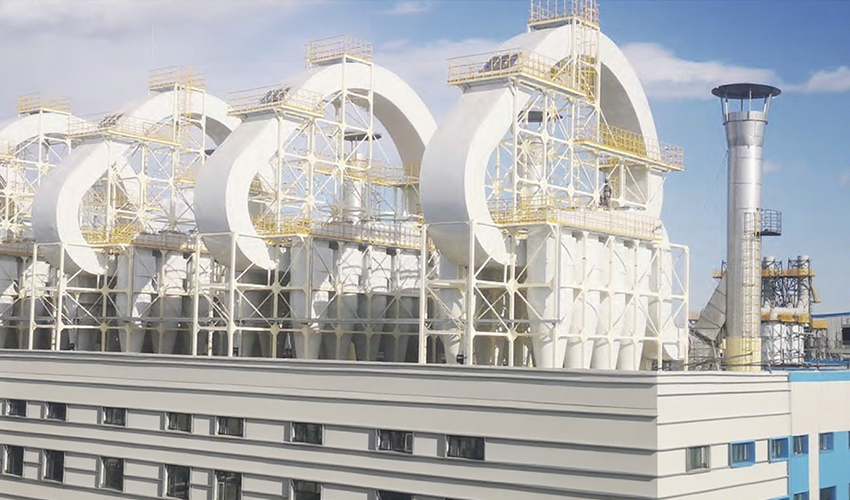
Farm-to-table efficiency does not happen by accident. It requires deliberate design that connects every stage of the agri-food chain into a coherent whole. Vertical integration agriculture offers one path forward, giving a single organization control over multiple stages of production. End-to-end management ensures that decisions made at one point in the chain account for their effects elsewhere.
This approach draws on agri-tech innovation to create farm-to-fork solutions that add value at each transition point. Value chain analysis helps identify where improvements will have the greatest impact. Post-harvest management, often overlooked, plays a critical role in preserving quality and reducing losses between harvest and processing. Agricultural consulting brings specialized expertise to problems that internal teams may encounter only occasionally.
The result, when these elements work together, is an agri-food system that responds to disruptions without breaking down. Resilience comes not from any single technology or practice but from the integration itself.
What an Integrated Agri-Food Industry Chain Solution Actually Includes
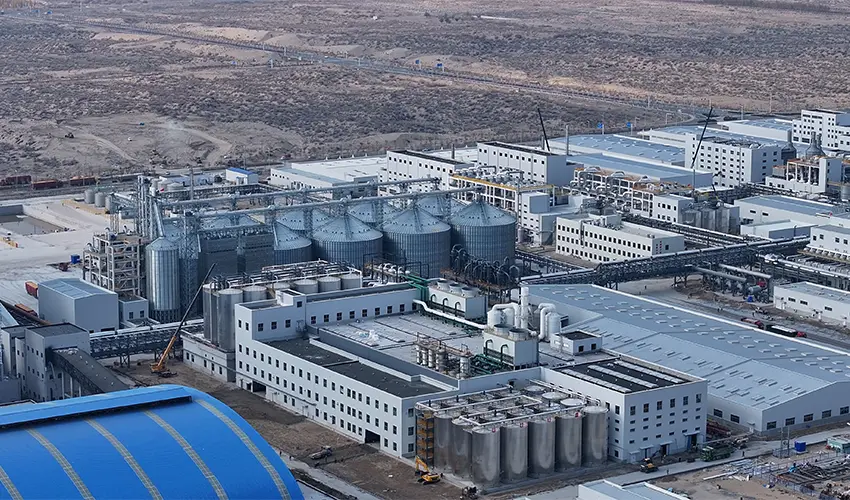
An integrated agri-food industry chain solution covers the complete lifecycle of food production and delivery. It starts with farm inputs like seeds and feed, where quality and consistency set the foundation for everything that follows. Cultivation, processing, logistics, and final distribution each represent distinct operational challenges that require coordination.
Digital agriculture platforms provide the connective tissue, enabling information to flow between stages in ways that support real-time decisions. Cold chain logistics ensure that temperature-sensitive products maintain quality from processing facility to retail shelf.
The scope varies depending on the specific application. Solutions range from sophisticated grain depot storage soultion designed for national food security to advanced dairy cow ranch soultion systems that optimize animal health and productivity. Specialized corn starch processing soultion and rice milling industry soultion capabilities address the particular requirements of those product categories. What ties them together is the commitment to seamless transitions between stages, so that quality built at one point carries through to the next.
| Solution Area | Key Focus | Agrifam’s Contribution
If you’re interested, check out these related articles:
Driving Global Food Conservation Through Technological Innovation
