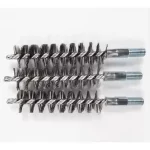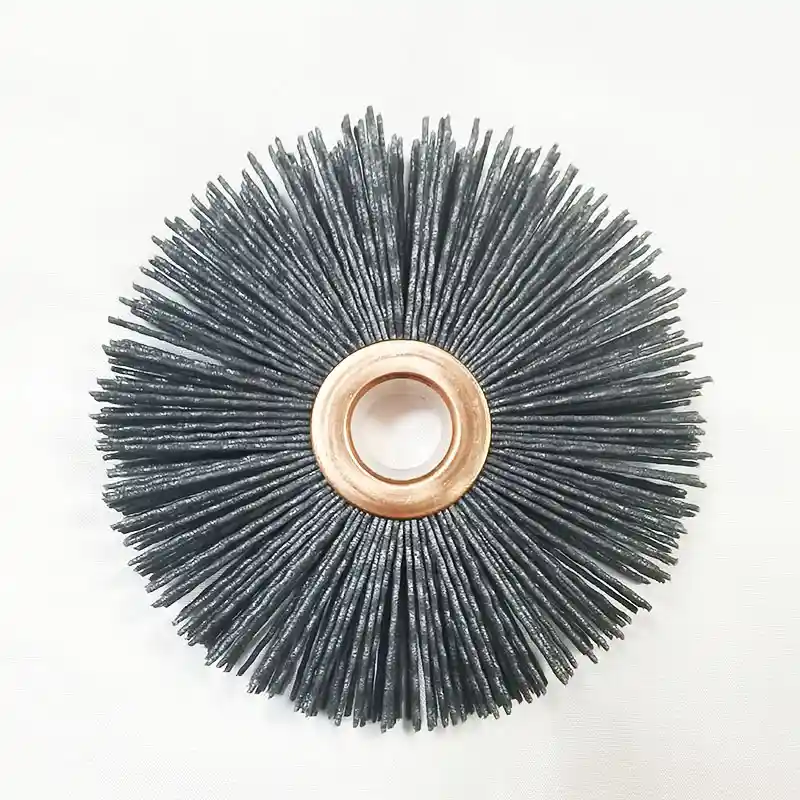

Carbon steel scratch brushes handle the kind of rust and scale that lighter tools simply cannot touch. When oxidation has built up over years or mill scale has bonded stubbornly to a surface, these brushes cut through it with a directness that makes the difference between a surface ready for coating and one that will fail prematurely. Working with severe corrosion requires tools built for that specific challenge, and carbon steel wire delivers the aggressive cleaning action that heavy industrial conditions demand.
Why Carbon Steel Wire Works for Aggressive Cleaning
The performance of carbon steel scratch brushes comes down to material properties that align precisely with heavy-duty rust removal requirements. Carbon steel wire combines high tensile strength with surface hardness that allows filaments to bite into rust and scale rather than skating across the top. This cutting action removes material efficiently without the wire tips rounding off after minimal use.
Wire gauge and brush density determine how aggressively a brush performs. Coarser wires with lower density configurations maximize material removal rates, which suits thick scale deposits and heavy oxidation. Finer wires packed more densely provide controlled action for situations where surface profiling matters more than raw removal speed. Matching these variables to the specific industrial scale removal task prevents both under-performance and unnecessary surface damage.
| Feature | Carbon Steel Wire Brush | Stainless Steel Wire Brush |
|---|---|---|
| Material | High carbon steel | 302/304 Stainless Steel |
| Hardness | High | Medium |
| Aggressiveness | Very High (Excellent for heavy rust/scale) | Medium (Good for lighter rust, surface finishing) |
| Corrosion | Prone to rust if exposed to moisture | Highly resistant to rust and chemical corrosion |
| Contamination | Can contaminate non-ferrous metals or stainless steel | Non-contaminating on most surfaces |
| Cost | Generally lower | Higher |
Where Carbon Steel Scratch Brushes Prove Their Value
Industrial rust removal spans applications that vary widely in scale and access requirements. Metal fabrication shops rely on carbon steel scratch brushes as weld cleaning tools, stripping slag and spatter that would otherwise compromise subsequent welds or coatings. Marine maintenance crews use these same brushes for rust removal on ship hulls and deck hardware, where salt exposure accelerates corrosion beyond what gentler methods can address. Automotive restoration work benefits when removing decades of paint buildup and undercoating that has hardened into something closer to armor than finish.
Foundries and manufacturing plants face metal descaling challenges where mill scale must come off before machining or coating operations can proceed. The oxide layer that forms during hot rolling bonds tightly to the base metal, and carbon steel wire has the hardness to break that bond without excessive passes.
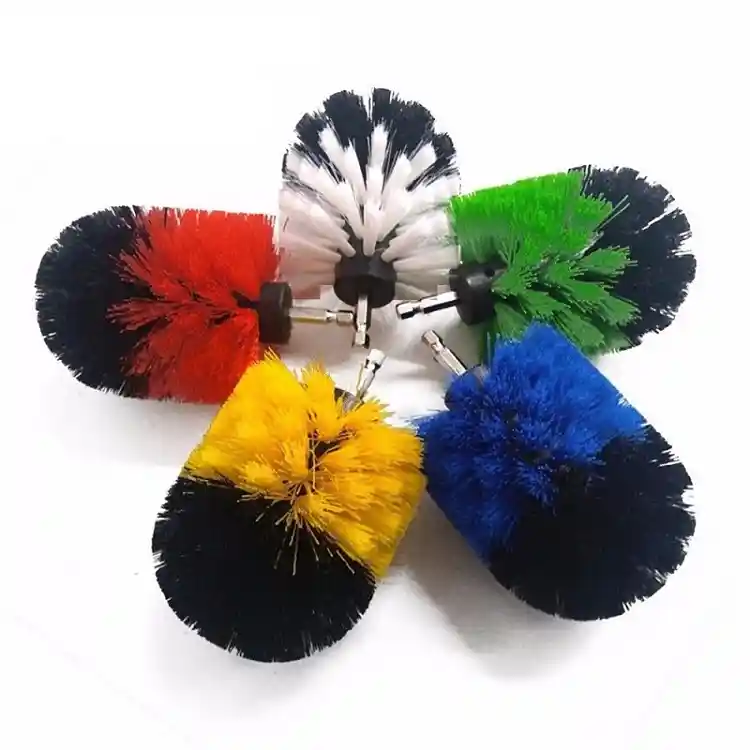
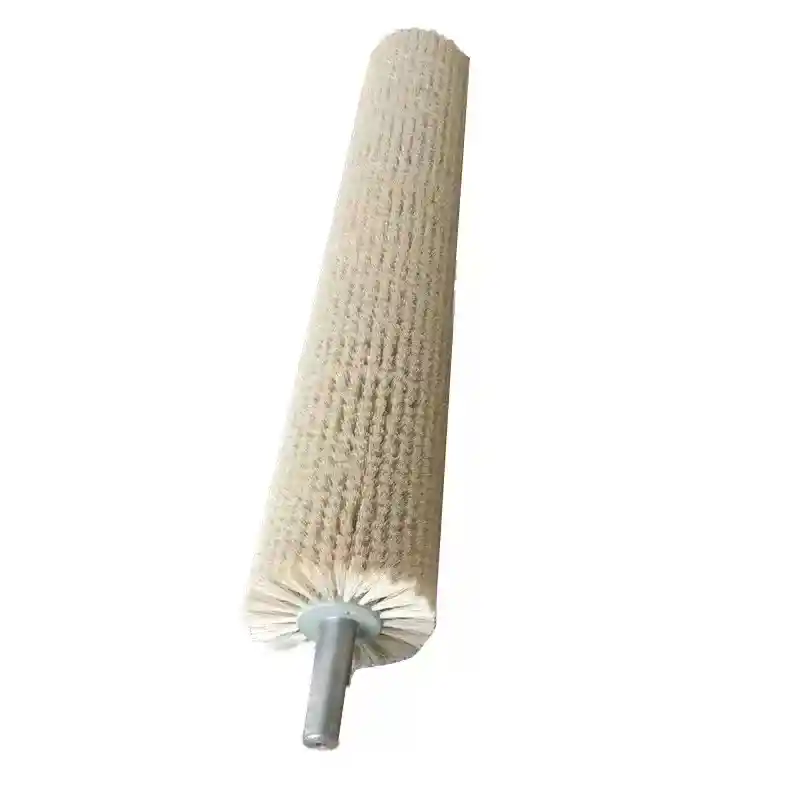
Brush form factor matters when mounting these tools to angle grinder brushes or drill brush attachments. Wheel brushes cover large flat areas efficiently. Cup brushes concentrate force on edges and inside corners where wheel brushes cannot reach. End brushes access confined spaces and holes. Selecting the wrong form factor for the geometry means either wasted time or incomplete surface preparation.
Keeping Brushes Working and Operators Safe
Carbon steel scratch brushes last longer when operated within their design parameters. Exceeding recommended speeds stresses wire filaments beyond their fatigue limits, causing breakage that shortens brush life and creates safety hazards. Excessive pressure produces similar results while also reducing cutting efficiency, since bent wires cannot engage the surface properly.
Inspection before each use catches problems early. Wires that have shortened significantly or bent out of their original orientation indicate a brush that has reached the end of its useful life. Continuing to use worn brushes wastes time and risks wire fragments becoming projectiles.
Operator protection requires safety glasses rated for impact, gloves that allow tool control while protecting hands, and hearing protection appropriate for the noise level. Secure mounting prevents the brush from loosening during operation. Storing brushes in dry conditions prevents the wires themselves from rusting, which weakens them and transfers contamination to workpieces.
Custom Carbon Steel Brush Solutions from Huixi
Finding carbon steel scratch brushes that match specific operational requirements often means working with a manufacturer who can adjust specifications rather than forcing a compromise with standard products. We manufacture industrial brushes with 16 years of production experience, providing ODM/OEM brush services that address particular wire gauges, brush densities, and mounting configurations. Clients across Europe, North America, Australia, New Zealand, the Middle East, and Southeast Asia have found that custom specifications improve both performance and cost efficiency compared to adapting off-the-shelf options.
Frequently Asked Questions About Carbon Steel Scratch Brushes
What safety precautions should be taken when using a heavy-duty scratch brush?
Wear safety glasses rated for impact, gloves that maintain tool control, and hearing protection. Verify the brush is securely mounted before starting the tool. Operate at or below the maximum RPM rating printed on the brush, since exceeding this limit causes wire fatigue and breakage. Inspect the brush before each use for damaged or missing wires.
Can carbon steel scratch brushes be used on all metal surfaces for rust removal?
Carbon steel scratch brushes work well on ferrous metals like iron and steel. Using them on stainless steel or non-ferrous metals like aluminum and brass causes cross-contamination, where carbon steel particles embed in the softer surface and later rust. This creates corrosion problems on materials that would otherwise resist it. Match brush material to workpiece material to avoid this issue.
How can I extend the lifespan of my industrial carbon steel wire brush?
Operate at appropriate speeds without forcing the brush into the work surface. Let the wire tips do the cutting rather than pressing harder to compensate for dull wires. Store brushes where moisture cannot reach them, since rust weakens the filaments. Replace brushes when wires have shortened noticeably or lost their original orientation, since continued use past this point wastes time and creates safety risks.
What is the best type of wire brush for heavy rust removal?
Knotted wire wheel brushes remove heavy rust efficiently from large flat surfaces because the twisted wire bundles provide aggressive cutting action. For corners, edges, and recessed areas, a knotted cup brush or end brush reaches where wheel brushes cannot. The right choice depends on the geometry of the surface and the access available. Always verify the brush specifications match the power tool being used.
How do carbon steel scratch brushes differ from stainless steel brushes?
Carbon steel brushes cut more aggressively, which makes them the better choice for heavy rust and scale on steel and iron. Stainless steel brushes are less aggressive but do not contaminate stainless steel, aluminum, or other non-ferrous surfaces. Using carbon steel on these materials leaves particles that rust later, defeating the purpose of the cleaning operation. The material choice follows the workpiece material, not the severity of the contamination.
Partner with Huixi Brush for Superior Surface Preparation
Shanghai Huixi Trading Co., Ltd. manufactures carbon steel scratch brushes tailored to specific industrial requirements. Our 16 years of production experience supports professional technical guidance and ODM/OEM services. Contact us for competitive pricing, low MOQ options, free samples, and fast delivery. Reach us at [email protected] or call +86 1580 0932 713.