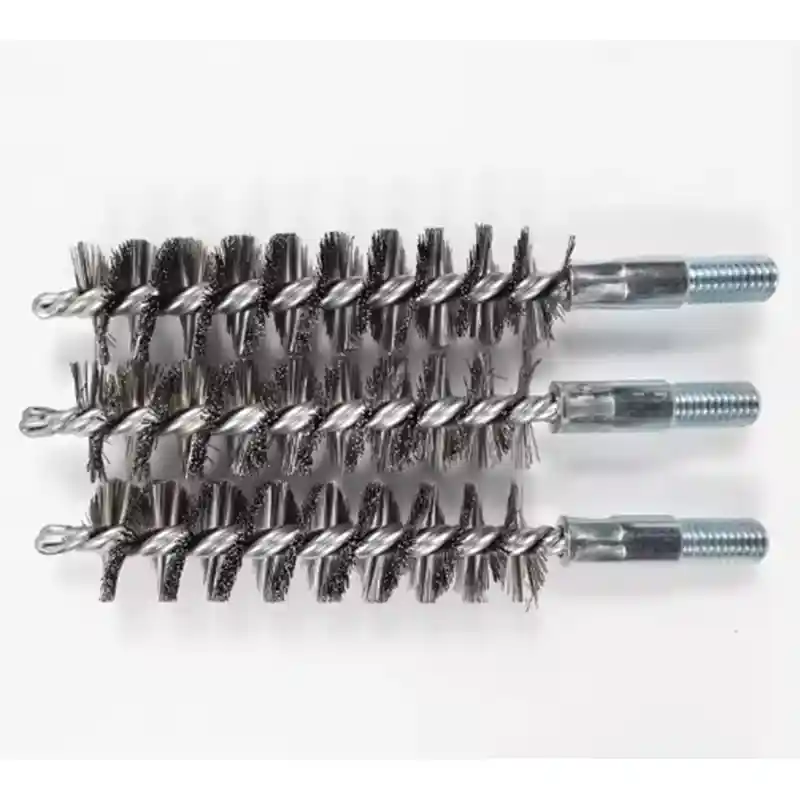

Small brass brushes come in handy for cleaning circuit boards, particularly in those tight areas around electronic components. They reach into narrow gaps to remove soldering flux and residue that can lead to short circuits or other failures if left behind. Cleaning this way adds to the overall reliability of the finished electronics, and over 16 years of supplying these tools from our setup in Anhui to firms across the globe, the effect on production yields has shown up consistently.
How Small Brass Brushes Deliver Precision in Electronics Cleaning
Small brass brushes achieve that precision because of their compact size and the way the bristles flex. The small diameter lets them slide into cramped PCB spaces without disturbing adjacent parts. The brass bristles knock residue loose in a controlled manner. This focused approach helps lower failure rates on PCBs by cutting down on leftover buildup. Feedback from electronics assembly operations indicates this can raise yields by 18 percent.
We use these brushes for maintenance on delicate components. Gentle contact clears contaminants from the solder joints and stops electrical problems from developing in the final products. Consistent results come from the brush’s reach under chips and connectors, which benefits the cleaning process for electronics in general.
If you’re interested, check 《brass brushes work perfectly for pipe cleaning》
How do I safely clean PCB boards using brushes?
- Ground yourself and the work surface to prevent static discharge.
- Select a static free brush suited for the board layout.
- Apply light strokes to clear soldering residue removal areas.
- Inspect the board under good light after each pass.
- Store the brush in a clean container to avoid contamination.
This protocol helps prevent static discharge and scratches on the sensitive surfaces.
What Makes Brass the Ideal Material for Delicate PCB Surfaces
Brass gives just the right hardness for cleaning without causing abrasion on delicate PCB surfaces. Its medium density pulls away residue while leaving the board intact. It also produces very little static compared to alternatives, which is important for sensitive electronics where any charge could damage components.
| Brush Material | Hardness Level | Abrasion Risk | Static Generation |
|---|---|---|---|
| Brass | Balanced | Low | Minimal |
| Steel | High | High | Moderate |
| Nylon | Soft | Very Low | High |
Brass avoids the scratches that steel would leave on copper traces. It provides more stiffness than nylon for dealing with stubborn flux. The non scratching brush performance stems from the alloy’s natural lubricity. Its anti static brush qualities help lower risks on high-density boards. Sensitive electronics care depends on matching the material properties this way.
If you’re interested, check 《what you know about brass wire brush strip》
Step by Step Techniques for Effective Residue Removal with Small Brass Brushes
A structured process helps with effective residue removal when using small brass brushes. Begin by getting the board and tools ready. Then use controlled motions to clear the flux and solder particles. This keeps the cleaning thorough while protecting the components. Focusing on direction and pressure during flux removal techniques prevents debris from spreading.
Precision deburring keeps edges clean around pads and vias. Component cleaning brush methods preserve the board’s integrity from start to finish. Repeating passes only when necessary leads to thorough results.
Preparing the Work Area and Selecting Brush Size
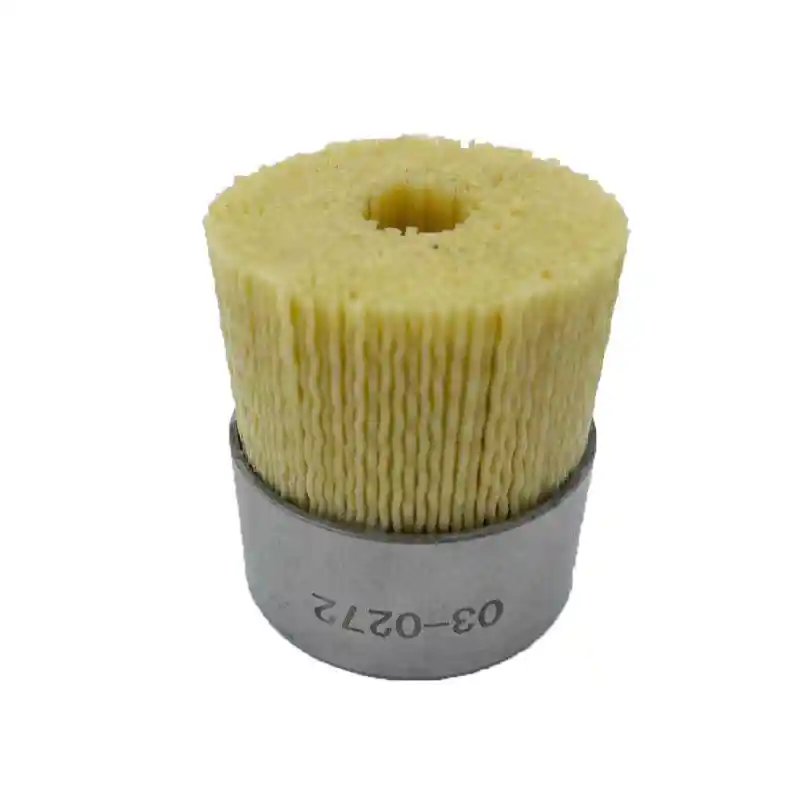
Clear debris from the work area and ensure good ventilation. Select a small diameter brush that fits the spacing between components. This selection guide helps prevent oversized tools from making unintended contact. Visual of brush diameter options assists in matching the tool to the board’s density for optimal access.
Applying Controlled Strokes for Solder and Flux Clearance
Use light pressure and move in one direction with controlled strokes. Guide the small brass brush along the solder lines to lift residue rather than forcing it into gaps. Before cleaning shows heavy buildup while after cleaning reveals clear surfaces. This demonstrates safe soldering residue removal on sample boards.
If you’re interested, check 《how do you know about deburring brushes》
Selecting the Optimal Small Brass Brush for Your PCB Application
Several factors guide the selection of small brass brushes for particular PCB needs. Bristle count influences coverage on dense layouts, and handle design affects control during use. Matching these to the board density leads to efficient cleaning. Brush selection begins with measuring the gaps between components and identifying the type of residue.
| PCB Type | Recommended Bristle Count | Handle Design |
|---|---|---|
| Standard | 150-250 | Straight |
| High Density | 300+ | Ergonomic |
| Flexible | 100-200 | Flexible Stem |
Small brass brush specifications cover bristle length for reach and diameter for proper fit. The options available for brushes used in PCB cleaning depend on the scale of the work involved. Customized brushes permit adjustments to meet unique requirements. This decision process fits with commercial needs in electronics production.
Why Customized Small Brass Brushes Outperform Standard Options in Industrial Electronics
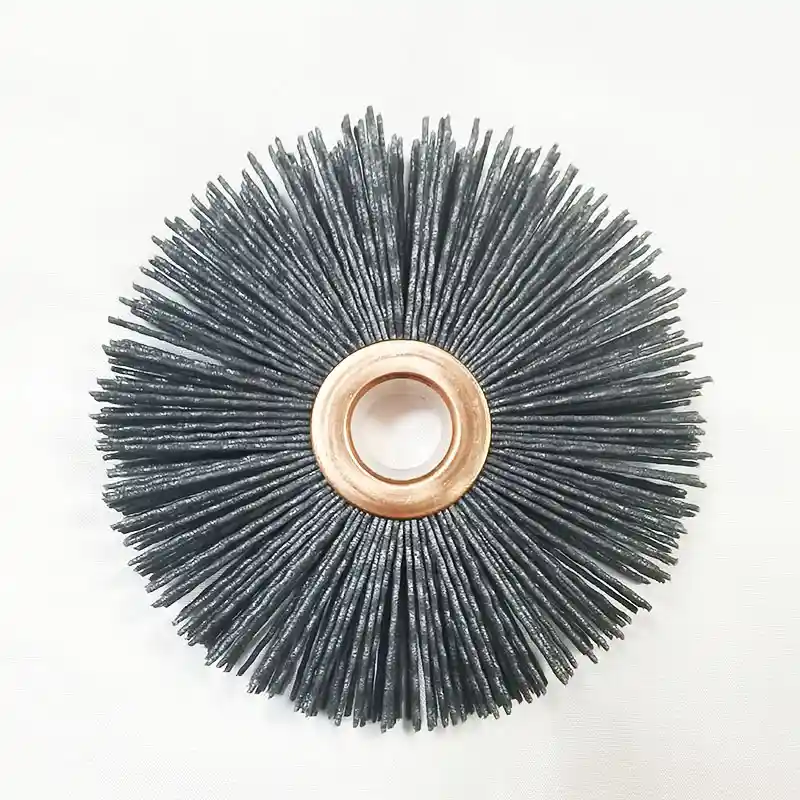
Customization permits bristle patterns tailored to specific PCB layouts. This boosts efficiency by targeting residue areas directly and reducing the need for extra passes. Standard options frequently fall short with complex boards that have varying component heights. Customized brushes provide superior contact and shorter cleaning cycles.
Oem brush services from our factory support these adaptations. Industrial brush supplier experience ensures consistent quality across orders. Manufacturing cleaning tools benefit from low MOQ samples that test fit before full runs. Our 16 years in production enable precise modifications for global clients.
Common Questions on Small Brass Brushes for PCB and Electronics Work
How do I safely clean PCB boards using brushes?
Ground the board and use a static free brush for safety. Apply light pressure in one direction to remove residue without spreading it. Inspect the surface after cleaning to confirm no damage. This step-wise approach protects delicate components during soldering residue removal. Always work in a clean environment to maintain results.
What brush material is best for electronics without causing damage?
Brass works best here because it strikes a balance that lets it clean without the scratching steel tends to cause. It also keeps static generation low, unlike nylon. This makes it a solid pick for sensitive electronics care where protecting components is key. It’s always wise to test on a small area first to confirm it fits the specific board.
Why choose small sized brushes for precision work in PCBs?
The small size lets these brushes get into narrow gaps on boards with lots of components packed together. That allows for targeted cleaning around the tiniest parts without bumping into anything else. As a result, there’s less risk of residue left behind creating problems later. Larger brushes just can’t get into those spots the same way during PCB work.
Expert Solutions for Your PCB Cleaning Needs
For expert small brass brush solutions tailored to electronics and PCB precision cleaning, reach out to Shanghai Huixi Trading Co., Ltd. Our 16 years of factory experience in Anhui combined with Shanghai trading support delivers ODM/OEM customization, low MOQ samples, and reliable global shipping. Contact +86 1580 0932 713 or [email protected] today.