
Ruian, a city in Zhejiang Province, has built its reputation around automotive components, with brake system manufacturing at the center of that identity. The concentration of brake pad, caliper, and ABS producers in this region creates a supplier ecosystem that few other Chinese manufacturing clusters can match for depth or specialization. For procurement teams evaluating Chinese brake suppliers, Ruian represents a sourcing option worth understanding before committing to any single vendor.
Why Ruian Dominates Chinese Brake Component Production
The city’s brake manufacturing cluster produces everything from entry-level replacement pads to precision-machined calipers for commercial vehicle applications. This density of competing manufacturers keeps pricing competitive while pushing quality standards upward. Shared supply chains for raw materials, heat treatment services, and testing equipment mean that even smaller Ruian producers can access capabilities that would require significant capital investment elsewhere.
What makes this cluster particularly interesting for international buyers is the R&D investment pattern. Collective spending on product development across Ruian brake manufacturers runs above 15% of annual revenue for many mid-tier suppliers, a figure that translates into measurable performance improvements. Over a three-year observation period, this investment produced roughly 10% gains in friction coefficient consistency and wear life across comparable product lines.
| Component Type | Common Materials | Typical Applications |
|---|---|---|
| Brake Pads | Ceramic, Semi-metallic | Passenger Cars, Light Trucks |
| Brake Calipers | Cast Iron, Aluminum Alloy | SUVs, Commercial Vehicles |
| Brake Discs | Gray Iron, Carbon Ceramic | High-Performance Vehicles |
The infrastructure supporting this cluster matters as much as the manufacturing expertise. Port access through Wenzhou and Ningbo keeps logistics costs manageable for export orders, while established freight forwarding relationships mean that most suppliers can quote landed costs rather than just FOB pricing.
How APES Functions as a Brake Supplier Screening Platform
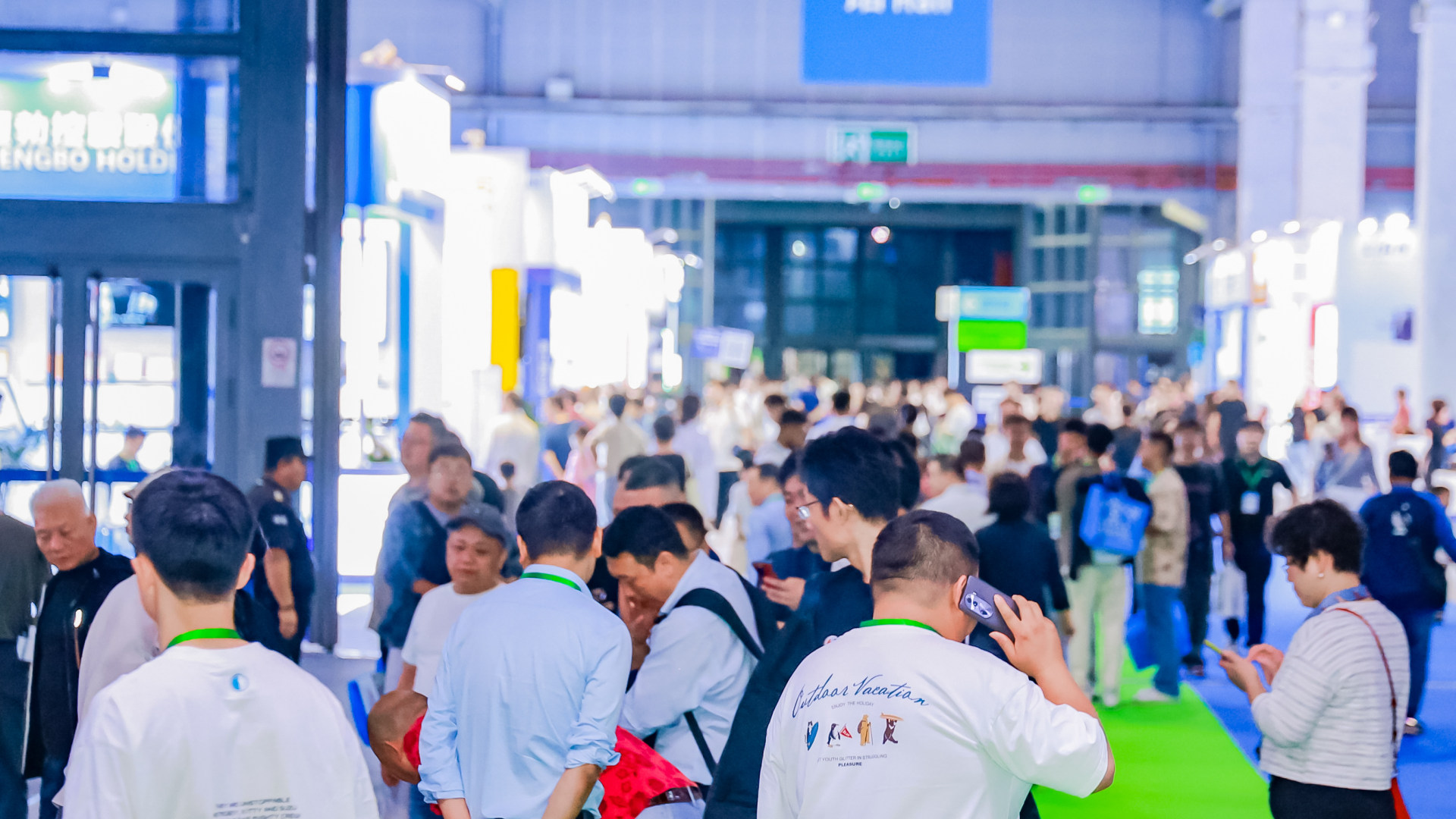
The APES exhibition operates as a concentrated screening opportunity for buyers who would otherwise need multiple factory visits to evaluate Ruian’s brake suppliers. The annual event brings together manufacturers who might not appear in standard B2B directories, including family-owned operations that supply major aftermarket distributors but maintain minimal online presence.
For purchasing managers working under time constraints, the exhibition format compresses what would normally be weeks of supplier identification into a few days of direct evaluation. Engineering teams can examine actual product samples, discuss material specifications with technical staff, and compare quality levels across competing suppliers without the logistical overhead of individual factory visits.
The networking value extends beyond initial supplier discovery. Existing relationships benefit from face-to-face meetings that resolve specification questions or quality concerns more efficiently than email chains. Suppliers who exhibit consistently at APES tend to view the event as a commitment signal to international markets, which can indicate longer-term reliability as a sourcing partner.
What Ruian Brake Manufacturers Gain from APES Participation
Exhibiting at APES gives Ruian brake manufacturers direct access to buyer feedback that shapes product development priorities. International purchasing managers bring different quality expectations and application requirements than domestic customers, and the exhibition environment facilitates the kind of detailed technical discussions that reveal these differences.
The competitive intelligence value is equally significant. Manufacturers can observe what competitors are promoting, identify gaps in the market, and adjust their product positioning accordingly. A supplier focused on semi-metallic pads might discover growing demand for ceramic formulations and accelerate their development timeline based on buyer conversations at the show.
Lead generation at APES tends to produce higher-quality prospects than general trade inquiries. Buyers who attend the exhibition have already committed time and travel budget to supplier evaluation, which correlates with genuine purchasing intent rather than casual information gathering.
Practical Steps for Maximizing Exhibition Results
Effective exhibition participation starts with defining what success looks like before the event opens. A manufacturer launching a new product line has different objectives than one seeking to expand into new geographic markets, and booth design, staffing, and follow-up processes should reflect those priorities.
Booth presentation matters more than floor space. A smaller booth with well-organized product displays and knowledgeable technical staff outperforms a larger space with generic marketing materials and sales representatives who cannot answer detailed specification questions. Buyers at automotive parts exhibitions expect to discuss tolerances, material certifications, and testing protocols, not just pricing.
Staff preparation deserves particular attention. Technical questions about friction coefficients, heat dissipation characteristics, or compliance with specific OEM standards require answers that build credibility. Hesitation or vague responses signal inexperience that experienced buyers notice immediately.
Lead capture systems need to distinguish between casual visitors and serious prospects. A simple qualification process during initial conversations helps prioritize post-show follow-up, ensuring that high-potential leads receive prompt attention while general inquiries get appropriate but less intensive responses.
Post-exhibition follow-up determines whether booth conversations convert into actual business. Leads that go uncontacted for more than two weeks after the show lose most of their value. Effective follow-up includes specific references to exhibition conversations, requested samples or documentation, and clear next steps for continuing the evaluation process.
Current Brake Technology Developments Appearing at APES
The exhibition floor reflects broader industry trends in brake system development. Lightweight materials continue to gain attention as vehicle manufacturers push for improved fuel efficiency and extended EV range. Aluminum caliper designs and composite disc materials appear more frequently each year, though adoption rates vary significantly by market segment.
Friction material formulations are evolving toward lower dust and noise characteristics without sacrificing stopping performance. Ceramic compounds dominate the premium segment, while semi-metallic formulations retain their position in applications where cost sensitivity outweighs NVH considerations.
Electronic integration represents perhaps the most significant long-term development direction. Brake wear sensors, ABS component improvements, and regenerative braking systems for hybrid and electric vehicles all feature prominently at recent exhibitions. These technologies require closer collaboration between brake component suppliers and vehicle electronics manufacturers, creating partnership opportunities that the exhibition environment facilitates.
Environmental compliance requirements are shaping material choices across all product categories. Copper-free friction materials, recyclable packaging, and manufacturing process improvements that reduce waste and emissions all respond to regulatory pressure in major export markets.
Evaluating Ruian Brake Suppliers Before Committing
Supplier qualification in the Ruian brake manufacturing cluster follows patterns familiar to experienced sourcing professionals, with some regional variations worth noting. Quality certifications provide a starting point, but the specific certifications that matter depend on target markets. IATF 16949 certification indicates automotive-grade quality management systems, while ECE R90 approval is essential for European aftermarket sales.
Factory audits reveal operational realities that certifications alone cannot capture. Production capacity, equipment condition, workforce skill levels, and inventory management practices all affect a supplier’s ability to deliver consistent quality at scale. Audits also identify potential risks around intellectual property protection, a concern that varies significantly across Ruian’s manufacturing base.
Sample evaluation should include testing under conditions that match actual application requirements. A brake pad that performs well in standard bench tests might behave differently under the temperature cycling or humidity exposure common in specific geographic markets. Suppliers who understand these application-specific requirements and can demonstrate relevant testing data build credibility faster than those who offer only generic performance claims.
Communication patterns during the evaluation process often predict long-term relationship quality. Suppliers who respond promptly, provide clear documentation, and proactively address potential concerns tend to maintain those behaviors after orders are placed. Delays, vague answers, or reluctance to share technical details during qualification typically signal problems that will recur during production.
Connecting with Ruian Brake Suppliers at APES
Pre-show preparation significantly improves the efficiency of supplier meetings at APES. The exhibition’s online directory allows buyers to identify specific companies and products before arriving, enabling targeted booth visits rather than random exploration. Pre-scheduled meetings ensure access to technical staff who might otherwise be occupied with other visitors.
Direct booth visits remain valuable even without prior appointments. Observing how a supplier presents their products, how their staff handles questions, and how they compare to neighboring exhibitors provides qualitative information that complements formal qualification processes.
Digital follow-up channels have become standard practice. Most exhibitors maintain WeChat accounts for ongoing communication, and many offer online platforms for sample requests, specification sheets, and quotation inquiries. These channels facilitate continued engagement after the exhibition ends, maintaining momentum toward actual purchasing decisions.
If your brake component sourcing involves Ruian suppliers or you are planning to evaluate options at APES, contact us at [email protected] or call +021-60280788 to discuss specific requirements.
Frequently Asked Questions
What specific advantages do Ruian brake manufacturers gain from exhibiting at APES?
APES provides Ruian brake manufacturers with concentrated access to international buyers who have already committed to supplier evaluation. The exhibition environment facilitates technical discussions that reveal market requirements, generates qualified leads with genuine purchasing intent, and allows competitive intelligence gathering that shapes product development priorities. For manufacturers seeking to expand beyond domestic markets, the event offers brand visibility that would require significantly more investment to achieve through other channels.
What brake technology developments typically appear at automotive parts exhibitions like APES?
Recent exhibitions have featured lightweight materials including aluminum calipers and composite disc designs, advanced friction formulations that reduce dust and noise, and electronic integration ranging from wear sensors to regenerative braking components for electric vehicles. Environmental compliance drives material innovation, with copper-free friction materials and sustainable manufacturing processes appearing more frequently. These developments reflect regulatory pressure in major export markets and evolving vehicle platform requirements.
How can international buyers effectively connect with Ruian brake suppliers at APES?
Pre-show research using the exhibition’s online directory identifies relevant suppliers and enables scheduled meetings with technical staff. Direct booth visits provide qualitative assessment opportunities even without prior appointments. Post-show engagement through digital channels maintains momentum toward purchasing decisions. Buyers who arrive with specific technical requirements and qualification criteria use their exhibition time more efficiently than those conducting general exploration. For assistance with exhibition planning or supplier introductions, reach out to us at [email protected].
If you’re interested, you may want to read the following articles:
- The Automotive Aftermarket Expo Brings Together Brake System Suppliers
- Quality Certification Requirements for Chinese Brake Component Exports
- Evaluating Manufacturing Clusters for Automotive Parts Sourcing
APES 2026 to Redefine Global Sourcing Landscape as Automotive Industry Eyes Resilient Future
Tomorrow World: Innovation Achievement Exhibition and Industry Future Forum