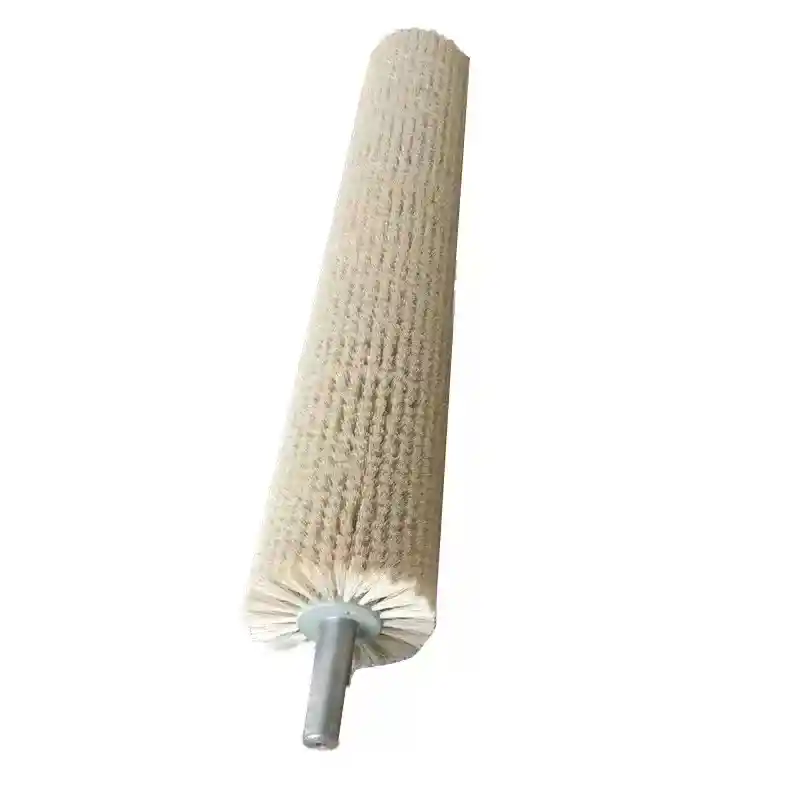

Industrial cleaning brush selection should start with operating conditions, not the drawing. Most buyers lock diameter, length, and bristle material first, then watch the industrial cleaning brush lose shape in two weeks because nobody confirmed surface speed, temperature, or chemical exposure. Treating the cleaning brush as part of the equipment changes that result. At Huixi Brush, the custom industrial cleaning brush orders that stay in service longest come from customers who send the failure mode and process limits with the drawing. That upfront specification work is the fastest route to a heavy duty brush that repeats.
Survival Conditions for a Heavy Duty Industrial Cleaning Brush
Most articles on industrial cleaning brushes start with bristle materials. I start with the process because the process decides whether any industrial cleaning brush material can survive. A brush that works on dry cardboard dust will fail quickly in a hot alkaline washdown line, even if the dimensions are identical. Heavy duty is not a bristle property. It is the match between the industrial cleaning brush construction and the specific surface, speed, chemical, and temperature conditions.
Before I quote a custom industrial cleaning brush, I ask four things: line speed, part material and surface condition, working temperature, and what the current brush looks like when it comes off. The last question matters most. A brush removed with bristle tips melted tells a different story than one with a snapped core or pulled fill. Matching the replacement to that failure mode is faster than starting from a catalog.
Bristle and Core Fill Choices That Extend Industrial Cleaning Brush Service Life
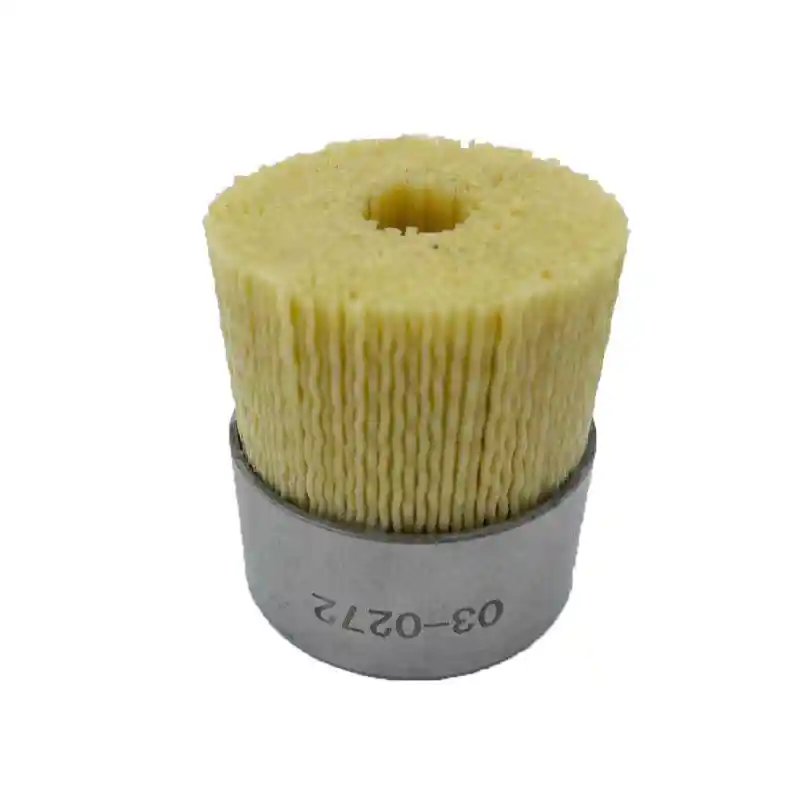
Bristle material should follow the contaminant and the substrate. For rust, scale, or weld slag on steel, crimped steel wire cuts aggressively but leaves a coarser finish. Knotted wire takes more load on heavy scale but may be too aggressive for tight clearances. Nylon with abrasive grit handles deburring and surface conditioning without removing parent metal as quickly as steel. The tradeoff for an industrial cleaning brush is temperature: synthetic filaments soften under heat, while steel takes heat better but may corrode in acidic washdowns.
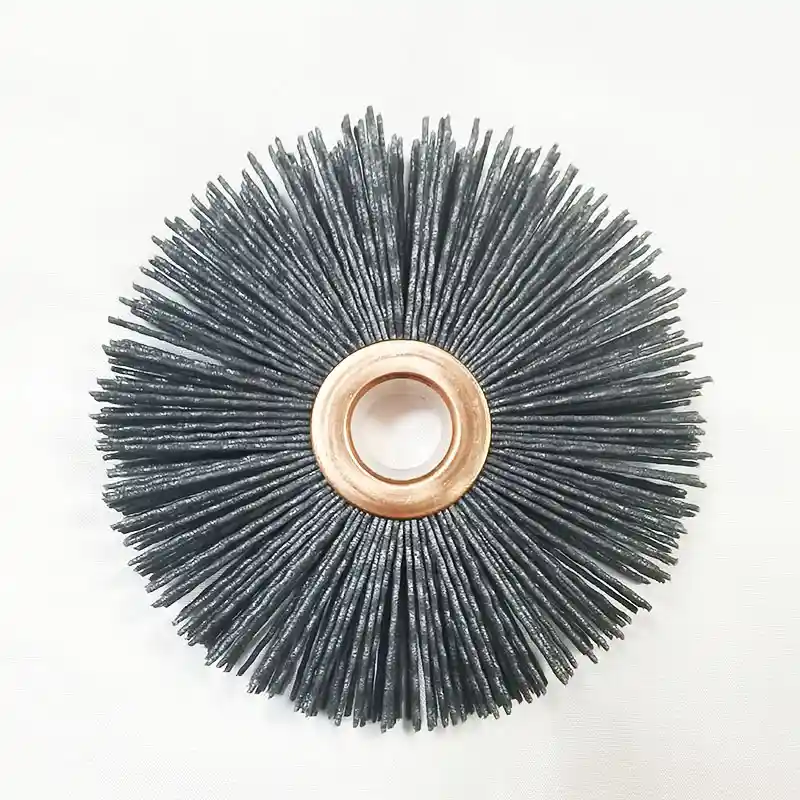
Core fill and shank design are where many buyers under-spec. A low cost industrial cleaning brush with a thin steel core can bend or flare at speed on a two meter roll. Solid hubs, balanced end plates, and proper set screws matter more than bristle length. If the brush is shaft mounted, the bore tolerance and keyway need to match the machine arbor, not just the brush diameter.
For synthetic fill on precision cleaning, <advantage of hx cylindrical nylon brushes> covers how abrasive nylon fill density and grit keep cutting action consistent without damaging the base surface.
If your cleaning line runs wet or carries abrasive slurry, confirm the core material and bearing arrangement before you finalize the bill of materials. Send the current industrial cleaning brush drawing and failure photo to [email protected], and we can check where the fill, core, or shaft connection needs to change.
Matching Industrial Cleaning Brush Construction to Equipment and Surface Speed
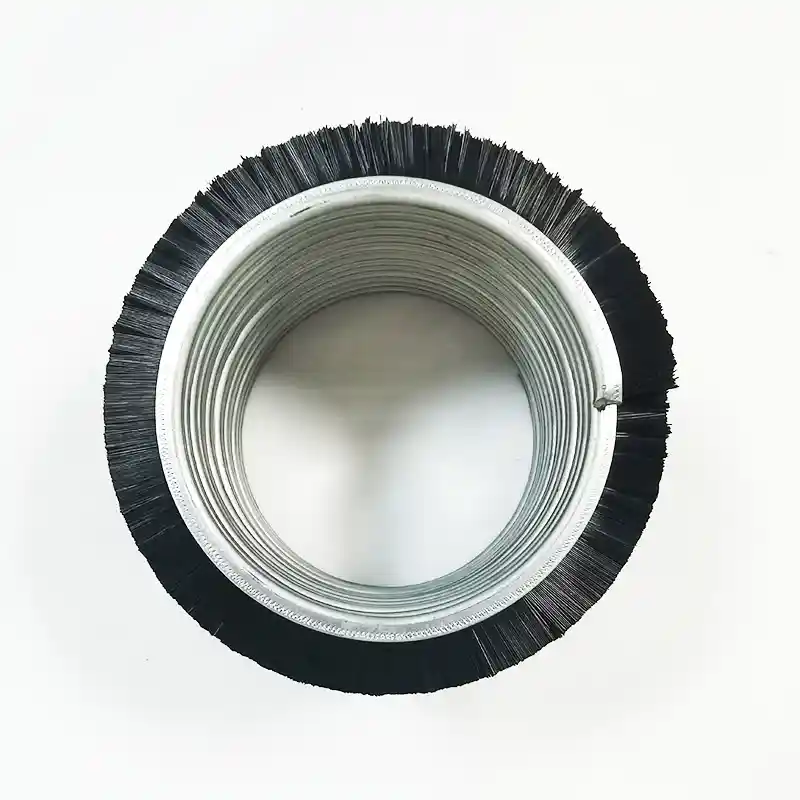
The same industrial cleaning brush may run well at 80 rpm on one line and fail at 400 rpm on another because surface speed, not rpm alone, governs how the filament tip strikes the substrate. For a cylindrical brush, effective surface speed comes from outside diameter and shaft speed. Larger diameters intensify tip impact and heat.
| Operating Condition | Construction Choice | Main Reason |
|---|---|---|
| Dry dust and light debris | Dense straight or crimped nylon fill, plastic core | Clears loose material without harming the base surface |
| Wet or alkaline washdown | Stainless steel fill or sealed core with chemical resistant nylon | Prevents rust on wire and hydrolysis in the core |
| Heavy rust and scale | Crimped steel wire, heavy gauge, steel core | High cut with enough flex to release scale |
| Abrasive slurry or fine particles | Abrasive nylon or stainless steel wire with open fill | Open spacing sheds slurry instead of packing |
| High speed roll cleaning | Balanced solid core, reduced outside diameter as needed | Controls tip speed, vibration, and heat buildup |
Wet and high temperature cleaning rolls fail differently from dry dust lines. <where stainless wire spiral brush can be used> covers why 304 and 316 stainless wire hold their profile better than carbon steel when the line runs wet or cycles through heat.
A cleaning roll that runs on a sheet line may need a spiral wrap because the twist distributes load across the full face instead of cutting only at the ends. The wrap direction also matters. In the wrong direction on a reversing line, it can unwind or pinch at the hub.
Confirmation Steps for Custom Industrial Cleaning Brush Orders
The most common failure we see in inquiry files is not a bad brush but an incomplete specification. The buyer sends a drawing with outside diameter and length, but leaves out the surface speed, the cleaning solution concentration, and the reason the previous brush was removed. That forces the supplier to guess, and guessing is where repeatability dies.
Before you place an order, send four things to [email protected]: the current brush drawing or photos, the machine speed and surface condition, the operating temperature and chemical exposure, and the failure you are trying to eliminate. If the brush runs in a wet line or on a coated part, also note the arbor size and mounting style. We will check the fill density, core construction, and balance so the replacement is specified for the process, not just copied from the old drawing. For urgent production stops, call +86 1580 0932 713 and ask for a replacement review.
Common Questions About Industrial Cleaning Brushes
How do I know whether stainless steel wire is required?
If the brush runs wet or in contact with food, washdown chemicals, or acidic residue, choose stainless steel. Carbon steel cuts well on dry rust but rusts quickly once water sits in the fill, and the corroded wire can shed red particles onto the workpiece. Stainless steel costs more, yet the higher initial price is less than the cost of a contaminated batch or weekly brush replacement. In dry descaling on plain steel, carbon steel usually performs well enough. In mixed wet and dry conditions, 304 stainless is the safer default.
Why does my nylon cleaning brush pack with debris after a few shifts?
The usual explanation is that the bristle is too soft, but packing often means the fill density is too high for the particle size. When filament spacing is tight, dust and slurry build up between rows and the brush stops cutting. Opening the trim width and reducing fill density lets the material release as the brush rotates. A small outside diameter or poor machine guarding can also force the filament to drag instead of flick. Match the free tip length and spacing to the debris size before changing the grit.
Is abrasive nylon worth the cost for an industrial cleaning brush?
It depends on what you need the brush to do. If the goal is corrosion removal or heavy scale, abrasive nylon is not the right tool because steel wire cuts faster and carries much more energy. If the goal is deburring, light surface blending, or removing paint and oxide without changing dimensions, abrasive nylon is often the better choice. It leaves a consistent fine finish, runs with controlled aggression, and lasts longer than plain nylon. Buyers who compare on price alone miss that lower cost per brush can turn into higher cost per finished part.
What should I send when I ask for a replacement brush quote?
In replacement inquiries we handle, the fastest quotes come from buyers who send the drawing plus the process data. I need the current outside diameter, overall length, bore or shank size, bristle material, and trim length if it is available. Then I need the line speed, working temperature, and chemical or moisture conditions. A photo of the used brush matters more than a long description because it shows whether the failure is tip wear, core bending, fill loss, or melting. Send those details to [email protected] and we can confirm the correct replacement specification before production begins.
If you’re interested, check out these related articles:
where stainless wire spiral brush can be used
abrasive disc brush an efficient tool for many applications
the differences between inward and outward spiral brush