
Choosing the right brush for industrial cleaning feels straightforward until you realize how much rides on getting it wrong. A contaminated wafer can scrap an entire production batch. A worn roller brush can leave streaks across thousands of parts before anyone notices. After years of working with manufacturers across semiconductors, metalworking, and precision assembly, the pattern becomes clear: the brush itself is rarely the problem. The mismatch between brush and application is.
This piece breaks down two fundamentally different brush technologies—wafer ring sweeping brushes built for nanometer-scale precision, and industrial roller brushes designed for throughput and versatility. Understanding where each excels helps avoid costly trial-and-error.
How Wafer Ring Sweeping Brushes Actually Work
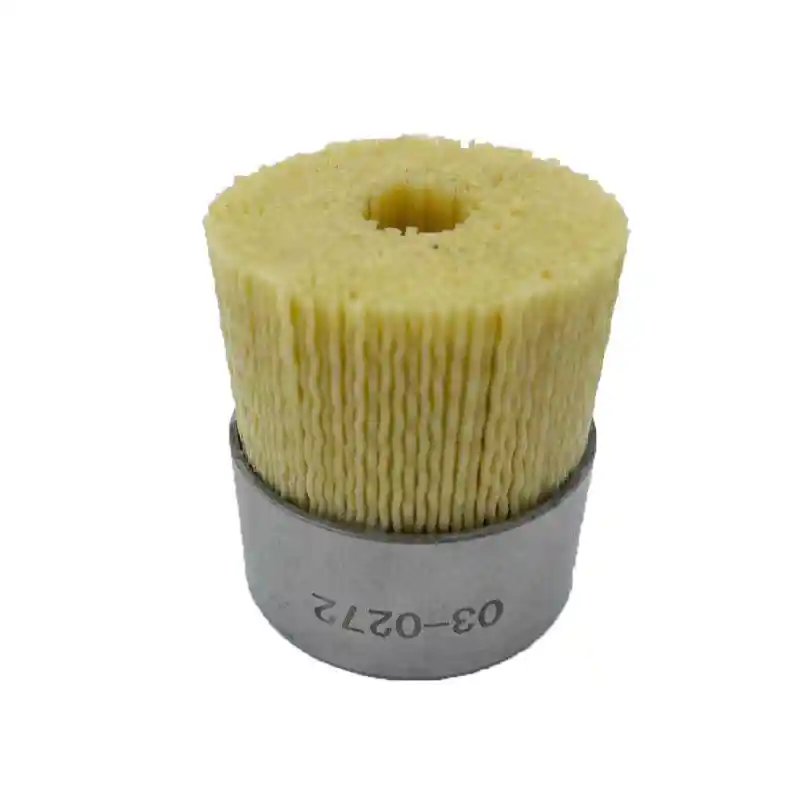
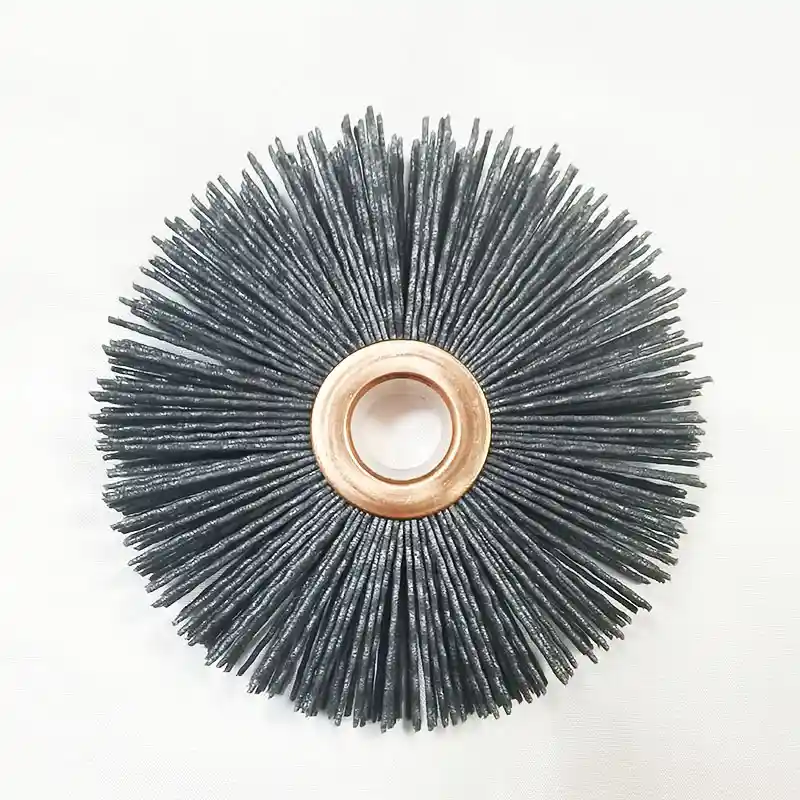
Wafer ring sweeping brushes exist because semiconductor manufacturing tolerates almost nothing. A single particle measured in nanometers can destroy a chip worth hundreds of dollars. These brushes are engineered around one principle: remove contamination without becoming a source of contamination themselves.
The bristles are typically ultra-fine polymers arranged in patterns that maximize surface contact while distributing pressure evenly. Too much pressure in one spot creates micro-scratches. Too little leaves particles behind. The geometry matters more than most people expect.
Static control is the other half of the equation. Silicon wafers attract particles electrostatically, so the brush materials and surrounding systems must dissipate charge continuously. Many setups integrate ionization alongside vacuum collection, pulling dislodged particles away before they can resettle. The entire process happens in cleanroom conditions where even the air is filtered to remove contaminants the human eye cannot detect.
Where Wafer Ring Brushes Make Sense
These brushes dominate in silicon wafer processing, where they clean surfaces before and after fabrication steps. Electronics assembly relies on them to prevent short circuits caused by microscopic debris. Optical component manufacturing and medical device production also use them—anywhere surface integrity directly determines whether the final product works.
The cost justification is simple. A wafer ring brush might seem expensive until you calculate what a single contaminated batch costs in scrapped product and delayed shipments.
Industrial Roller Brush Mechanics and Design Variables
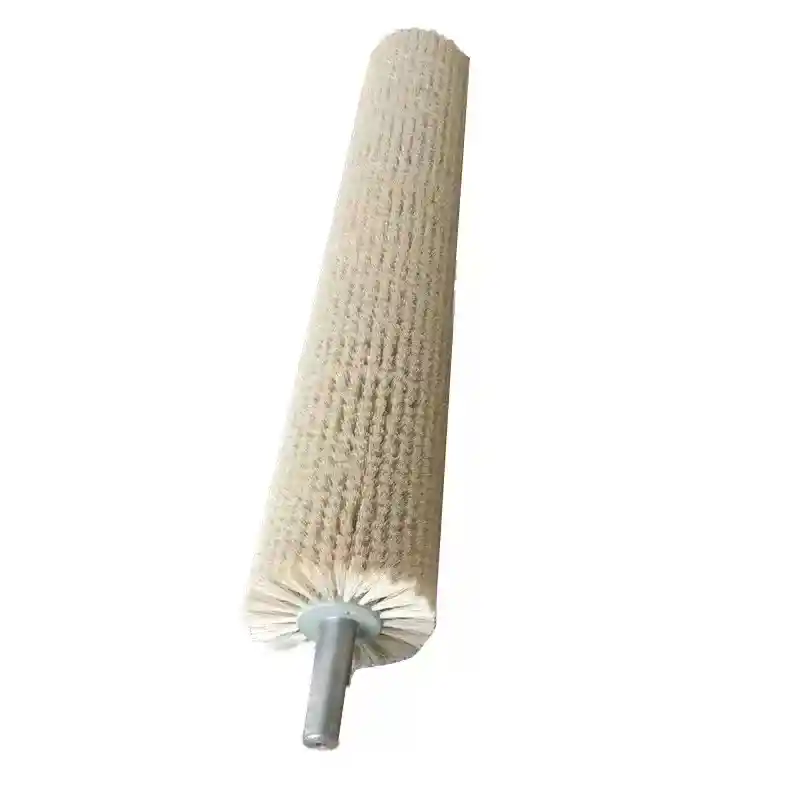
Industrial roller brushes solve a different problem. They need to clean large surface areas efficiently, often continuously, without requiring the controlled environment that wafer brushes demand. A cylindrical brush mounted on a conveyor system can process thousands of parts per hour with minimal supervision.
The design variables are brush density, bristle pattern, and filament material. Spiral configurations move debris in a specific direction. Tufted patterns provide more aggressive scrubbing. Staggered arrangements balance coverage with flexibility. The right combination depends entirely on what you’re cleaning and how aggressively you need to clean it.
Rotation speed and brush pressure interact in ways that aren’t always intuitive. Higher speed doesn’t automatically mean better cleaning—it can also mean faster wear and more heat generation. A wire brush roller removing scale from steel operates under completely different parameters than a soft-bristle roller dusting off glass panels.
Why Filament Material Matters More Than Most Realize
The brush materials question comes up constantly, and for good reason. Nylon bristles offer flexibility and resist most chemicals, making them a safe default for many applications. Polypropylene handles acids and bases that would degrade nylon. Wire brushes provide the abrasion needed for rust removal and heavy deburring, but they’ll destroy anything delicate.
Chemical resistance, temperature tolerance, and abrasion level form a triangle. Improving one property often compromises another. A filament that survives high temperatures might be too stiff for the surface you’re cleaning. This is where material selection becomes more art than science—experience with similar applications provides the best guidance.
Performance Differences That Actually Matter
The comparison between wafer ring sweeping brushes and industrial roller brushes isn’t really about which is better. It’s about which is appropriate.
Wafer ring brushes optimize for precision at the expense of throughput. They clean slowly and carefully because the cost of damage far exceeds the cost of time. The semiconductor industry measures contamination in particles per square centimeter, and acceptable levels are often in single digits.
Industrial roller brushes optimize for coverage and speed. A cylindrical spiral brush on a conveyor line might process hundreds of square meters per hour. The surfaces being cleaned—metal sheets, plastic components, textile rolls—can tolerate more aggressive contact. Brush pressure that would destroy a silicon wafer is perfectly appropriate for deburring aluminum castings.
| Feature | Wafer Ring Sweeping Brush | Industrial Roller Brush |
|---|---|---|
| Primary Function | Ultra-precision particle removal, surface integrity | General cleaning, deburring, polishing, surface prep |
| Target Surfaces | Silicon wafers, optical components, delicate electronics | Metals, plastics, textiles, larger industrial parts |
| Contamination Level | Extremely low (nanometer scale) | Moderate to high (visible particles, debris) |
| Surface Damage Risk | Very low (gentle contact, anti-static) | Low to moderate (depends on filament and pressure) |
| Throughput | Moderate (precision-focused) | High (large surface area coverage, continuous operation) |
| Cost-Effectiveness | Prevents high-value product defects | Reduces manual labor, improves process speed |
The table captures the fundamentals, but real-world selection involves more nuance. A medical device manufacturer might need roller brush throughput with wafer brush precision—that’s where hybrid approaches and custom configurations enter the picture.
Maintenance Realities for Both Brush Types
Brush wear follows predictable patterns, but only if you’re watching for them. Wafer ring brushes show degradation through increased particle counts on cleaned surfaces—the brush itself might look fine while its performance has already declined. Industrial roller brushes telegraph wear more obviously through flattened bristles and uneven cleaning patterns.
Replacement frequency depends on operating conditions more than calendar time. A brush running eight hours daily in an abrasive environment might need replacement monthly. The same brush in a lighter application could last six months. Tracking actual performance metrics beats following generic schedules.
Making the Selection Decision
Start with the substrate. What are you cleaning, and how sensitive is it to damage? A silicon wafer and a steel pipe require fundamentally different approaches regardless of what contamination you’re removing.
Next, consider the contaminant. Fine particles behave differently than oils, which behave differently than scale or burrs. A deburring brush needs abrasive filaments. A dust removal brush needs static control. Mixing these requirements leads to brushes that do neither job well.
The operating environment adds constraints. High temperatures limit polymer options. Chemical exposure narrows the field further. Throughput requirements determine whether a precision approach is even feasible.
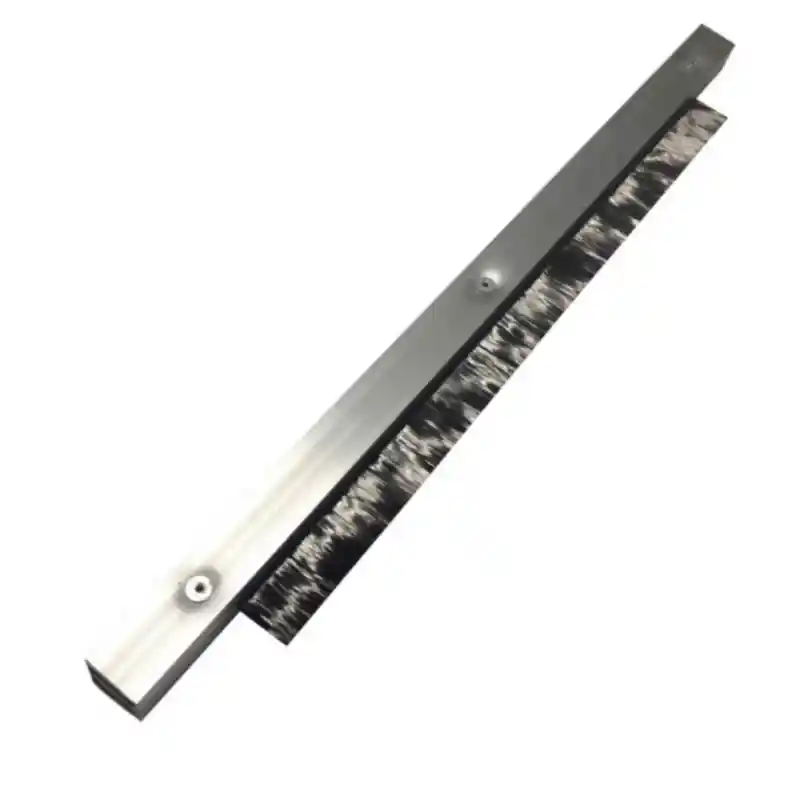
Custom brush solutions exist because standard products can’t cover every combination of these variables. A tube cleaning brush for heat exchangers faces different challenges than an industrial strip brush for conveyor edge sealing. A wire wheel brush for weld cleaning operates under different parameters than a solar panel cleaning brush designed for outdoor exposure.
The goal isn’t finding the perfect brush—it’s finding the brush that matches your specific process requirements without introducing new problems.
Where Brush Technology Is Heading
Material science drives most of the meaningful advances in industrial brush technology. New polymer blends offer better chemical resistance without sacrificing flexibility. Composite filaments combine properties that used to require choosing between different materials.
Sensor integration is emerging in higher-end applications. Brushes that monitor their own wear and signal when replacement is needed reduce both premature changes and overdue replacements. This matters most in automated cleaning systems where manual inspection isn’t practical.
Sustainability pressures are reshaping material choices. Recycled filaments and biodegradable options are entering the market, though performance parity with traditional materials remains inconsistent. The trajectory is clear even if the timeline isn’t.
Manufacturing precision continues improving. Tighter tolerances in filament bonding and brush configuration translate to more consistent performance across production runs. A brush that performs identically to its predecessor matters when you’ve optimized a process around specific parameters.
Frequently Asked Questions About Industrial Cleaning Brushes
What makes wafer ring sweeping brushes necessary for semiconductor manufacturing?
Semiconductor fabrication operates at scales where contamination invisible to the naked eye causes functional failures. Wafer ring sweeping brushes remove particles measured in nanometers while avoiding the micro-scratches and static discharge that would create new defects. Standard cleaning methods either miss particles this small or damage the surface in the process. The brushes are designed specifically for silicon wafer cleaning at every fabrication stage, and their cost is justified by the value of the products they protect.
How should manufacturers approach brush filament material selection?
Material selection starts with three questions: What chemicals will the brush contact? What temperatures will it operate at? How aggressive does the cleaning action need to be? Nylon bristles handle most general applications with good flexibility and chemical resistance. Polypropylene survives harsher chemical environments. Wire brushes provide aggressive abrasion for scale removal and deburring but will damage softer surfaces. Abrasive nylon brushes offer a middle ground for applications needing more bite than standard nylon without the aggressiveness of wire. The right choice balances cleaning effectiveness against surface compatibility and expected brush lifespan.
What maintenance practices actually extend brush lifespan?
Effective maintenance focuses on catching wear before it affects cleaning quality. For wafer ring brushes, this means monitoring particle counts on cleaned surfaces—performance degrades before visible wear appears. For industrial roller brushes, inspect for flattened or broken bristles and uneven wear patterns. Store brushes properly to prevent filament deformation. Clean accumulated debris promptly, using methods appropriate to the filament material. Track actual performance metrics rather than relying solely on calendar-based replacement schedules. Understanding what stresses your specific application places on brushes helps predict when intervention is needed.
Partner with Huixi Brush for Industrial Solutions
Partner with Shanghai Huixi Trading Co., Ltd. for unparalleled expertise in industrial brushes solutions. With 16 years of manufacturing excellence and a global presence, we specialize in providing custom, high-performance brushes tailored to your unique industrial cleaning, polishing, or deburring challenges. From precision wafer cleaning to heavy-duty industrial applications, our professional technical support, ODM/OEM services, and commitment to quality ensure optimal operational efficiency and surface integrity. Contact us today for a consultation or to discuss your specific brush requirements. Email us at [email protected] or call us at +86 1580 0932 713.
If you’re interested, check out these related articles:
where stainless wire spiral brush can be used
what you know about brass wire brush strip