Recombinant Human Activin A shapes how cells decide their fate. Working with this protein over the years, I’ve seen how even small differences in quality can shift an entire experiment’s trajectory. It belongs to the TGF-beta superfamily and acts as a master regulator of proliferation, differentiation, and tissue patterning. For anyone developing stem cell protocols or manufacturing cell therapies, the reliability of your Activin A source determines whether your results hold up across batches and across labs. This piece covers what makes this protein biologically significant, how production quality affects outcomes, where it gets applied, and what to look for when sourcing it.
Why Recombinant Human Activin A Matters at the Cellular Level
Recombinant Human Activin A is a dimeric protein that belongs to the transforming growth factor-beta (TGFs superfamily. This family includes some of the most consequential signaling molecules in developmental biology. Activin A works by binding to specific activin receptors on cell surfaces, which triggers a cascade inside the cell. The binding event causes receptor-regulated SMAD proteins to become phosphorylated. These phosphorylated SMADs then pair up with common-mediator SMADs and travel into the nucleus. Once there, they directly influence which genes get turned on or off. This SMAD signaling pathway gives Activin A precise control over cellular behavior.
The physiological reach of Activin A extends across multiple systems. It drives cell proliferation and differentiation in tissues throughout the body. During early embryonic development, Activin A acts as a potent inducer of mesendoderm differentiation, setting the stage for heart, gut, and pancreatic tissues. In reproductive biology, it influences ovarian follicle maturation and sperm production. Perhaps most relevant for modern research, Activin A helps maintain pluripotency in embryonic stem cells and induced pluripotent stem cells. When Activin A signaling goes wrong, the consequences can include fibrosis and certain cancers. These diverse roles explain why researchers need highly pure, biologically active recombinant Activin A. The protein’s specificity allows scientists to manipulate cellular processes with precision, advancing both basic biology and therapeutic development. 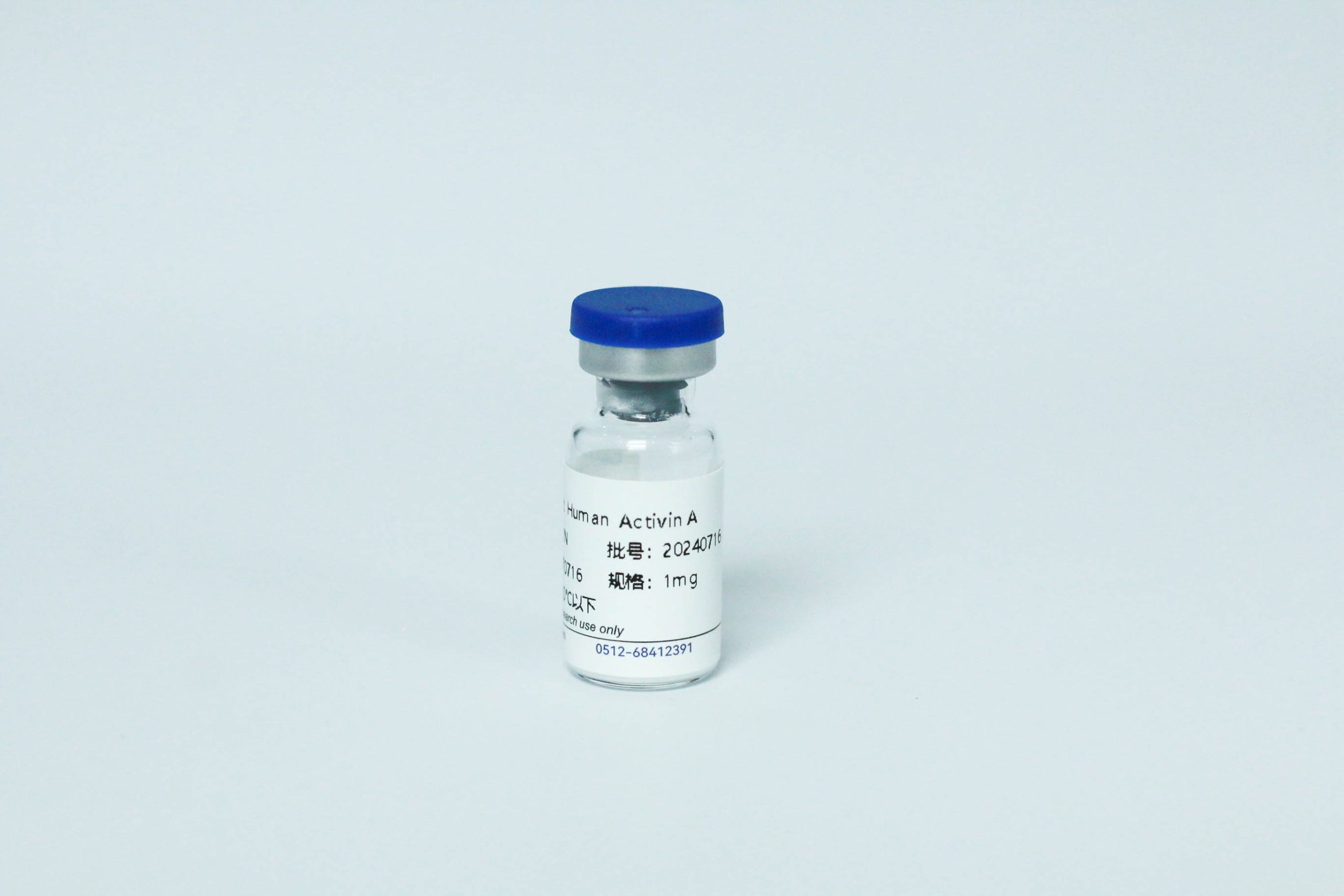
How Production Methods Determine Activin A Performance
Producing high-purity recombinant human Activin A demands careful engineering at every step. The process starts with recombinant protein expression in mammalian cell culture systems. Chinese Hamster Ovary cells remain the preferred host for complex human proteins like Activin A because they fold the protein correctly and add the right post-translational modifications. These modifications matter for biological activity. After expression, protein purification involves multiple chromatography steps. Affinity chromatography captures the target protein, ion-exchange chromatography removes charged impurities, and size-exclusion chromatography separates based on molecular weight.
Achieving high purity and biological activity requires quality control at each production stage. Analytical methods include High-Performance Liquid Chromatography and SDS-PAGE for purity assessment, mass spectrometry for identity confirmation, and endotoxin testing. Low endotoxin levels are non-negotiable. Research-grade material typically meets a threshold of 10 EU/mg or less, while GMP-grade requires even stricter limits. Batch consistency directly affects whether experiments can be reproduced and whether therapeutic applications meet regulatory standards. The East Mab Bio platform combines advanced bioreactors with optimized purification systems to achieve both quality and scale. Final products undergo lyophilization for stability during storage and shipping. This comprehensive protein manufacturing approach ensures that recombinant human Activin A performs reliably in demanding applications.
How Activin A Purity Affects Cell Culture Outcomes
The purity of Activin A has a direct impact on experimental results in cell culture. Even trace impurities can introduce experimental variability by triggering unintended signaling pathways or stressing cells. Residual host cell proteins might activate inflammatory responses. Endotoxin contamination can alter differentiation patterns in ways that obscure the actual biology you’re trying to study. When biological activity falls short of specifications, cells may not respond at expected concentrations, forcing researchers to use higher doses that don’t reflect physiological conditions. Lot-to-lot consistency and validated biological activity assay results are what make reproducibility possible. Without these quality benchmarks, interpreting cell behavior becomes guesswork. 
Where Recombinant Human Activin A Gets Applied
The biological properties of recombinant human Activin A make it useful across a broad range of biotechnology applications. Its function as a GFs that regulates cell growth and differentiation positions it at the center of advanced research and manufacturing.
In stem cell culture, Activin A serves as a foundational component. It maintains pluripotency in human embryonic stem cells (ESCs) and induced pluripotent stem cells (iPSCs) when used in defined media formulations. Beyond maintenance, Activin A guides directed differentiation of pluripotent cells into specific lineages. Mesendoderm and definitive endoderm represent key intermediate stages on the path to cardiac and pancreatic cell types. This controlled differentiation underpins regenerative medicine and disease modeling efforts.
Activin A also supports organoid development. These three-dimensional tissue structures recapitulate aspects of human organ function and serve as platforms for drug screening, developmental studies, and personalized medicine approaches. In cell therapy manufacturing, Activin A appears in cell culture media supplements designed to generate specific therapeutic cell populations while maintaining viability and function.
Applications extend beyond cell culture. In in vitro diagnostics (IVD), Activin A functions as a biomarker or assay reagent for reproductive health panels, oncology tests, and inflammatory condition assessments. Its role in fertility research includes studies of ovarian function and male reproductive health. In neuroscience research, Activin A influences neuronal differentiation and survival, offering potential insights into neurodegenerative diseases. The protein’s complex behavior in cancer research continues to attract investigation, as it can suppress or promote tumor growth depending on cellular context.
| Application Area | Primary Role of Activin A | Example Use Cases |
|---|---|---|
| Stem Cell Biology | Pluripotency maintenance, directed differentiation | iPSC/ESC culture, mesendoderm induction |
| Organoid Culture | Tissue patterning, morphogenesis | Gut organoid formation, brain organoids |
| Cell Therapy | Cell expansion, lineage specification | CAR-T cell manufacturing, pancreatic beta cell production |
| Regenerative Medicine | Tissue repair, disease modeling | Cardiac repair, neural regeneration |
| IVD | Biomarker, assay component | Fertility panels, cancer diagnostics |
| Neuroscience | Neuronal development, neuroprotection | ALS research, brain injury models |
Key Applications in Stem Cell Research
Recombinant Activin A plays a central role in stem cell research. It maintains stem cell pluripotency in both induced pluripotent stem cells (iPSCs) and embryonic stem cells (ESCs), preventing cells from drifting into unwanted differentiation states. When researchers want to push cells toward specific fates, Activin A directs stem cell differentiation along defined paths. Mesendoderm differentiation produces precursors for cardiac and pancreatic lineages. Neural differentiation protocols also incorporate Activin A at specific stages. These applications rely on specialized stem cell media formulations that deliver controlled cellular outcomes for regenerative medicine and disease modeling.
What to Look for When Sourcing Activin A
Research and development success depends on consistent access to high-quality raw materials. Strategic sourcing of recombinant human Activin A requires attention to several factors that affect project outcomes.
Product quality comes first. Researchers need high purity Activin A with verified biological activity to generate reproducible data. Contaminants or inactive protein waste resources and produce misleading results. Low endotoxin levels become especially critical for cell therapy applications and in vivo studies, where contamination can trigger immune responses that confound results. Stability and lot-to-lot consistency also matter. Reliable suppliers provide stability data and demonstrate consistent performance across production batches. This consistency reduces experimental variability and simplifies regulatory documentation.
Production capabilities and regulatory compliance deserve evaluation. Clinical applications require GMP-grade Activin A from manufacturers operating under Good Manufacturing Practices. Research-grade products with solid quality documentation work well for early-stage experiments. Suppliers offering bulk supply and custom protein services can accommodate projects as they scale from bench to clinical trials. Technical support adds value when selecting products, designing experiments, or troubleshooting unexpected results.
East Mab Bio operates a world-class platform with extensive experience in recombinant protein manufacturing. We provide high-quality recombinant human Activin A with stringent quality control, reliable supply, and comprehensive technical support. Our commitment to regulatory compliance and batch consistency makes us a dependable partner for critical research and development work.
Emerging Research Directions for Activin A
Scientific investigation of Activin A research continues to reveal new biological roles and potential applications. Studies exploring its involvement in inflammation and fibrosis suggest possible therapeutic targets for conditions like chronic kidney disease and pulmonary fibrosis.
Gene editing technologies are creating new opportunities to manipulate Activin A signaling pathways with precision, enabling finer control over cell fate for therapeutic purposes. Researchers are incorporating Activin A into disease models that support drug discovery and mechanistic studies. The protein’s effects on immune cell function are under active investigation, with potential implications for immunomodulatory therapies.
Several clinical trials are testing Activin A antagonists or agonists for muscle wasting disorders, certain cancers, and reproductive health conditions. These trials mark the protein’s transition from research reagent to potential therapeutic agent. Its role in personalized medicine is also emerging, as individual Activin A signaling profiles might guide treatment decisions. Regenerative medicine advancements will likely expand Activin A’s role in tissue engineering and repair. The protein’s potential as a biomarker discovery tool for tracking disease progression or treatment response remains an active research area. 
Partner with East Mab Bio for Your Activin A Needs
As a global leader in recombinant protein raw materials, Jiangsu East-Mab Biomedical Technology Co., Ltd. is your trusted partner for high-quality Recombinant Human Activin A. Leverage our world-class production platform, stringent quality control, and dedicated technical support to accelerate your research and development. Contact us today to discuss your specific requirements for GMP-grade or research-grade Activin A and explore how East Mab Bio can empower your next breakthrough. Reach us at +86-400-998-0106 or [email protected].
Frequently Asked Questions about Recombinant Human Activin A
What does Recombinant Human Activin A actually do in cell culture?
Recombinant Human Activin A belongs to the TGF-beta superfamily and serves two main functions in cell culture. First, it induces differentiation of stem cell types like iPSCs and ESCs into specific lineages, particularly mesendoderm and definitive endoderm. Second, it helps maintain pluripotency in certain stem cell media formulations. The protein’s signaling specificity enables controlled cellular development, which is essential for regenerative medicine protocols and developmental biology research.
How does East Mab Bio verify the quality and biological activity of its Recombinant Human Activin A?
East Mab Bio uses a recombinant protein production platform built around advanced mammalian expression systems and multi-step purification processes. Quality control includes biological activity assays, purity analysis through HPLC and SDS-PAGE, endotoxin testing, and stability studies. These measures ensure lot-to-lot consistency and reliable performance. The goal is to deliver Recombinant Human Activin A that produces consistent results across experiments.
Where can I get GMP-grade recombinant human Activin A for clinical work?
GMP-grade recombinant human Activin A for clinical and therapeutic applications is available from specialized manufacturers including Jiangsu East-Mab Biomedical Technology Co., Ltd. We offer GMP-compliant production with full traceability, stringent quality control, and regulatory support. This level of documentation and process control helps meet the requirements of clinical development programs.
Does Recombinant Human Activin A work in diagnostic assays?
Recombinant Human Activin A is increasingly used in in vitro diagnostic applications. It appears in assays for reproductive health, oncology markers, and inflammatory conditions. The protein’s specificity and biological activity make it a useful component for developing sensitive diagnostic kits. It contributes to accurate disease detection and monitoring across multiple clinical areas.
How should I store and handle Recombinant Human Activin A?
Recombinant Human Activin A typically ships as a lyophilized powder. Store it at -20°C to -80°C before reconstitution. After reconstituting, divide the solution into aliquots and store them at -20°C to -80°C. Avoid repeated freeze-thaw cycles, as these degrade protein activity over time. Always check the product-specific data sheet for exact storage conditions and handling recommendations.