Stepping into a store and catching a scent that makes you pause—maybe it’s warm vanilla near the entrance or something crisp and clean by a display—that moment of recognition sticks. It’s not accidental. Retailers have figured out that smell bypasses the logical brain and lands somewhere deeper, in the part that decides whether a place feels right before you’ve even looked at a price tag. Small diffusers make this kind of atmospheric control practical for spaces that don’t have the budget or infrastructure for elaborate systems, and the results tend to surprise people who haven’t paid attention to what their nose has been telling them all along.
Why Smell Matters More Than Most Retailers Realize
The olfactory system connects directly to the limbic brain, the region governing emotion and memory formation. This neurological shortcut explains why ambient scenting works as a retail tool rather than just a pleasant add-on. A well-chosen fragrance doesn’t simply mask stale air—it actively shapes how customers feel about being in your space, how long they stay, and what they remember afterward.
Brand identity built through scent creates differentiation that competitors can’t easily replicate. Visual merchandising gets copied within weeks. A signature aroma becomes part of the store’s personality in ways that photographs on social media can’t capture. The warm, buttery notes in a bakery signal comfort before anyone reads the menu. A clean, slightly ozonic scent in an electronics store suggests precision and modernity without a single word of copy.
Scent-Share has tracked these effects across 68 countries over the past decade, and the patterns hold remarkably steady across cultures. Customers exposed to brand-aligned fragrances report higher satisfaction scores, spend more time browsing, and show stronger purchase intent. The mechanism isn’t mysterious—positive emotional states reduce decision friction and increase openness to new products.
 ## Small Diffusers and the Art of Strategic Placement
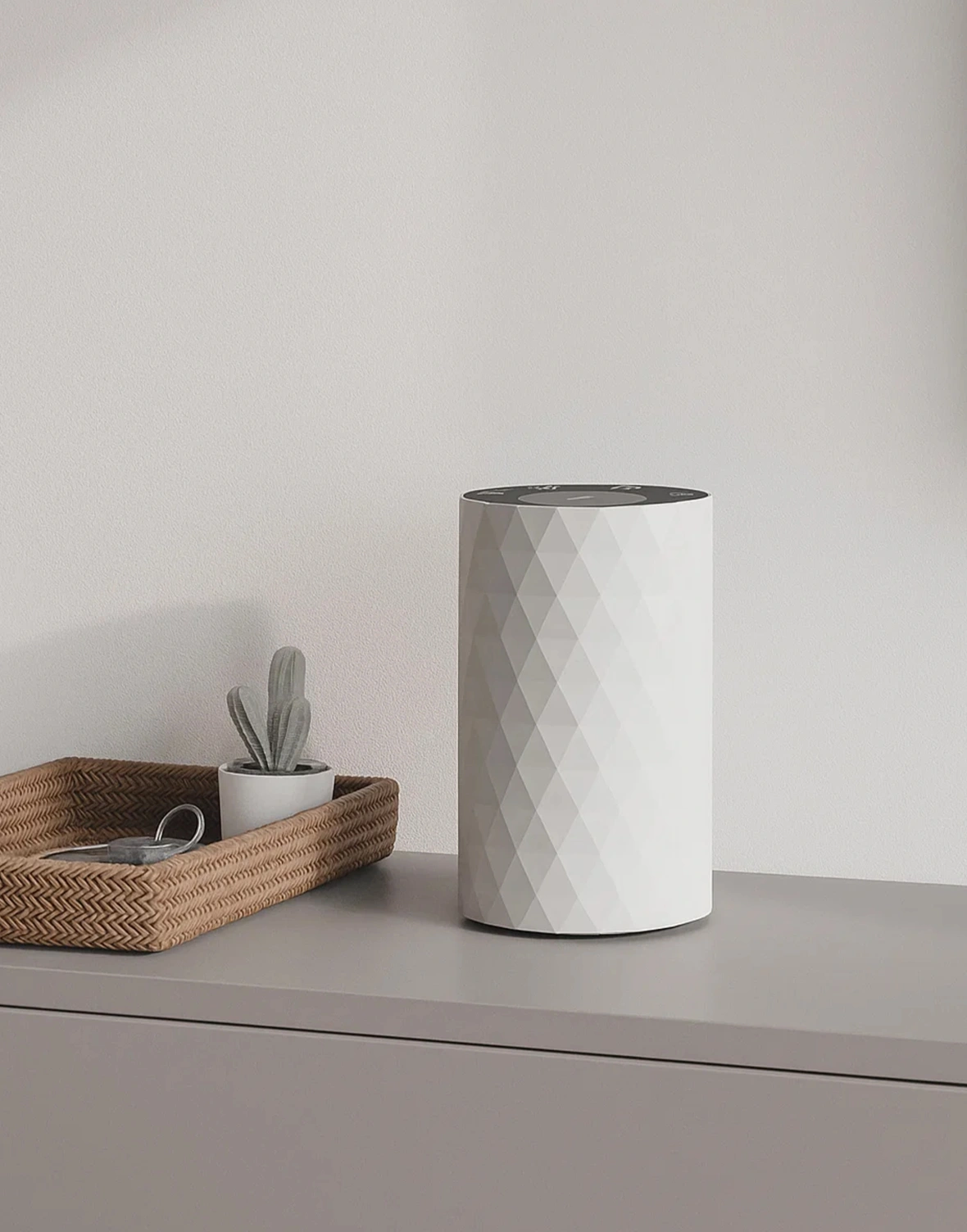
Compact diffusers solve a practical problem that larger HVAC-integrated systems can’t address: precision. Instead of flooding an entire floor with one scent, retailers can create distinct atmospheric zones. The entrance gets something welcoming and memorable. The clearance section might benefit from an energizing citrus note that encourages quick decisions. A premium display area could carry something richer and more sophisticated.
This zone-based approach directly influences foot traffic patterns. Customers naturally gravitate toward areas that feel more inviting, even when they can’t articulate why. Dwell time increases in scented zones, and extended browsing correlates with higher transaction values. The math isn’t complicated—more time in front of products means more opportunities for something to catch a shopper’s eye.
Impulse purchases respond particularly well to scent cues. A fresh, invigorating aroma near a new product launch creates curiosity and excitement. Seasonal promotions gain emotional resonance when the fragrance matches the occasion—pine and cinnamon during winter holidays, light florals in spring. These sensory signals reinforce promotional messaging at the point of sale, where decisions actually happen.
The flexibility of small diffusers makes them ideal for pop-up shops, temporary installations, and boutiques that need to adapt quickly. No construction required, no HVAC modifications, just strategic placement and the right fragrance selection.
Do Small Diffusers Actually Move the Sales Needle?
The short answer is yes, though the mechanism matters more than the outcome. Pleasant scents improve mood, and improved mood reduces the psychological barriers to spending. Customers in a positive emotional state browse longer, consider more options, and feel less resistant to impulse purchases.
The connection between dwell time and conversion rates is well-documented in retail analytics. Scent extends that dwell time without feeling manipulative—unlike aggressive salespeople or countdown timers, a pleasant aroma simply makes the environment more enjoyable. Transaction values tend to rise because relaxed customers explore more of the store rather than grabbing what they came for and leaving.
Client data from Scent-Share implementations consistently shows measurable sales lifts, though the magnitude varies by category, location, and baseline conditions. The effect compounds over time as customers associate the scent with positive experiences and return more frequently.
Which Fragrances Work Best for Different Retail Categories?
Scent selection requires alignment between fragrance character and brand positioning. A luxury boutique benefits from sophisticated woody or floral compositions that signal exclusivity. Electronics retailers do well with clean, modern notes that suggest innovation and precision. Food-adjacent businesses—cafes, bakeries, specialty grocers—can lean into gourmand aromas like vanilla, coffee, or fresh bread that trigger appetite and comfort associations.
The goal isn’t finding the objectively “best” scent but rather the one that reinforces what your brand already promises. A surf shop and a law firm shouldn’t smell the same, even if both want customers to feel welcome. High-quality essential oils and custom blends create signature scents that competitors can’t simply copy from a catalog.
Getting the Details Right: Placement, Rotation, and Maintenance
Effective fragrance diffusion depends on understanding how air moves through your space. Entrances make strong first impressions, but the scent needs to reach customers before they’ve already formed an opinion. Product displays benefit from targeted scenting, though the fragrance should complement rather than compete with the merchandise. A perfume counter doesn’t need additional ambient scent; a furniture showroom might.
Olfactory fatigue presents a real challenge. Noses adapt to constant stimuli, which means staff members often can’t tell whether the diffuser is working because they’ve stopped noticing. Regular scent rotation—changing fragrances seasonally or even monthly—keeps the aroma noticeable to repeat customers while preventing the “nose blindness” that makes expensive systems ineffective.
Maintenance requirements for small diffusers are minimal. Most units need periodic refills and occasional cleaning, nothing that requires specialized training. The simplicity makes them practical for small businesses without dedicated facilities teams.
When Do Small Diffusers Make More Sense Than Larger Systems?
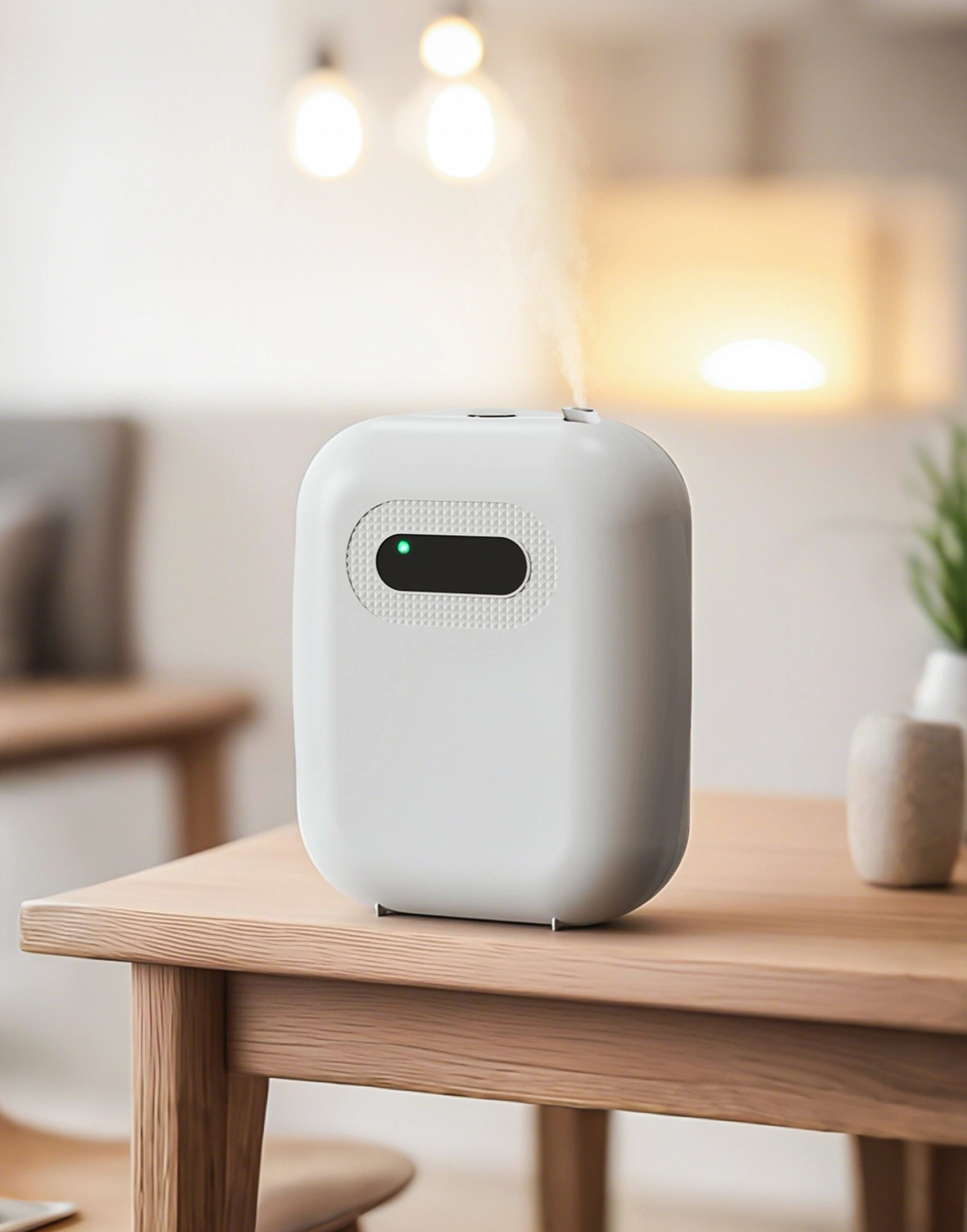
Scale and flexibility determine the right choice. Large department stores or shopping malls with centralized HVAC systems might benefit from integrated scenting solutions. But for boutiques, pop-up shops, or retailers who want zone-specific control, small diffusers offer advantages that bigger systems can’t match.
Installation happens in minutes rather than days. Costs stay predictable without major capital expenditure. Different areas of the store can carry different scents, creating variety and preventing the monotony that leads to olfactory fatigue. When promotions change or seasons shift, swapping fragrances takes seconds rather than requiring a service call.
The flexibility also supports experimentation. Retailers can test different scents in different zones, measure the results, and optimize based on actual customer behavior rather than guesswork.
Measuring What Matters: ROI Beyond the Obvious
Quantifying scent marketing impact requires looking at multiple data streams rather than expecting a single metric to tell the whole story. Sales data provides the most direct measure—changes in average transaction value, conversion rates, and repeat purchase frequency all reflect the cumulative effect of improved customer experience.
Customer feedback adds qualitative depth. Surveys and comment cards reveal whether shoppers consciously notice the scent and how it affects their mood. Social media mentions and online reviews sometimes reference atmosphere in ways that correlate with scenting initiatives.
Brand perception studies track longer-term effects. Does your store come to mind more readily when customers think about your category? Do they describe it in more positive terms? These shifts happen gradually but compound over time into meaningful competitive advantages.
| KPI Category | Specific Metrics | Measurement Method |
|---|---|---|
| Sales Impact | Sales Volume, Conversion Rates | POS data analysis |
| Customer Behavior | Dwell Time, Foot Traffic | In-store tracking, observation |
| Brand Perception | Brand Recall, Mood Scores | Surveys, focus groups |
| Engagement | Social Media Mentions, Reviews | Online analytics |
| Operational | Scent Consistency, Maintenance | Diffuser logs, staff feedback |
Finding the Right Equipment for Your Space
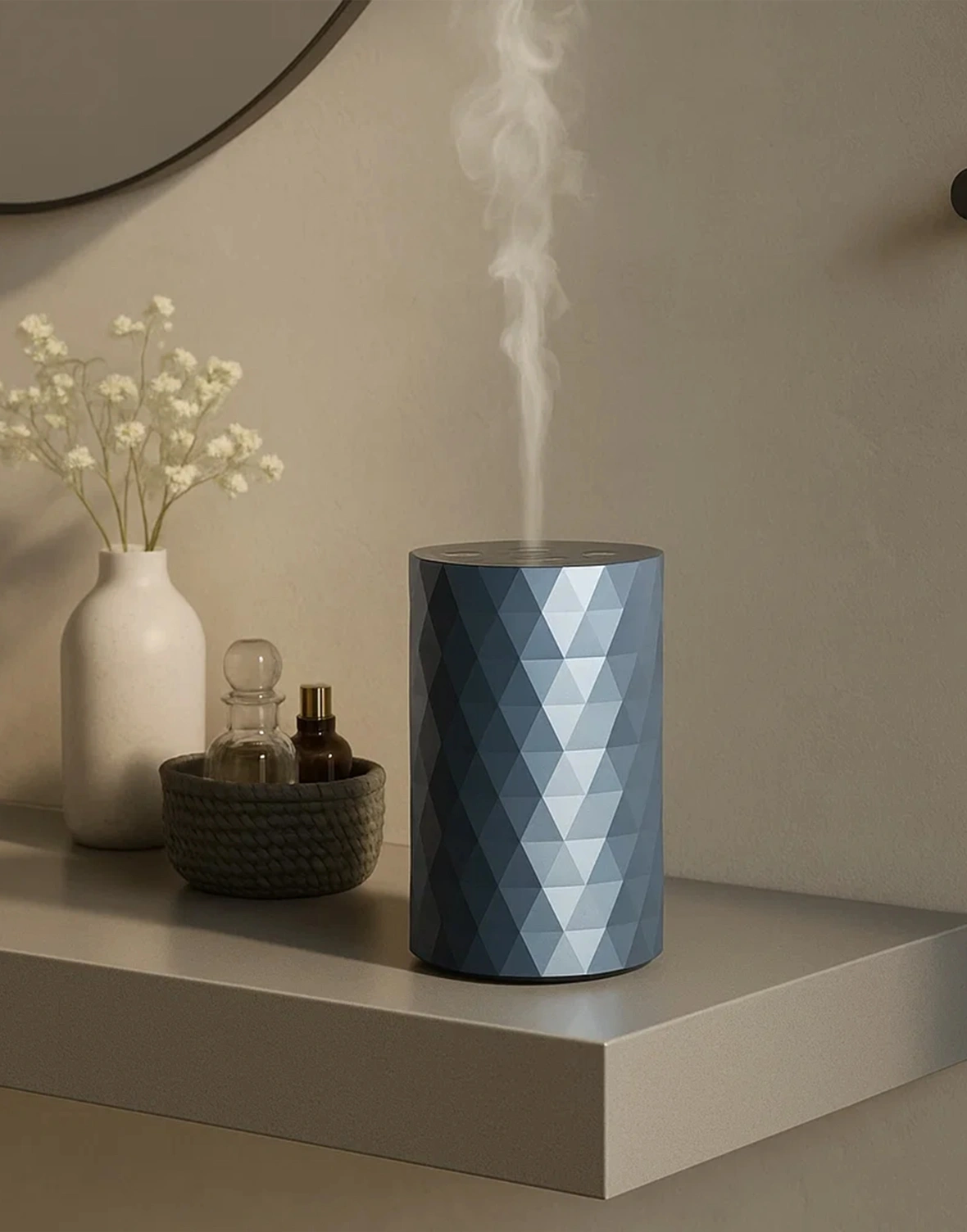
Diffuser selection depends on coverage area, power requirements, and control preferences. Scent-Share’s product range addresses different retail scenarios with purpose-built solutions.
The Scent-Share Battery Aroma Oil Dispenser Wall Mount Diffuser covers spaces up to 200m³ with flexible power options—battery or DC—making it suitable for locations without convenient outlets. The Home Aroma Air Diffuser Scent Machine (Mini) handles smaller areas up to 80m³ with touch controls and a design that doesn’t look industrial. For larger spaces requiring app-based scheduling, the Scent-Share Commercial Scent Oil Diffuser Bluetooth APP provides 300m³ coverage with 24/7 programmable operation.
Fragrance quality matters as much as hardware. Cheap oils smell cheap, and customers notice even when they can’t articulate the problem. Scent-Share maintains a library of over 300 fragrances and offers custom development for brands seeking truly distinctive signatures. The combination of reliable equipment and professional-grade scents creates results that justify the investment.
What Does Scent Marketing Actually Cost for a Small Store?
Budget concerns are legitimate, and the good news is that small diffuser systems scale gracefully. Initial investment covers the hardware and an initial fragrance supply. Ongoing costs involve refills and minimal maintenance—no specialized technicians, no service contracts, no infrastructure modifications.
Compared to traditional advertising channels, scent marketing offers an unusually favorable ratio of impact to cost. A monthly fragrance budget often runs less than a single social media ad campaign while delivering continuous, cumulative benefits. The return shows up in customer behavior metrics that directly affect revenue rather than vanity metrics that look good in reports but don’t move product.
Common Questions About Retail Scenting
Where Should Small Diffusers Go in a Retail Store?
Placement strategy follows customer flow and promotional priorities. Entrances create immediate impressions—the scent should reach arriving customers within their first few steps. High-traffic zones benefit from ambient scenting that makes the general environment more pleasant. Product-specific promotions call for targeted placement near the relevant displays.
Air circulation patterns matter. Diffusers positioned near HVAC vents distribute scent more effectively but may also dilute it faster. Corners and dead zones might need dedicated units. The goal is consistent coverage without overwhelming concentration in any single area.
How Often Do Commercial Diffusers Need Refilling?
Refill frequency depends on diffuser capacity, intensity settings, and operating hours. The Scent-Share Battery Aroma Oil Dispenser Wall Mount Diffuser holds 150ml and offers programmable operation to optimize consumption. Weekly checks ensure consistent scent quality, with actual refill intervals varying based on usage patterns.
Consistency matters more than intensity. A faint but steady fragrance works better than alternating between overwhelming and absent. Programmable diffusers help maintain that consistency without requiring constant manual adjustment.
Are There Health Concerns With Scent Diffusers in Public Spaces?
Scent-Share uses IFRA-certified fragrance oils formulated specifically for public environments. Proper ventilation remains important—scent marketing enhances atmosphere, not replaces fresh air. The concentrations produced by commercial diffusers fall well within safety guidelines for continuous exposure.
Sensitivity varies among individuals, and some customers may have fragrance allergies. Keeping scent levels moderate rather than aggressive reduces the likelihood of negative reactions while still achieving the desired atmospheric effect.
Elevate Your Brand’s Sensory Experience with Scent-Share
Discover how Scent-Share Technology’s decade of expertise and innovative scenting solutions can transform your retail promotions and customer engagement. With over 300 unique fragrances and a global presence in 68 countries, we provide professional, one-stop R&D, production, and service. Connect with our experts today for a personalized consultation and elevate your brand’s sensory experience. Call us at +86 185 6557 5758 / +86 134 2048 5758 or email [email protected].
If you’re interested, check out these related articles: