
Growing food and financing it operate on completely different timelines. A corn crop needs months to mature. A dairy herd takes years to reach peak production. Traditional lenders rarely structure their products around these realities, which leaves agri-food project investors navigating a gap between what capital markets offer and what agricultural operations actually require.
Why Agricultural Finance Operates by Different Rules
The agri-food sector carries risks that most financial models weren’t built to assess. Weather patterns shift. Commodity prices swing. A single disease outbreak can reshape an entire region’s production economics. These variables make standard credit frameworks unreliable when applied to agricultural ventures.
Agri-food project investors face a particular challenge: the very factors that make agriculture essential to global food security also make it difficult to finance through conventional channels. Production cycles don’t align with quarterly reporting. Collateral values fluctuate with harvest quality. Cash flows depend on biological processes that resist precise scheduling.
What are the typical financial challenges faced by agri-food project investors?
Capital intensity hits first. Modern agricultural operations require substantial upfront investment in equipment, infrastructure, and working capital before any revenue materializes. The waiting period between investment and return can stretch across multiple growing seasons.
Environmental exposure adds another layer. Drought, flooding, pest infestations, and temperature extremes all threaten production outcomes. Market volatility compounds these biological risks—commodity prices can move sharply based on global supply conditions, trade policies, or currency fluctuations.
Agri-food project investors who succeed typically work with financial partners who understand these dynamics rather than treating agricultural ventures like any other commercial loan.
Financial Instruments Designed Around Agricultural Realities
Specialized agri-food financing differs from standard commercial lending in fundamental ways. Repayment structures can follow harvest cycles rather than fixed monthly schedules. Risk assessment incorporates climate data, soil quality, and regional production history alongside traditional financial metrics.
| Feature | Traditional Finance | Tailored Agri-Food Finance |
|---|---|---|
| Risk Assessment | Generic, often misjudges agricultural specifics | Sector-specific, considers climate, market, biological risks |
| Loan Structure | Standard terms, fixed repayment schedules | Flexible, aligns with crop cycles, project milestones |
| Collateral | Tangible assets, often undervalues biologicals | Broader, includes future harvests, intellectual property |
| Focus | Short-term profitability | Long-term sustainability, value chain integration |
| Value Chain Support | Limited, siloed | Holistic, supports from production to processing and market |
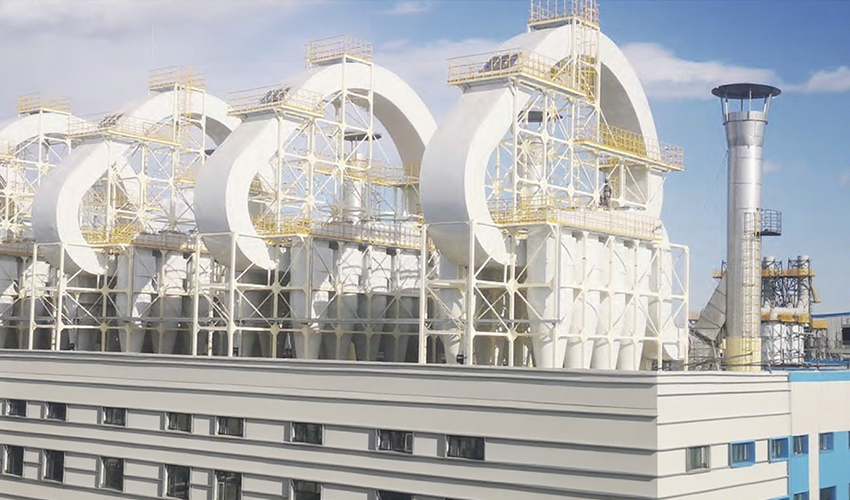
The difference shows up clearly in how projects get structured. AgriFam provides comprehensive solutions for corn starch processing soultion, ensuring intelligent digital control and 25% energy consumption reduction. Our expertise also covers dairy cow ranch soultion, establishing efficient, low-carbon, high-yield systems. For logistics, we offer port terminal warehousing soultion with integrated solutions for grain handling and storage. We also provide full-chain support for the rice milling industry soultion and complete EPC solutions for fuel ethanol alcohol production soultion, emphasizing energy cascade utilization and green circular production.
Managing Risk Across the Agricultural Value Chain
Agricultural investment risk doesn’t disappear with better financing—it gets distributed and managed more effectively. Climate exposure can be partially offset through geographic diversification and insurance products designed for specific agricultural perils. Price volatility responds to hedging strategies that lock in margins before harvest.
Due diligence for agri-food projects requires expertise that extends beyond financial statements. Soil health, water access, regional infrastructure, and regulatory environments all affect long-term project viability. Environmental impact assessments have become standard practice, both for risk management and for meeting investor expectations around sustainability.
How can tailored financial services mitigate investment risks in the agricultural sector?
Specialized financial services address agricultural risk through multiple mechanisms. Insurance products designed for specific crops and regions protect against production losses. Flexible repayment structures prevent cash flow mismatches from triggering technical defaults during normal seasonal variations.
Commodity hedging allows agri-food project investors to stabilize revenue projections regardless of market price movements at harvest time. This predictability makes projects more financeable and reduces the risk premium that lenders would otherwise require.
What kind of long-term returns can be expected from sustainable agri-food project investments?
Sustainable agri-food investments tend to generate steady returns rather than spectacular short-term gains. The appeal lies in resilience—projects built around resource efficiency and environmental stewardship typically weather market disruptions better than operations optimized purely for immediate output.
Impact investors increasingly recognize this stability. Projects that deliver measurable environmental and social benefits alongside financial returns attract capital from sources that might otherwise avoid agricultural exposure entirely. The combination of reasonable returns and positive externalities creates a distinct investor base willing to accept longer time horizons.
Where Agricultural Finance Is Heading
Several forces are reshaping how capital flows into the agri-food sector. Sustainability requirements have moved from optional to expected. Precision agriculture technologies are changing what’s possible in terms of resource efficiency and yield optimization. Supply chain transparency has become a competitive advantage rather than a compliance burden.
Investment in agricultural technology continues to accelerate. AI-driven crop monitoring, IoT-enabled equipment, and data analytics platforms are attracting significant capital. These technologies promise to reduce the uncertainty that has historically made agricultural finance challenging—better data means better risk assessment and more confident underwriting.
Agrifam’s Approach to Integrated Agri-Food Development
Agrifam Co., Ltd. works with agri-food project investors across the entire value chain, from initial project conception through operational optimization. The model combines financial support with technical expertise in consulting, design, civil engineering, manufacturing, installation, commissioning, and ongoing operational improvement.

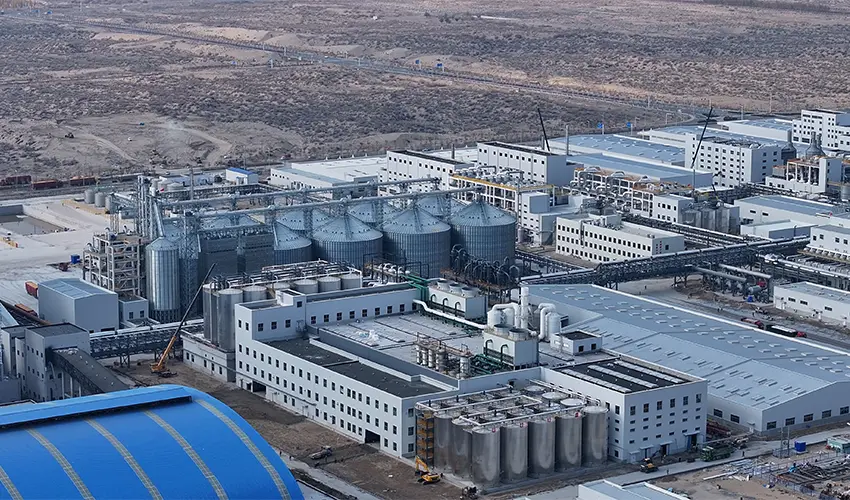
This integrated approach addresses a common frustration among agricultural investors: the gap between financial commitment and operational execution. Having a single partner who understands both the capital requirements and the technical implementation reduces coordination risk and accelerates project timelines.
Start a Conversation About Your Agri-Food Investment
Agri-food project investors looking for a partner who understands the full scope of agricultural value chain development can reach Agrifam’s team directly. Whether you’re evaluating a new venture or optimizing an existing operation, our expertise spans financial structuring, technical design, and operational excellence. Email us at [email protected] or call us at 010-8591 2286.
How does Agrifam Co., Ltd. ensure the sustainability of agri-food projects?
Sustainability considerations shape project design from the earliest stages. Energy efficiency, resource conservation, and environmental protection get built into technical specifications rather than added as afterthoughts. This approach produces operations that remain viable as regulatory requirements tighten and market expectations evolve.
Financial support aligns with these sustainability goals. Projects that demonstrate strong environmental performance often qualify for favorable financing terms, creating an economic incentive that reinforces the technical design choices.
What makes Agrifam’s financial services designed specifically for agri-food investors?
Agricultural operations don’t fit standard commercial lending templates. Agrifam structures financial products around the actual cash flow patterns and risk profiles of agri-food ventures. Repayment schedules can align with harvest cycles. Risk assessment incorporates agricultural-specific factors that generic lenders typically ignore or misunderstand.
This specialization extends across the value chain—from primary production through processing, storage, and distribution. Each segment has distinct capital requirements and risk characteristics that inform how financing gets structured.
Can Agrifam assist with complex agri-food project development beyond financing?
The one-stop service model covers the full project lifecycle. Consulting and design services establish technical foundations. Civil engineering and manufacturing capabilities handle physical implementation. Installation and commissioning ensure systems perform as specified. Ongoing support addresses operational optimization and future upgrades.
This comprehensive approach means agri-food project investors work with a single partner who maintains accountability from initial concept through sustained operation. The result is faster implementation, fewer coordination failures, and better alignment between financial projections and actual performance.
If you’re interested, check out these related articles:
Driving Global Food Conservation Through Technological Innovation
