
Sourcing auto parts directly from China can be a high stakes endeavor for global buyers. The traditional route of online catalogs and third party intermediaries often leads to price markups, inconsistent quality, and long lead times. However, exhibiting at China’s specialized auto parts trade shows—particularly those that aggregate key industrial clusters—offers a faster, more transparent path to factory direct deals. This guide draws on over a decade of exhibition marketing experience to show how you can leverage cluster focused events to diversify your supply chain, verify manufacturers on site, and secure competitive pricing without the middleman.
Industrial Cluster Exhibitions Maximize Sourcing Efficiency
Generic automotive trade fairs scatter suppliers across vast halls, forcing buyers to hunt for relevant manufacturers. In contrast, exhibitions that group manufacturers by regional industrial clusters save time and sharpen comparisons. China’s auto parts industry is deeply rooted in geographic hubs: Yuhuan (Zhejiang) alone supplies more than 70% of the country’s chassis components, Ruian dominates brake systems and suspension parts, Wenzhou is a center for automotive electronics, and Changzhou leads in lighting. When a single exhibition hall maps these clusters side by side, procurement teams can evaluate competing suppliers for the same component family in a morning rather than over months of fragmented communication.
| Generic Trade Show | Cluster Focused Exhibition |
|---|---|
| Scattered supplier locations | Geographically organized zones by manufacturing hub |
| Mixed product categories without clear focus | Deep specialization, for example one area for chassis and another for electronics |
| Limited vertical expertise among booth staff | Engineers and factory decision makers present |
| Higher risk of encountering trading companies instead of direct factories | Higher proportion of OEM/ODM manufacturers with production floors visible via video |
From my experience organizing major automotive events, the real value of an industrial cluster format lies in its multiplier effect: when five Yuhuan chassis manufacturers occupy adjacent booths, they compete on technical specs and price right in front of the buyer. This compression forces transparency and often leads to better terms than any single supplier negotiation could. More importantly, the proximity allows rapid A/B testing between a standard and a premium component simply by walking 20 meters.
Choosing the Right Auto Parts Exhibition for Your Supply Needs
Not every auto parts exhibition delivers equal sourcing value. The first filter should be the density of manufacturer exhibitors versus trading companies. A show that mandates proof of factory operations, such as a business license showing manufacturing scope, screens out intermediaries. APES Auto Parts Expo Shanghai, for example, enforces a factory direct participation standard, ensuring that over 85% of exhibitors are production enterprises rather than trading firms. This standard directly affects the reliability of your sourcing trip.
When aligning your sourcing categories with a show, examine the product zone map. If your product list includes NEV components like high voltage wiring harnesses or charging gun modules, an event that features dedicated zones for electric vehicle parts, as APES 2026 does, will concentrate suppliers you cannot find at general automotive fairs. I have seen procurement managers walk through APES’s predecessor events and source entire vehicle build of materials in two days because the segment specific layout eliminated the need to travel between distant booths. If your program involves specialized categories such as commercial vehicle parts or engine thermal management, it is worth confirming the exhibitor list beforehand to avoid misaligned expectations.
For a pre show exhibitor list that maps directly to your part numbers, contact our team at [email protected].
Effective Floor Tactics for Factory Direct Deals and Verified Suppliers
Once on the exhibition floor, a systematic approach separates a productive sourcing trip from a sightseeing tour. Before any technical discussion, request a visual walk through of the manufacturing facility via tablet or video. A legitimate manufacturer will readily show material inspection labs, forging presses, or CNC lines, not just finished products. I have seen buyers reject multiple candidates within 10 minutes because the booth staff could not produce a real time factory feed, indicating they were intermediaries.
Price discovery at a cluster exhibition works differently than in online negotiations. Because five brake pad manufacturers might occupy adjacent booths, you can quickly establish a reference price by comparing quotes at each booth. Ask for the FOB Shanghai price for a defined specification and annual quantity of 10,000 units. The competition will compress margins closer to factory gate levels. However, understand that sample quality products displayed at booths demand follow up. On site visual inspections reveal finishing quality, but a reliable supply agreement requires a factory audit after the show.
To verify claims about certifications like IATF 16949, ask to see the certificate number and cross check it against the IATF database online later. While most manufacturers at cluster centric shows hold valid certifications, verifying at the booth demonstrates due diligence and builds mutual respect. Always collect the production engineer’s business card, not just the sales lead’s, because engineering contacts prove valuable when facing technical issues during mass production.
Building Lasting Partnerships After the Exhibition
The days immediately following an exhibition are the most critical for converting leads into suppliers. Within 48 hours, send a structured follow up email summarizing the specs discussed, expected quantity, and a request for a formal quotation including packaging and shipping terms. Mention a tentative factory visit date to signal serious intent. I recommend arranging factory visits within two weeks of the show while memories are fresh and the supplier’s production line is still in standard operation, not cleaned up for a special tour.
Quality assurance must be embedded from the first trial order. Insist on a pre shipment inspection by a third party agency and require the supplier to share dimensional reports and material certifications. The best defense against quality drift is a transparent audit trail. In our experience helping hundreds of buyers transition from exhibition contacts to stable suppliers, those who invest in a dedicated QA engineer to monitor the first three productions achieve defect rates below 0.5%, far lower than the industry average for new relationships.
Your Path to Smarter Sourcing: APES 2026
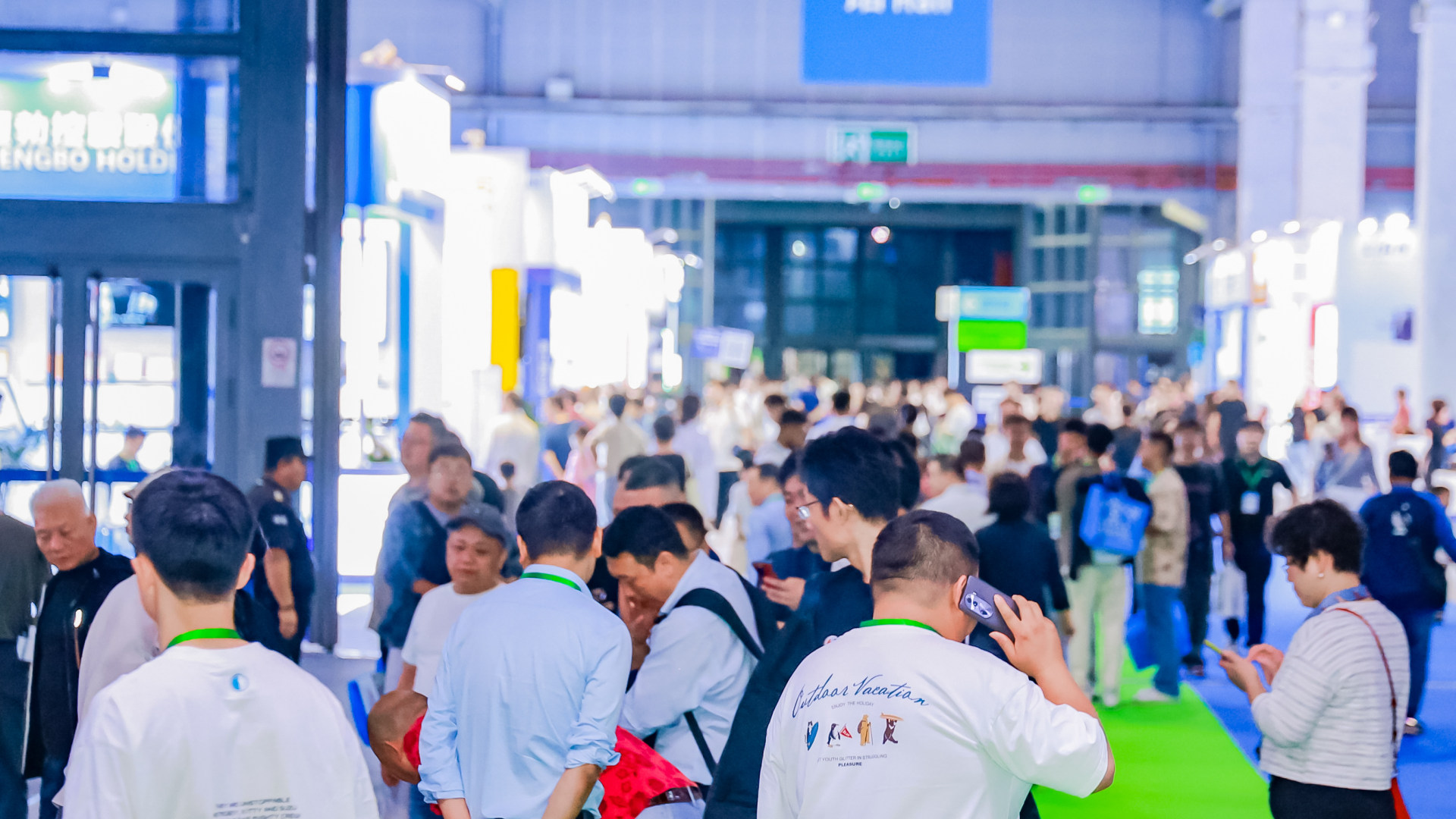
The most effective sourcing strategies combine access to concentrated manufacturing capability with rigorous on site verification. APES Auto Parts Expo Shanghai 2026 brings together over 1,200 exhibitors from 30 of China’s strongest auto parts clusters, creating a single venue opportunity to evaluate multiple qualified suppliers for each component in your bill of materials. To accelerate your sourcing process, we offer pre match services that connect your part numbers and quantity forecasts with appropriate manufacturer candidates before the exhibition opens.
Send your requirements to [email protected] or call +86-21-60280788, and our industry specialists will prepare a tailored matchmaking list. The right exhibition strategy turns sourcing from a fragmented exercise into a structured, efficient procurement pipeline.
Common Questions About Sourcing at China’s Auto Parts Exhibitions
How do I know if a supplier is a genuine manufacturer?
Request to see the factory’s business license during your discussion. The scope of business must list “manufacturing” as a primary activity. Additionally, a live video from the production floor showing ongoing operations is a strong indicator. Be wary of suppliers who only present product catalogues and polished samples without proof of their own tooling.
Will I get lower prices by visiting the factory directly instead of the exhibition?
Exhibition pricing can be as aggressive as factory gate because exhibitors compete in a concentrated environment. At a cluster heavy show, the presence of direct competitors at adjacent booths naturally drives prices toward production cost. After the exhibition, when you visit the factory, you can refine terms and negotiate logistics packages, but the initial price anchor established on site tends to hold.
Can I mix multiple product categories in one order from one supplier?
It depends on the manufacturer’s specialization. Most Chinese auto parts suppliers concentrate on one subsystem, such as braking, steering, or filtration, so a single order for brake pads and oil filters often requires two different manufacturers. However, some large groups produce multiple categories. The exhibition floor is the best place to identify cross category capabilities because you can speak with engineering directly.
How do I handle language barriers at the exhibition?
English proficiency among Chinese auto parts exporters has improved significantly, but technical details often require clear communication. I recommend bringing printed part numbers, specifications, and dimensions to avoid ambiguity. Many exhibitions, including APES, provide on site translator stations, and translator apps have become reliable for technical terms.
What shipping arrangements should I expect after sourcing at an exhibition?
Most manufacturers quote FOB prices, leaving the buyer responsible for ocean freight and import duties. However, several logistics firms exhibiting at the show can arrange consolidated container shipping if you source from multiple suppliers, saving up to 30% on freight costs. Discuss these options at the exhibition to lock in rates early. If you need assistance coordinating shipments from multiple exhibitors, our team can connect you with trusted logistics partners—reach out at [email protected].
If you’re interested, check out these related articles:
APES 2026 to Redefine Global Sourcing Landscape as Automotive Industry Eyes Resilient Future
Tomorrow World: Innovation Achievement Exhibition and Industry Future Forum