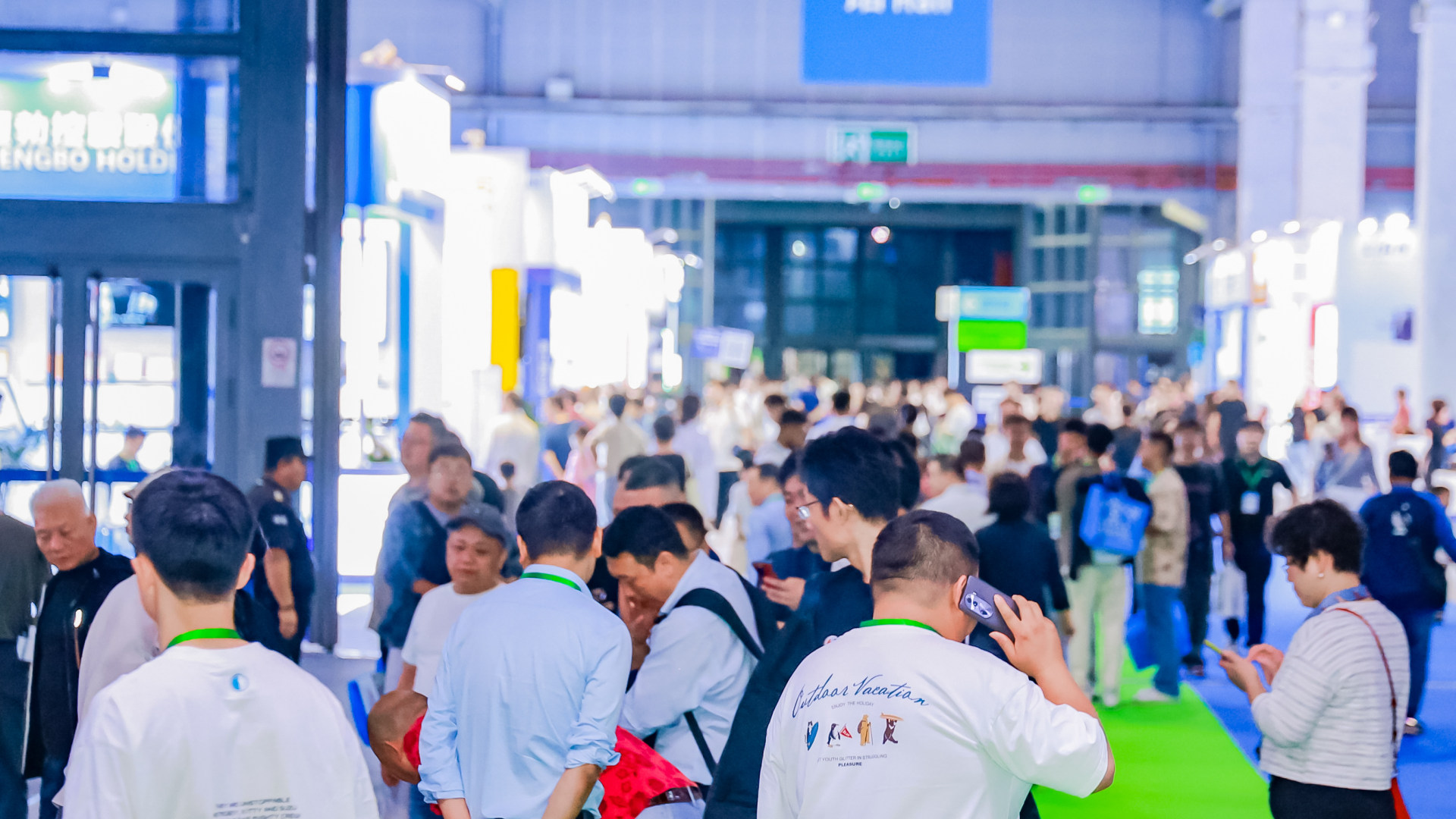

The Shanghai Auto Show runs every two years and draws the global automotive industry to one venue. For suppliers, component manufacturers, and OEMs evaluating the Chinese market, it compresses months of relationship-building into a few days of concentrated access. The 2025 edition at the National Exhibition and Convention Center will feature over 1,500 exhibitors across 360,000 square meters, with new energy vehicles occupying roughly 40% of floor space. What happens here shapes sourcing decisions, partnership structures, and product roadmaps for the next cycle.
Why the Shanghai Auto Show Sets the Pace for Global EV Strategy
The show functions as a live benchmark for electric vehicle development timelines. Chinese OEMs now launch production-ready models at Shanghai that reach European and Southeast Asian markets within 18 months. For international suppliers, this compresses the window to secure design-in positions.
Battery technology announcements at the 2023 edition included solid-state prototypes from CATL and BYD’s second-generation Blade Battery with 15% higher energy density. These specifications became procurement requirements for Tier 1 suppliers within two quarters. The 2025 show is expected to feature production-intent 800V architecture platforms from at least six domestic manufacturers, which will drive demand for compatible charging infrastructure and thermal management components.
| Trend Category | 2023 Show Highlight | Downstream Impact |
|---|---|---|
| Battery Chemistry | Solid-state prototypes, sodium-ion production cells | Shifted R&D budgets toward solid-state partnerships |
| Charging Architecture | 800V platforms from multiple OEMs | Accelerated SiC component sourcing timelines |
| Autonomous Systems | L3 highway pilot systems with regulatory approval | Created demand for redundant sensor suites |
| Digital Cockpit | Qualcomm 8295 integration across 12 models | Standardized compute platform expectations |
The scale of the Chinese market means that technologies validated here become global baseline requirements. A battery management system that meets BYD’s specifications will satisfy most European OEM requirements with minimal modification. This makes Shanghai the proving ground where component suppliers establish credibility before approaching Western customers.
What International Exhibitors Actually Need to Secure Before Booth Selection
Exhibition space at the National Exhibition and Convention Center operates on a tiered allocation system. Hall assignments depend on exhibitor category, historical participation, and submission timing. Premium positions in Halls 1 through 4, which house the major OEM displays, require applications 10 to 12 months before the show opens.
For component suppliers and technology providers, Halls 5 through 8 offer better foot traffic from procurement teams. These visitors arrive with specific sourcing mandates rather than general curiosity. A booth in Hall 6.1, adjacent to the EV powertrain section, generated 47 qualified leads for a German thermal management supplier in 2023, compared to 12 leads from a larger booth in a general automotive hall in 2021.
Customs clearance for display vehicles and functional prototypes requires documentation submitted 60 days before the show. The Shanghai Customs District applies specific tariff codes for temporary exhibition imports, and errors in classification can delay clearance by two weeks. Functional prototypes containing lithium batteries face additional safety certification requirements under GB 38031-2020.
Freight forwarding to the venue follows a scheduled delivery window. The convention center assigns unloading slots by hall and booth size, with priority given to larger exhibitors. Missing your assigned window means waiting 24 to 48 hours for the next available slot, which compresses setup time and increases labor costs.
How to Convert Auto Show Presence into Qualified Pipeline
A booth at Shanghai generates visibility. Converting that visibility into business requires a different set of activities that most first-time exhibitors underestimate.
Pre-show outreach to target accounts should begin 90 days before the event. Chinese OEM procurement teams schedule their meeting calendars 4 to 6 weeks in advance. Waiting until the show opens to request meetings means competing with hundreds of other suppliers for the same 30-minute slots. A European battery connector manufacturer we worked with in 2023 secured 22 pre-scheduled meetings by sending technical documentation packages to procurement contacts in February for the April show. Their competitors who relied on walk-up traffic averaged 6 meetings over the same period.
Booth staffing decisions affect lead quality. Technical engineers who can discuss specifications in Mandarin generate deeper conversations than sales representatives working through interpreters. If your team lacks Mandarin-speaking technical staff, consider hiring local engineering consultants for the show duration. The cost of a qualified interpreter with automotive background runs approximately 2,500 to 3,500 RMB per day, which pays for itself in the quality of conversations captured.
Lead capture systems need to accommodate WeChat integration. Business card exchange remains common, but Chinese procurement professionals increasingly prefer adding contacts directly to WeChat during conversations. A booth without a visible WeChat QR code misses a significant portion of potential follow-up channels.
If your organization is evaluating whether Shanghai fits your market entry timeline, it is worth discussing booth positioning and pre-show outreach strategy before committing to exhibition space.
Which Technologies Will Drive Procurement Conversations in 2025
The 2025 show will reflect three technology shifts that are already reshaping supplier qualification processes.
Silicon carbide power electronics have moved from premium applications to mainstream adoption. BYD, NIO, and XPeng all announced expanded SiC integration in 2024 production models. Suppliers without SiC capability in their portfolio will face questions about roadmap timelines from every major OEM meeting.
Integrated thermal management systems that combine battery cooling, cabin climate control, and motor cooling into unified architectures are becoming standard requirements. The complexity of these systems creates opportunities for suppliers who can demonstrate validated integration experience rather than component-level capability alone.
Software-defined vehicle platforms are shifting procurement relationships. OEMs are increasingly seeking suppliers who can deliver functional software alongside hardware, particularly for ADAS sensor modules and digital cockpit components. A radar supplier who can only deliver hardware faces competition from integrated solution providers who bundle perception algorithms with sensor packages.
| Technology Area | Procurement Requirement Shift | Supplier Qualification Impact |
|---|---|---|
| Power Electronics | SiC as baseline, not premium option | Suppliers without SiC face roadmap questions |
| Thermal Systems | Integrated architecture over discrete components | Integration experience becomes differentiator |
| ADAS Sensors | Hardware plus software bundles | Algorithm capability required for shortlist |
| Battery Systems | Cell-to-pack and cell-to-chassis designs | Structural integration expertise valued |
What the Hybrid Exhibition Format Means for Companies Not Attending Physically
The Shanghai Auto Show has expanded its digital infrastructure since 2021. Live-streamed press conferences, virtual booth tours, and online meeting scheduling platforms extend the event’s reach beyond physical attendees. For companies unable to secure booth space or justify travel costs, these channels offer partial access to the same audience.
The limitations are real. Virtual booth tours generate approximately 15% of the engagement metrics compared to physical presence. Online meeting requests from unknown companies receive lower response rates than in-person introductions. The digital platform works best as a supplement to physical presence or as a reconnaissance tool for companies planning future participation.
Shanghai’s position as an automotive hub extends beyond the show itself. The city hosts R&D centers for 23 of the top 25 global automotive suppliers, along with the headquarters of SAIC, NIO, and numerous EV startups. Procurement teams based in Shanghai continue sourcing activities year-round, which means relationships initiated at the show can develop through local follow-up meetings in the months afterward.
Frequently Asked Questions
When should international exhibitors begin Shanghai Auto Show planning?
Start 10 to 12 months before the show opens if you want competitive booth positioning. Premium hall assignments close 8 months out, and customs documentation for display items requires 60-day lead time. Companies beginning the process 6 months before the show typically end up in secondary hall locations with compressed setup schedules.
What makes the Shanghai Auto Show valuable for international automotive suppliers?
Direct access to Chinese OEM procurement teams who control some of the largest vehicle production volumes globally. A single show concentrates decision-makers from BYD, SAIC, Geely, NIO, XPeng, and Li Auto in one venue over five days. The alternative is months of individual outreach to schedule comparable access.
How do exhibitors measure success at the Shanghai Auto Show?
Qualified lead count and meeting conversion rate matter more than total booth traffic. A successful exhibition generates 25 to 40 qualified leads with clear next steps, typically technical review meetings or sample requests. Booth visitors who take brochures but provide no contact information do not contribute to pipeline.
What preparation ensures an exhibition stand reaches the right procurement contacts?
Pre-show outreach to named contacts at target OEMs, technical documentation translated into Mandarin, and booth staff who can discuss specifications without interpretation delays. Walk-up traffic alone rarely includes senior procurement decision-makers, who schedule their time in advance.
For detailed planning support on Shanghai Auto Show participation, contact HUAMO EXPO at [email protected] or +021-60280788.
If you’re interested, check out these related articles:
Tomorrow World: Innovation Achievement Exhibition and Industry Future Forum
APES 2026 to Redefine Global Sourcing Landscape as Automotive Industry Eyes Resilient Future