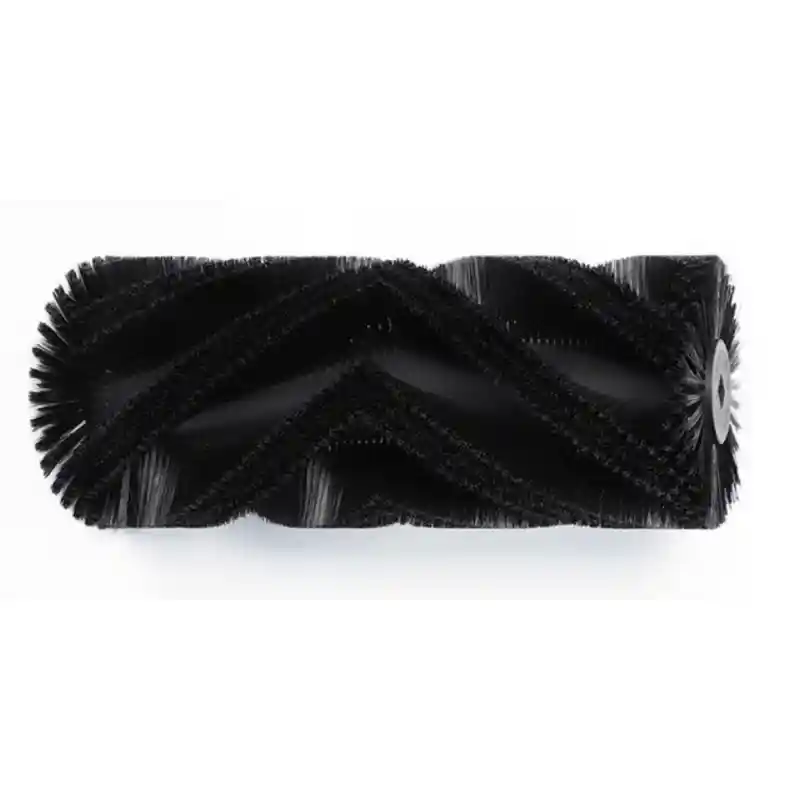

Industrial floors take a beating. Between foot traffic, machinery movement, and the constant accumulation of debris, keeping these surfaces clean isn’t just about appearances—it directly affects how smoothly operations run. The right sweeping brush makes a noticeable difference in how quickly crews can clear a space and how long equipment stays in working condition. Getting this choice wrong means more frequent replacements, inconsistent results, and maintenance headaches that add up over time.
Why Floor Sweeping Matters More Than Most Facilities Realize
Clean floors in factories and warehouses do more than look professional. They prevent accidents. Dust buildup, scattered debris, and residue from production processes create slip hazards that put workers at risk every shift. In manufacturing environments where product quality depends on controlled conditions, airborne particles settling on components can cause defects that only show up later in the production cycle.
The compliance angle matters too. Industrial hygiene regulations have teeth, and inspectors notice when floor maintenance falls short. Beyond avoiding fines, there’s the equipment factor—debris that gets into moving parts accelerates wear on everything from forklifts to conveyor systems. Facilities that invest in proper industrial floor sweeping brushes tend to see fewer unplanned repairs and longer service intervals on their machinery.
What often gets overlooked is how poor floor conditions compound over time. A small amount of grit tracked across concrete every day eventually damages the surface itself, creating uneven areas that make future cleaning harder and increase trip risks.
Where Industrial Sweeping Brushes Prove Their Value
The range of applications for industrial floor sweeping brushes extends across nearly every type of facility. Warehouse floor maintenance demands brushes that can handle cardboard dust, pallet splinters, and the fine grit that accumulates near loading docks. Factory floor cleaning presents different challenges—metal shavings in machine shops, plastic pellets in injection molding facilities, or food-grade requirements in processing plants.
Surface type changes the equation significantly. Concrete floors with their porous texture require different brush characteristics than sealed epoxy surfaces or outdoor asphalt areas. A brush that works perfectly on smooth warehouse concrete might struggle on textured safety flooring or leave scratches on polished surfaces.
Assembly lines generate their own debris profiles. Electronics manufacturing produces fine dust that requires gentle but thorough collection. Heavy equipment assembly areas deal with metal chips and cutting fluid residue that demand more aggressive brush action. Loading docks face weather exposure and the constant tracking of outdoor contaminants.
Debris Types and Brush Effectiveness
Industrial floor brushes handle everything from microscopic dust particles to substantial waste materials. Fine dust collection requires dense filament patterns that trap particles rather than just pushing them around. Heavy debris like metal shavings or wood chips needs stiffer bristles with enough rigidity to dislodge material without bending away from the task.
Packaging waste—shrink wrap fragments, cardboard scraps, banding material—presents its own challenge because these materials tend to wrap around brush cores if the design doesn’t account for them. Spill cleanup, whether oil, coolant, or dry powders, calls for specific filament materials that either absorb liquids or resist chemical degradation.
The key is matching brush construction to the actual contaminants present. A facility dealing primarily with sawdust needs a completely different brush than one managing metal grinding residue.
Selecting Industrial Sweeping Brushes That Actually Perform
Brush selection involves more variables than most purchasing decisions suggest. The obvious factors—floor type and debris characteristics—only start the conversation. Filament material determines how the brush interacts with both the floor surface and the material being collected.
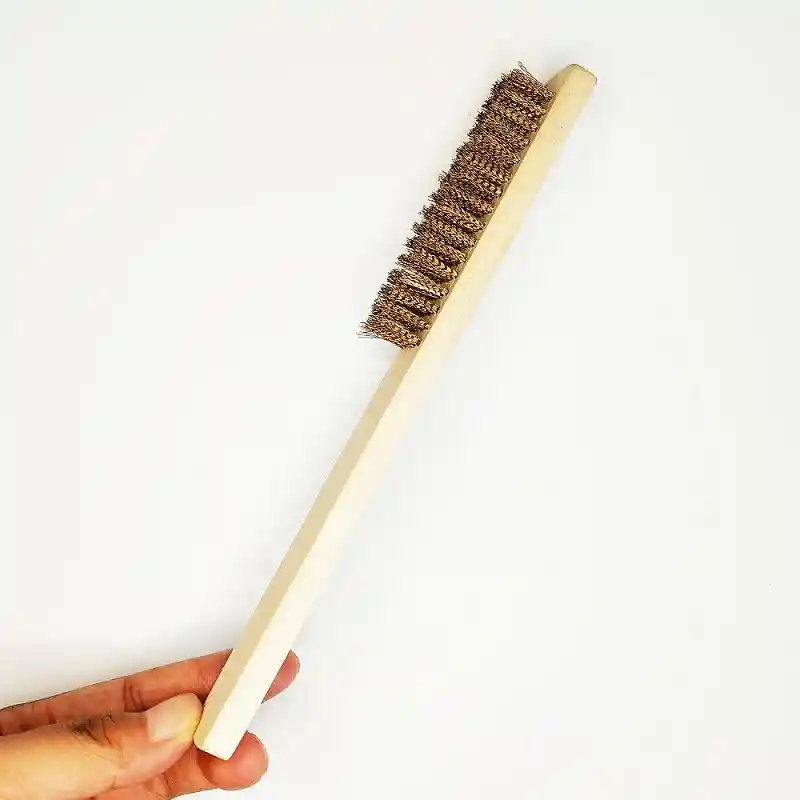
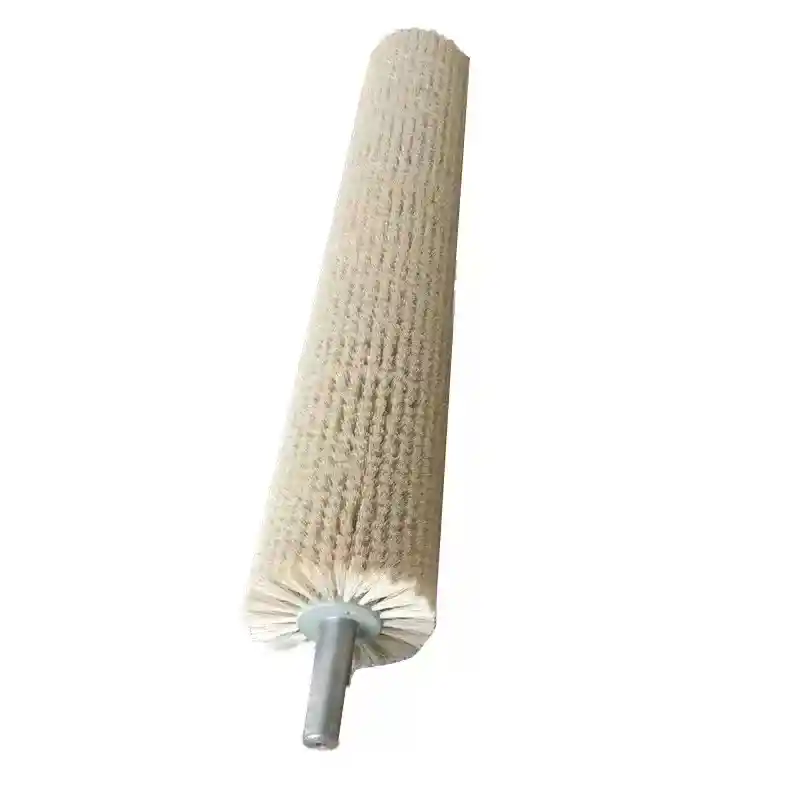
Polypropylene filaments resist most industrial chemicals and handle wet conditions without degrading. They work well for general-purpose cleaning where the debris mix varies day to day. Nylon offers more flexibility, conforming to uneven surfaces and working effectively on floors with texture variations. Wire filaments tackle the jobs that polymer bristles can’t—caked-on deposits, rust scale, and aggressive surface preparation.
Physical dimensions matter for equipment compatibility. Brush diameter and width must match the specific power sweepers, walk-behind sweepers, or rider sweepers in use. A mismatch creates uneven wear patterns and reduces cleaning effectiveness. Brush density—how many filaments occupy a given area—affects both collection efficiency and the force required to operate the equipment.
| Filament Material | Properties | Ideal Applications |
|---|---|---|
| Polypropylene | Durable, chemical-resistant | General sweeping, light to medium debris, wet conditions |
| Nylon | Flexible, wear-resistant | Uneven surfaces, fine dust, polishing, sensitive floors |
| Steel Wire | Aggressive, stiff | Heavy debris, caked-on dirt, rust removal, concrete preparation |
| Natural Fibers | Soft, absorbent | Delicate surfaces, oil spills, dry sweeping of fine powders |
| Mixed Filaments | Balanced performance | Versatile use, combining benefits for varied debris types |

Custom Solutions for Unusual Requirements
Standard brush configurations don’t fit every situation. Facilities with proprietary equipment or unusual floor conditions often need brushes engineered specifically for their circumstances. This might mean non-standard dimensions, specialized filament blends, or mounting configurations that match legacy machinery.
The design process starts with understanding the actual operating conditions—not just what debris needs removal, but how the equipment moves, what clearances exist, and what performance metrics matter most. Technical teams can then engineer brushes that integrate properly and deliver consistent results rather than forcing operators to work around limitations.
Keeping Industrial Sweeping Brushes Working Longer
Brush maintenance directly affects both cleaning quality and replacement costs. Regular inspection catches wear before it compromises performance. The signs are straightforward: bristles that have shortened noticeably, filaments that splay outward instead of maintaining their original pattern, or uneven wear that creates gaps in floor coverage.
Cleaning schedules should account for the debris type being collected. Brushes used on oily floors need more frequent attention than those sweeping dry dust. Material buildup in the brush core reduces effectiveness and can damage the equipment if left unchecked.
Storage conditions matter more than many facilities realize. Brushes left in damp environments or exposed to direct sunlight degrade faster than those stored properly. Filament materials respond differently to temperature extremes and UV exposure, so indoor storage in climate-controlled areas extends useful life.
Replacement Timing and Cost Considerations
Determining when to replace industrial floor sweeping brushes involves balancing several factors. Usage intensity provides the baseline—brushes running multiple shifts daily wear faster than those used occasionally. The debris type accelerates or slows this timeline; abrasive materials like metal grit or concrete dust cause more rapid filament wear than softer materials.
Performance degradation offers the clearest replacement signal. When operators notice reduced sweeping effectiveness, missed debris, or uneven cleaning patterns, the brush has likely reached the end of its useful life. The general guideline suggests replacement when bristles have worn down by roughly half their original length, though this varies by application.
Waiting too long to replace worn brushes creates false economy. The reduced cleaning effectiveness means more passes required, longer cleaning times, and potentially damaged floor surfaces from exposed brush cores.
Working With an Experienced Brush Supplier
Shanghai Huixi Trading Co., Ltd. brings 16 years of production experience to industrial brush applications. The company specializes in customized brushes for industrial seal, cleaning, polishing, and deburring operations, with manufacturing based in Anhui Province and trading operations coordinated through Shanghai.
Export markets span Europe, North America, Australia, New Zealand, the Middle East, and Southeast Asia. This geographic reach reflects consistent product quality and responsive service across different industrial contexts and regulatory environments.
The technical support team works directly with facilities to match brush specifications to actual operating conditions. ODM/OEM service handles custom requirements, while competitive pricing structures accommodate various budget constraints. Low minimum order quantities, free sample options, and fast delivery support both initial evaluation and ongoing supply relationships.
Taking the Next Step
Improving industrial floor maintenance starts with the right equipment. Custom-engineered industrial floor sweeping brushes matched to your specific conditions deliver better results than generic alternatives. Shanghai Huixi Trading Co., Ltd. provides the technical expertise and manufacturing capability to address even unusual requirements.
Contact the team for consultation or request a free sample configured for your facility’s needs. Reach them at +86 1580 0932 713 or [email protected].
Frequently Asked Questions About Industrial Sweeping Brushes
What makes Huixi’s industrial sweeping brushes suitable for demanding factory conditions?
The brushes use filament materials selected for specific operating environments—chemical resistance where needed, abrasion tolerance for harsh debris, and construction that holds up under continuous use. Custom engineering ensures each brush matches the actual conditions it will face rather than relying on general-purpose designs that compromise on everything.
Can Huixi manufacture industrial floor brushes for non-standard equipment?
Yes. The ODM/OEM serviceODM/OEM service covers customized brushescustomized brushes designed around specific machinery dimensions and performance requirements. The technical team evaluates equipment specifications and operating conditions to engineer brushes that fit properly and perform as expected, regardless of whether the equipment follows standard configurations.
How do these industrial brushes reduce long-term maintenance costs?
Durable construction means fewer replacements over time, and proper brush selection improves cleaning effectiveness on each pass. Facilities spend less on replacement inventory and reduce labor hours dedicated to floor maintenance. The combination of quality materials and application-specific design delivers value that generic brushes simply can’t match.
If you’re interested, check out these related articles:
how do you know about deburring brushes
advantage of hx cylindrical nylon brushes
rope cleaning brush for industrial use a key tool for maintaining safe production
abrasive wheel brush a magical tool for industrial surface treatment