A brand spent millions on logo design and packaging only to find that customers remembered the aroma of its stores more vividly than any visual element. Scent memory is that powerful. It bypasses the rational brain, wiring a feeling directly to a brand before the customer can even explain why. Over a decade of formulating fragrances for companies across 68 countries has taught me that a deliberate olfactory signature is not a decorative detail. It is the fastest way to anchor a brand in someone’s long‑term memory.
 ## Why Scent Triggers Instant Emotional Memory
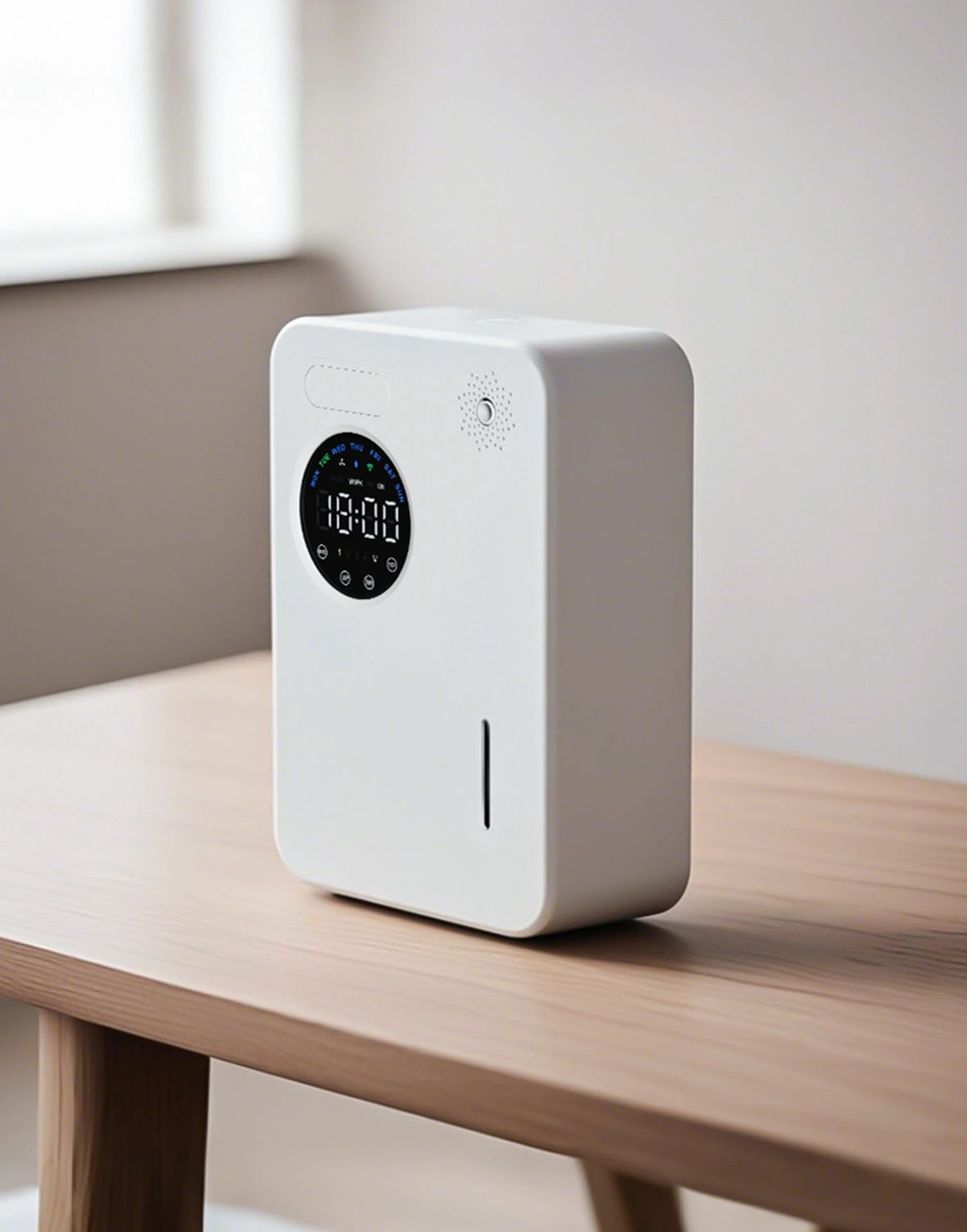
Odor molecules travel straight to the olfactory bulb, which is anatomically connected to the amygdala and the hippocampus. These two limbic structures govern emotion and memory formation. A visual ad has to be noticed, interpreted, and catalogued. A scent does none of that work. It hits the emotional processing center first and gets stamped with a feeling before the cortex has time to analyse it.
This neurological privilege means that a carefully constructed fragrance can evoke trust, calm, or excitement in a single inhalation. In our work with boutique hotels, we found that when the lobby fragrance shifts from a generic floral to a custom blend with cedar and bergamot, returning guests frequently mention how “the hotel feels even more like home” even when the decor has not changed. Their memory of the space has deepened through smell alone.
Building Brand Loyalty through a Signature Scent Formula
A signature scent is more than a perfume poured into a commercial scent oil diffuser. It is a strategic formulation that translates brand values into a volatile chemical fingerprint. Luxury fashion houses lean on leather and oud to signal heritage. A wellness brand might layer green tea and bamboo to communicate purity.
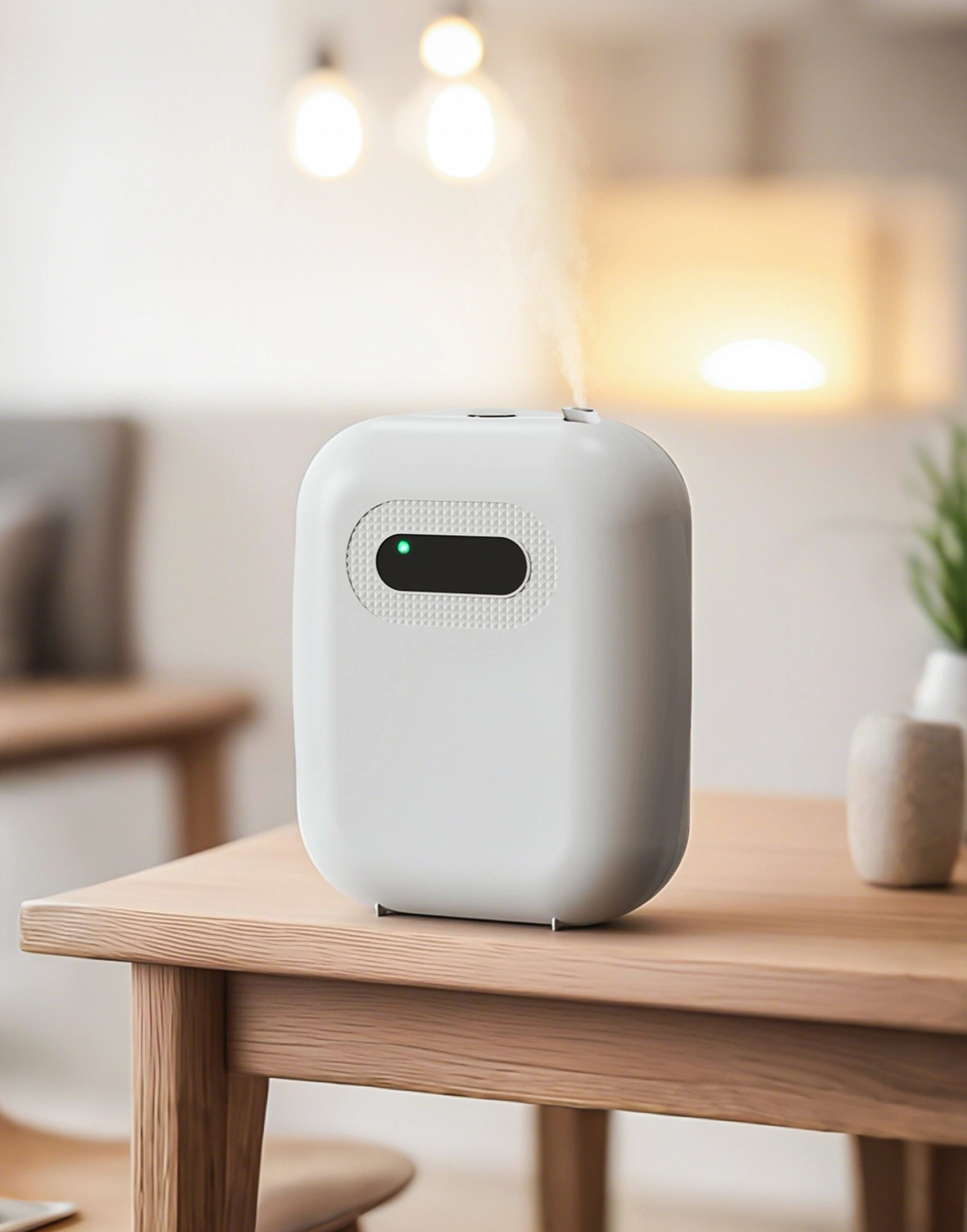
The formulation process I oversee at Scent‑Share begins with a scent brief that isolates the brand’s core emotion. We then work through top, middle, and base notes, adjusting the evaporation curve so the scent evolves in a space over hours without becoming cloying. A jewelry retailer we supported replaced its ready‑made ambient oil with a custom blend of white tea and sandalwood. Staff reported that customers lingered at counters, and the purchase rate for high‑margin items edged upward, sustained by the feeling of unhurried luxury the scent engineered.
Ambient Scenting versus Signature Scents – Choosing the Right Tool
Ambient scenting fills a space with a pleasant background aroma. It improves comfort but rarely creates a distinctive memory trace. A signature scent, on the other hand, is designed to be remembered. It contains an element of surprise, a note combination the customer cannot easily place but associates exclusively with that brand.
In technical terms, the difference lies in the scent’s diffusion profile and narrative intent. A Scent‑Share Wall Mount Aroma Diffuser HVAC Scent System can deliver a uniform ambient layer through existing ducts, which is ideal for lobbies. For a signature scent that needs to pulse at specific intensity curves, we deploy standalone Scent‑Share Commercial Scent Oil Diffuser (Bluetooth APP) units with programmable schedules. Both approaches work, but only one is likely to make a customer say “I know that smell” every time they encounter a competitor’s space and feel nothing.
Measurable Outcomes – How Scent Affects Spend, Dwell Time, and Recall
In programs we have executed for retail chains across Southeast Asia and the Middle East, synthetic control tests revealed that branded scent raised unaided brand recall by roughly a quarter compared to unscented environments. In one pilot for a multi‑city shopping mall, average dwell time inside fragrance‑treated corridors increased by twelve minutes, and food court spending rose with the gentle diffusion of a vanilla‑spice blend that extended the perceived dining duration.
The mechanism is consistent. A pleasant, brand‑exclusive fragrance reduces cognitive load. The customer stops scanning for environmental threats and shifts into experiential consumption. The longer they stay, the more they buy, and the stronger the memory link grows. It is a compounding cycle.
Crafting a Scent Strategy That Resonates Globally
Culture shapes scent associations. Jasmine might signal romance in one market and funeral rites in another. Effective branding requires a scent that flexes across cultural boundaries while retaining a recognisable core. Our development team maintains a library of over 300 scent profiles tested across customer segments from Latin America to East Asia, so a brand launching in multiple regions does not need to start from zero.
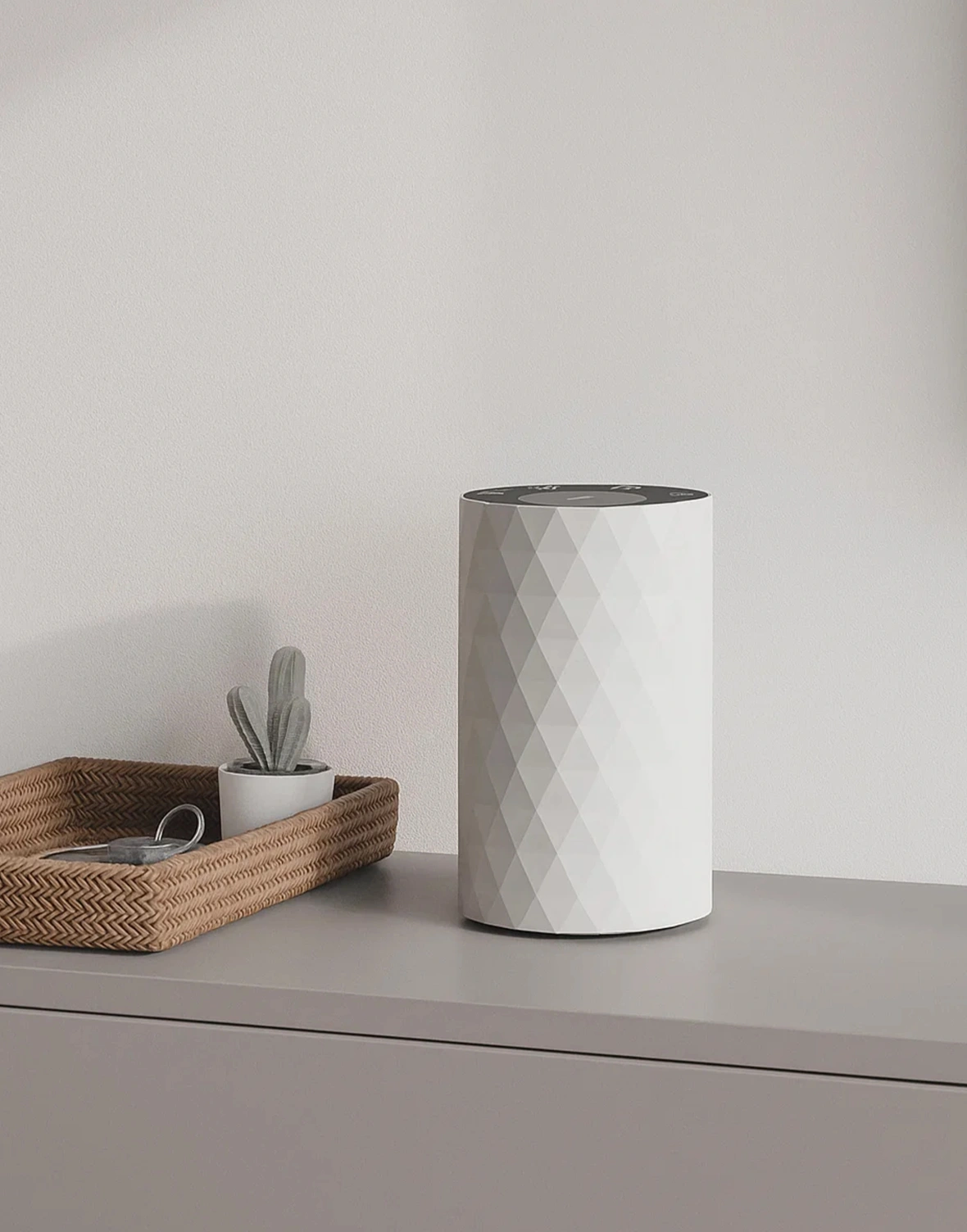 A common request we handle is from automotive showrooms who want a “new car” scent that feels premium rather than synthetic. The challenge is that “new car” is actually a mix of off‑gassing materials. Synthesising that scent in a non‑toxic fragrance oil required us to build a leather‑warmed amber accord that delivers the same assurance of quality without any industrial aftertaste. That is the kind of detail a generic off‑the‑shelf oil cannot provide.
If your program involves locations with varied ceiling heights, strong HVAC airflow, or delicate interior materials, a site audit normally reveals that one standard diffuser model will not fit every zone. Matching the right equipment, oil formulation, and diffusion intensity to each micro‑environment is the part of the workflow where a supplier’s experience directly protects your brand consistency.
Common Questions About Scent and Brand Memory
Will the average customer actually remember a brand because of a scent?
Yes, and not marginally. In our observation, a customer who experiences a brand‑aligned fragrance during a positive interaction stores a multimodal memory that includes the scent as an anchoring cue. This is why a whiff of a specific white tea note can bring a hotel chains’ booking page to mind weeks later. The recall is automatic and does not depend on the customer consciously noticing the fragrance at the time.
Isn’t scent branding only effective for luxury or high‑end brands?
Not anymore. Pharmacies, co‑working spaces, and even automobile service centers now deploy ambient scenting to reframe the customer experience. A dental clinic we supplied with a mild herbal blend reported that new‑patient anxiety scores dropped, and appointment no‑shows declined. Any business that wants to shape the emotional tone of its environment can benefit, provided the scent matches the practical expectations of the space.
What happens if customers dislike the scent?
This is where a safety vetting process becomes essential. Before a formula is ever scaled for a venue, we run it through a panel that screens for irritation, cultural misfit, and common aversions. The diffusion system can then be tuned to deliver scent at a sub‑threshold level where awareness is subliminal but effect is measurable. No scent gets 100% approval. The goal is to avoid rejection, not to please every nose.
How fast can a new scent become a customer’s brand memory?
It depends on frequency and emotional temperature. A hotel guest who smells the lobby scent twice a day for three days will usually form a memory link strong enough to trigger recognition at a later date. A retail store with weekly repeat visitors might need six to eight weeks for the scent to feel “native” to the brand experience. Consistency is the accelerator – changing scents often erases the work of previous exposures.
How do I start building a custom scent for my business?
Start with a scent brief that defines three things: the feeling you want the customer to leave with, the dominant note families you are drawn to, and any materials or environments that must be avoided. Scent‑Share’s formulation team then creates a shortlist of three to five sample oils and ships evaluation kits within the lead time agreed to. If you are uncertain about diffusion logistics, sharing your venue’s square footage, ceiling height, and HVAC configuration allows us to recommend the right hardware at the same time. Share your scent brief with us at [email protected] or call +86 185 6557 5758 and we will walk you through the sample selection and equipment sizing steps.
If you’re interested, check out these related articles: