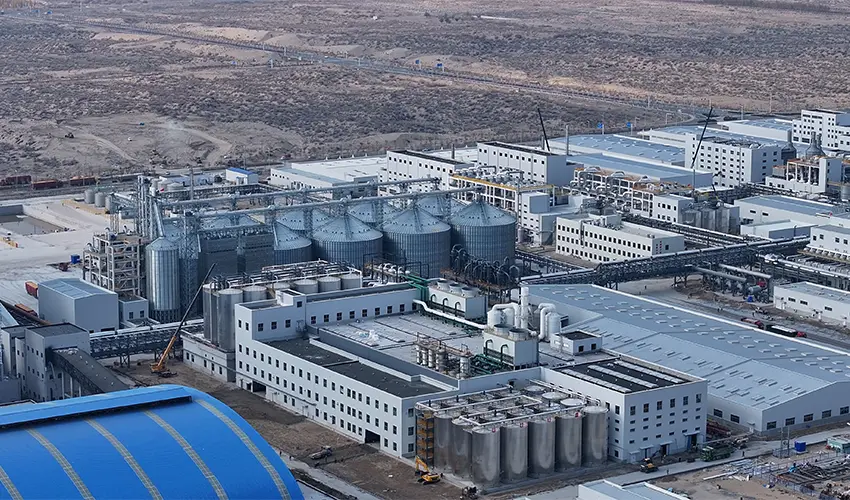

Corn ethanol projects in Bolivia succeed when designed as integrated agricultural value chains, because byproduct valorization and local feedstock integration turn a fuel plant into a sustainable economic engine. Investors and agribusiness developers considering a greenfield distillery in South America often focus narrowly on ethanol yield, but the real difference between a project that merely operates and one that transforms a regional economy lies in how the entire chain from corn storage to co-product marketing is engineered. AGRIFAM Engineering’s turnkey solution for fuel alcohol applies this systems thinking to every stage, from grain receiving to anhydrous ethanol dispatch. The following case study outlines how a typical Bolivia project unfolds with that integrated mindset, drawing on AGRIFAM’s alcohol production line and its deep grain handling and food system experience.
What Makes a Corn Ethanol Project in Bolivia a Strategic Investment?
Bolivia’s agricultural sector is expanding beyond raw commodity exports, and the government has signaled strong interest in domestic biofuel programs that reduce diesel imports while creating rural employment. A well-structured corn ethanol plant addresses both energy security and agricultural market development simultaneously. Instead of selling corn alone on volatile international markets, a local processing facility stabilizes demand for farmers and captures margin across the entire value chain. In our project planning for similar emerging economies, I have seen that the initial capital question quickly shifts from “can we produce ethanol” to “how does this facility anchor a network of grain storage, animal feed supply, and food processing that makes the whole system more resilient.” That perspective is embedded in AGRIFAM’s approach — we do not deliver a standalone distillery. We engineer an agri-food-energy node that can later connect to starch sweeteners, feed mills, or even livestock operations, which is exactly how a Bolivia project should be conceived from day one.
How Is Corn Converted into Fuel Ethanol in a Modern Plant?
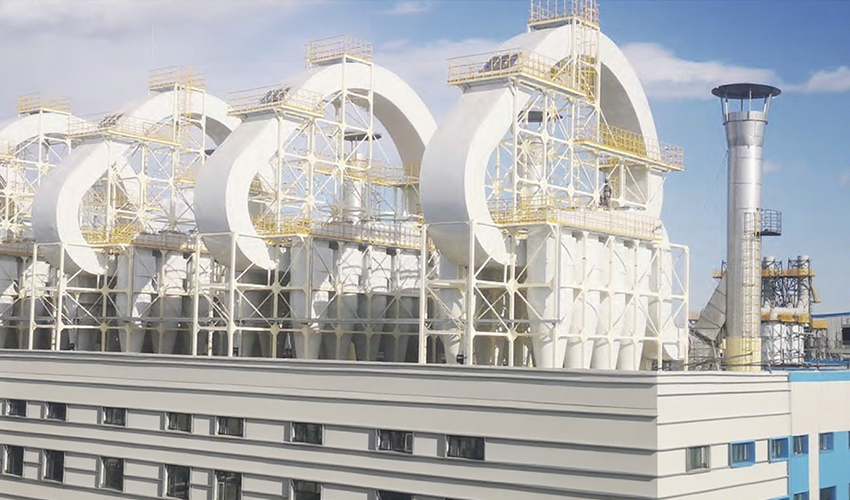
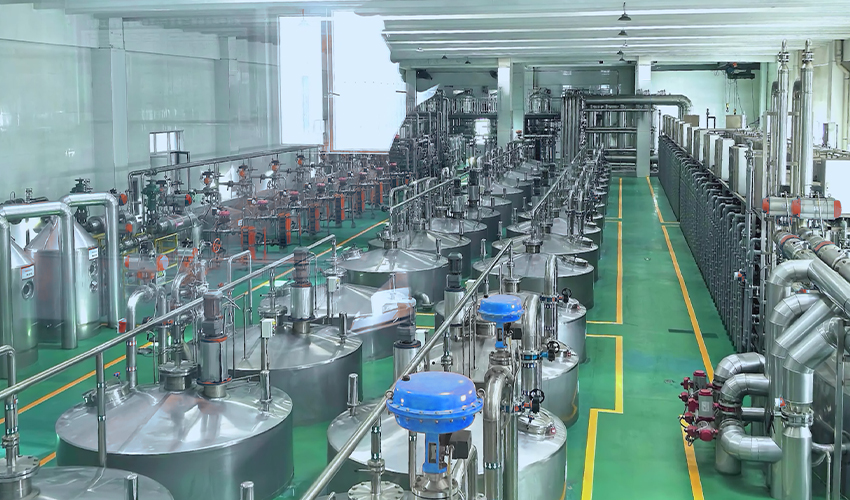
The core technology string follows a proven dry-milling or semi-dry pathway optimized for starch yield and energy efficiency. After cleaning and purification, the corn is ground into meal and slurried with water. Enzymatic liquefaction and saccharification convert the starch into fermentable sugars, setting up a continuous fermentation that modern yeast strains can sustain for weeks without decline. The resulting beer passes through a multi-column distillation train that strips ethanol to approximately 95 percent purity, then the stream is dehydrated via molecular sieve adsorption to reach anhydrous fuel-grade specification. AGRIFAM’s alcohol production solution incorporates energy cascade utilization everywhere: distillation reboiler heat is integrated with the evaporation system, and the stillage separation step is designed so that thin stillage can be recycled as process water. The net energy consumption reduction compared to a conventional design is 25 percent, a figure validated across multiple grain alcohol installations. The same plant can be configured to produce reagent-grade or even electronic-grade anhydrous ethanol by adding a polishing rectification step and cleanroom-compatible storage — a flexibility that matters if the Bolivian market later develops pharmaceutical or semiconductor supply needs.
How Does AGRIFAM Integrate Local Corn Supply Chains for Biofuel?
Securing a year-round corn stream in a country where commercial farming is still growing requires more than a purchase contract. AGRIFAM’s grain depot and port terminal warehousing solutions, already proven in large-scale national food security projects, provide the backbone. We design the plant with on-site reception, cleaning, and storage capacity that can handle seasonal harvest peaks while maintaining grain quality through mechanical ventilation and temperature monitoring. The recommended equipment — assembled steel silos, single-roller belt conveyors, and bucket elevators — achieves low breakage and residue-free transfer, which preserves feedstock value. In Bolivia’s highland and eastern lowland production zones, we have mapped logistics corridors that combine truck and barge transport, and our preliminary feasibility work shows that integrating satellite collection hubs with the main plant silo reduces transport costs by pooling volumes before the final leg. This also creates direct connection points for farmer cooperatives, strengthening the social license to operate. As an agricultural system planner, I view the feedstock side not as a procurement task but as the foundation of a long-term regional grain economy that the ethanol plant can catalyze.
| Storage Parameter | Design Target | Equipment |
|---|---|---|
| Incoming grain capacity | 200–400 t/h | Air-cushion belt conveyor, bucket elevator |
| Silo moisture control | ≤ 14% MC | Thermal-insulated steel silos with aeration |
| Cleaning efficiency | > 98% foreign material removal | Rotary screens, magnetic separators, aspirators |
What Byproducts Add Value to a Corn Ethanol Circular Economy?
Simply selling ethanol leaves money on the table. The stillage separated after distillation is a protein- and fiber-rich stream that can be dried into DDGS (distillers dried grains with solubles) for local cattle feed. Bolivia’s beef and dairy sectors are expanding, and high-quality feed supplements are in short supply. CO₂ released during fermentation is captured, purified, and liquefied to food-grade standard, supplying the beverage, freezing, and greenhouse industries. Even the biogas generated from anaerobic treatment of process wastewater can displace a portion of the plant’s boiler fuel. AGRIFAM’s closed-loop design targets 100 percent by-product utilization, so the project’s economic model relies on three revenue pillars: fuel ethanol contracts, feed sales, and industrial gas markets. In our internal modeling for a 100,000-ton-per-year corn intake plant, the combined contribution of DDGS and liquid CO₂ can add roughly 18–22 percent to total project revenue, substantially improving the internal rate of return and insulating the project from ethanol price swings. This multi-product strategy is not a bolt-on — it is wired into the plant layout from the start, with dedicated drying, purification, and storage sections that share utilities and steam with the main process.
How Does a Turnkey EPC Approach De-Risk a Bolivian Ethanol Project?
Greenfield industrial projects in emerging markets carry risks that a fragmented equipment-supply model magnifies. AGRIFAM’s EPC (engineering, procurement, construction) scope puts a single point of responsibility on everything from civil works and structural steel to process commissioning and operator training. The project timeline typically spans 18–24 months from financial close to hot commissioning, with detailed engineering front-loaded to finalize equipment specifications before construction begins. During site execution, our integrated control philosophy — DCS architecture with centralized grain condition monitoring, fermentation batch tracking, and distillation steam balance — is tested in a factory acceptance test before shipment, reducing field errors. We also bring a dedicated start-up team that remains on site for three to six months after initial production, which is critical for building local operator capability in a region where continuous fermentation experience is scarce. The contract structure can accommodate local civil works participation and phased capacity expansion, so investors can start with a 60,000-ton annual capacity line and add a second identical train later without re-engineering the utilities backbone. These risk mitigation layers matter because the sponsors and lenders evaluating a Bolivia ethanol project need more than a technology guarantee; they need evidence that the project will reach stable operation on schedule and within budget.
Agrifam Co., Ltd. — Engineering Your Complete Corn Ethanol Facility
Building a fuel ethanol plant is a long-term commitment that ties feedstock markets, energy policy, and agri-industrial development together. A project that looks only at ethanol yield per tonne of corn will struggle to compete in a cyclical commodity market. The alternative is a facility engineered from the ground up to create value at every processing node — grain cleaning and storage that preserves quality, energy integration that cuts production cost, and by-product streams that generate independent revenue. This is the AGRIFAM approach, and it is what turns a Bolivia ethanol project into a durable industrial asset. If you are developing a corn-to-ethanol project and want to discuss site-specific layout, logistics, or financial modeling, send your project parameters and timeline to [email protected] or call 010-8591 2286. We will prepare a preliminary mass and energy balance that reflects your local corn characteristics and target output.
Key Questions About Corn Ethanol Projects in Bolivia
How do you select the right plant capacity for a Bolivia project?
Plant size should balance feedstock availability, domestic fuel demand, and export potential. AGRIFAM starts with a regional corn production survey and demand forecast, then recommends a phased build-out that allows the initial train to reach breakeven on domestic offtake while leaving room for a second train if neighboring markets open. This phased model keeps initial capital within a manageable range, typically 60,000 to 120,000 tonnes of corn annual intake for the first stage.
What environmental permits and sustainability requirements apply?
Bolivia’s environmental licensing process follows a similar framework to other Mercosur countries, requiring an environmental impact assessment (EIA) covering water use, wastewater treatment, air emissions, and noise. Our solution includes a closed-loop water system and biogas recovery that help meet discharge limits. The EIA timeline is usually 6–9 months, and AGRIFAM can provide the technical documentation — mass balance, emission estimates, and wastewater design — as part of the EPC package.
Can the plant be expanded later to produce food-grade alcohol or other derivatives?
Yes. The distillation and dehydration island is designed with take-off points for rectified spirit and extra-neutral alcohol production. With a small additional investment in a rectification column and a decolorization/polishing step, the same facility can produce food-grade and medical-grade alcohol. The fermentation section can also be adapted to produce starch sweeteners by adding a glucose syrup line. This downstream flexibility is a key reason to invest in an integrated design rather than a single-product plant.
How does AGRIFAM handle logistics and site management in a remote location?
We deploy a resident project management team that includes construction supervisors, logistics coordinators, and a local procurement officer. Material shipments are planned around Panama Canal transit and road conditions to avoid rainy-season delays. The modular design of major equipment — pre-assembled distillation column sections, skid-mounted molecular sieve units — reduces field welding and speeds erection. Our past experience in remote grain depots and processing sites across Asia and Africa informs the Bolivia logistics plan.
What kind of after-sales support and spare parts inventory is recommended?
We structure a two-year spare parts package that covers wear components, critical instrumentation, and enzyme/yeast sourcing contacts. After commissioning, we offer remote technical support via a digital management platform that monitors key process parameters in real time, plus scheduled annual on-site audits. This lowers the maintenance burden for a local team and keeps uptime above 95 percent. To discuss how this would work for your Bolivia project, contact our engineering team at [email protected] with your capacity target and intended product slate.
If you’re interested, check out these related articles:
Driving Global Food Conservation Through Technological Innovation