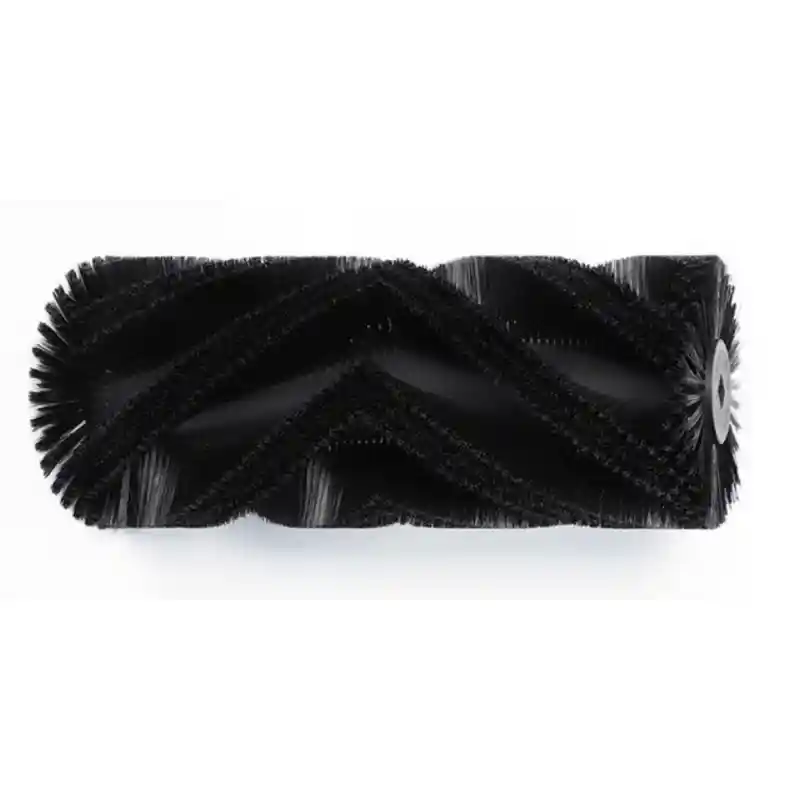

Road sweeping brush durability isn’t about how long a brush can spin. It depends on matching bristle material, filament diameter, and brush pattern to the debris and surface conditions on your streets. A brush that performs well on smooth asphalt may wear out quickly on abrasive concrete, and an all-purpose design rarely handles both heavy gravel and fine dust efficiently. As an industrial brush engineer with more than fifteen years in manufacturing, I’ve worked with municipal fleet managers across multiple regions and seen how a few specification choices directly affect operating costs. This article outlines the factors that determine a durable road sweeping brush and how to specify one for your street maintenance program.
What Determines Road Sweeping Brush Durability?
Three elements control lifespan: the bristle material, the brush construction pattern, and the mounting fit. Bristle material governs resistance to abrasion and impact. Polypropylene filaments are common for general street sweeping, but on routes with heavy debris, abrasive-impregnated nylon or wire blends last longer. Filament diameter matters too; thicker bristles withstand bending stress better, while thinner ones provide finer sweeping. I’ve seen two brushes with identical nylon material but different filament diameters: the thicker one lasted nearly 50 percent longer on a curb-heavy route simply because it resisted permanent set.
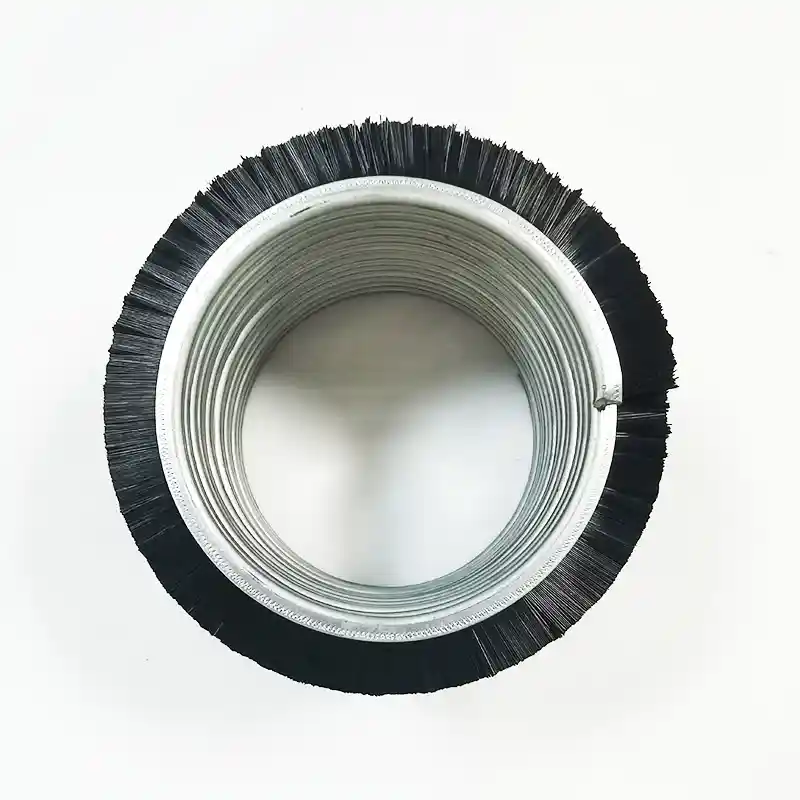
Brush construction—wafer, strip, or spiral—distributes wear across the broom width. Wafer brushes, made of stacked discs, allow air flow and debris ejection; strip brushes provide a continuous cleaning surface; spiral patterns combine agitation with self-cleaning. Each has trade-offs in how they handle wedged debris and irregular surfaces.
The mounting system must match the sweeper’s core dimensions. A loose fit causes vibration that accelerates wear at the brush ends. A proper fit transfers load evenly. We at Huixi Brush always ask for the sweeper model and existing brush measurements before recommending a replacement because even a few millimeters of radial play can cut brush life by months.
Bristle Material Selection for Street Sweeping Conditions
Choosing the right material starts with analyzing what your sweepers pick up. Fine dust, wet leaves, gravel, and metal debris all demand different bristle properties. Below is a comparison of commonly used materials.
| Material | Hardness | Best For | Wear Note |
|---|---|---|---|
| Polypropylene | Medium | Fine dust, light litter | Good chemical resistance, moderate wear |
| Nylon (abrasive-filled) | Medium-High | Heavy soils, wet debris, slightly abrasive surfaces | Holds abrasive grains for scrubbing action |
| Steel wire | High | Heavy gravel, packed dirt, ice | High impact tolerance, may scratch soft asphalt |
| Brass wire | Medium | Non-sparking environments, light rust removal | Softer than steel, less abrasive on surfaces |
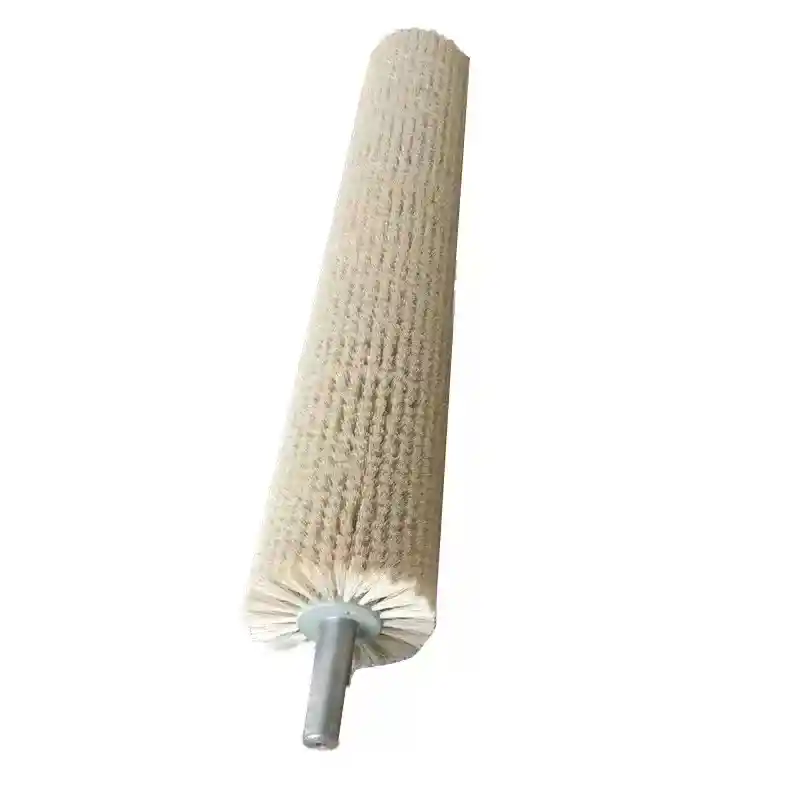
For most municipal routes, a blend works best. We often recommend a nylon or polypropylene main broom with wire-reinforced curb brushes. In our experience with European and Middle Eastern street sweepers, nylon bristles with silicon-carbide abrasive outperform standard polypropylene on mixed-urban routes by a significant margin.
If your route includes both fine dust and heavy debris, a combination brush configuration may be needed. This is where a tailored specification helps—send your route profile and sweeper model to [email protected], and we can recommend the right bristle mix.
Matching Brush Construction to Street Debris and Surface Type
The way bristles are arranged changes how the brush contacts the road. Wafer brushes (stacked discs) excel at clearing light debris from even surfaces because air channels between discs eject material. Strip brushes provide full-width contact and work well for sealing and edge cleaning, but can load up with wet material. Spiral brushes offer a continuous helical clearance path, making them effective on uneven surfaces and for wet leaves.
City curbs introduce another variable. Curb brush segments often wear faster than main broom sections. I’ve seen operators who replace the entire brush when only the curb side is worn—a waste. We can supply custom brushes with hardened curb-side sections to balance wear and extend overall service life.
The sweeper’s surface also matters. Abrasive asphalt roughens bristle tips, while smooth concrete relies more on filament resilience than abrasive resistance. A brush that lasts 600 hours on concrete might only last 400 on newer, coarse asphalt. Checking the expected surface roughness of your routes before finalizing the brush specification prevents premature failure.
If you manage a mixed fleet operating on different surfaces, you might benefit from assigning route-specific brush specifications. Tell us your route conditions, and we can map out a specification plan that reduces overall brush spend.
Specifying Custom Road Sweeping Brushes with a Manufacturer
Off-the-shelf brushes rarely optimize durability for a specific route. Custom specification allows you to set the bristle material, filament diameter, brush length, and pattern to match your sweeper model and street conditions. When you contact a manufacturer, have these details ready:
- Sweeper make and model
- Existing brush outer diameter, inner diameter, and length
- Bristle material preference or current problem (e.g., rapid wear on curb side)
- Average daily sweeping hours and debris type
- Quantity needed
We at Huixi Brush work directly with fleet managers to develop a specification. Our factory in Anhui produces custom cylindrical brushes and wafer assemblies with consistent filament quality. We also support low minimum order quantities, which lets you test a specification before committing to a large volume.
If you are evaluating brush suppliers for your street sweeping fleet, start by sharing your current sweep conditions and the problems you want to solve. We can propose a specification that addresses wear patterns, debris type, and budget. Send your requirements to [email protected] or call +86 1580 0932 713. Getting the specification right before ordering is the difference between a brush that lasts four months and one that lasts a year.
Common Questions About Road Sweeping Brush Specification
How often should I replace a road sweeping brush?
Replacement depends on usage and material. A well-specified polypropylene or nylon brush on daily municipal routes can last 3–6 months. Steel wire brushes can exceed a year in some regions. Rather than a fixed schedule, track bristle length loss; once 30–40 percent of the filament is worn away, cleaning performance drops and the brush risks core damage.
Can I use the same brush for different street surfaces?
It is not ideal. Abrasive surfaces like coarse asphalt accelerate wear on softer bristles. If you must use one brush type across multiple surfaces, select a material that balances both conditions, and accept slightly faster wear on the most abrasive route. For fleets with distinct high-wear and low-wear routes, specifying different brush specifications reduces total cost.
What is the typical minimum order quantity for custom brushes?
Many manufacturers require high MOQs, but at Huixi Brush we keep MOQs low—typically 50 pieces for standard road sweeping brushes. We can also provide free samples for evaluation before you commit to production volume.
How do I ensure the brush fits my sweeper model?
Provide the sweeper make, model, and existing brush measurements (outer diameter, inner diameter, and length). We cross-reference these with known mounting dimensions. If you have a mixed fleet, we can review your models and advise whether a single specification can work across several units. Confirming compatibility before ordering prevents mis-specification and downtime. Share your fleet list at [email protected] and we will verify compatibility.
If you’re interested, check out these related articles:
descaling spiral brush an innovative tool and generalist in the field of industrial cleaning
honing brush a magic tool for flexible burr removal