Working with growth factors long enough, you start to notice which ones earn their place in a protocol and which ones just fill a line on a spec sheet. Recombinant porcine epidermal growth factor falls into the first category. The consistency alone changes how you plan experiments—when batch variation drops out of the equation, you can actually trust your controls. That reliability matters even more in therapeutic development and industrial biomanufacturing, where a single inconsistent input can cascade through an entire production run.
What Makes Recombinant Porcine EGF Different from Animal-Derived Alternatives
Recombinant porcine EGF is a precisely engineered protein that mirrors the biological activity of naturally occurring epidermal growth factor in pigs. Production happens through controlled protein expression systems, typically in microbial or mammalian cell lines, which delivers high purity and batch-to-batch consistency that animal-derived sources simply cannot match.
The shift toward animal-origin-free recombinant proteins addresses real problems in biopharmaceutical manufacturing. Regulatory bodies scrutinize animal-derived components for contamination risk and lot variability. Eliminating these sources removes a layer of uncertainty from cell culture processes, improving both safety profiles and reproducibility.
Recombinant porcine EGF serves as a vital component in defined media formulations. When you know exactly what’s going into your culture system, troubleshooting becomes straightforward. Cell growth and differentiation respond predictably, which is exactly what the industry needs as regulatory expectations continue to tighten.
Where Porcine EGF Delivers Measurable Results
Recombinant porcine EGF stimulates cell proliferation and differentiation across a range of applications. Its utility spans fundamental research through to commercial products, and the specific use cases reveal why this growth factor has become a standard input for many laboratories and production facilities.
| Application Area | Specific Use Case | Benefits of rPEGF |
|---|---|---|
| Cell Therapy | Expansion of stem cells | Enhanced cell viability and growth |
| Regenerative Medicine | Tissue engineering | Promotes cell migration and repair |
| Cosmetics | Anti-aging formulations | Stimulates skin cell renewal |
| Cultivated Meat | Muscle cell proliferation | Supports scalable meat production |
| In Vitro Diagnostics | Cell-based assays | Improves assay sensitivity and reliability |
The cultivated meat application deserves particular attention. Muscle cell proliferation at scale requires growth factors that perform consistently across thousands of liters of culture media. Recombinant porcine EGF meets that requirement, supporting production economics that would be impossible with variable animal-derived inputs.
How Recombinant Porcine EGF Optimizes Cell Culture Media
Recombinant porcine EGF provides a highly specific signal for cell growth by activating key growth factor signaling pathways. The mechanism centers on binding to the epidermal growth factor receptor on the cell surface, which initiates a cascade of intracellular events that enhance cell viability and growth.
This binding promotes proliferation of epithelial cells and fibroblasts—cell types essential for tissue development and repair. Including recombinant porcine EGF in serum-free media formulations reduces dependence on undefined animal components. The result is greater consistency and safety in cell culture, with fewer variables to control and fewer surprises during scale-up.
Quality Control That Actually Predicts Performance
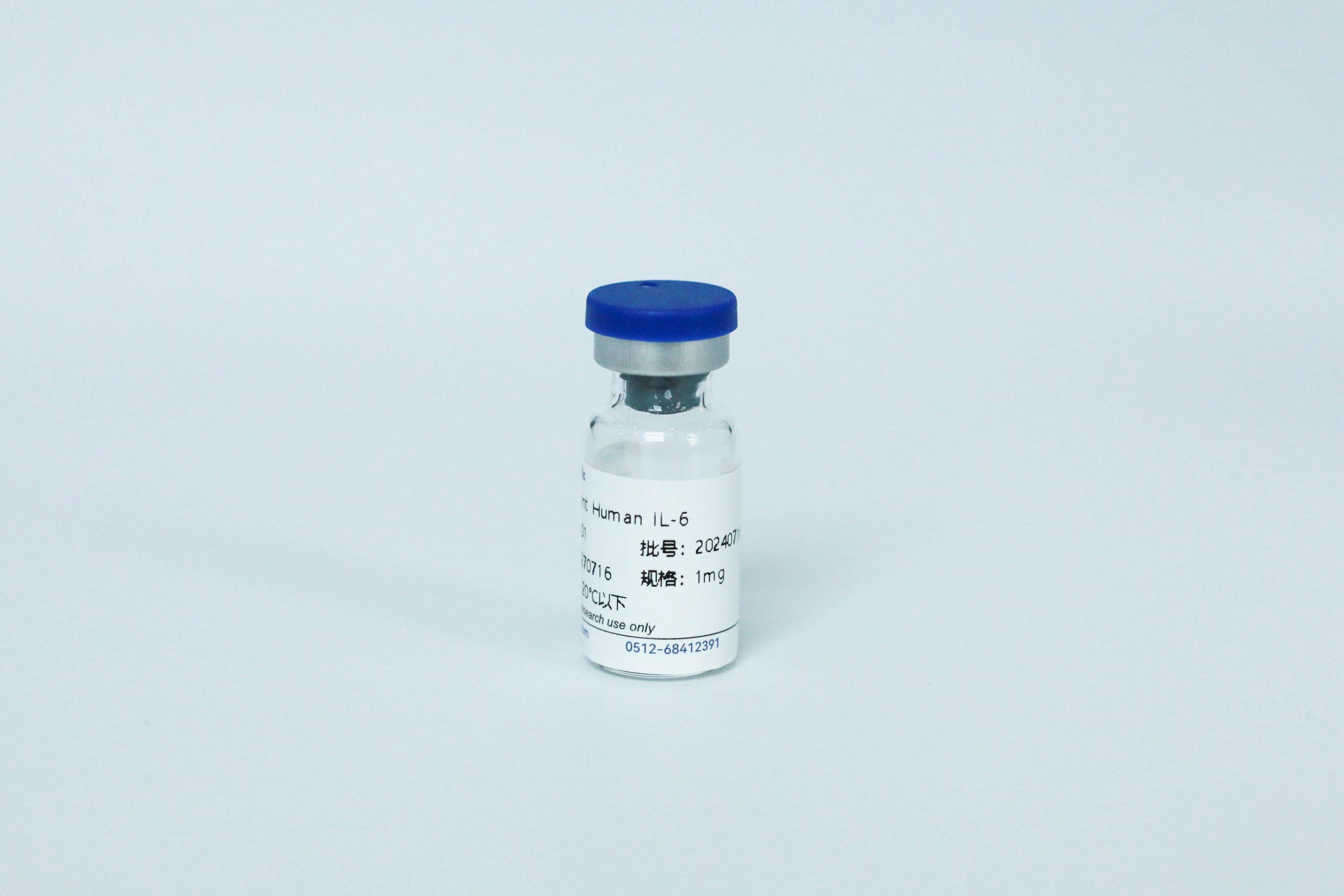
The quality and bioactivity of recombinant porcine EGF determine whether it performs reliably in critical research and therapeutic settings. Jiangsu East-Mab Biomedical Technology Co., Ltd. applies stringent quality control measures throughout production, including comprehensive protein purity analysis, bioactivity assays, and stability studies.
These measures ensure that recombinant porcine EGF meets the highest industry standards. Regulatory compliance, including adherence to cGMP-like standards, guides manufacturing and downstream processing. This approach guarantees the safety, efficacy, and consistency required for biopharmaceutical applications.
Specific Tests That Verify Safety and Efficacy
Ensuring the safety and efficacy of recombinant porcine EGF requires multiple analytical approaches. Protein purity analysis using SDS-PAGE and HPLC verifies protein integrity. Bioactivity assays confirm that the protein elicits the expected biological response—a test that matters more than purity alone, since a pure but inactive protein serves no purpose.
Endotoxin testing and sterility checks are routine requirements for product safety. Stability studies assess integrity over time under various storage conditions, providing data that supports realistic shelf-life claims. Adherence to cGMP standards during production guarantees consistent quality and regulatory compliance.
How Recombinant Porcine EGF Accelerates Tissue Repair
Recombinant porcine EGF holds significant promise in tissue regeneration and wound healing applications. This growth factor actively stimulates the proliferation and migration of keratinocytes and fibroblasts, the cell types most responsible for repairing damaged tissues.
By binding to specific receptors on these cells, recombinant porcine EGF initiates intracellular signaling pathways that promote cellular growth and differentiation. The downstream effect is accelerated wound closure and improved tissue repair. Preclinical models have demonstrated that topical application of recombinant porcine EGF significantly reduces healing time and improves scar quality across various wound types.
The therapeutic effects are mediated through precise receptor binding, which facilitates organized tissue remodeling and stem cell differentiation. This specificity distinguishes recombinant porcine EGF from less targeted approaches to wound healing.
If you are interested in how other growth factors contribute to cellular processes, consider reading 《Recombinant Human 4-1BBL: Unlocking Immune Co-stimulation for Advanced Therapies》.
Production Economics That Scale
The scalable production of recombinant porcine EGF offers significant economic advantages for the biopharmaceutical industry. Advanced bioreactor production systems enable efficient manufacturing of large quantities while maintaining quality specifications.
This production method ensures consistent supply, which matters for large-scale cell culture and therapeutic applications where interruptions create costly delays. The cost-effectiveness of recombinant production methods, compared to traditional sourcing from animal tissues, reduces overall production expenses.
Controlled production environments minimize variability, enhancing product reliability and reducing the need for extensive purification steps. These efficiencies translate into lower costs for researchers and manufacturers, optimizing supply chain management across the industry.
Partner with East-Mab Biomedical for Your Recombinant Protein Needs
As a leading provider of high-quality recombinant protein raw materials, Jiangsu East-Mab Biomedical Technology Co., Ltd. is dedicated to advancing global research and development. Our world-class platform ensures superior recombinant porcine EGF for your critical applications in IVD, cell culture, cell therapy, and cosmetics. Contact us today to discuss your specific needs and discover how our expertise can support your next breakthrough. Reach out to [email protected] or call +86-400-998-0106 for a consultation.
Frequently Asked Questions
What are the key advantages of using recombinant porcine EGF in cell culture?
Recombinant porcine EGF enhances cell proliferation and viability while eliminating reliance on animal-derived components. This animal-origin-free status improves regulatory compliance and simplifies documentation for biopharmaceutical applications. Consistent batch-to-batch quality reduces experimental variability, and the high purity contributes to reproducible results. Scalability for large-scale production is another practical advantage, particularly for cell therapy and cultivated meat applications where volume requirements are substantial.
How does recombinant porcine EGF contribute to advanced wound healing applications?
Recombinant porcine EGF stimulates the proliferation and migration of epithelial cells and fibroblasts, which are the primary cell types responsible for tissue regeneration and wound closure. The growth factor promotes re-epithelialization and granulation tissue formation, accelerating the healing process. Clinical and preclinical evidence shows improved outcomes in various wound types, with faster closure times and better scar quality compared to untreated controls.
What quality control measures ensure the safety and efficacy of recombinant porcine EGF?
Safety and efficacy verification requires multiple analytical approaches. Protein purity analysis using SDS-PAGE and HPLC confirms structural integrity. Bioactivity assays verify functional performance, which is distinct from purity testing. Endotoxin testing and sterility checks address contamination risks. Stability studies under various storage conditions support shelf-life claims. Adherence to cGMP standards during production ensures consistent quality and regulatory compliance across all batches.