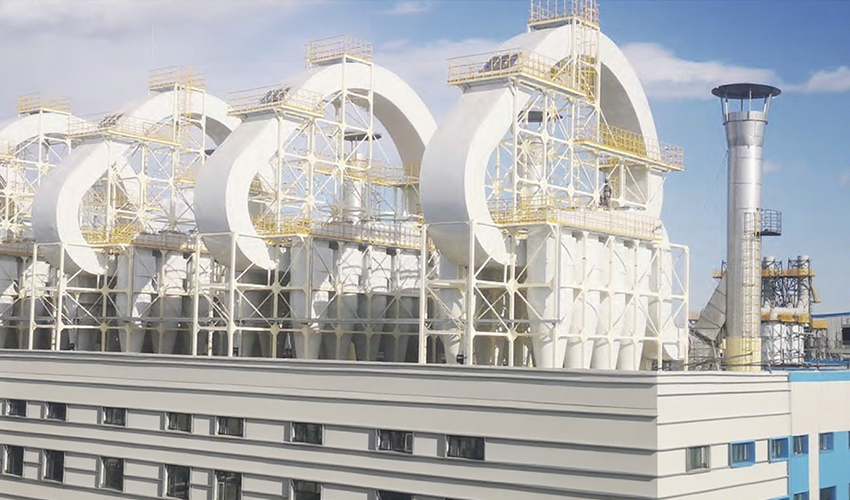

The agricultural and animal husbandry sectors have reached a turning point. Safer operations, healthier outputs, and smarter resource use are no longer aspirations—they are baseline expectations. Having worked across multiple stages of this supply chain, I’ve seen how fragmented approaches create inefficiencies that compound at every handoff. The real gains come from treating the entire journey from raw material to finished product as a single, interconnected system. Agrifam Co., Ltd. builds these integrated solutions, connecting each link in the chain so that improvements in one area amplify results everywhere else.
Why Integrated Food Systems Outperform Fragmented Operations
The agricultural industry is shifting away from siloed processes toward unified farm-to-table solutions. This integrated food system approach treats sourcing, processing, storage, and distribution as interdependent stages rather than separate functions. When these stages communicate and align, waste drops, quality improves, and response times shrink.
An agricultural industry upgrade built on integration addresses multiple pressures simultaneously. Consumers want safer, healthier food products with clear origins. Regulators demand traceability. Operators need efficiency gains to remain competitive. A well-designed integrated food system delivers on all three fronts without forcing trade-offs.
The practical benefits show up in daily operations. Seamless data flow between stages catches quality issues earlier. Coordinated scheduling reduces bottlenecks. Shared standards across the chain mean fewer surprises when products move from one facility to another. These aren’t theoretical advantages—they translate directly into lower costs and better outcomes.
Building Slaughterhouses That Balance Throughput and Ethics
Modern slaughterhouse design has evolved far beyond simple processing speed. Today’s facilities must satisfy food safety compliance requirements, maintain ethical animal welfare standards, and achieve operational efficiency—all within the same footprint.
Slaughter line automation has transformed what’s possible. Automated systems handle repetitive tasks with consistency that manual labor cannot match, reducing contamination risks while increasing throughput. But automation alone isn’t enough. Hygienic slaughterhouse design requires materials that resist bacterial growth, drainage systems that prevent pooling, and airflow patterns that contain rather than spread contaminants.
Meat processing equipment selection directly affects both product quality and worker safety. The right equipment reduces handling steps, minimizes temperature fluctuations, and supports HACCP certification requirements. Facilities that invest in proper equipment from the start avoid costly retrofits and compliance gaps later.
Critical Factors in Slaughterhouse Facility Planning
Slaughterhouse layout planning determines how smoothly operations flow from receiving to shipping. Poor layouts create chokepoints, increase cross-contamination risks, and waste labor on unnecessary movement. Effective designs separate clean and dirty zones, provide adequate space for inspection stations, and allow for future capacity expansion.
Material choices matter more than many operators realize. Floors must withstand constant moisture and chemical cleaning without degrading. Walls need surfaces that don’t harbor bacteria in cracks or seams. Even ceiling materials affect food safety—condensation dripping onto product lines is a contamination vector that proper material selection prevents.
Waste management in meat processing presents both challenges and opportunities. Wastewater treatment systems must handle high organic loads while meeting discharge standards. Byproduct streams—bones, blood, offal—can become revenue sources through rendering or other processing rather than disposal costs. Facilities that plan for comprehensive waste handling from the design phase operate more profitably than those that treat waste as an afterthought.
Maintaining Product Integrity Through Cold Chain Excellence
Temperature control failures destroy value faster than almost any other operational breakdown. A single warm spot in the cold chain can render an entire shipment unsaleable. Effective cold storage solutions and refrigerated transport technology form the backbone of perishable food logistics.
Modern temperature monitoring systems provide continuous visibility rather than periodic checks. Sensors throughout storage and transport environments feed data to central platforms, triggering alerts before temperatures drift outside acceptable ranges. This real-time approach catches problems while intervention is still possible.
Food preservation techniques have advanced significantly, but they work best as complements to solid cold chain fundamentals rather than substitutes. Modified atmosphere packaging, controlled ripening, and antimicrobial treatments all extend shelf life—but only when combined with consistent temperature management throughout the supply chain.
Practical Approaches to Cold Chain Optimization
IoT in cold chain management has moved from experimental to essential. Connected sensors, automated environmental controls, and predictive analytics work together to maintain optimal conditions while minimizing energy consumption. The data these systems generate also supports compliance documentation and quality investigations when issues arise.
Cold storage warehouse design affects both operating costs and product quality. Insulation quality, door management systems, and refrigeration unit placement all influence energy efficiency. Layout decisions determine how quickly products can be received, stored, and shipped—critical factors for perishable goods logistics where time directly affects quality.
Supply chain visibility extends beyond individual facilities. Tracking products from production through last-mile delivery ensures that temperature excursions are detected regardless of where they occur. This end-to-end visibility supports both quality management and regulatory compliance, providing documentation that products remained within specification throughout their journey.
Converting Raw Materials Into Higher-Value Products
Deep processing technologies transform basic agricultural commodities into specialized ingredients and finished products. This transformation captures value that would otherwise leave the region with raw material exports. More importantly, it creates products that meet specific market needs rather than competing solely on commodity pricing.
Protein processing technology has become particularly sophisticated. Extraction and purification methods now yield ingredients with precise functional properties—specific solubility, emulsification, or gelation characteristics that food manufacturers require. These specifications command premium prices because they solve formulation challenges that generic ingredients cannot address.
Food ingredient extraction from agricultural byproducts represents one of the most significant opportunities in food waste valorization. Streams that once went to low-value disposal now yield fibers, proteins, and bioactive compounds. This approach improves resource efficiency while creating new revenue streams.

The Economics of Agricultural Deep Processing
Agricultural profitability improves dramatically when raw materials undergo deep processing before sale. The margin difference between commodity corn and specialized corn starch derivatives illustrates this principle clearly. Processing adds value at each stage, and facilities that control multiple stages capture more of that value.
Food market diversification becomes possible when deep processing capabilities exist. A facility limited to basic processing serves a narrow customer base. One equipped for value-added product innovation can pursue food service, industrial, pharmaceutical, and specialty retail channels simultaneously. This diversification reduces dependence on any single market segment.
Resource efficiency in food production improves when byproducts become inputs for secondary processes. Corn processing generates steep water rich in nutrients—valuable as animal feed or fermentation substrate rather than waste. Wheat processing yields bran and germ alongside gluten and starch. Facilities designed for comprehensive utilization extract maximum value from every input.
| Product Category | Key Processing Method | Primary Application | Value-Added Benefit |
|---|---|---|---|
| Corn Starch | Wet-process method | Food, feed, energy | 100% byproduct utilization |
| Vital Wheat Gluten | Separation, washing, drying | Food, feed, industrial | High purity, stable quality |
| Modified Starch | Chemical, physical, enzymatic | Food, paper, textile | Flexible specifications |
| Alcohol | Fermentation, distillation | Fuel, industrial | Green circular production |
| Maltodextrin | Enzymatic hydrolysis, spray drying | Food, infant formula | Versatile excipient |
Building Food Safety Into Every Process Stage
Food safety management systems work best when they’re designed into operations from the start rather than layered on afterward. Retrofitting safety controls into existing processes creates gaps and workarounds. Purpose-built systems eliminate these vulnerabilities.
Traceability in food supply chain operations has become non-negotiable. Regulators expect rapid identification of affected products when issues arise. Retailers require detailed origin and handling documentation. Consumers increasingly want to know where their food comes from. Systems that capture this information automatically, as products move through processing, satisfy all these demands without creating manual documentation burdens.
Quality control in food processing extends beyond safety to encompass consistency, appearance, and functionality. Automated inspection systems catch defects that human inspectors might miss during high-speed operations. Statistical process control identifies drift before it produces out-of-specification product. These tools work together to ensure that every unit meets standards.
Global food safety standards like HACCP provide frameworks, but implementation determines outcomes. Plant sanitation protocols must be specific to each facility’s equipment, products, and risks. Generic programs miss site-specific vulnerabilities. Effective programs identify critical control points for each operation and establish monitoring appropriate to actual risks.
For further insights into strengthening food safety, you might find our article on 《Driving Global Food Conservation Through Technological Innovation》 particularly informative.
Operating Food Processing Facilities Sustainably and Intelligently
Energy efficient food plants reduce operating costs while meeting environmental expectations. Heat recovery systems capture thermal energy from cooking, cooling, and cleaning operations. Variable frequency drives match motor speeds to actual loads rather than running at full power continuously. LED lighting with occupancy sensors eliminates waste in areas with intermittent use.
Smart factory food processing integrates sensors, controls, and analytics into unified systems. Equipment reports its own status, predicting maintenance needs before failures occur. Production schedules adjust automatically based on incoming material quality and downstream demand. This automation in food production reduces labor requirements while improving consistency.
Environmental protection in the food industry encompasses water use, emissions, and solid waste. Closed-loop water systems reduce consumption and discharge volumes. Biogas capture from organic waste streams provides renewable energy. Composting programs convert unusable organic materials into soil amendments rather than landfill burden.
Sustainable food production increasingly influences purchasing decisions throughout the supply chain. Retailers prefer suppliers who can document environmental performance. Export markets may require specific certifications. Facilities that invest in sustainability now position themselves for markets that will demand these credentials.
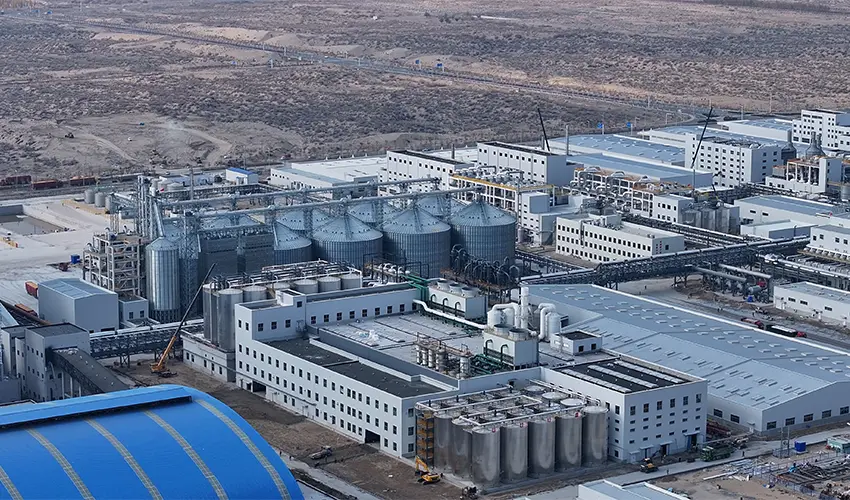
Partner with Agrifam Co., Ltd.
Partner with Agrifam Co., Ltd. to transform your food processing operations. From financial support and design to manufacturing and commissioning, our integrated, one-stop solutions help your business achieve efficiency, safety, and sustainability goals. Contact us today for a consultation tailored to your specific requirements. Reach us at 010-8591 2286 or [email protected].
Frequently Asked Questions About Integrated Food Processing
What are the benefits of an integrated farm-to-table food processing solution?
An integrated farm-to-table solution provides control over the entire supply chain, which directly improves product consistency and quality. When all stages operate under coordinated management, handoff problems disappear and standards remain uniform throughout. Operating costs typically decrease because integrated systems eliminate redundant steps, optimize resource use, and reduce waste at transition points. Food safety and traceability also strengthen significantly—tracking products from origin to consumer becomes straightforward when data flows through connected systems rather than jumping between disconnected operations.
How can a food processing plant ensure compliance with global food safety standards?
Compliance starts with implementing structured food safety compliance strategies, particularly HACCP systems that identify and control hazards at critical points. Traceability systems for food products must capture lot information, processing parameters, and handling records automatically as products move through operations. This documentation enables rapid response when issues arise. Regular third-party audits verify that documented procedures match actual practices. Staff training ensures that everyone understands their role in maintaining standards. Regulatory requirements evolve, so compliance programs need regular review and updating to address new standards and emerging risks.
What advanced technologies are used in modern deep processing facilities?
Modern deep processing facilities rely on food processing automation for precision and throughput. Automated systems control extraction parameters, monitor quality in real-time, and adjust processes to maintain specifications despite variation in incoming materials. Protein extraction methods have become highly sophisticated, using membrane filtration, chromatography, and enzymatic treatments to isolate specific fractions with defined functional properties. These deep processing technologies support value-added product innovation by enabling production of specialized ingredients that command premium prices in food, pharmaceutical, and industrial markets.
