A signature scent does something no visual or verbal message can replicate. It bypasses conscious thought and lands directly in memory. When a brand gets this right, customers don’t just recognize the product—they feel something. That emotional shortcut is what makes brand fragrance formulation worth the investment of time and expertise it demands.
Why Scent Works as a Brand Asset
Fragrance creation sits at the intersection of chemistry and intuition. The goal is never just to smell good. It’s to translate a brand’s character into something people can experience without words. That translation requires understanding how aromatic compounds behave over time, how they interact with skin and air, and how different cultures interpret the same scent differently.
The process starts with a clear creative brief, but the real work happens in iteration. A perfumer might test dozens of variations before a composition feels right. Each adjustment shifts the balance between freshness and depth, between familiarity and distinction.
How the Olfactory Pyramid Shapes Perception
Every fragrance unfolds in stages. The olfactory pyramid describes this evolution: top notes hit first, middle notes define the character, and base notes provide staying power.
Top notes are the introduction. They’re light, often citrus or herbal, and they fade within minutes. Middle notes—sometimes called heart notes—emerge as the top notes dissipate. These form the core identity of the scent and typically last a few hours. Base notes anchor everything. They’re richer, often woody or musky, and they linger longest on skin or fabric.
A well-constructed pyramid doesn’t just smell pleasant at each stage. It tells a coherent story from first impression to final trace. When the balance is off, the fragrance feels disjointed—sharp at the start, flat in the middle, or gone too soon.
Sourcing Ingredients That Match the Brand
Brand fragrance formulation depends heavily on ingredient quality and origin. The same aromatic compound can vary dramatically depending on where it’s grown, how it’s extracted, and how it’s stored.
Natural fragrance ingredients bring complexity and depth that synthetic alternatives often can’t replicate. But synthetics offer consistency, stability, and access to scent profiles that don’t exist in nature. Most commercial fragrances use both, blending them to achieve specific effects.
Sourcing decisions also carry ethical weight. Consumers increasingly care about supply chain transparency. Brands that can demonstrate responsible sourcing—whether for sandalwood, vanilla, or lab-created molecules—build trust that extends beyond the product itself.
Building a Scent Profile from Raw Materials
Perfumers approach raw material selection the way a chef approaches ingredients. They consider not just individual qualities but how components interact. Some compounds amplify each other. Others cancel out or create unexpected effects.
The selection process draws on extensive knowledge of extraction techniques, volatility rates, and emotional associations. A perfumer might choose a particular rose absolute for its honeyed undertones or a specific synthetic musk for its clean finish. These decisions accumulate into something distinctive.
Experience matters here. A perfumer with a deep library of past formulations can draw on patterns that accelerate the creative process without sacrificing originality.
Moving from Concept to Finished Product
The technical stages of fragrance development follow a predictable sequence, though the timeline varies widely depending on complexity and regulatory requirements.
Initial ideation translates the brand brief into rough scent directions. These early concepts get refined through multiple rounds of sampling and feedback. Each iteration adjusts the formula—sometimes by fractions of a percent—until the composition achieves the target profile.
Testing runs parallel to formulation. Stability testing confirms the fragrance holds up over time and under various conditions. Performance testing measures sillage (how far the scent projects) and longevity (how long it lasts). These metrics matter because a beautiful fragrance that disappears in twenty minutes won’t serve a brand well.
Concentration levels also require careful calibration. The table below shows typical ranges:
| Fragrance Concentration | Typical Oil Percentage | Longevity | Application |
|---|---|---|---|
| Eau de Parfum (EDP) | 15-20% | 4-5 hours | Everyday wear |
| Eau de Toilette (EDT) | 5-15% | 2-3 hours | Casual use |
| Eau de Cologne (EDC) | 2-4% | 1-2 hours | Refreshing |
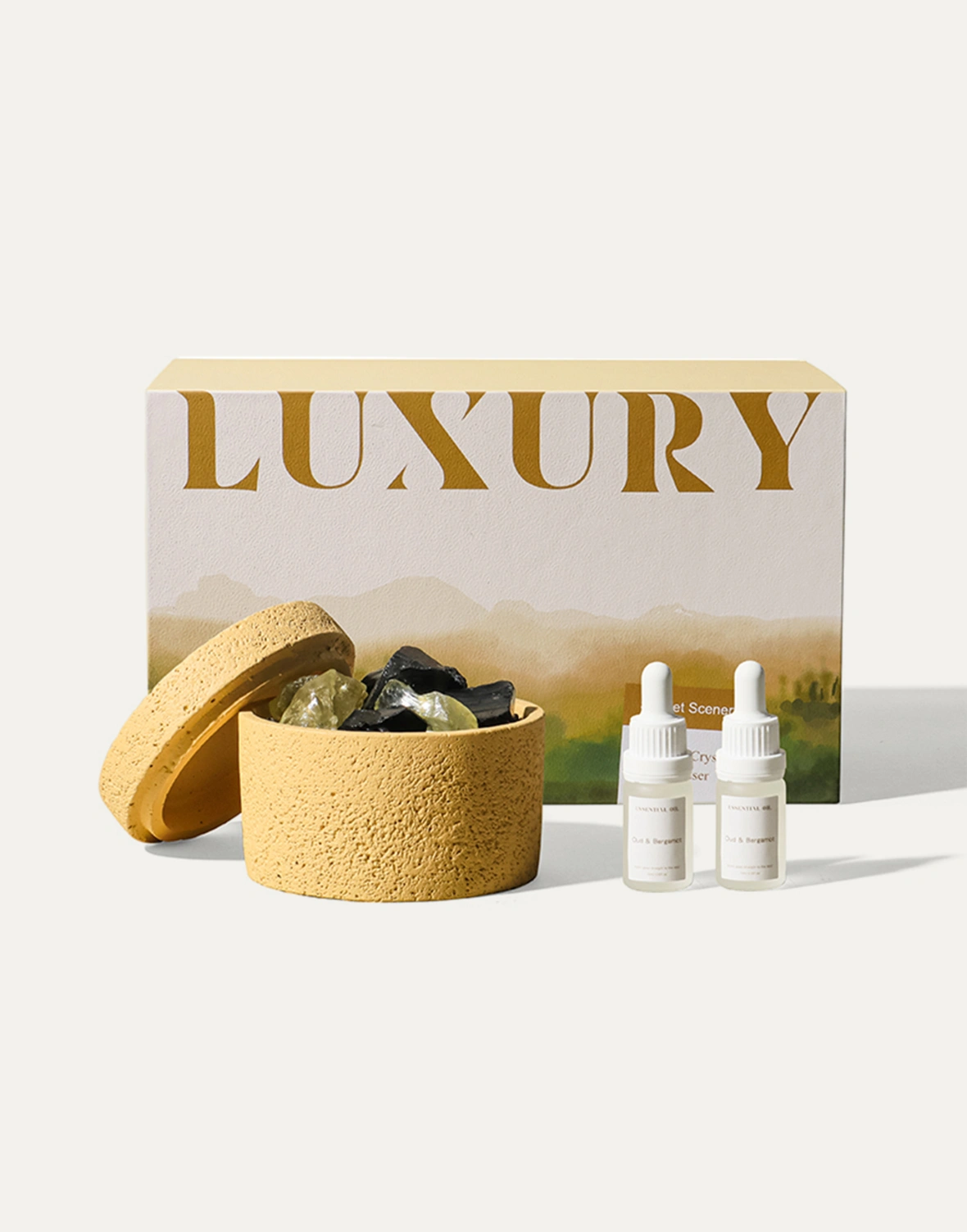
A Home Essential Oil Diffuser Aroma Dispenser Machine designed for continuous ambient scenting might use different concentration logic than a personal fragrance, prioritizing diffusion efficiency over skin performance.
Regulatory Requirements That Shape Formulation
Compliance isn’t optional in brand fragrance formulation. International standards—particularly IFRA guidelines—restrict certain ingredients and set concentration limits for others. These rules exist to protect consumers from allergens and sensitizers.
Regional variations add complexity. A formula that’s compliant in Europe might require adjustment for sale in Asia or North America. Labeling requirements differ too, affecting how ingredients must be disclosed.
Quality control extends beyond regulatory compliance. It includes batch consistency, contamination prevention, and documentation that supports intellectual property protection. Brands investing in custom fragrances need assurance that their formulas remain proprietary.
Launching Without Regulatory Surprises
The most common mistake in fragrance launches is underestimating regulatory timelines. Ingredient restrictions can force last-minute reformulation. Missing documentation can delay market entry by months.
Experienced development partners anticipate these issues. They build compliance checkpoints into the process from the start, reducing the risk of costly surprises late in the project.
Connecting Fragrance to Brand Strategy
A technically excellent fragrance still needs strategic alignment to deliver business value. Market research identifies which scent profiles resonate with target consumers. Competitive analysis reveals gaps and opportunities in the olfactory landscape.
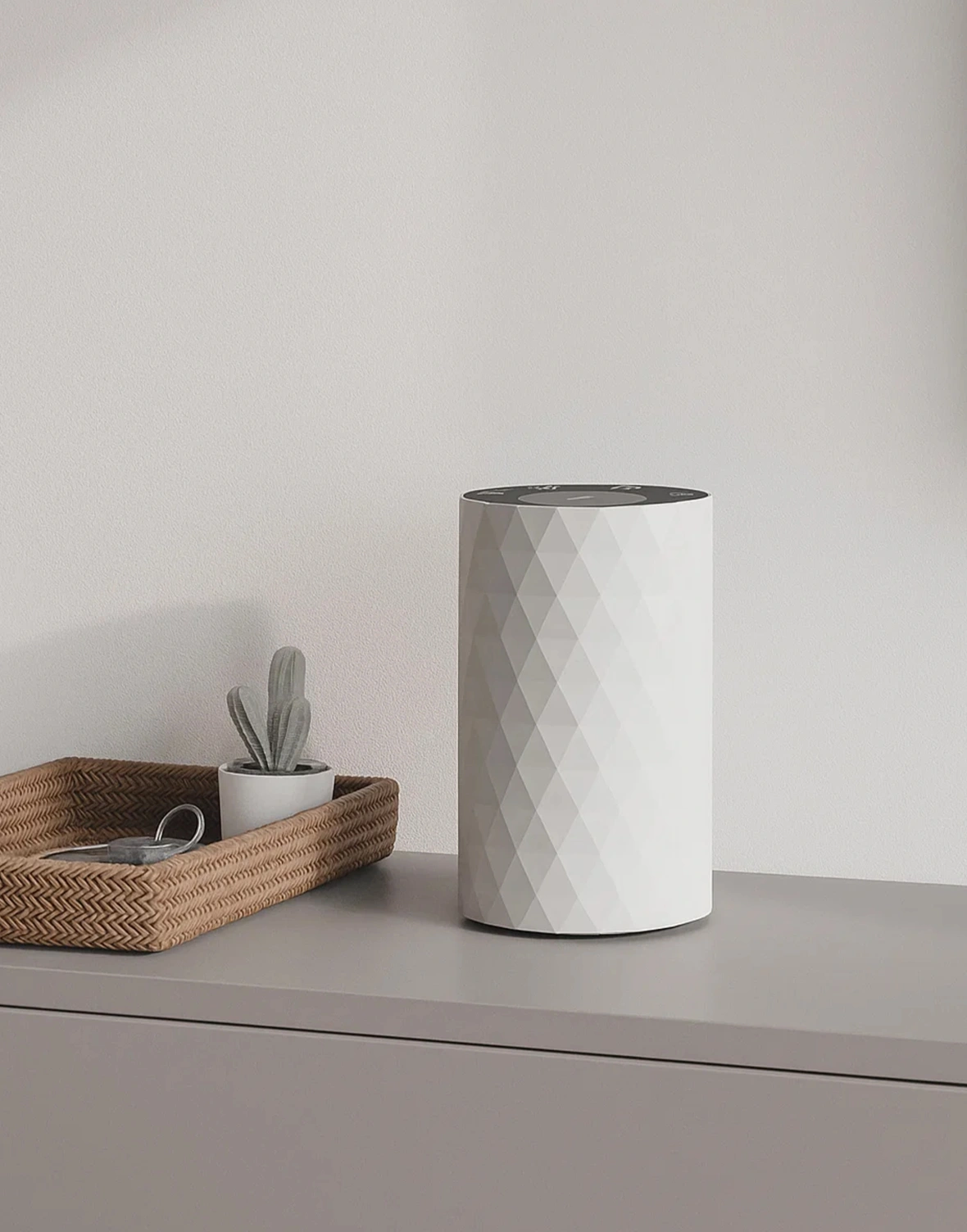
Brand fragrance formulation works best when it’s integrated with broader marketing efforts. A signature scent can reinforce visual identity, support experiential marketing, and create consistency across touchpoints. A Scent-Share Commercial Scent Oil Diffuser Bluetooth APP allows brands to deploy their signature scent in retail spaces, hotels, or offices with precise control over timing and intensity.
The emotional impact of scent marketing is well-documented. Customers exposed to a consistent brand fragrance show higher recall rates and stronger emotional associations. That’s not just pleasant—it’s measurable.
The Development Sequence from Brief to Launch
Developing a signature fragrance follows a structured path:
Strategy definition establishes the brand’s olfactory goals and emotional targets. What should the scent communicate? Who is the audience? How will it be deployed?
Concept development translates strategy into initial scent directions. Perfumers create multiple options for evaluation.
Iterative refinement narrows the field. Feedback loops between the brand team and perfumers shape the composition toward its final form.
Testing and validation confirms stability, safety, and market fit. Consumer testing provides real-world feedback before full commitment.
Production and launch scale the formula for commercial use. Quality control ensures consistency across batches.
This sequence typically takes 6 to 24 months, depending on complexity and regulatory requirements.
 ## Work With a Team That Understands the Full Process
Scent-Share Technology brings over a decade of global experience to brand fragrance formulation, with more than 300 unique scent creations across industries. Our integrated approach—covering R&D, production, and market strategy—means clients work with a single partner from concept through launch.
If you’re ready to explore what a signature scent could do for your brand, reach out at [email protected] or call +86 185 6557 5758 / +86 134 2048 5758.
Frequently Asked Questions About Brand Fragrance Formulation
How long does the typical brand fragrance development process take?
Most projects run between 6 months and 2 years. Simpler formulations with fewer regulatory hurdles move faster. Complex compositions requiring extensive stability testing or multi-market compliance take longer. Integrated development partners can compress timelines by running parallel workstreams.
What is the role of a perfumer in creating a unique brand fragrance?
The perfumer interprets the brand’s vision and translates it into a formula. This requires deep knowledge of raw materials, extraction methods, and how different aroma compounds interact. A skilled perfumer balances creative intuition with technical precision, adjusting compositions through multiple iterations until the scent achieves the desired effect.
Can Scent-Share Technology assist with sustainable and ethical fragrance ingredient sourcing?
Yes. Sustainable sourcing is built into our development process. We work with suppliers who meet ethical standards for both natural and synthetic ingredients. Our R&D team also develops eco-friendly formulations that reduce environmental impact without compromising quality or performance.