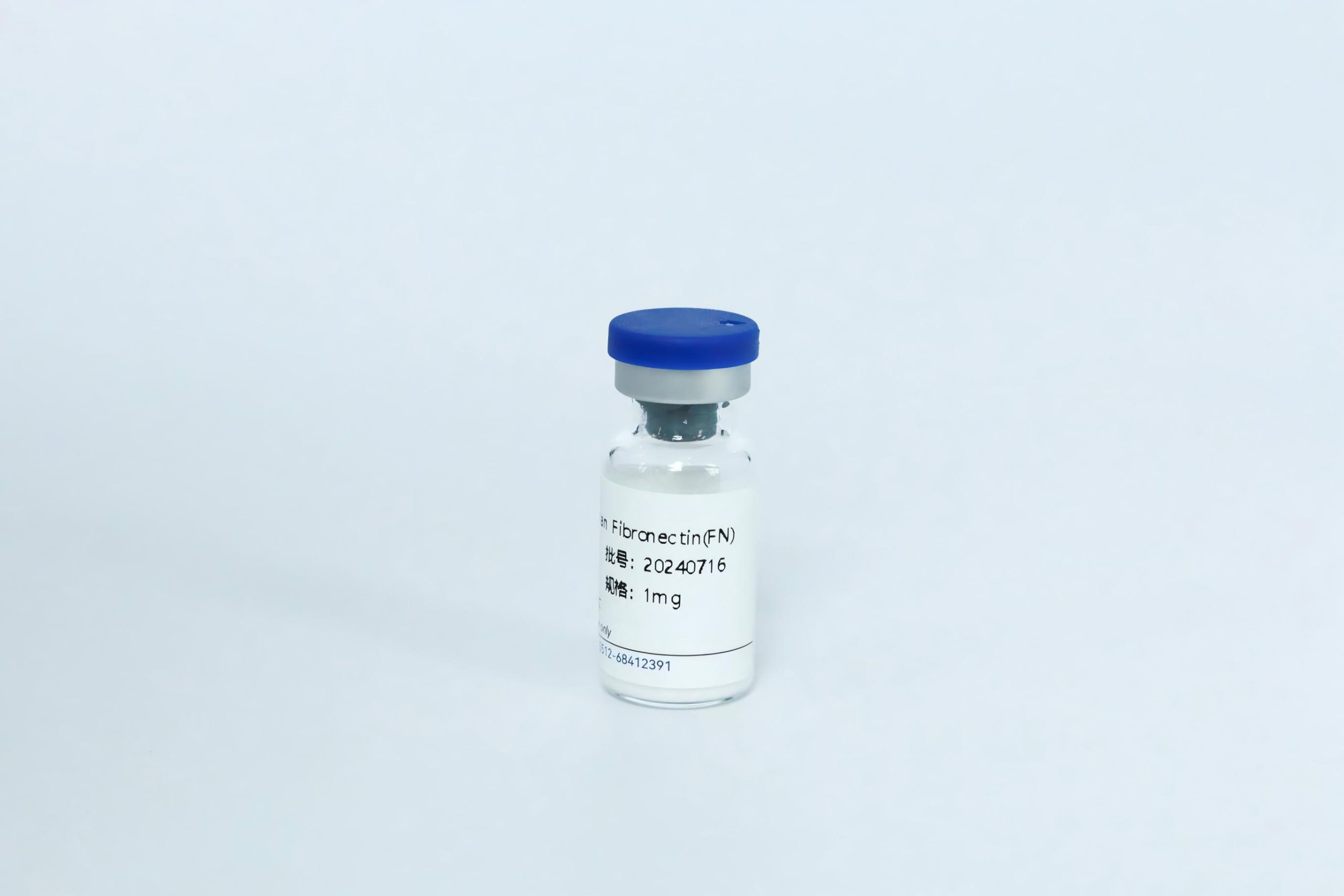
Iron delivery in serum-free systems has always been one of those problems that sounds simple until you actually try to solve it at scale. Cells need iron for basic metabolic functions, but the moment you remove serum from the equation, you lose the natural transport mechanisms that made iron bioavailable in the first place. Recombinant human transferrin in its HOLO form addresses this gap directly by providing a defined, consistent source of iron-saturated protein that cells can actually use. The shift toward animal-origin-free manufacturing has made this protein increasingly central to modern bioprocessing workflows.
How HOLO Transferrin Functions in Cellular Iron Uptake
HOLO transferrin works through a receptor-mediated process that mirrors what happens naturally in the body. The protein binds to transferrin receptors on the cell surface, gets internalized through endocytosis, and releases its iron payload inside the cell. That iron then feeds into enzymatic reactions, DNA synthesis, and the electron transport chain during cellular respiration.
In serum-free media, this mechanism becomes critical because there is no alternative iron delivery system in place. Traditional serum contains transferrin along with dozens of other proteins that collectively support cell metabolism. When you strip that away for the sake of consistency and safety, you need to replace the iron transport function explicitly. HOLO transferrin fills that role without introducing the variability that comes with animal-derived supplements.
The practical outcome is that cells maintain their proliferation rates and metabolic activity even in highly defined culture conditions. This matters for any application where you need predictable growth kinetics, whether that is producing therapeutic proteins, expanding stem cell populations, or generating exosomes for research or clinical use.
Why Recombinant Sources Outperform Animal-Derived Transferrin
The case for recombinant human transferrin over animal-derived alternatives comes down to three factors that compound over time in manufacturing settings.
First, contamination risk drops substantially. Animal-derived transferrin carries the potential for viral and prion contamination, which creates regulatory headaches and genuine safety concerns for therapeutic applications. Recombinant production eliminates these risks at the source rather than trying to test them away after the fact.
Second, batch consistency improves dramatically. Animal-derived proteins vary based on the source animals, collection conditions, and purification processes. These variations propagate through cell culture systems in ways that are difficult to predict or control. Recombinant transferrin comes from controlled expression systems where the manufacturing parameters stay constant from batch to batch.
Third, regulatory documentation becomes simpler. Defined composition means you can characterize the product completely and demonstrate that characterization to regulatory agencies without the caveats that come with complex biological mixtures.
Studies comparing recombinant and animal-derived transferrin in various cell lines consistently show that recombinant sources support equivalent or better cell viability and productivity. The performance advantage is not always dramatic, but the risk reduction and consistency improvements make the switch worthwhile for most serious manufacturing operations.
Serum-Free Media Performance and Iron Bioavailability
Serum-free media formulations exist because manufacturers want to eliminate the variability and contamination risks that come with serum. The tradeoff is that you have to explicitly provide everything cells need, and iron is one of the nutrients that requires careful attention.
Iron in its free form is poorly soluble and potentially toxic to cells. HOLO transferrin solves both problems by keeping iron bound in a stable, soluble complex until it reaches the cell interior. The transferrin receptor system evolved specifically to handle this delivery mechanism, so cells are well-equipped to extract iron from the protein efficiently.
The result in practice is that serum-free cultures supplemented with HOLO transferrin achieve cell densities and productivity levels comparable to serum-containing systems. This is not automatic; the rest of the media formulation still matters, and iron is just one piece of a larger nutritional puzzle. But without adequate iron delivery, even well-designed serum-free media will underperform.
For applications like stem cell culture, where the culture environment directly influences differentiation outcomes, the consistency of HOLO transferrin becomes particularly valuable. Small variations in iron availability can shift cell behavior in ways that are difficult to troubleshoot after the fact.
Manufacturing Standards for Pharmaceutical-Grade Material
cGMP manufacturing for recombinant proteins involves a level of documentation and process control that goes well beyond standard laboratory production. Every step from raw material sourcing through final product release operates under defined procedures with traceable records.
For recombinant human transferrin intended for biopharmaceutical applications, this means comprehensive characterization of the protein itself, including identity, purity, potency, and stability over time. It also means validated manufacturing processes that produce consistent results across production campaigns.
The investment required to maintain cGMP compliance is substantial. Facilities need appropriate environmental controls, equipment qualification, personnel training, and quality management systems. These costs get built into product pricing, but they also provide assurance that the material will perform consistently and meet regulatory expectations.
| Feature | Recombinant Human Transferrin | Animal-Derived Transferrin |
|---|---|---|
| Source | Human, recombinant | Bovine, Porcine, etc. |
| Contamination Risk | Very Low (no animal pathogens) | High (viruses, prions) |
| Batch Consistency | High | Variable |
| Defined Composition | Yes | No |
| Regulatory Burden | Lower | Higher |
Jiangsu East-Mab Biomedical Technology operates manufacturing facilities with over $30 million invested in recombinant protein research, validation, and production infrastructure. This scale of investment reflects the complexity of producing pharmaceutical-grade materials reliably.
Current Applications and Emerging Use Cases
Recombinant human transferrin already sees widespread use in therapeutic protein production and diagnostic assay development. These established applications value the protein for its safety profile and consistency.
Newer applications are expanding the market in interesting directions. Cell therapy manufacturing requires animal-free culture systems to meet regulatory expectations and reduce patient safety risks. Organoid research depends on defined culture conditions to produce reproducible results. Cultivated meat production, while still early-stage, will eventually need scalable sources of cell culture components that can meet food-grade standards.
Each of these applications has slightly different requirements, but they share a common need for reliable iron delivery in serum-free systems. HOLO transferrin fits that need across the board.
The broader trend in bioprocessing is toward greater definition and control of culture conditions. This trend favors recombinant components over animal-derived alternatives, and it creates ongoing demand for high-quality raw materials. Companies that can supply these materials at scale with appropriate quality documentation will find growing markets as the industry matures.
East-Mab’s product portfolio extends beyond transferrin to include FGFs and ILs that support various cell culture applications. This breadth allows customers to source multiple critical components from a single supplier with consistent quality standards.
Frequently Asked Questions About Recombinant Human Transferrin
What distinguishes HOLO transferrin from APO transferrin in cell culture applications?
HOLO transferrin carries iron bound to its active sites, making it immediately useful for cellular iron uptake. APO transferrin lacks bound iron and cannot deliver this nutrient directly. For most cell culture applications where iron supplementation is the goal, HOLO transferrin is the appropriate choice because cells can internalize it and extract the iron without additional processing steps.
What specific risks does recombinant production eliminate compared to animal sources?
Animal-derived transferrin can carry viruses, prions, and other adventitious agents that are difficult to detect and remove completely. Recombinant production uses defined host cells and controlled conditions that prevent these contaminants from entering the manufacturing process in the first place. This approach also eliminates the batch variability that comes from using biological source material with inherent differences between individual animals.
How does recombinant human transferrin integrate with chemically defined media formulations?
Recombinant human transferrin serves as the iron delivery component in many chemically defined media. Its defined composition and consistent performance allow formulators to specify exact concentrations and predict cell culture outcomes reliably. The protein provides iron bioavailability without introducing undefined components that would compromise the media’s chemically defined status.
Where should manufacturers source cGMP-grade recombinant human transferrin?
Manufacturers should look for suppliers with documented cGMP compliance, robust quality management systems, and demonstrated experience producing recombinant proteins for pharmaceutical applications. Jiangsu East-Mab Biomedical Technology specializes in cGMP-compliant recombinant protein raw materials with full traceability and quality documentation suitable for therapeutic and diagnostic product manufacturing.
Partner with East-Mab for Your Recombinant Protein Needs
Jiangsu East-Mab Biomedical Technology provides cGMP-grade recombinant human transferrin and related cell culture components for bioprocessing applications. Contact the team at +86-400-998-0106 or [email protected] to discuss specific requirements and learn how these materials can support your manufacturing and research programs.