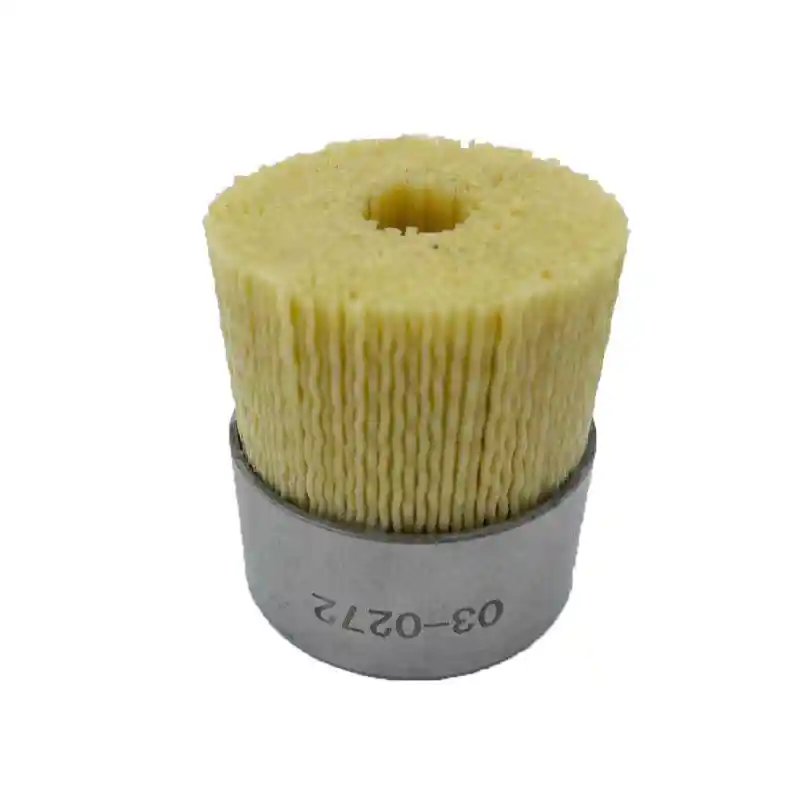

Picking the right abrasive brush comes down to knowing what silicon carbide and aluminum oxide actually do differently. I’ve watched shops struggle with this choice for years, usually because they’re guessing based on price or habit rather than matching the abrasive to the job. The material you’re working with, the finish you need, and how long you want the brush to last all point toward one abrasive or the other. Getting this wrong means slower work, shorter brush life, or a finish that doesn’t meet spec.
What Makes Silicon Carbide and Aluminum Oxide Behave Differently
Silicon carbide and aluminum oxide are both synthetic abrasives, but they cut and wear in fundamentally different ways. Silicon carbide forms hexagonal crystals that are extremely sharp and break apart easily under pressure. This constant fracturing exposes fresh cutting edges throughout the brush’s life. On the Mohs hardness scale, silicon carbide sits between 9 and 9.5.
Aluminum oxide takes a different approach. The crystals form tough, blocky shapes that resist breaking down. At Mohs 9, it’s slightly softer than silicon carbide, but that toughness means the grains hold together longer under stress. The trade-off is straightforward: silicon carbide keeps renewing its cutting edges while aluminum oxide maintains its structure.
| Property | Silicon Carbide (SiC) | Aluminum Oxide (Al2O3) |
|---|---|---|
| Mohs Hardness | 9.0 – 9.5 | 9.0 |
| Friability | High (fractures easily, self-sharpening) | Low (tough, resists fracturing) |
| Crystal Shape | Sharp, angular, needle-like | Blocky, irregular |
| Color | Black or green | Brown, white, or pink |
| Thermal Shock | Excellent | Good |
| Purity | High (typically >97% SiC) | Varies (brown, white, or pink depending on purity) |
How Each Abrasive Actually Cuts and Wears
The way these abrasives perform in real applications follows directly from their physical properties. Silicon carbide’s sharp, friable grains bite into material quickly. On harder substrates that don’t give much, this aggressive cutting action removes stock fast. The grains keep fracturing, so the brush doesn’t glaze over or lose its edge. You get consistent cutting from start to finish.
Aluminum oxide works differently. Those tough, blocky grains don’t break down as readily, which means the brush lasts longer in applications where you’re applying steady pressure over time. The cutting action is less aggressive, but the brush keeps working session after session. For general deburring on steel parts, this durability often matters more than raw cutting speed.
Why Hardness Alone Doesn’t Tell the Whole Story
A harder abrasive can scratch and cut softer materials more effectively. That much is obvious. But hardness without friability creates problems. If the abrasive grains stay intact too long, they dull and start sliding across the surface instead of cutting. The brush glazes over and stops working efficiently. Friability solves this by ensuring fresh cutting points keep appearing. This balance between hardness and friability determines how well a brush maintains its performance over its working life.
For more on how abrasive tools perform in practice, see 《abrasive disc brush an efficient tool for many applications》.
Matching the Abrasive Brush to Your Material
The material you’re processing largely determines which abrasive brush makes sense. Silicon carbide handles non-ferrous metals like aluminum, brass, and copper particularly well. Its sharp grains cut cleanly without generating excessive heat or smearing the surface. Glass, ceramics, and composites also respond well to silicon carbide because the aggressive cutting action prevents chipping and fiber pull-out.
Aluminum oxide earns its reputation on ferrous metals. Steel, stainless steel, and cast iron all benefit from its toughness. The brush holds up under the sustained pressure these materials require, and the cost per part stays reasonable. Wood sanding and general cleaning tasks also favor aluminum oxide because the brush keeps working without constant replacement.
| Material Type | Recommended Abrasive | Primary Advantage |
|---|---|---|
| Non-ferrous Metals | Silicon Carbide | Sharp cutting, minimal heat, fine finish |
| Glass/Ceramics | Silicon Carbide | Aggressive cutting, prevents chipping |
| Composites | Silicon Carbide | Clean cutting, reduces fiber pull-out |
| Ferrous Metals | Aluminum Oxide | Durability, aggressive stock removal, cost-effective |
| Wood | Aluminum Oxide | Consistent sanding, good lifespan |
| Plastics | Silicon Carbide | Clean cutting, prevents melting/smearing |
Where Silicon Carbide Pulls Ahead
Silicon carbide brushes shine when you need precision on challenging materials. Deburring aluminum components, polishing glass, finishing composites. These applications demand clean cuts and minimal heat buildup. The self-sharpening action keeps the brush performing consistently, which matters when surface quality specifications are tight.
For barrel parts and similar precision work, the choice of abrasive brush affects both accuracy and surface integrity. 《honing brush treat burrs in barrel parts without affecting accuracy and scale》 covers this in detail.
Real Costs Beyond the Purchase Price
Evaluating abrasive brushes on purchase price alone misses the point. A silicon carbide brush might cost more upfront, but if it cuts faster on your specific material, you save on labor and cycle time. The higher friability does mean the brush wears faster in some applications, so you need to factor in replacement frequency.
Aluminum oxide brushes typically cost less per unit and last longer for general-purpose work. High-volume operations on ferrous metals often find aluminum oxide more economical overall. The calculation also includes filament type, particle size, and how well the brush fits your existing equipment. Getting this right minimizes downtime and keeps costs predictable.
Can Aluminum Oxide Handle Aggressive Removal?
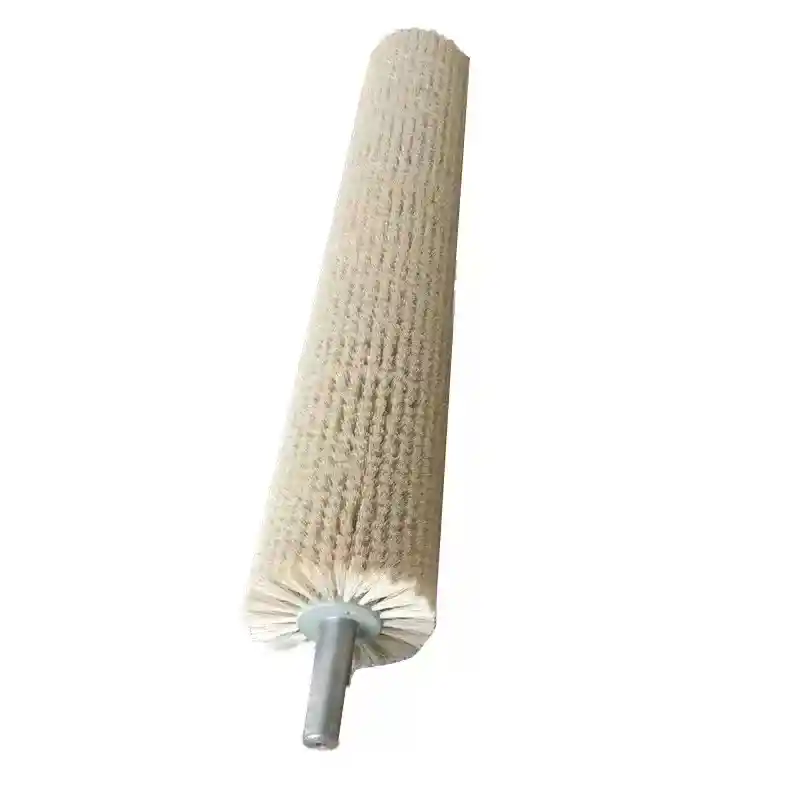
Aluminum oxide brushes work for both aggressive stock removal and finishing. The key is grit size. Coarser grits on aluminum oxide brushes remove material quickly on ferrous metals. The tough grains hold up under heavy pressure without breaking down prematurely. Finer grits provide excellent surface preparation. The abrasive’s versatility makes it a practical choice across a range of applications.
Keeping Operators Safe and Managing Waste
Abrasive brushes generate dust and debris that require proper handling. Operators need safety glasses, gloves, and respiratory protection. Local exhaust ventilation controls airborne particles and keeps the work area clean. These aren’t optional extras. They’re basic requirements for any operation using abrasive tools.
Both silicon carbide and aluminum oxide are chemically inert, which simplifies disposal somewhat. The dust itself is still a particulate pollutant that needs proper collection and disposal according to local regulations. Responsible waste management protects both workers and the broader environment.
Where Abrasive Brush Technology Is Heading
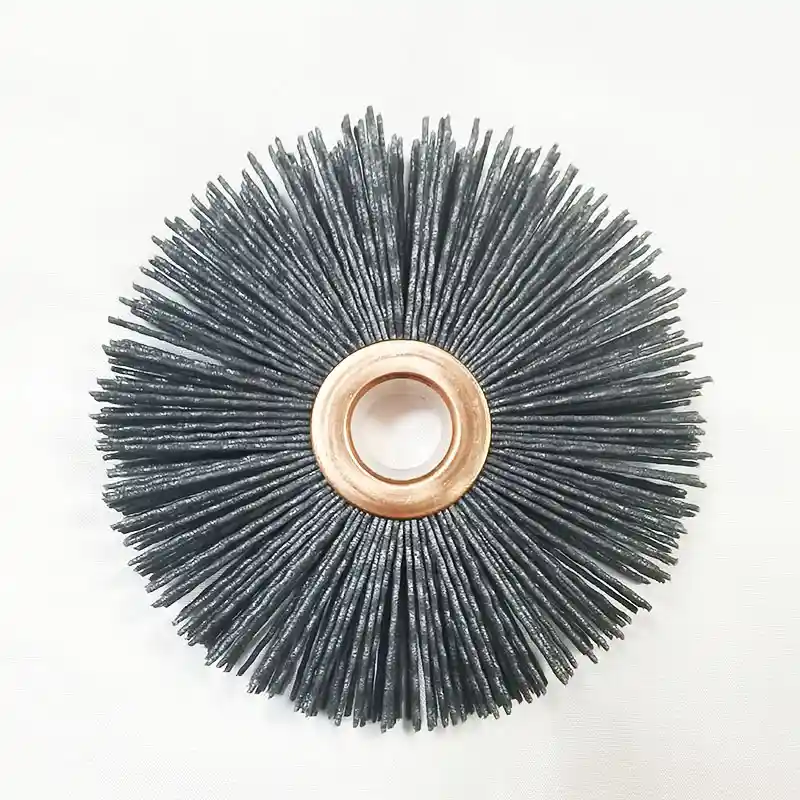
Abrasive brush development continues to push toward better efficiency and longer life. New abrasive formulations offer improved wear resistance and more controlled friability. Brush designs are becoming more specialized, with some incorporating sensors for real-time performance monitoring. These smart tools can flag when a brush is wearing unevenly or approaching the end of its useful life.
Customization has become increasingly important. Manufacturers now offer brushes tailored to specific processes, with options for filament type, grit size, and brush configuration. This level of customization helps operations optimize their surface treatment results rather than settling for general-purpose tools.
Working with Shanghai Huixi Trading Co., Ltd.
Shanghai Huixi Trading Co., Ltd. brings 16 years of manufacturing experience to abrasive brush applications. Whether your work calls for silicon carbide’s aggressive cutting or aluminum oxide’s durable finishing, our team provides technical support and custom ODM/OEM services. We offer competitive pricing, low MOQ, free samples, and fast delivery for deburring, cleaning, polishing, and sealing applications. Contact us to discuss your specific requirements. +86 1580 0932 713 | [email protected]
Common Questions About Abrasive Brushes
How do silicon carbide and aluminum oxide brushes compare on durability?
Silicon carbide brushes wear faster because the grains fracture to stay sharp. Aluminum oxide brushes last longer in applications with sustained pressure because the tougher grains resist breaking down. For high-volume work on ferrous metals, aluminum oxide typically delivers better tool life. For precision work on non-ferrous materials, silicon carbide’s shorter life is offset by superior cutting performance.
Which abrasive brush works better for delicate finishing?
Silicon carbide brushes generally produce better results on delicate finishing work, especially on non-ferrous metals and composites. The sharp, fine grains remove material precisely without damaging the surface. Aluminum oxide can finish effectively too, but silicon carbide often achieves a smoother result on materials that are prone to smearing or heat damage.
What’s the practical difference between silicon carbide’s hardness and friability versus aluminum oxide?
Silicon carbide’s higher hardness (Mohs 9-9.5) and greater friability mean it cuts aggressively and keeps renewing its cutting edges. This works well on hard, brittle materials. Aluminum oxide (Mohs 9) is tougher and resists fracturing, which extends brush life for general-purpose applications. The choice depends on whether you need aggressive cutting or sustained durability.
Do these abrasive brushes require different maintenance?
Both types need regular cleaning to remove accumulated debris and proper storage to prevent damage. Silicon carbide brushes may need more frequent wear inspection because of their higher friability. Aluminum oxide brushes should be monitored for glazing, which reduces cutting efficiency. Consistent maintenance extends the working life of either type.