Recombinant Human Keratinocyte Growth Factor sits at an interesting intersection of molecular biology and practical medicine. It’s one of those proteins that does exactly what its name suggests — drives keratinocyte proliferation — but the downstream implications reach far beyond skin cells. Working with rhKGF over the years, what strikes me most is how its specificity for epithelial tissues makes it both predictable in research settings and genuinely useful in therapeutic development. The protein’s reliability stems from its well-characterized receptor binding, which translates to consistent results when the material quality holds up.
What Recombinant Human KGF Actually Does at the Cellular Level
Recombinant Human Keratinocyte Growth Factor, also designated as fibroblast growth factor 7 (FGF-7), belongs to the FGFs family but behaves quite differently from its relatives. While most FGFs interact with multiple receptor types across various cell populations, FGF-7 shows remarkable selectivity for the FGFR2b receptor expressed predominantly on epithelial cells. This receptor specificity isn’t just a biochemical curiosity — it’s what makes recombinant human KGF so useful in applications where you need epithelial proliferation without triggering responses in surrounding mesenchymal tissue.
The binding event initiates intracellular signal transduction cascades that ultimately promote cell division and survival. Epithelial cells respond by entering the cell cycle and proliferating, which explains why recombinant human KGF proves valuable in wound healing contexts and tissue engineering applications. The Recombinant Human FGF-7/KGF produced in CHO cells demonstrates this biological activity clearly, with purity levels reaching ≥95% and bioactivity confirmed through Mv.1.Lu cell proliferation assays showing ED₅₀ values ≤10 ng/mL.
How Manufacturing Processes Determine rhKGF Quality
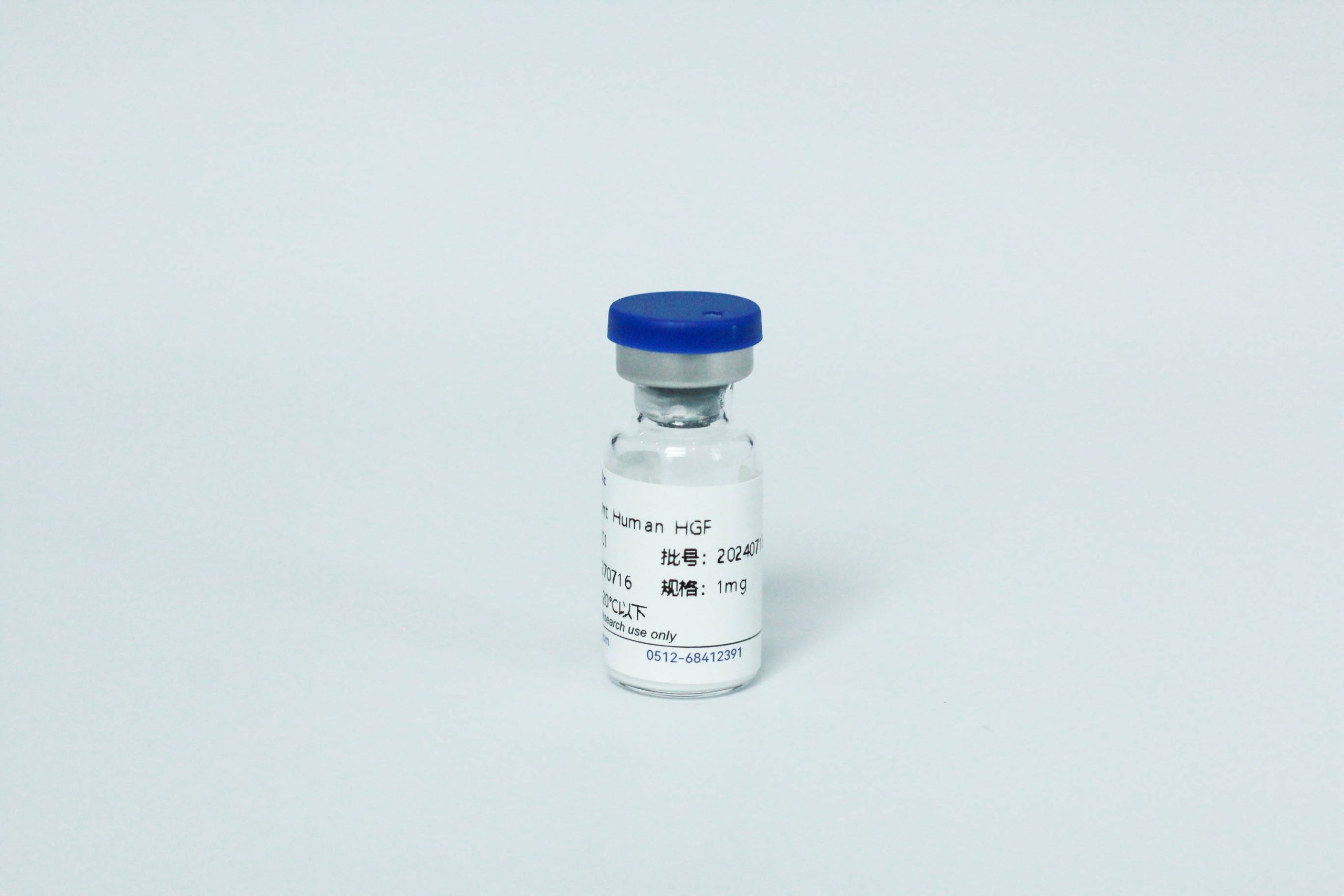
Producing recombinant human KGF at pharmaceutical grade requires attention to details that aren’t always obvious from product specifications alone. The expression system matters significantly — CHO cells remain a preferred host because they perform post-translational modifications similar to human cells, which affects both protein folding and biological activity. Getting the expression conditions right is only the first step.
Purification presents its own challenges. Multi-step chromatography protocols remove host cell proteins, DNA, and other contaminants while preserving the native conformation of recombinant human KGF. Each purification step involves tradeoffs between yield and purity, and the sequence of steps affects final product characteristics. At East-Mab Bio, the purification process achieves the high purity levels necessary for sensitive downstream applications.
Quality control extends beyond simple purity measurements. Bioactivity testing using Mv.1.Lu cell proliferation assays confirms that the purified recombinant human KGF actually functions as expected. Stability studies under various storage conditions establish shelf life parameters for the lyophilized powder format. Bioreactor technology enables scale-up while maintaining batch-to-batch consistency, which matters enormously when researchers need reproducible results across multi-year projects.
Analytical Methods That Confirm Product Integrity
The validation standards applied to recombinant human KGF production determine whether the final product performs reliably in research and development settings. SDS-PAGE provides a straightforward assessment of molecular weight and major contaminants. HPLC offers higher resolution for detecting degradation products or closely related impurities. Mass spectrometry confirms the amino acid sequence and identifies any modifications that might affect biological activity.
Endotoxin control deserves particular attention because even low levels can confound cell-based assays. The ≤10 EU/mg specification for rhKGF products reflects the stringent requirements of cell culture applications where endotoxin contamination would introduce unwanted inflammatory responses. Functional assays using Mv.1.Lu cells directly measure what matters most — whether the recombinant human KGF actually stimulates epithelial cell proliferation at the expected potency levels.
Where Recombinant Human KGF Creates Value Across Industries
The epithelial specificity of recombinant human KGF opens applications across surprisingly diverse fields. Regenerative medicine represents the most intuitive use case — accelerating wound healing and supporting tissue engineering constructs that require epithelial coverage. The protein promotes both proliferation and migration of keratinocytes, which together drive re-epithelialization of damaged surfaces.
Cell culture applications extend beyond simple media supplementation. Organoid culture systems benefit from recombinant human KGF when developing epithelial-containing structures for drug discovery or disease modeling. The protein supports the growth of complex three-dimensional tissue models that better recapitulate in vivo physiology compared to traditional monolayer cultures.
Cell therapy development increasingly incorporates recombinant human KGF to expand therapeutic cell populations before administration. Stem cell differentiation protocols may include the growth factor to guide progenitor cells toward epithelial lineages. The cultivated meat industry has emerged as an unexpected application area, using recombinant human KGF to support efficient cell proliferation in bioreactor systems.
| Application Area | Specific Use Case | Benefit of rhKGF |
|---|---|---|
| Regenerative Medicine | Wound Healing, Tissue Engineering | Accelerates epithelial repair, promotes cell growth |
| Cell Culture | Media Supplementation, Organoid Culture | Enhances cell proliferation, supports 3D models |
| Cell Therapy | Expansion of Therapeutic Cells | Boosts cell viability and growth |
| Cosmetics | Skin Rejuvenation, Dermatological Treatments | Stimulates epidermal regeneration |
| Cultivated Meat | Cell Proliferation in Bioreactors | Drives efficient cell biomass production |
Regenerative Medicine Applications in Practice
Recombinant human KGF finds its most established applications in regenerative medicine contexts. The protein’s ability to stimulate epithelial regeneration translates directly to accelerated wound healing, particularly in skin and mucosal tissues. Keratinocyte proliferation and migration both increase in response to rhKGF exposure, which together speed the closure of epithelial defects.
Tissue engineering constructs benefit from recombinant human KGF when the goal involves establishing functional epithelial layers. The growth factor facilitates integration between engineered scaffolds and newly formed tissue. Stem cell differentiation protocols incorporate rhKGF to push progenitor cells toward epithelial fates, which proves essential for developing therapies targeting burns, chronic ulcers, and other conditions involving epithelial damage.
Why Supplier Selection Affects Research Outcomes
The quality of recombinant human KGF directly impacts experimental reproducibility in ways that aren’t always immediately apparent. Inconsistent bioactivity between batches introduces variability that can mask genuine biological effects or create false positives. Low purity levels mean that observed responses might reflect contaminant activity rather than rhKGF function. Elevated endotoxin levels trigger inflammatory pathways that confound interpretation of epithelial proliferation data.
Selecting suppliers requires evaluating more than price and availability. Documentation matters — Certificates of Analysis should include bioactivity data from relevant functional assays, not just purity measurements. Material Safety Data Sheets provide handling information that affects both safety and product integrity. East-Mab Bio provides research-grade and pharmaceutical-grade recombinant human KGF with comprehensive documentation supporting regulatory compliance requirements.
Technical support availability often distinguishes suppliers who understand their products from those simply distributing materials. Questions about reconstitution conditions, storage stability, and application-specific protocols arise regularly during research projects. Having access to knowledgeable support can prevent wasted time and materials when troubleshooting unexpected results.
How Material Quality Shapes Experimental Reliability
Experimental outcomes depend on recombinant human KGF quality in predictable ways. Protein integrity affects receptor binding affinity, which determines the concentration needed to achieve desired biological effects. Degraded material may show reduced potency or altered dose-response relationships compared to intact protein. Aggregated rhKGF can produce inconsistent results because aggregates may have different biological activities than properly folded monomers.
Contaminants introduce their own complications. Host cell proteins might have biological activities that interfere with intended assays. Residual DNA raises regulatory concerns for therapeutic applications. Endotoxin contamination activates immune cells and can trigger cytokine release that obscures epithelial-specific responses to recombinant human KGF. High-quality material with confirmed purity, consistent bioactivity, and minimal contaminants eliminates these variables from experimental design.
Emerging Directions for Recombinant Human KGF Research
The trajectory of recombinant human KGF applications points toward increasingly sophisticated uses. Personalized medicine approaches may incorporate rhKGF into patient-specific treatment regimens based on individual wound healing characteristics or tissue engineering requirements. Gene and cell therapy protocols continue exploring how the growth factor might enhance cellular engraftment and accelerate tissue repair following therapeutic cell administration.
Organoid technology advances create new demands for recombinant human KGF in drug discovery contexts. More physiologically relevant tissue models require growth factors that support complex epithelial structures while maintaining long-term culture stability. The protein’s role in these systems continues expanding as researchers develop increasingly sophisticated three-dimensional culture platforms.
Cultivated meat production represents a growth area where recombinant human KGF may find large-scale industrial application. The efficiency of cell proliferation in bioreactor systems directly affects production economics, creating demand for growth factors that reliably support high-density cell culture.
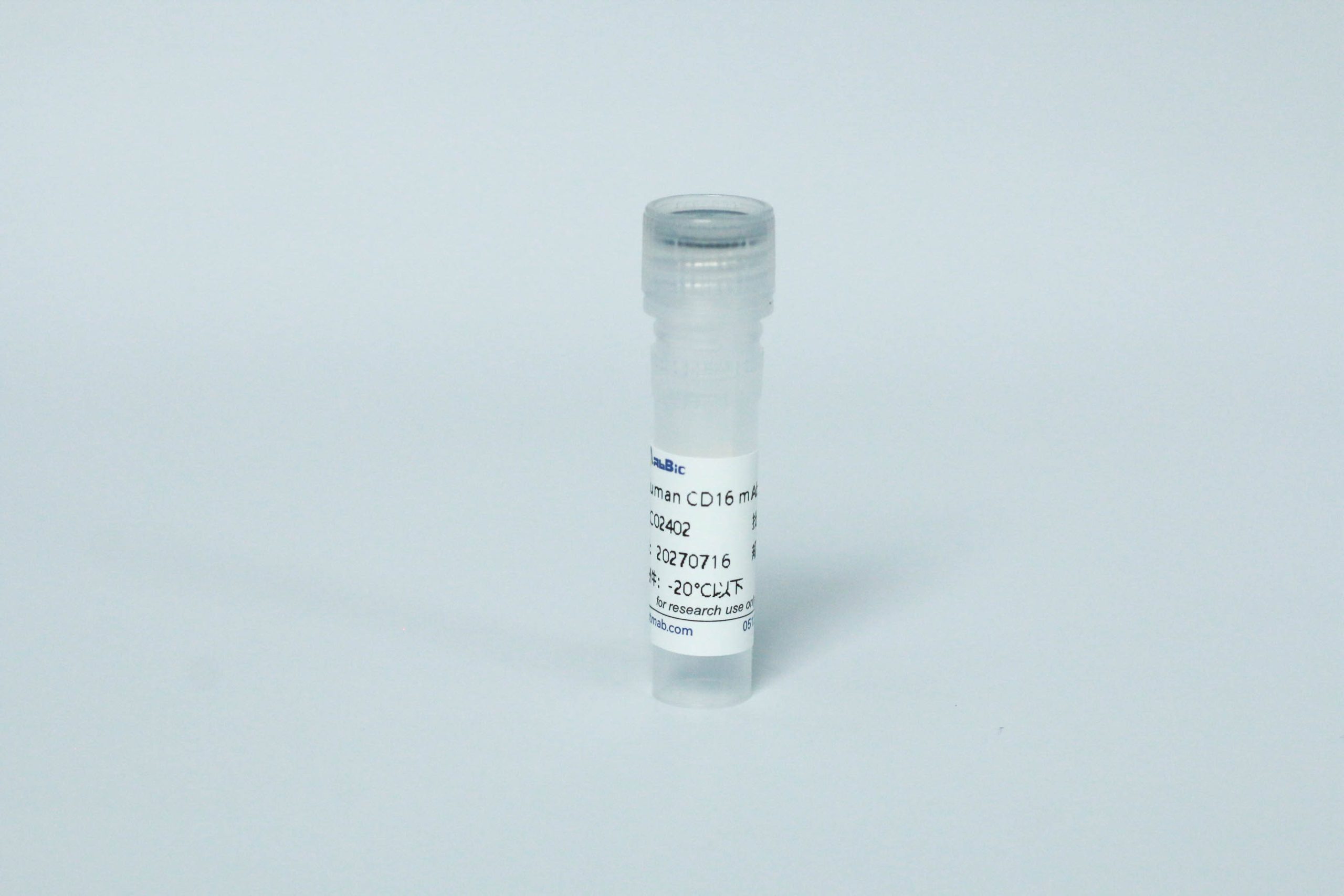
Working with East-Mab Bio for Recombinant Human KGF Supply
Jiangsu East-Mab Biomedical Technology Co., Ltd. produces recombinant human KGF meeting the quality standards required for research and pharmaceutical development applications. The manufacturing platform supports consistent production of material with documented purity, bioactivity, and stability characteristics. For projects requiring reliable recombinant human KGF supply, contact East-Mab Bio at +86-400-998-0106 or [email protected] to discuss specific requirements and product specifications.
Frequently Asked Questions about Recombinant Human KGF
What distinguishes recombinant human KGF from the naturally occurring protein?
Natural KGF (FGF-7) is produced by mesenchymal cells in the body and acts on nearby epithelial tissues through paracrine signaling. Recombinant human KGF is manufactured in controlled expression systems, typically CHO cells, that produce protein with identical amino acid sequence and biological activity. The key differences lie in purity, consistency, and availability. Recombinant production eliminates the batch-to-batch variability inherent in extraction from natural sources while achieving purity levels impossible through tissue-derived purification. This consistency makes recombinant human KGF suitable for research applications requiring reproducible results and pharmaceutical development demanding defined material specifications.
What should researchers consider when selecting a recombinant human KGF supplier?
Supplier selection should prioritize documented quality over price alone. Request Certificates of Analysis showing bioactivity data from functional assays, not just purity measurements by SDS-PAGE or HPLC. Verify that endotoxin levels meet requirements for your intended application — cell culture work typically needs ≤10 EU/mg or lower. Evaluate whether the supplier provides technical support for application-specific questions. East-Mab Bio offers recombinant human KGF with comprehensive documentation including CoA and MSDS, along with technical assistance for researchers working through protocol optimization.
How should recombinant human KGF be stored to preserve biological activity?
Lyophilized recombinant human KGF maintains stability at -20°C or -80°C for extended periods when stored properly. After reconstitution, prepare single-use aliquots to avoid repeated freeze-thaw cycles that degrade protein structure and reduce bioactivity. Store reconstituted aliquots at -20°C or -80°C rather than 4°C, where degradation occurs more rapidly. Follow product-specific instructions for reconstitution buffer composition and final concentration, as these parameters affect both immediate solubility and long-term stability of the recombinant human KGF preparation.
Can recombinant human KGF be used directly in human clinical trials?
Recombinant human KGF as a raw material requires additional processing and formulation before clinical use. The pathway from research-grade material to clinical trial involves manufacturing under GMP conditions, formulation development, stability testing, and regulatory submissions demonstrating safety and efficacy. East-Mab Bio provides recombinant human KGF suitable for preclinical research and early pharmaceutical development stages. Projects advancing toward clinical trials should discuss specific regulatory requirements and material specifications with both the supplier and relevant health authorities.