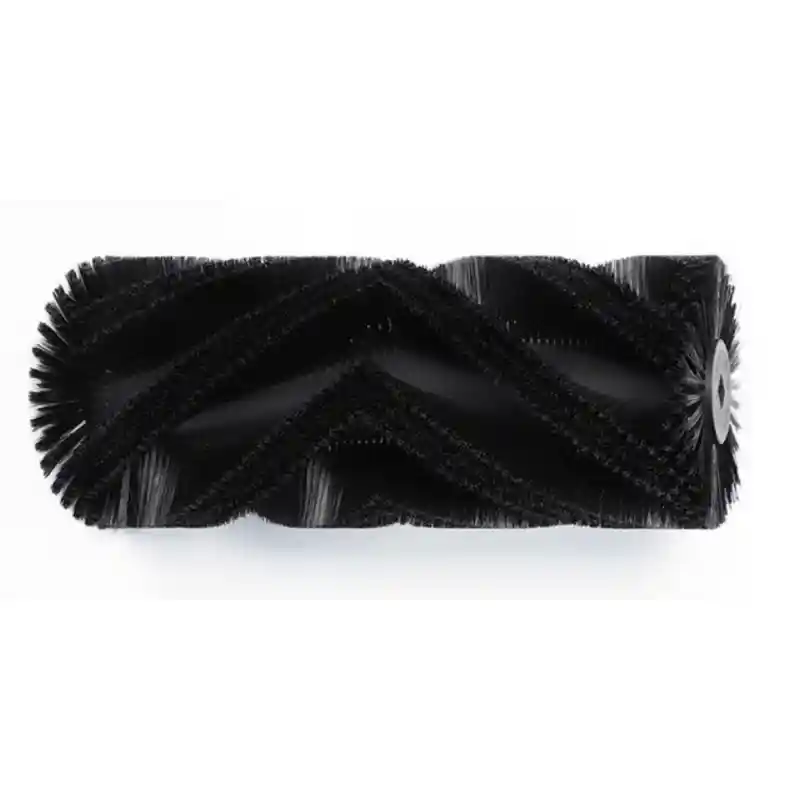

Road sweeper brushes don’t get much attention until they stop working. Then suddenly you notice the grit building up along curbs, the dust clouds trailing behind trucks, and the complaints rolling in. After years of working with municipal fleets and commercial operators, I’ve seen how the right brush material can transform a struggling sweeping program into one that runs quietly in the background—doing its job without drama. Polypropylene bristles have earned their place in this work, not through marketing claims but through consistent performance in conditions that destroy lesser materials.
How Polypropylene Became the Standard for Sweeper Brush Filaments
Polypropylene belongs to the thermoplastic polymer family, and its molecular structure explains why it dominates the brush filament market. The material resists abrasion at a level that matters when bristles drag across asphalt for hundreds of hours. Chemical stability keeps the filaments intact when they encounter road salts, motor oils, and the unpredictable cocktail of substances that accumulate on urban streets.
What sets PP apart from stiffer alternatives is its flexibility under load. Bristles bend to follow surface irregularities—cracks, expansion joints, uneven patches—rather than skipping over them. This conformability translates directly into debris pickup rates that justify the material choice.
The manufacturing process for polypropylene bristles allows precise control over diameter, taper, and crimp pattern. These variables determine how aggressively a brush attacks packed debris versus how gently it treats delicate surfaces. Getting this balance right requires understanding both the polymer’s behavior and the real-world conditions where the brush will operate.
Why PP Bristles Outlast Alternatives in Harsh Conditions
Sand and gravel act like sandpaper against brush filaments. Steel wire handles abrasion well initially but develops fatigue cracks and eventually rusts in wet environments. Natural fibers absorb moisture, lose stiffness, and degrade within weeks of heavy use. Polypropylene sidesteps these failure modes.
The material’s hydrophobic nature means water doesn’t penetrate the filament structure. Rain, snow, and standing water have no cumulative effect on bristle integrity. Road sweeper brushes made from PP maintain their working characteristics through seasonal changes that would destroy organic alternatives.
Chemical exposure presents another test that PP passes consistently. De-icing compounds, fuel spills, and hydraulic fluid leaks are routine hazards for sweeper brushes. Polypropylene shows no measurable degradation from these exposures, which explains why heavy-duty sweeper brushes in industrial settings almost universally specify this material.
What PP Brushes Actually Deliver for Municipal Street Cleaning
City maintenance departments face a specific challenge: covering large areas with limited equipment and tight budgets. Road sweeper brushes determine how much ground a single truck can clean effectively before bristle wear compromises results.
PP brushes excel at the mixed debris that defines urban sweeping—leaves, litter, sand accumulation, and the fine particulates that create air quality concerns. The bristle flexibility that allows surface conformity also enables effective dust suppression. Particles that would become airborne with stiffer brushes get captured and directed into the hopper.
Gutter broom performance matters particularly for municipal applications. These side-mounted brushes must reach into curb lines and sweep debris toward the main pickup path. PP filaments maintain the precise angle and stiffness needed for this task far longer than alternatives.
| Feature | PP Brushes | Steel Wire Brushes |
|---|---|---|
| Wear Resistance | Excellent across extended service life | Good initially, degrades with rust and fatigue |
| Chemical Resistance | High, unaffected by road salts and petroleum products | Moderate, susceptible to corrosion |
| Flexibility | Good surface conformity | Stiffer, misses surface irregularities |
| Noise Level | Lower operational noise | Higher, particularly on concrete |
| Cost Profile | Higher initial cost, lower lifetime cost | Lower initial cost, higher replacement frequency |
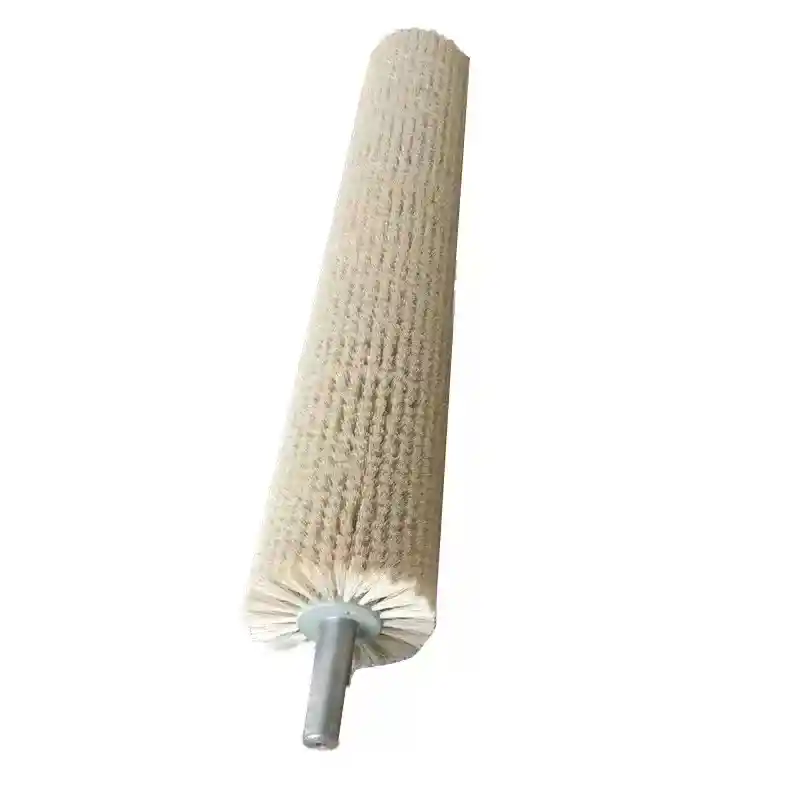
How Commercial and Industrial Operations Benefit from PP Brush Technology
Warehouse floors accumulate a different debris profile than city streets, but the performance requirements overlap significantly. Commercial floor cleaning demands brushes that handle fine dust without scattering it, while also managing the occasional bolt, packing material, or product spillage.
Industrial sweeping solutions face even more demanding conditions. Manufacturing facilities generate metal shavings, abrasive powders, and chemical residues that would quickly destroy brushes made from lesser materials. PP bristles maintain their working characteristics through these exposures.
Parking lot maintenance represents a middle ground between municipal and industrial applications. The debris mix includes sand, leaves, and litter similar to street sweeping, but the enclosed environment often means less frequent cleaning cycles. Brushes must perform effectively after sitting idle, without the moisture absorption and stiffness changes that affect natural fibers.
Airport runway sweeping presents perhaps the most demanding application. Foreign object debris poses genuine safety risks, and cleaning must be thorough without damaging runway surfaces. The combination of abrasion resistance, chemical stability, and precise surface contact that PP provides makes it the standard material for this critical application.
Construction site cleanup requires heavy industrial brushes capable of handling gravel, dried concrete, and metal debris. PP filaments in appropriate diameters provide the aggressive sweeping action needed without the rapid wear that would make the operation economically impractical.
Matching Brush Specifications to Your Actual Operating Conditions
Selecting road sweeper brushes involves more variables than most operators initially realize. Brush filament diameter affects both cleaning aggressiveness and wear rate—thicker filaments last longer but may miss fine debris. Brush density determines how thoroughly the bristles cover the swept surface and how much debris the brush can hold before releasing it.
Segment brush types allow replacement of worn sections rather than entire brush assemblies. This approach makes economic sense for operations with consistent wear patterns, where certain brush segments contact the surface more heavily than others.
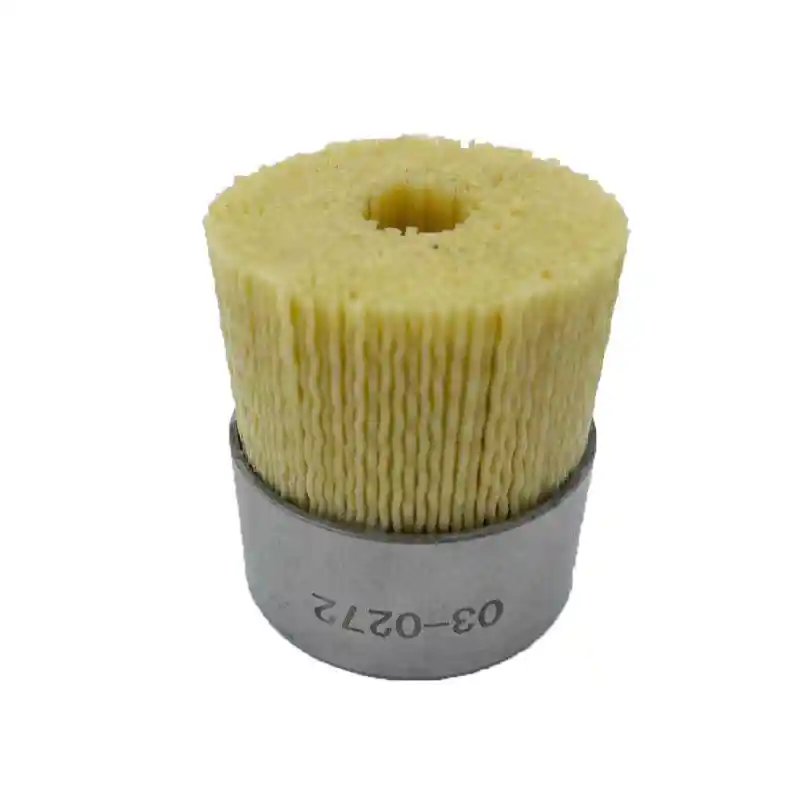
Wafer brush configurations offer different advantages. The individual wafer elements can be mixed to create custom patterns—alternating filament types, varying densities across the brush width, or incorporating different materials for specific debris types.
Determining When Road Sweeper Brushes Need Replacement
Brush replacement cycles depend on variables that differ significantly between operations. A municipal fleet sweeping residential streets weekly operates under different conditions than an industrial facility running continuous shifts.
Wear indicators provide the most reliable replacement guidance. Bristle length reduction beyond manufacturer specifications signals diminished cleaning effectiveness. Visual inspection reveals uneven wear patterns that indicate alignment problems or operating technique issues worth addressing.
Preventative maintenance schedules based on operating hours work well for fleets with consistent usage patterns. Tracking actual sweeping miles provides even more precise replacement timing. The goal is replacing brushes before performance degradation becomes noticeable, avoiding both premature replacement costs and the complaints that follow inadequate cleaning.
Customization Options for Specialized Equipment
Customized sweeper brushes address the reality that sweeping equipment varies significantly between manufacturers and even between model years. Standard brushes may fit physically but perform suboptimally because the filament specifications don’t match the machine’s design assumptions.
OEM brush manufacturing capabilities allow matching original equipment specifications exactly. This matters for warranty considerations and for operations that have optimized their procedures around specific brush characteristics.
ODM brush services go further, developing custom solutions for unique applications. A facility with unusual debris types, non-standard equipment, or specific surface protection requirements benefits from brushes engineered for those exact conditions rather than adapted from general-purpose designs.
Working with a Supplier Who Understands Brush Performance
The difference between brush suppliers becomes apparent when problems arise. A reliable brush supplier provides more than competitive pricing—they offer the technical knowledge to diagnose performance issues and recommend solutions.
Shanghai Huixi Trading Co., Ltd. operates with 16 years of production experience from our Anhui Province factory. This manufacturing depth means we understand not just what brushes should do, but why they sometimes don’t perform as expected and how to address those situations.
Quality control for brushes involves testing that goes beyond visual inspection. Filament tensile strength, diameter consistency, and attachment security all affect field performance. Our testing protocols catch variations before they reach customers.
Global brush export capabilities ensure that operations anywhere can access the same quality and specifications. Fast delivery matters when equipment sits idle waiting for replacement brushes.
Getting Started with Better Sweeping Performance
Shanghai Huixi Trading Co., Ltd. has spent 16 years building expertise in industrial brushes, with particular depth in road sweeper brushes for municipal and commercial applications. Our technical support team helps match brush specifications to your actual operating conditions rather than selling generic solutions.
ODM/OEM services accommodate custom requirements. Competitive pricing reflects manufacturing efficiency rather than quality compromises. Flexible MOQ options work for both large fleet operations and smaller facilities testing new brush configurations.
Contact our team for consultation or request a sample to evaluate our quality directly. Reach us at +86 1580 0932 713 or [email protected].
Frequently Asked Questions About PP Road Sweeper Brushes
What makes polypropylene the preferred material for road sweeper brushes?
Polypropylene earns its position through a combination of properties that matter in actual sweeping conditions. The material resists abrasion from sand and gravel while maintaining flexibility that allows bristles to follow surface contours. Chemical stability means road salts, petroleum products, and de-icing compounds don’t degrade the filaments over time. This durability translates to consistent cleaning efficiency across the brush’s service life, which is why both municipal and commercial operations specify PP for demanding applications.
How do PP road sweeper brushes reduce operating costs?
The cost advantage comes from extended service life rather than lower purchase price. PP bristles maintain their working characteristics through conditions that would require multiple replacements with alternative materials. Fewer brush changes mean less equipment downtime and lower procurement overhead. The consistent cleaning performance also eliminates re-sweeping costs—when brushes work properly the first time, labor and fuel expenses stay predictable for both municipal cleaning and commercial sweeping operations.
What brush configurations work best for different sweeping applications?
Segment brushes suit operations with predictable wear patterns, allowing replacement of worn sections without discarding the entire assembly. Wafer brush configurations offer flexibility for custom debris profiles or mixed surface types. Gutter brushes require specific filament angles and stiffness to reach curb lines effectively. Main broom brushes balance aggressive debris pickup with surface protection. The optimal choice depends on your equipment, debris types, and surface conditions—factors that a knowledgeable supplier can help evaluate.
What should I expect from a quality brush supplier?
Technical consultation should help you select specifications that match your actual operating conditions, not just sell whatever’s in stock. ODM/OEM capabilities matter if you need custom solutions or exact OEM replacements. Quality control should include testing beyond visual inspection—filament consistency, attachment security, and dimensional accuracy all affect field performance. Competitive brush pricing, flexible MOQ options, and reliable delivery complete the picture for operations that depend on consistent brush supply.
If you’re interested, check out these related articles:
the differences between knotted wire wheel brush and crimped wire wheel brush
introduction of our concrete block machine brushes
advantage of hx boiler tube brush
abrasive disc brush an excellent industrial surface treatment tool
honing brush treat burrs in barrel parts without affecting accuracy and scale