Recombinant Human GM-CSF sits at the intersection of hematopoiesis research and practical therapeutic development. This cytokine drives the production and maturation of granulocytes and macrophages from stem cell precursors, making it foundational for anyone working with myeloid cell populations. The protein’s dual role in both basic immune function and clinical intervention explains why quality standards matter so much. When you’re culturing dendritic cells or supporting neutrophil recovery in a post-chemotherapy patient, the GM-CSF you use needs to perform consistently every time.
How GM-CSF Works at the Molecular Level
Granulocyte-macrophage colony-stimulating factor functions as a monomeric glycoprotein that pushes hematopoietic stem cells toward specific lineage commitments. The protein binds to GM-CSFR on target cell surfaces, triggering a cascade that ultimately determines whether a progenitor becomes a neutrophil, eosinophil, basophil, or macrophage. This receptor consists of two parts: an alpha subunit that provides specificity and a beta subunit shared with other cytokine receptors.
Once GM-CSF locks onto its receptor, the real action begins inside the cell. The JAK/STAT pathway activates first, followed by MAPK and PI3K signaling. These three pathways work together to flip on genes controlling survival, division, and differentiation. The signaling isn’t just about making more cells. GM-CSF also enhances the functional capacity of mature myeloid cells, boosting their ability to fight pathogens and present antigens.
Dendritic cell maturation represents one of the most studied GM-CSF effects. These antigen-presenting cells bridge innate and adaptive immunity, and their proper development depends heavily on GM-CSF exposure during differentiation. Researchers working on vaccine development or cancer immunotherapy often start with GM-CSF-driven dendritic cell cultures because the resulting cells show robust antigen presentation capabilities.
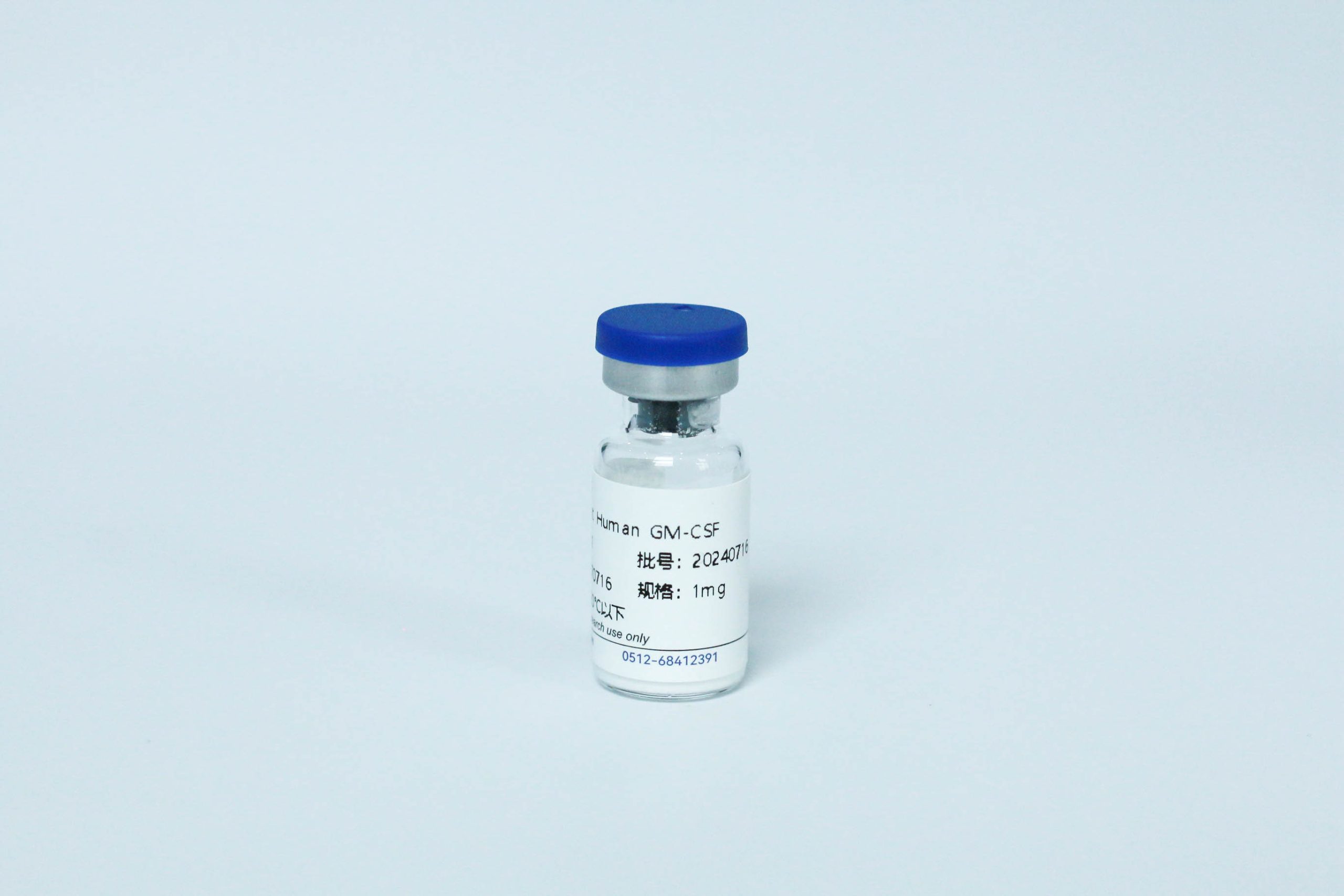
Where Recombinant Human GM-CSF Makes a Difference
The applications for recombinant human GM-CSF span from basic research benches to clinical manufacturing suites. Cell culture work represents the most common use case. Adding GM-CSF to media formulations supports specific lineage development that wouldn’t occur otherwise. Without this cytokine, many myeloid differentiation protocols simply fail to produce functional cells.
IVD diagnostics development relies on GM-CSF to generate standardized immune cell populations. When you’re validating an assay that detects neutrophil activation markers, you need consistent neutrophil preparations. GM-CSF helps achieve that consistency by driving predictable differentiation outcomes from progenitor populations.
Cell therapy manufacturing has pushed GM-CSF quality requirements even higher. Expanding hematopoietic stem cells for transplantation or generating immune effector cells for adoptive transfer demands cytokines that perform identically batch after batch. Any variation in GM-CSF bioactivity translates directly into variable cell products, which creates problems for both regulatory approval and patient outcomes.
Organoid culture represents a newer application area. Complex tissue structures require multiple cell types interacting in three-dimensional arrangements. GM-CSF supports the immune cell components of these systems, enabling researchers to build more physiologically relevant models. The cultivated meat industry has also started exploring GM-CSF for similar reasons, though those applications remain experimental.
Therapeutic Applications in Clinical Practice
Clinical use of recombinant human GM-CSF centers on neutropenia management. Chemotherapy and radiation therapy frequently suppress bone marrow function, leaving patients vulnerable to infections during treatment. Administering GM-CSF accelerates neutrophil recovery, shortening the window of immunocompromise.
Bone marrow transplant recipients benefit similarly. The period between conditioning and engraftment leaves patients essentially without functional immune protection. GM-CSF can reduce this dangerous interval by stimulating whatever hematopoietic capacity remains or by supporting the newly transplanted cells.
Vaccine adjuvant applications have gained attention more recently. GM-CSF enhances immune responses by recruiting and activating dendritic cells at injection sites. Several cancer vaccines incorporate GM-CSF specifically because it improves antigen presentation to T cells, potentially strengthening anti-tumor immunity.
Production Standards That Actually Matter
Making recombinant human GM-CSF that performs reliably requires attention at every production step. Expression system selection comes first. Different host cells produce proteins with different post-translational modifications, and these modifications affect both stability and bioactivity. The choice between bacterial, yeast, insect, and mammalian expression systems depends on what the final application demands.
Fermentation control determines yield and consistency. Temperature, pH, dissolved oxygen, and nutrient availability all influence how much protein the host cells produce and whether that protein folds correctly. Deviations during fermentation often show up later as reduced bioactivity or increased aggregation.
Purification removes host cell proteins, nucleic acids, and endotoxins while preserving the target protein’s native structure. This balancing act requires multiple chromatography steps, each optimized to retain bioactivity while eliminating contaminants. Harsh conditions that improve purity sometimes damage the protein, so process development involves considerable trade-off analysis.
Quality control testing confirms that production succeeded. SDS-PAGE and HPLC verify purity, typically targeting greater than 95% for research applications. Mass spectrometry confirms molecular identity and detects any modifications that occurred during production. Bioactivity assays, particularly TF-1 cell proliferation tests, prove the protein actually works. Endotoxin testing ensures the product won’t trigger inflammatory responses in sensitive applications.
Verifying Quality for Research and Clinical Use
The multi-step quality verification process reflects how much can go wrong during recombinant protein production. Purity analysis using SDS-PAGE shows whether the dominant band corresponds to the expected molecular weight and whether significant contaminants exist. HPLC provides quantitative purity data and can detect aggregates or degradation products that SDS-PAGE might miss.
Mass spectrometry adds another layer of confirmation. The technique verifies that the amino acid sequence matches expectations and identifies any chemical modifications. Oxidation, deamidation, and glycosylation patterns all affect protein behavior, so knowing exactly what you’re working with matters.
Bioactivity testing remains the ultimate quality indicator. A protein can look perfect by every analytical method yet fail to function biologically. The TF-1 proliferation assay measures GM-CSF’s ability to stimulate cell division, providing direct evidence of functional integrity. Comparing sample activity against reference standards allows quantitative bioactivity assessment.
Getting the Most from Your GM-CSF
Integrating recombinant human GM-CSF into experimental protocols requires understanding how the protein behaves under different conditions. Optimal dosage varies considerably depending on cell type and culture system. Hematopoietic stem cell expansion might require different concentrations than dendritic cell differentiation, and the same cells in different media formulations may respond differently to identical GM-CSF doses.
Stability considerations affect both storage and handling. The protein maintains bioactivity best when stored frozen in single-use aliquots. Repeated freeze-thaw cycles cause progressive activity loss, so dividing stock solutions before freezing saves both protein and frustration later. Working solutions at refrigerator temperatures remain stable for limited periods, typically a few days at most.
Compatibility with other media components deserves attention. Some buffer systems or carrier proteins protect GM-CSF better than others. Serum-containing media generally provide more stability than serum-free formulations, though the latter offer advantages in reproducibility and regulatory compliance for clinical applications.
Cell Culture Applications That Benefit Most
Hematopoietic stem cell work represents the core GM-CSF application. The cytokine drives expansion of progenitor populations and directs their differentiation toward myeloid lineages. Without GM-CSF, achieving substantial granulocyte or macrophage yields from stem cell cultures becomes extremely difficult.
Dendritic cell generation from monocytes or CD34+ progenitors depends heavily on GM-CSF supplementation. The standard protocol for generating monocyte-derived dendritic cells combines GM-CSF with IL-4, producing cells that mature into effective antigen presenters. These cells serve as tools for studying immune responses and as potential therapeutic agents in cancer immunotherapy.
Myeloid cell expansion for disease modeling benefits from GM-CSF’s ability to generate large numbers of functional neutrophils and macrophages. Researchers studying inflammatory conditions, infection responses, or myeloid malignancies need access to these cell populations in quantities that primary isolation cannot provide.
Research Directions and Emerging Applications
GM-CSF research continues evolving as new therapeutic possibilities emerge. Personalized medicine approaches may eventually tailor GM-CSF dosing based on individual patient genetics or disease characteristics. Current protocols use standardized doses, but evidence suggests that optimal treatment varies between patients.
Regenerative medicine applications remain largely experimental but show promise. GM-CSF’s ability to mobilize stem cells and modulate immune responses could prove useful in tissue repair contexts. The challenge lies in controlling these effects precisely enough to achieve therapeutic benefit without unwanted inflammation.
Biopharmaceutical development may produce GM-CSF variants with improved properties. Modified proteins with longer half-lives, enhanced receptor binding, or reduced immunogenicity could expand therapeutic options. These engineered cytokines would require extensive testing before clinical use, but the potential benefits justify the development effort.
Partner with East-Mab for Your Recombinant Protein Needs
Jiangsu East-Mab Biomedical Technology Co., Ltd. provides recombinant human GM-CSF and other essential proteins for research and development applications. Our production platform delivers consistent purity, bioactivity, and batch-to-batch reliability. Whether your work involves IVD development, cell culture optimization, cell therapy manufacturing, organoid systems, cosmetics formulation, or cultivated meat research, we can supply the raw materials your projects require. Contact our team at [email protected] or call +86-400-998-0106 to discuss your specific needs.
What Purity Level Should You Expect?
Research-grade recombinant human GM-CSF typically exceeds 95% purity as measured by SDS-PAGE and HPLC. Applications with stricter requirements, such as cell therapy manufacturing or certain diagnostic uses, often demand purity above 98%. Higher purity reduces the risk that contaminants will interfere with sensitive assays or affect patient safety. Reputable suppliers provide detailed analytical data documenting purity for each lot.
Does GM-CSF Work in Serum-Free Media?
Recombinant human GM-CSF functions effectively in serum-free formulations, which is why it appears in many defined media systems. Eliminating serum reduces variability between experiments and simplifies regulatory compliance for clinical manufacturing. The trade-off involves potentially reduced protein stability compared to serum-containing systems, so storage and handling practices become more important.
How Should You Store GM-CSF?
Long-term storage at -20°C or -80°C in single-use aliquots preserves bioactivity most effectively. Avoid repeated freeze-thaw cycles, which cause cumulative activity loss. Short-term storage at 2-8°C works for a few days but not longer. Specific recommendations vary between products depending on formulation and buffer composition, so always check the manufacturer’s documentation for your particular lot.