Working with an OEM fragrance manufacturer changes how you approach product development. Instead of building everything from scratch, you tap into existing expertise and infrastructure. The global fragrance market is heading toward $90 billion by 2028, which means competition is fierce. Brands that partner strategically tend to move faster and differentiate more effectively than those trying to do it all in-house.
Building a Scent Profile That Actually Works
Creating a fragrance that resonates with consumers starts with formulation. This means understanding how natural fragrance oils and synthetic aroma chemicals interact, and knowing when to use each. Natural ingredients carry authenticity and complexity, but they cost more and their availability shifts with seasons and harvests. Synthetic aroma chemicals offer consistency and can replicate notes that would be impossible or unethical to source naturally.
Scent-Share brings deep scent formulation expertise to this process. Our perfumers collaborate directly with brands to translate abstract ideas into actual fragrances. We handle the raw material quality decisions and guide the custom scent development process so the final product matches what the brand envisioned. This kind of OEM fragrance manufacturing partnership removes much of the guesswork from product creation.
Meeting Safety Standards Without Slowing Down
Fragrance production operates under strict oversight. IFRA sets global guidelines for ingredient safety. The EU Cosmetics Regulation imposes concentration limits and testing requirements. The FDA has its own framework for products sold in the United States. Navigating these regulatory standards perfume requires constant attention and updated knowledge.
Scent-Share has worked across 68 countries, which means we understand how fragrance quality assurance requirements vary by market. Our facilities follow GMP fragrance manufacturing protocols. Every batch undergoes product testing fragrance procedures that check for stability, safety, and shelf life. This level of rigor protects both the consumer and the brand’s reputation. When compliance is built into the process from the start, it stops being a bottleneck.
Packaging That Communicates Before the First Spray
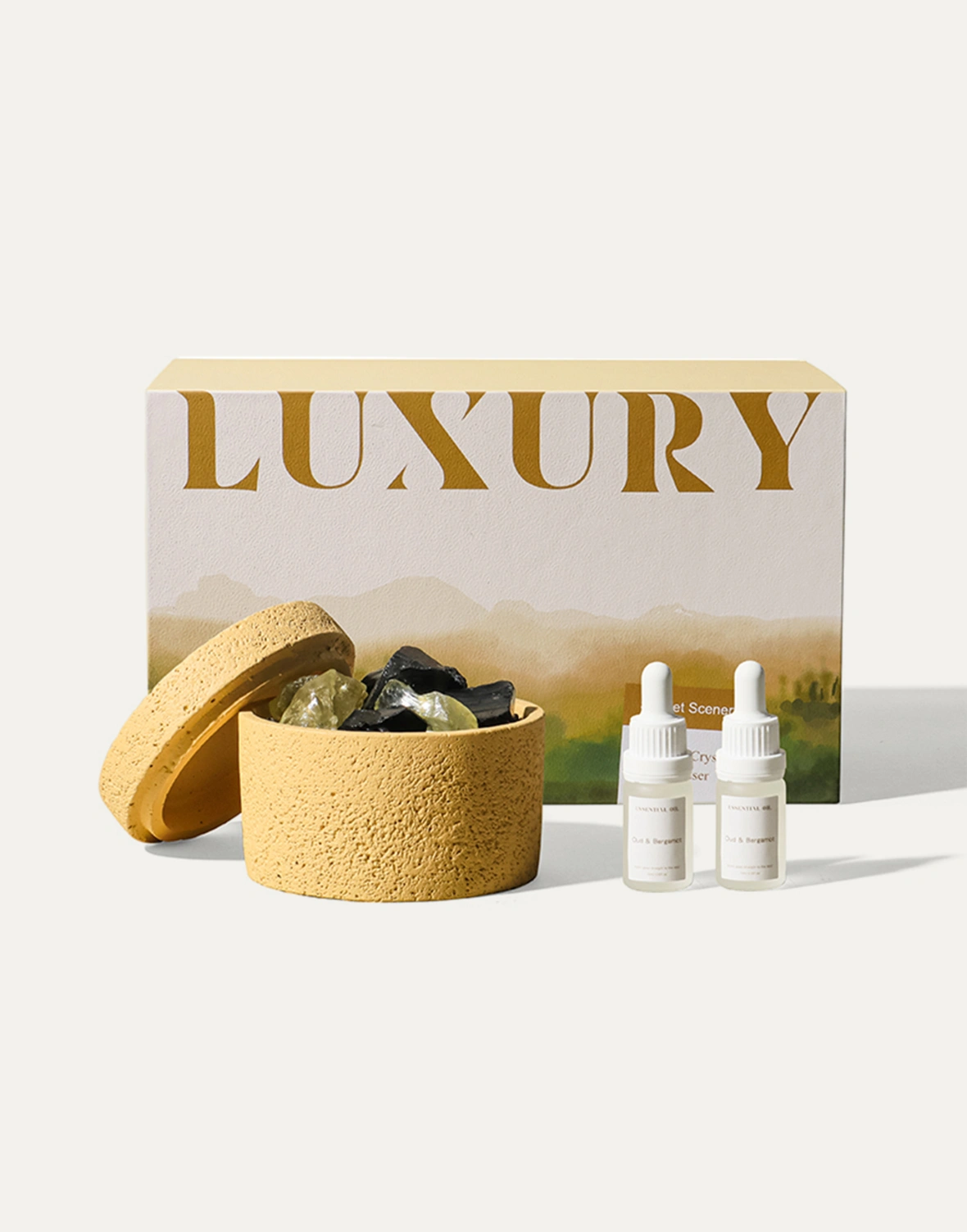
The bottle matters. The box matters. The moment someone picks up your product, they form an opinion before they ever smell it. Fragrance packaging design carries weight because it signals quality, intent, and brand identity scent in ways that words cannot.
Custom perfume bottles and thoughtful labeling requirements fragrance contribute to how consumers perceive value. Scent-Share helps brands develop packaging that tells their story and creates emotional connection. We approach consumer perception fragrance as a design problem, not an afterthought. When the visual experience aligns with the olfactory one, the product becomes memorable.
Managing Production Without Losing Control
Getting a fragrance from concept to shelf involves coordination across multiple stages. Minimum order quantity fragrance decisions affect cash flow. Fragrance production lead times determine launch schedules. Distribution logistics shape how quickly you can respond to demand.
Scent-Share operates as a one-stop solution, handling contract manufacturing benefits from sourcing through delivery. We manage inventory management perfume and logistics fragrance industry operations so brands can focus on selling rather than coordinating suppliers. This integrated approach to supply chain efficiency reduces friction and keeps projects on track.
What are the typical lead times for OEM fragrance production?
Lead times depend on what you need. A straightforward project using available ingredients and standard packaging might take 8 to 12 weeks. Complex custom scent development with unique components or extensive testing can stretch to 4 to 6 months. Scent-Share works to compress these timelines through proactive project management fragrance and established supplier relationships. We communicate clearly about what affects timing so brands can plan their launches accordingly.
How do I ensure the quality and safety of my OEM fragrance products?
Start by verifying your manufacturing partner’s certifications and track record with international regulatory standards. Build quality requirements into your contract, specifying ingredient sourcing, production methods, and fragrance testing protocols. Use third-party testing for both raw materials and finished products. Scent-Share maintains rigorous controls aligned with IFRA and GMP standards, providing documentation that demonstrates compliance at every stage.
Partner with Scent-Share for Your Fragrance Vision
Scent-Share Technology has spent 10 years building OEM fragrance manufacturing capabilities that serve brands across 68 countries. We integrate R&D, production, and logistics into a single partnership. If you have a fragrance concept that needs to become a real product, we can help you get there.
Email: [email protected]
Phone: +86 185 6557 5758 / +86 134 2048 5758
Frequently Asked Questions About OEM Fragrance Production
What is the role of intellectual property in custom fragrance development?
Your formulation is an asset. A solid OEM agreement should specify who owns the intellectual property, include confidentiality clauses, and establish non-disclosure terms. This protects your custom perfume from being replicated or shared without authorization. Scent-Share structures contracts to prioritize client IP protection.
How does OEM fragrance production differ from private label manufacturing?
OEM fragrance manufacturing creates something entirely new based on your specifications. Private label manufacturing typically means choosing from existing formulas and packaging, then adding your branding. Scent-Share offers both approaches depending on what fits your business model and timeline.
Can OEM partners assist with fragrance market trend analysis and product innovation?
The better ones do. Scent-Share maintains a dedicated R&D team that tracks consumer preferences and emerging scent profiles. With experience developing over 300 scent types, we help brands identify opportunities and create products positioned for current market conditions. This collaborative approach to custom fragrance development keeps your offerings relevant.