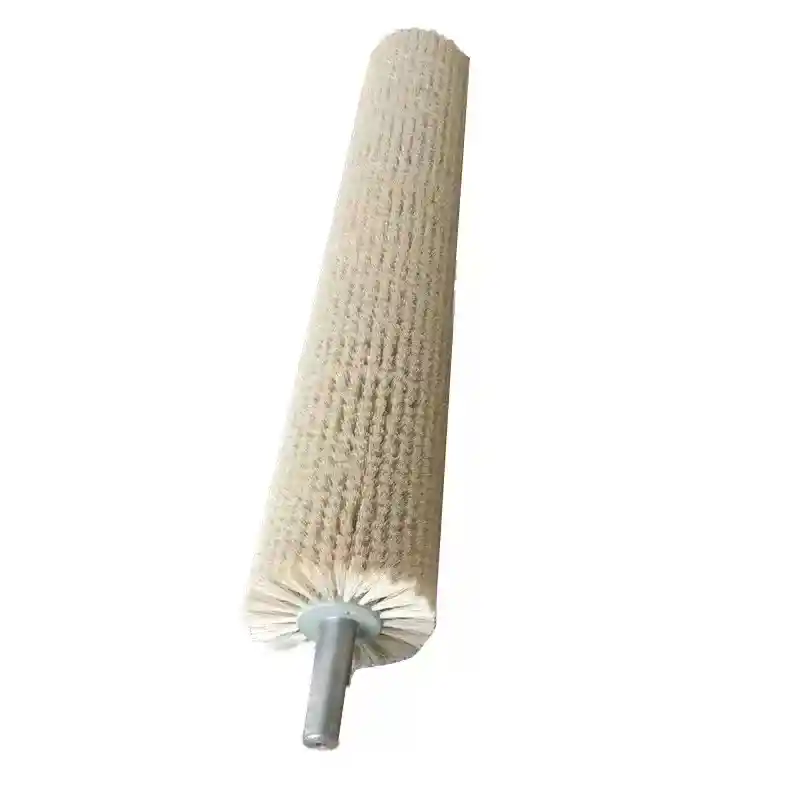

Working with machined parts day after day, you notice how often the small things cause the biggest headaches. A tiny burr left on an edge can jam an assembly, scratch a mating surface, or send a component back for rework. Abrasive bristle brushes built with impregnated nylon filaments have become one of the more reliable ways to deal with these imperfections. They handle the job without the inconsistency of hand filing or the limitations of tumbling, and they adapt to shapes that would frustrate most other tools.
Why Burrs Matter More Than Most People Realize
Burrs form during cutting, drilling, milling, and grinding operations. They show up as sharp raised edges or thin ridges clinging to the workpiece. Left in place, they interfere with part function, accelerate wear on mating components, and create safety risks for anyone handling the parts. Consistent surface finish and controlled edge radiusing depend on getting rid of them completely.
Traditional approaches like manual filing, grinding, and tumbling still have their place. But they struggle with complex geometries, produce variable results between operators, and drive up labor costs. Brush technology has moved past these limitations. Abrasive bristle brushes conform to irregular surfaces, reach into tight spaces, and deliver repeatable outcomes across production runs. The combination of material science advances and improved brush design has made them standard equipment on modern manufacturing lines.
How Impregnated Nylon Filaments Actually Work
The filaments in these brushes start with a durable nylon base. During manufacturing, abrasive grains get embedded throughout the entire nylon matrix rather than just coating the surface. This filament impregnation process distributes the cutting particles uniformly, so the brush maintains consistent performance as it wears down.
Two abrasive types dominate the market. Silicon carbide abrasive runs sharp and hard, which makes it effective for aggressive stock removal on harder metals. Aluminum oxide abrasive offers better toughness and durability for general-purpose work across a wider range of materials. Grit size determines how aggressively the brush cuts. Coarser options like 80 or 120 grit handle substantial burrs, while finer grits in the 320 to 500 range produce smoother finishes and handle light cleanup work.
The real advantage comes from how the nylon filaments flex. They bend around contours and maintain contact across irregular surfaces without gouging or changing critical dimensions. Brush stiffness can be adjusted through filament diameter, density, and length to match specific applications. The abrasive grains micro-cut and fracture burr material in a controlled way that preserves the underlying surface integrity.
What Makes Impregnated Nylon Worth the Investment
These brushes deliver measurable improvements in several areas. Surface finish consistency goes up because the abrasive action stays uniform from the first part to the last. Variations between parts drop, which matters for quality control and any downstream processes like coating or assembly. Labor costs come down when you can automate the work instead of relying on hand finishing. Cycle times shrink, throughput increases, and the brushes handle metals, plastics, and composites without requiring constant tool changes.
Matching the Right Brush to the Application
Getting good results requires matching brush characteristics to the specific job. Abrasive bristle brushes work across industries for edge radiusing, surface conditioning, and coating preparation. They handle steel, aluminum, brass, and other alloys effectively. Plastic and composite deburring benefits from their precision and light touch.
Several factors drive the selection process:
| Criteria | Description | Impact on Deburring |
|---|---|---|
| Workpiece Material | Hardness and composition of the material being processed | Determines whether silicon carbide or aluminum oxide works better, plus appropriate grit size |
| Burr Size and Type | Severity and nature of the burrs—feather, tear, or rollover | Influences grit selection and how aggressive the filaments need to be |
| Desired Finish | Required surface roughness and edge radius | Dictates finer or coarser grits and how much pressure to apply |
| Brush Diameter | Size relative to the workpiece and machine setup | Affects contact area and optimal rotational speed |
| Filament Density | Number of filaments per unit area | Impacts cutting aggressiveness and how well the brush conforms to surfaces |
| Wet vs. Dry | Whether coolant is used during the process | Affects heat buildup, debris clearing, and brush wear rate |
Running wet generally extends brush life and improves surface finish by keeping temperatures down and flushing debris away from the cutting zone.
Finding the Right Grit and Filament Combination
Material hardness, target surface finish, and burr severity all factor into this decision. Finer grits handle light deburring and polishing work. Coarser grits tackle heavier burrs that would take forever to remove with a fine brush. The filament material—typically nylon loaded with silicon carbide or aluminum oxide—gets chosen based on what the workpiece is made of and how much material needs to come off. Working with brush specialists helps avoid trial-and-error waste.
Running Abrasive Brushes in Automated Systems
Automation has changed how deburring fits into production workflows. Robotic and CNC setups use abrasive bristle brushes to achieve consistent high-volume results. The flexibility of impregnated nylon works well in robotic applications because the filaments adapt to minor variations in part geometry without requiring constant program adjustments.
Setting up automated systems involves careful attention to tool path programming and process control. Brush speed, contact pressure, and dwell time all need precise calibration to ensure uniform material removal without damaging parts. Advanced systems incorporate sensors and feedback loops that adjust parameters in real time. The payoff shows up in reduced human error, lower labor costs, and significantly higher throughput. Parts come out meeting tight quality standards with minimal variation.
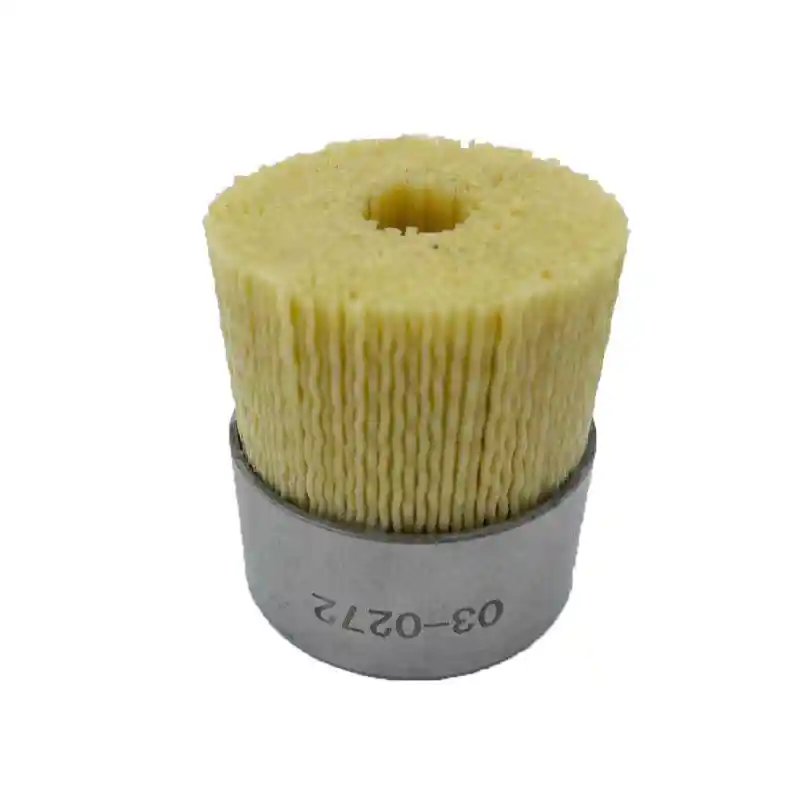
Why Abrasive Nylon Beats Traditional Methods
Manual deburring suffers from inconsistency, operator fatigue, and high labor costs. Abrasive nylon brushes solve these problems by delivering repeatable results across entire production runs. They remove burrs gently enough to avoid secondary damage or dimensional changes. The ability to automate the process multiplies these benefits, making the brushes a practical choice for operations that need both quality and efficiency.
Getting the Most Life Out of Your Brushes
Brush longevity depends on application pressure, rotational speed, workpiece material, and whether coolant is used. Regular cleaning and proper storage in dry, clean conditions help prevent filament degradation. Monitoring wear patterns and establishing replacement schedules keeps deburring quality consistent and avoids unexpected downtime.
Higher-quality abrasive bristle brushes often cost more upfront but pay back the difference through longer service life, more consistent performance, and fewer replacements. The total cost of ownership usually favors investing in better tooling rather than cycling through cheaper options that wear out faster and produce less predictable results.
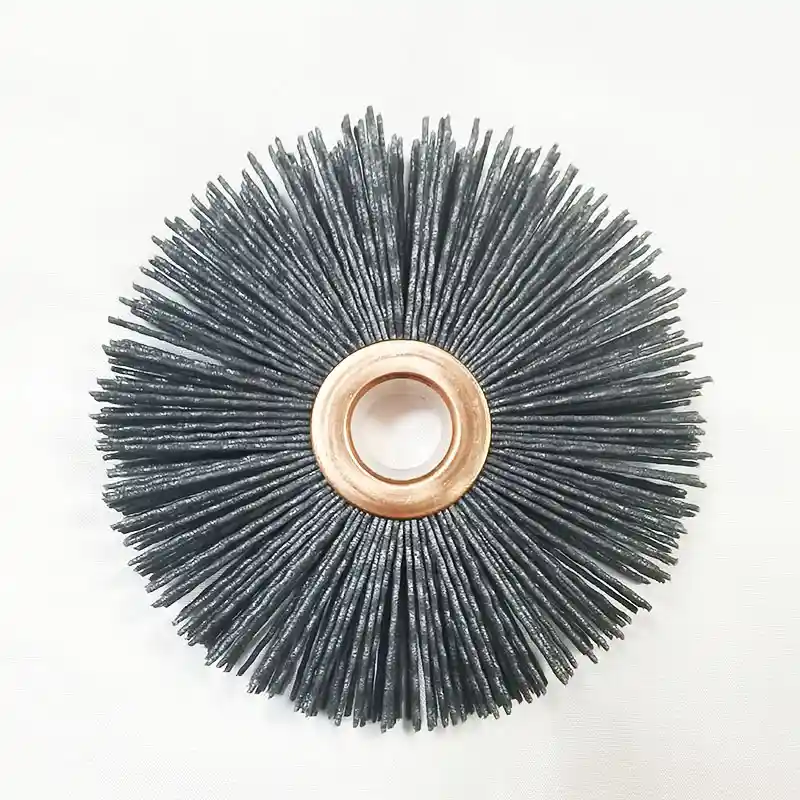
Custom Brushes for Unusual Applications
Standard brushes handle most jobs, but some applications need something different. Shanghai Huixi Trading Co., Ltd. provides custom brush design and ODM/OEM services for situations where off-the-shelf options fall short. Our manufacturing facility in Anhui Province has been producing industrial brushes for 16 years, which gives us the experience to engineer solutions for unusual requirements.
Custom work might involve specific brush configurations, particular abrasive types, or unusual filament densities. Our technical team works through the selection and design process with clients to make sure each brush performs as expected. The goal is always matching the tool to the application rather than forcing the application to work around available tools.
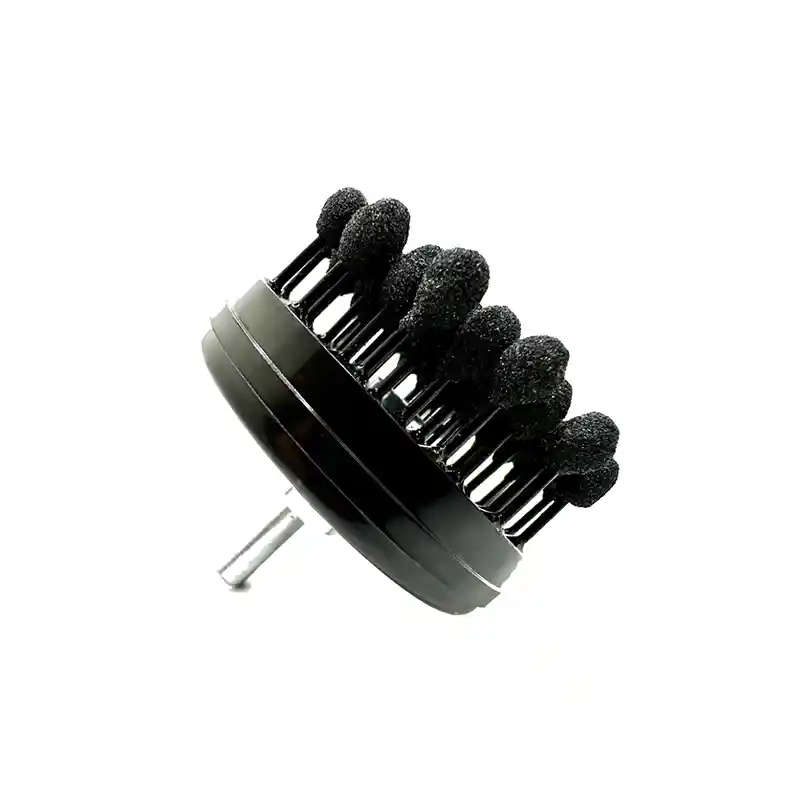
Work With Huixi Brush on Your Deburring Challenges
Better deburring starts with the right abrasive bristle brushes. Shanghai Huixi Trading Co., Ltd. brings together custom engineering capability, technical expertise, and manufacturing quality. Reach out to discuss your specific requirements or explore our range of industrial brushes. Contact us at +86 1580 0932 713 or [email protected].
FAQ
What types of materials are best deburred with abrasive nylon brushes?
abrasive nylon brush handle a broad range of materials effectively. Metals like aluminum, steel, and brass respond well, as do plastics and composites. The filament flexibility allows the brush to maintain consistent contact across complex shapes without altering part geometry. This adaptability makes them practical for applications where precision matters and aggressive methods would cause problems.
How do I select the correct grit and filament type for my deburring application?
Start with the material hardness and the size of burrs you need to remove. Coarser grits in the 80 to 120 range handle heavier burrs efficiently. Finer grits from 320 to 500 work better for light deburring and polishing. Silicon carbide filaments cut aggressively on harder metals, while aluminum oxide offers more durability for general-purpose work. Getting input from brush specialists saves time compared to testing multiple options.
What are the key advantages of using abrasive bristle brushes in automated deburring systems?
Automated systems with abrasive bristle brushes produce consistent results without the variability of manual work. The filament flexibility lets the brush conform to irregular surfaces and handle minor part-to-part variations. Cycle times drop, labor costs decrease, and surface finish quality stays uniform across production runs. For high-volume manufacturing, these brushes have become essential tooling rather than optional upgrades.