Developing a fragrance line through OEM collaboration is one of those processes that looks straightforward on paper but reveals its complexity the moment you start. The gap between a scent concept and a market-ready product involves formulation chemistry, regulatory navigation, supply chain coordination, and intellectual property considerations that most brands underestimate at the outset. Having worked through dozens of these partnerships, the patterns that separate smooth launches from troubled ones become clear. This piece walks through the strategic, technical, and operational dimensions of OEM fragrance development, drawing on practical experience to highlight what actually matters when bringing a scent product to market.
Building Partnership Foundations That Actually Work
The success or failure of an OEM fragrance project often gets decided before any formulation work begins. Strategic partnership agreements need to address more than pricing and timelines. They must establish how decisions get made, who owns what, and what happens when things go wrong.
Brands entering private label scent manufacturing frequently underestimate how much upfront clarity matters. Defining the target market, desired scent profile, and positioning before engaging an OEM partner prevents the costly mid-project pivots that derail timelines. When a brand arrives with vague direction, the OEM ends up guessing, and guesses rarely align with brand vision.
Vendor selection criteria for fragrance OEM partners should extend beyond basic capability checks. R&D depth matters more than production scale for complex formulations. Quality control systems need verification through actual audit, not just certification claims. Adherence to fragrance industry standards varies widely between manufacturers, and the differences show up in final product consistency.
An OEM partner with substantial experience brings pattern recognition that accelerates development. Scent-Share, operating across 68 countries with over 300 scent types in their library, has encountered most of the problems that trip up newer manufacturers. The OEM fragrance collaboration lifecycle they follow structures each stage with defined milestones, which prevents the scope creep that extends timelines.
Formulation Precision and Quality Systems That Deliver Consistency
Product excellence in OEM fragrance production depends on two interconnected capabilities: scent formulation expertise and rigorous quality control in fragrance production. When these functions operate in silos, problems emerge that neither can solve alone.
Integrated R&D and QA processes have demonstrated measurable impact. Manufacturers who merge these functions report average lead time reductions around 25%, primarily because quality issues get caught during formulation rather than after production runs complete. This integration requires that aroma chemical suppliers meet specified purity and safety standards before materials enter the formulation process.
Regulatory compliance in fragrance extends beyond simple ingredient restrictions. Different markets impose varying requirements for allergen disclosure, concentration limits, and labeling. A formulation that passes EU IFRA standards may need modification for certain Asian markets. Building compliance into the formulation stage prevents reformulation costs later.
Practical Steps for Quality and Consistency Assurance
Ensuring quality and consistency in OEM fragrance production requires systematic approaches rather than spot-checking. Fragrance raw material testing for incoming ingredients establishes the foundation. Without verified inputs, batch consistency becomes impossible regardless of production precision.
Batch consistency protocols for perfume production rely on advanced analytical techniques. Gas chromatography profiles should match reference standards within defined tolerances. Olfactory evaluation by trained panels catches nuances that instruments miss. The combination of instrumental and sensory analysis provides the most reliable consistency verification.
Quality assurance protocols must cover every stage from blending through packaging. Regular audits of your OEM partner’s facilities verify that documented procedures actually get followed. Continuous feedback loops allow for process refinement based on real production data rather than theoretical specifications.
Quality Control Checkpoints in Fragrance OEM
| Checkpoint | Description | Purpose |
|---|---|---|
| Raw Material Inspection | Verify purity and specifications of all aroma chemicals. | Prevents contamination and ensures formula integrity. |
| Batch Consistency Testing | Analyze scent profile and physical properties across production batches. | Guarantees uniform product experience for consumers. |
| Stability Testing | Assess fragrance performance under various environmental conditions. | Predicts shelf life and prevents degradation. |
| Regulatory Compliance Review | Confirm adherence to global and local fragrance regulations. | Avoids legal issues and ensures market access. |
| Packaging Integrity Check | Inspect bottles, caps, and labels for defects and leakage. | Protects product quality and enhances brand image. |
Global Distribution Realities and Supply Chain Optimization
Supply chain management for scent products and global fragrance distribution introduce complexities that domestic-only brands rarely anticipate. International shipping regulations for fragrances vary significantly by region, with some markets treating certain concentrations as hazardous materials requiring special handling.
An experienced OEM partner streamlines these logistics challenges through established networks and regulatory familiarity. Route optimization and carrier relationships built over years reduce both transit times and costs. This operational efficiency contributes directly to cost optimization in fragrance OEM projects.
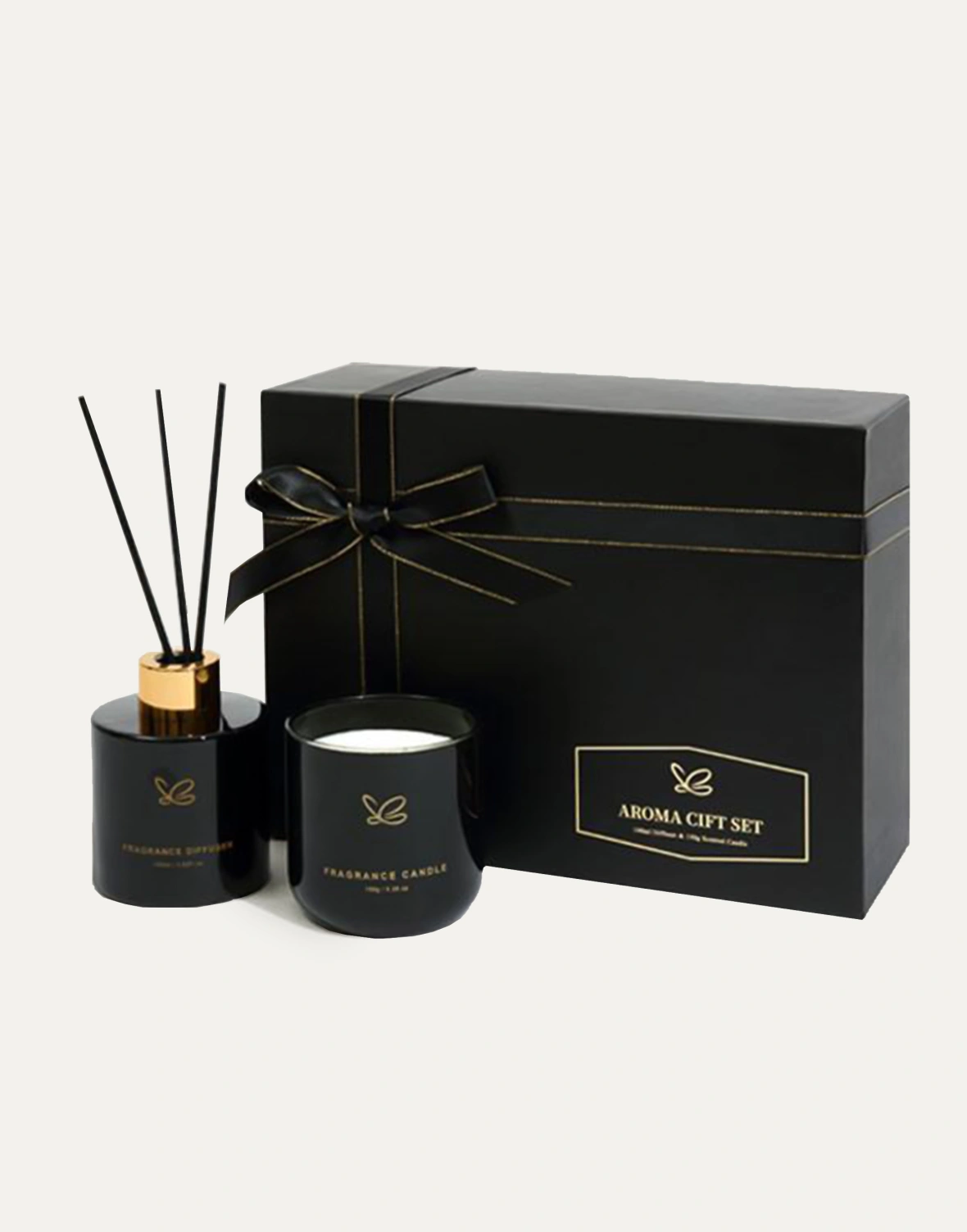
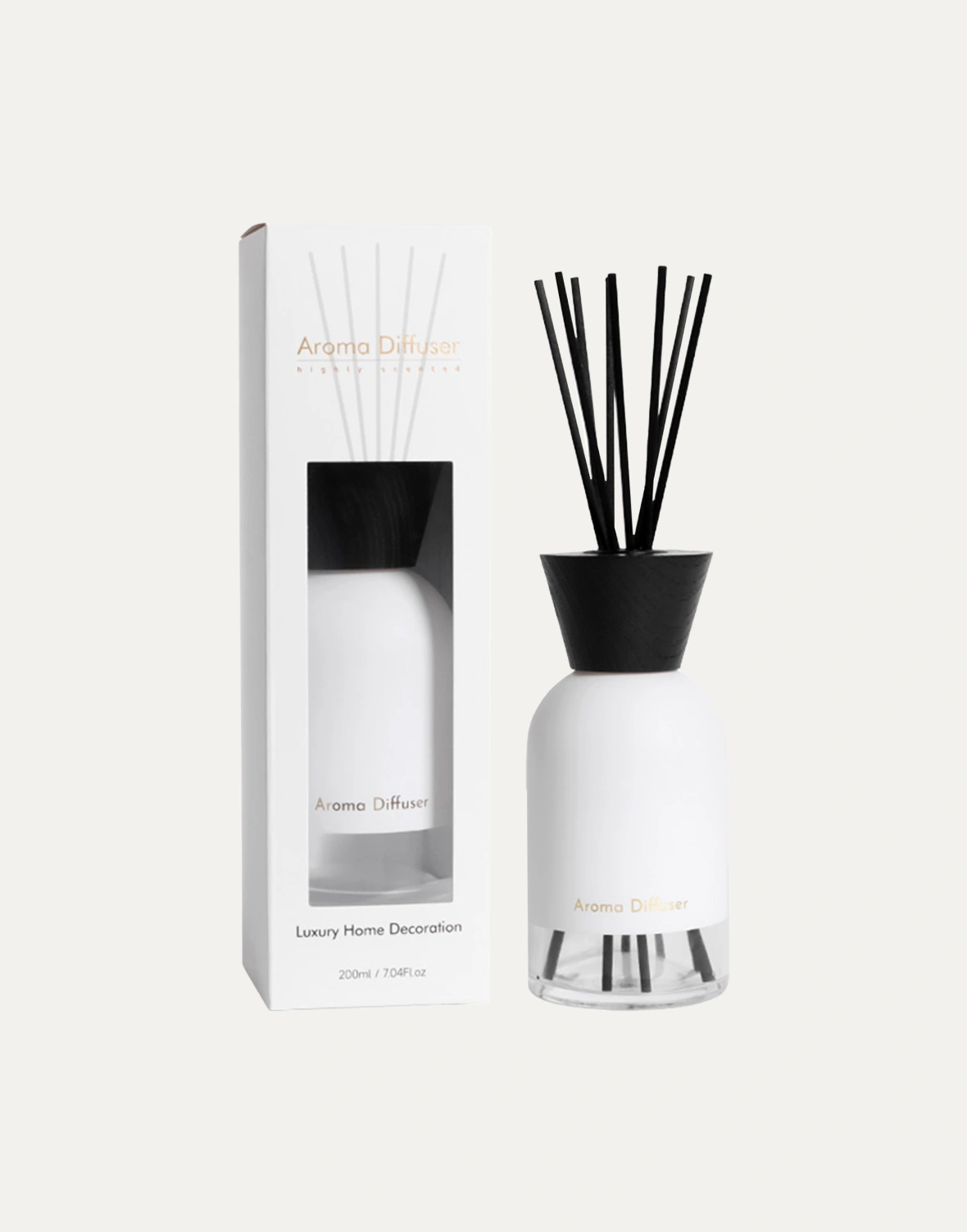
Consider a brand launching home fragrance products like Natural Crystal Aroma Stones Fragrance Raw Minerals Gift Set or Modern Decorative Rattan Reed Diffuser for Home Gift Set across multiple markets. Each destination country may impose different customs requirements, labeling standards, and import documentation. An OEM partner with established logistics infrastructure handles these details, freeing the brand to focus on marketing and sales activities.
A luxury home fragrance brand partnering with Scent-Share for European and Asian market entry illustrates the value of logistics expertise. By leveraging established distribution channels and specialized perfume packaging solutions, the brand navigated diverse regulatory landscapes successfully. The result was a 98% on-time delivery rate with 15% reduction in shipping costs. This outcome reflects effective risk management in OEM projects through experienced partnership.

Intellectual Property Safeguards That Protect Your Investment
Intellectual property protection in fragrance represents one of the most overlooked aspects of OEM partnerships. Unique fragrance formulas and brand assets represent substantial investments that require explicit contractual protection. Without proper safeguards, proprietary elements remain vulnerable.
Expert guidance on structuring OEM agreements proves valuable for protecting these assets. Confidentiality agreements for scent formulations should specify what information is covered, who can access it, and what remedies apply for breaches. Generic NDAs often lack the specificity needed for fragrance IP protection.
Fragrance formula ownership terms require explicit definition before development begins. Ambiguity in this area creates disputes that can derail product launches or result in costly litigation. Addressing these legal aspects of OEM partnerships proactively establishes the secure framework necessary for productive collaboration.
The Business Case for Fragrance IP Protection
Intellectual property protection matters because it preserves your brand’s competitive differentiation. Without it, proprietary fragrance formulas could be replicated by competitors or even by your own OEM partner for other clients. The financial impact of formula leakage extends beyond direct losses to include brand dilution and market position erosion.
Fragrance patenting and trademark registration for scent-related elements provide legal mechanisms for protecting innovations. These protections require proper documentation and timely filing, which means IP strategy should integrate into the OEM partnership from the beginning. Brand asset protection through comprehensive legal frameworks supports long-term market differentiation.
Innovation Partnerships That Respond to Market Shifts
Collaborative R&D between brands and OEM partners demonstrates measurable impact on market success. Data from fragrance industry launches shows that collaborative development approaches boost new product success rates by approximately 20% compared to isolated development processes. This synergy drives fragrance innovation while maintaining market responsiveness.
Staying attuned to fragrance market trends allows brands to introduce custom scent creation that connects with evolving consumer preferences. Consumer scent preferences shift faster than many brands realize, influenced by cultural trends, wellness movements, and seasonal factors. An OEM partner with market intelligence capabilities helps brands anticipate rather than react to these shifts.
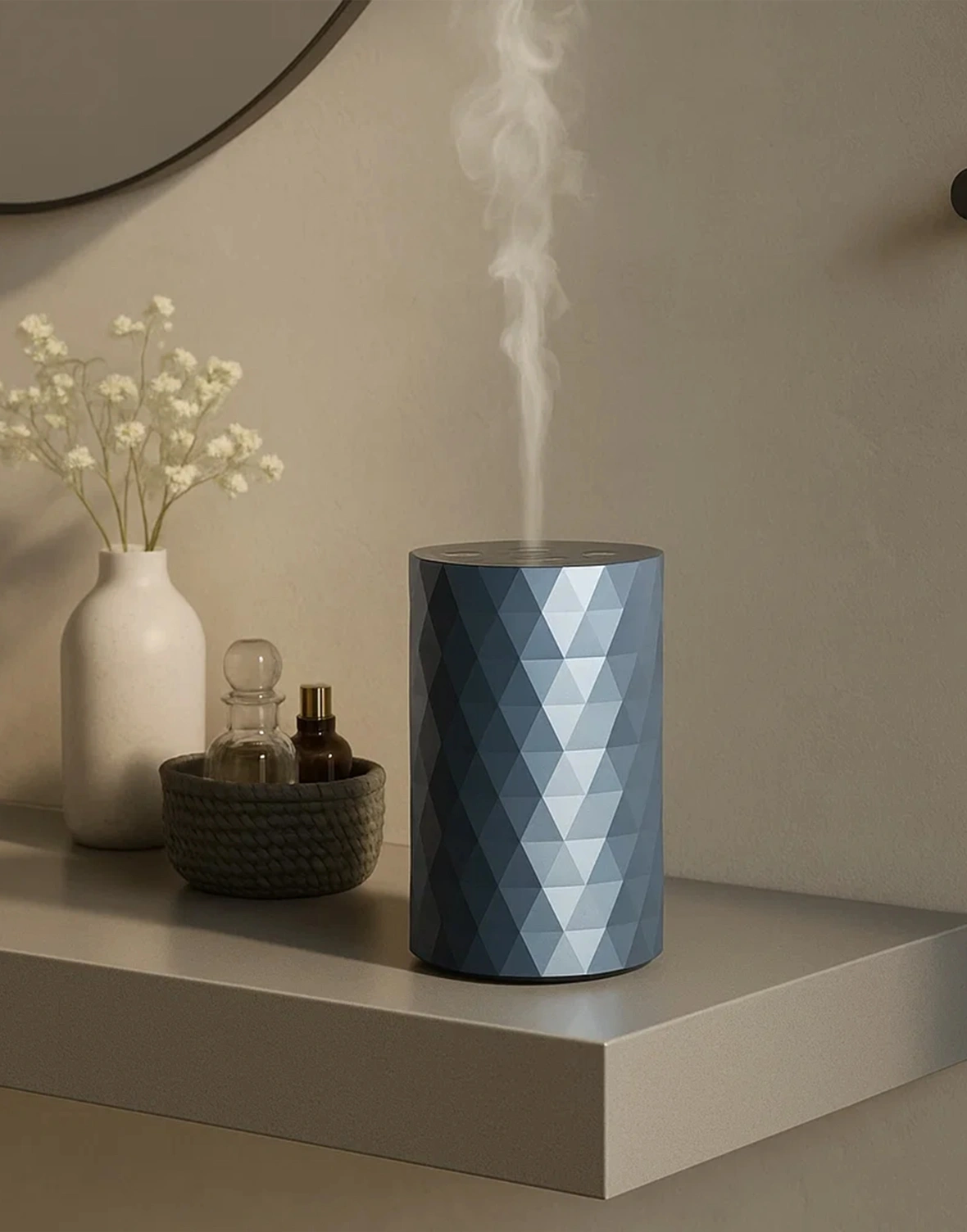
Scent-Share engages actively in the product development lifecycle for scent products, applying fragrance technology advancements to create differentiated offerings. Exploration of novel ingredients and innovative diffusion methods opens possibilities that traditional approaches miss. Integration of smart technology into scent diffusers, such as the Scent-Share Commercial Scent Oil Diffuser Bluetooth APP or Scent-Share Home Aroma Diffuser Smart Metal Bluetooth APP, enables dynamic scent experiences that respond to user preferences and environmental conditions.
Frequently Asked Questions
What factors determine success in OEM fragrance partnerships?
Successful OEM fragrance partnerships depend on clear communication channels, robust quality control systems, mutual intellectual property protection, and aligned innovation goals. Transparent agreements that address potential conflicts before they arise prevent disputes that derail projects. Continuous feedback loops between brand and manufacturer allow for course corrections without major timeline impacts. Scent-Share structures partnerships around these principles to support seamless collaboration and consistent product excellence.
How should brands evaluate potential OEM partners for custom fragrance development?
Evaluating OEM partners for custom fragrance development requires assessment across multiple dimensions. R&D capabilities determine whether complex formulations are achievable. Production capacity must match projected volumes without quality compromises. Quality assurance processes need verification through facility audits rather than documentation review alone. Regulatory compliance experience in your target markets prevents costly reformulation requirements. A partner like Scent-Share, with extensive experience and a diverse scent library, offers comprehensive support for bespoke creations. Their product range, including the Scent-Share Battery Aroma Oil Dispenser Wall Mount Diffuser and Scent-Share Mini Car Oil Diffuser Desktop Air Dispenser, demonstrates versatility across product categories.
What intellectual property terms require attention in OEM fragrance agreements?
OEM fragrance agreements must address formula ownership explicitly, specifying whether the brand retains exclusive rights or the OEM maintains usage rights for other clients. Brand asset protection should cover trademarks, packaging designs, and marketing materials developed during the partnership. Non-disclosure agreements need specificity about what information is covered, duration of confidentiality obligations, and remedies for breaches. Detailed contractual clauses prevent unauthorized use or disclosure of proprietary scent identities. Scent-Share prioritizes secure IP management as a foundational element of all collaborations.
Partner with Scent-Share for Your Fragrance Vision
Scent-Share Technology brings a decade of expertise, over 300 scent types, and operational presence across 68 countries to OEM fragrance partnerships. Our integrated R&D, production, and service capabilities support brands from initial concept through global distribution. Contact Scent-Share for a tailored consultation at [email protected] or call +86 185 6557 5758 / +86 134 2048 5758.