
Choosing between brass and steel wire brushes sounds straightforward until you’re staring at a scratched aluminum panel or dealing with flash rust on what was supposed to be a clean stainless surface. The material mismatch cost someone a full day of rework, and that’s the mild version. In applications where contamination control matters—aerospace, food processing, pharmaceutical—the wrong brush selection can mean scrapped parts or failed inspections. What follows breaks down the actual differences between these brush types and when each one earns its place in the workflow.
Wire Brush Materials Have Distinct Jobs
Wire brush materials exist because no single filament type handles every surface preparation task. The three primary options—brass, carbon steel, and stainless steel—each bring specific metallurgical properties to the table.
Brass wire brushes combine copper and zinc alloys into a softer filament. That softness translates to non-sparking behavior and gentler contact with surfaces. Lower tensile strength limits their aggression, which is exactly the point when working with delicate substrates or environments where sparks create genuine hazards.
Carbon steel wire brushes sit at the opposite end of the spectrum. High-carbon steel filaments deliver exceptional stiffness and cutting power. These brushes tear through heavy rust, stubborn paint, and mill scale on ferrous metals. The tradeoff is particle transfer—carbon steel leaves behind ferrous residue that can trigger rust on non-ferrous workpieces.
Stainless steel wire brushes occupy the middle ground. Corrosion-resistant alloys provide solid aggression without the contamination risk that comes with carbon steel. They clean stainless steel and non-ferrous metals without causing flash rust or embedding foreign particles. Each material serves a distinct purpose in surface treatment, and understanding those boundaries prevents expensive mistakes.
Brass Wire Brushes Solve Contamination Problems
Brass wire brushes become essential when contamination control and surface preservation drive the specification. Their softness and non-sparking characteristics make them the default choice for sensitive materials and hazardous environments.
Cleaning aluminum surfaces, copper components, and other soft metals with brass prevents scratching, marring, or embedding harder steel particles. That last point matters more than it might seem—embedded steel particles compromise material integrity and create corrosion initiation sites that show up months later.
Food processing and pharmaceutical equipment cleaning demands brass brushes to prevent ferrous contamination. Hygiene standards and product purity requirements leave no room for iron particle transfer. Spark-free environments involving flammable liquids or gases require brass brushes to eliminate ignition risks entirely.
Brass brushes handle light oxides, carbon deposits, and minor corrosion effectively without altering the substrate. They also work well for polishing and achieving satin finishes on delicate parts. The table below maps specific applications where brass brushes prevent contamination problems.
| Application Area | Material Type | Contamination Risk | Brass Brush Benefit |
|---|---|---|---|
| Aerospace | Aluminum | Ferrous particles | Non-scratching, no embedding |
| Food Processing | Stainless Steel | Iron contamination | Maintains hygiene, non-reactive |
| Petrochemical | Various | Spark ignition | Non-sparking safety |
| Electronics | Copper | Surface abrasion | Gentle cleaning, no damage |
| Automotive | Brass | Cross-contamination | Material compatibility |
Steel Wire Brushes Deliver Aggressive Cleaning Power
Steel wire brushes handle heavy-duty cleaning and surface preparation where brass simply cannot keep up. Carbon steel and stainless steel variants serve different material compatibility requirements.
Carbon steel brushes excel at aggressive rust removal, paint stripping, and weld cleaning on ferrous metals. Stiff filaments efficiently abrade tough coatings and corrosion that would take hours with softer materials. The limitation is clear: using carbon steel brushes on stainless steel or aluminum causes flash rust or galvanic corrosion through particle transfer. Those transferred particles act as corrosion cells on the workpiece surface.
Stainless steel wire brushes combine aggressive cleaning capability with corrosion resistance. They remove scale and prepare surfaces on stainless steel without introducing foreign contaminants. Deburring applications on various metals benefit from stainless steel brushes when carbon steel contamination would be unacceptable.
The choice between carbon and stainless steel depends entirely on workpiece material and desired outcome. Getting this wrong creates problems that range from cosmetic defects to structural integrity concerns.
| Characteristic | Brass Wire Brushes | Steel Wire Brushes (Carbon) | Steel Wire Brushes (Stainless) |
|---|---|---|---|
| Hardness | Soft | Very Hard | Hard |
| Aggression | Low | High | Medium-High |
| Sparking | Non-sparking | Sparking | Non-sparking (generally) |
| Contamination | Low (non-ferrous) | High (ferrous particles) | Low (corrosion-resistant) |
| Applications | Delicate surfaces, non-sparking environments | Heavy rust, paint, ferrous metals | Stainless steel, non-ferrous metals |
For more detailed information on wire brushes, consider reading 《wire wheel brush the right assistant for industrial cleaning and polishing》.
A Systematic Approach Prevents Galvanic Corrosion
Selecting the correct wire brush follows a logical sequence that prevents galvanic corrosion and surface damage. Skipping steps in this process leads to the kind of problems that only become visible after the work is done.
Start with workpiece material identification. This single factor drives most of the decision. Softer metals like aluminum or copper generally call for brass wire brushes. Ferrous metals requiring aggressive cleaning work well with carbon steel brushes. Stainless steel or other non-ferrous materials where contamination concerns exist need stainless steel brushes.
Next, match the required aggression level to the task. Fine wire brushes provide gentle cleaning action, while coarser wires deliver more abrasive power. The coating thickness or corrosion depth should guide this choice.
Evaluate the environment for spark hazards. Brass brushes are mandatory in explosive atmospheres—no exceptions. Chemical compatibility matters when cleaning agents are involved; some solvents interact poorly with certain brush materials.
Finally, inspect the brush before use. Contaminated brushes from previous jobs transfer particles to new workpieces, defeating the purpose of careful material selection. This systematic approach ensures optimal results and extends tool life.
Maintenance Practices Extend Brush Performance
Proper wire brush maintenance extends tool life and maintains consistent cleaning performance. Neglected brushes create the same contamination problems that careful material selection was supposed to prevent.
Regular inspection catches worn, bent, or broken filaments before they cause problems. Damaged brushes scratch surfaces unpredictably and reduce cleaning effectiveness. Cleaning brushes after each use removes accumulated debris that embeds in the bristles. Compressed air works for most debris types; appropriate solvents handle stubborn residue depending on brush material and contamination type.
Storage conditions matter more than many operators realize. Dry, protected environments prevent corrosion and filament damage. Damp storage causes rust on steel brushes and can degrade brass filaments over time. Proper storage also maintains the brush’s original shape, ensuring uniform contact with workpieces during use.
Following these industrial brush maintenance practices reduces operational costs and maintains surface preparation quality. Sixteen years of production experience confirms that meticulous tool care pays dividends in consistent results.
Real Applications Show Brass Brush Effectiveness
Practical experience demonstrates brass brush effectiveness in preventing contamination across demanding industries. These examples illustrate why material selection matters in real production environments.
Aerospace manufacturing requires precision cleaning for aluminum alloy components. Brass brushes implemented for deburring and surface preparation of aircraft parts eliminated ferrous particle embedding risk. Embedded particles on aluminum create galvanic corrosion cells that can lead to structural concerns over time. The result was enhanced material integrity and compliance with aerospace cleaning standards that leave no margin for contamination.
A pharmaceutical facility needed contamination prevention for stainless steel reactor vessels. Traditional steel brushes risked iron particle transfer that would compromise product purity. Switching to brass brushes achieved effective cleaning and polishing without detectable ferrous contamination. The sterile environment remained intact, and regulatory requirements were satisfied.
These cases highlight how brass brushes provide reliable solutions for sensitive material cleaning and quality control in manufacturing environments where contamination tolerance is essentially zero.
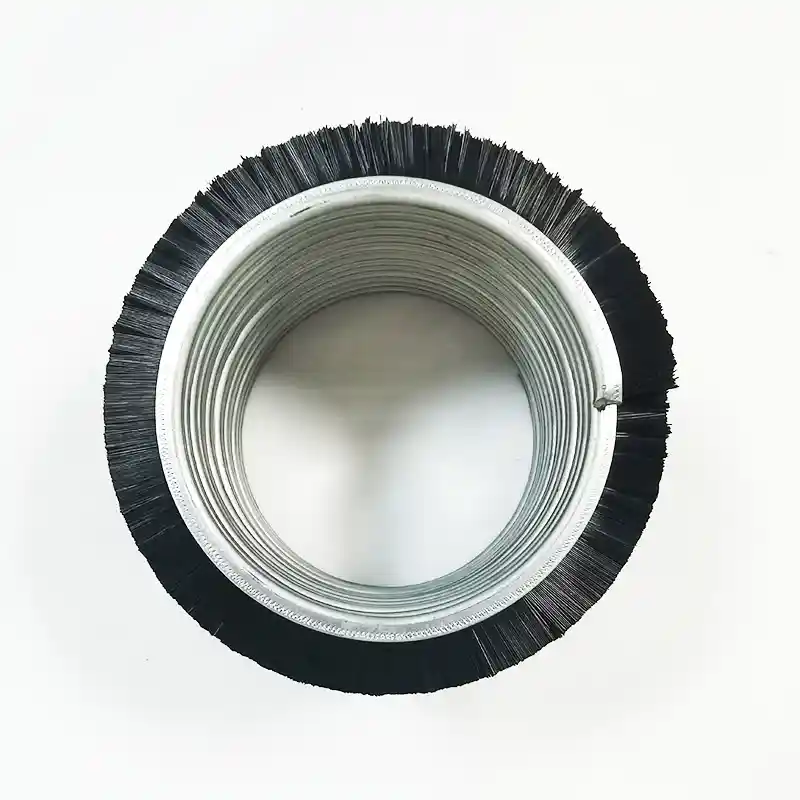
Partner with Huixi Brush for Superior Industrial Solutions
As a leading manufacturer and trading company with 16 years of expertise, Shanghai Huixi Trading Co., Ltd. specializes in customized industrial brushes engineered for precision and performance. Whether your application demands contamination-free brass brushes or robust steel solutions, our team provides professional technical support, ODM/OEM services, and competitive pricing. Contact us today at [email protected] or +86 1580 0932 713 for a consultation, free samples, and to discover how Huixi Brush can be your reliable partner in achieving superior industrial cleaning and deburring results.
Frequently Asked Questions About Wire Brush Selection
What wire brush material works best for aluminum surfaces?
Brass wire brushes are the standard recommendation for aluminum. The softer brass filaments prevent scratching and avoid embedding steel particles that would create galvanic corrosion sites. Aluminum’s relatively soft surface picks up and holds harder particles readily, making brush material selection particularly important for this metal.
Does using steel brushes on stainless steel cause problems?
Stainless steel wire brushes work fine on stainless steel workpieces. Carbon steel brushes on stainless steel create serious problems. Carbon steel particles embed into the stainless surface and initiate flash rust, compromising the corrosion resistance that made stainless steel the material choice in the first place. The embedded particles act as tiny corrosion cells that spread outward from each contamination point.
When does brass make more sense than stainless steel for a wire brush?
Brass wire brushes outperform stainless steel brushes when working with softer metals like aluminum, copper, or brass components. Spark-free operation requirements also favor brass. Applications where preventing any ferrous contamination is critical—food processing, aerospace, pharmaceutical manufacturing—benefit from brass even when stainless steel might technically work. The less aggressive cleaning action of brass also suits polishing and delicate surface preparation where stainless steel would be too harsh.