
Picking the right wire brush material sounds straightforward until you realize how quickly a wrong choice can ruin a workpiece. I’ve seen aluminum panels come back from cleaning with embedded steel particles that turned into corrosion spots within weeks. The brass versus steel decision isn’t just about hardness—it’s about understanding what happens at the interface between brush and surface, and whether that interaction helps or harms your end result.
What Makes Brass and Steel Wire Brushes Behave Differently
Industrial wire brushes do the same basic job—cleaning, deburring, finishing—but the filament material changes everything about how they perform. Brass is a copper-zinc alloy, and that composition makes it inherently softer than steel. The softness isn’t a weakness; it’s the whole point. A brass wire brush won’t dig into softer substrates the way steel will, which matters enormously when you’re working with materials that scratch easily or can’t tolerate contamination.
Brass also conducts electricity well and resists corrosion without rusting. Perhaps most importantly for certain work environments, brass doesn’t spark. That single property makes it the only safe option in refineries, chemical plants, or anywhere flammable vapors might be present.
Steel wire brushes—whether high-carbon or stainless—bring hardness and aggressive cutting action. Carbon steel cuts faster and costs less, but it rusts if you don’t store it properly. Stainless steel sacrifices a bit of that cutting aggression for corrosion resistance and the ability to work on stainless workpieces without leaving ferrous contamination behind.
| Property | Brass Wire Brushes | Steel Wire Brushes |
|---|---|---|
| Hardness | Softer, less abrasive | Harder, highly abrasive |
| Conductivity | Excellent electrical conductivity | Good electrical conductivity |
| Corrosion | Good resistance, non-rusting | Carbon steel: Prone to rust; Stainless steel: Excellent |
| Sparking | Non-sparking | Sparking |
| Material Removal | Gentle cleaning, light deburring, polishing | Aggressive cleaning, heavy deburring, rust removal |
| Cost | Generally higher | Generally lower (carbon steel) |
Why Brass Wire Brushes Matter for Contamination Control
Brass wire brushes exist because some applications simply can’t tolerate the risks that come with steel. When you’re cleaning aluminum, copper, or brass alloys, using a steel brush creates two problems at once. First, the harder steel filaments scratch and gouge the softer metal. Second—and this is the sneakier issue—steel particles embed themselves in the surface.
Those embedded particles create conditions for galvanic corrosion. When two dissimilar metals sit in contact with even trace moisture, electrochemical reactions start eating away at the less noble metal. In aerospace manufacturing or food processing equipment, that kind of contamination can mean scrapped parts or failed inspections.
The non-sparking characteristic deserves emphasis because it’s a genuine safety requirement, not just a nice feature. In environments where flammable gases or combustible dust exist, a single spark from a steel brush can trigger an explosion. Brass eliminates that risk entirely. Our work with customized industrial wire brushes has shown repeatedly that brass is the only responsible choice for hazardous locations.
What surfaces should not be cleaned with a steel wire brush?
Steel wire brushes cause real damage on soft metals like aluminum, copper, brass, and magnesium. The scratches aren’t just cosmetic—steel particles embed themselves in the surface and create sites for galvanic corrosion. The discoloration that follows often can’t be removed without grinding away material. Steel brushes also have no place on surfaces that need a fine finish or in any environment where sparks could ignite something.
Where Steel Wire Brushes Deliver Results
Steel wire brushes earn their place when the job demands aggressive material removal. Removing heavy rust, mill scale, old paint, or weld slag from ferrous metals—these tasks need the cutting power that only steel provides. The hardness that makes steel unsuitable for soft metals is exactly what makes it effective on tough, stubborn deposits.
Surface preparation before welding or coating is another area where steel brushes prove essential. Coatings don’t adhere well to contaminated or oxidized surfaces, and welds can develop porosity if the base metal isn’t clean. A steel wire brush cuts through surface contamination quickly and leaves a profile that helps coatings grip.
Carbon steel works well for general heavy-duty cleaning where cost matters and rust resistance doesn’t. Stainless steel wire brushes cost more but solve specific problems: they resist corrosion themselves, and they won’t leave ferrous contamination on stainless steel workpieces. That second point matters in pharmaceutical, food, and semiconductor manufacturing where ferrous particles are unacceptable.
For more insights into heavy-duty cleaning, consider reading 《wire wheel brush the right assistant for industrial cleaning and polishing》.
Factors That Affect Wire Brush Performance Beyond Material Choice
The filament material sets the baseline, but other variables determine whether a wire brush actually works well for a specific task. Filament diameter changes the brush’s aggressiveness—finer wires touch surfaces more gently while coarser wires bite harder. A brush with the right material but wrong wire diameter can still damage a workpiece or fail to clean it adequately.
Brush density—how many filaments pack into a given area—affects stiffness and cleaning power. Denser brushes feel stiffer and remove material faster, but they also generate more heat and wear faster under heavy loads.
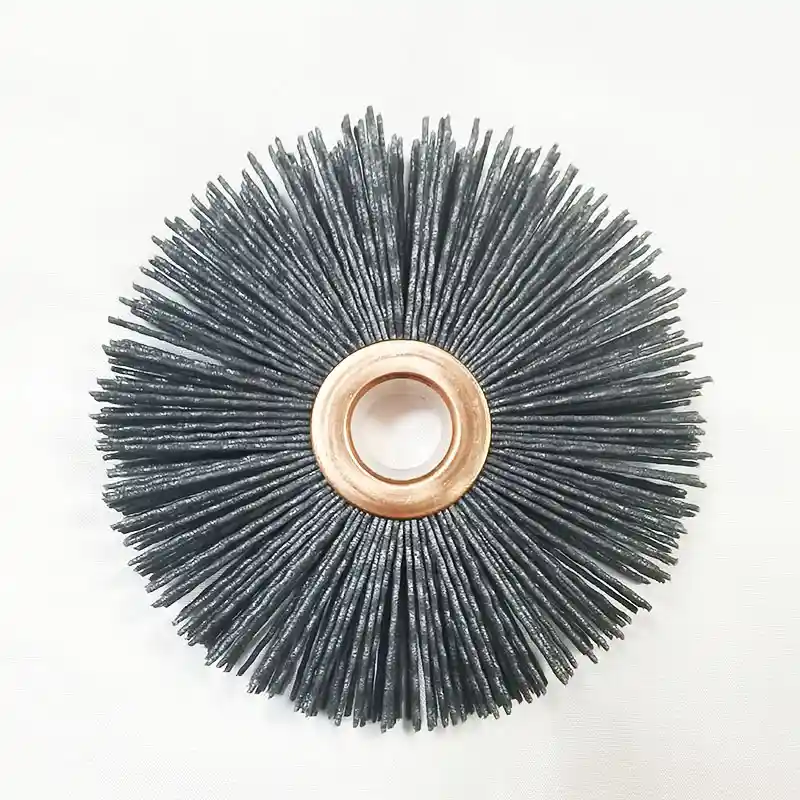
The brush configuration has to match both the application and the tool. Wheel brushes, cup brushes, end brushes, and spiral wire brush each access different geometries and work best at different angles. Running a brush at the wrong RPM or pressing too hard accelerates wear and can damage the workpiece. We provide professional technical support to help clients work through these variables and arrive at the right specification. 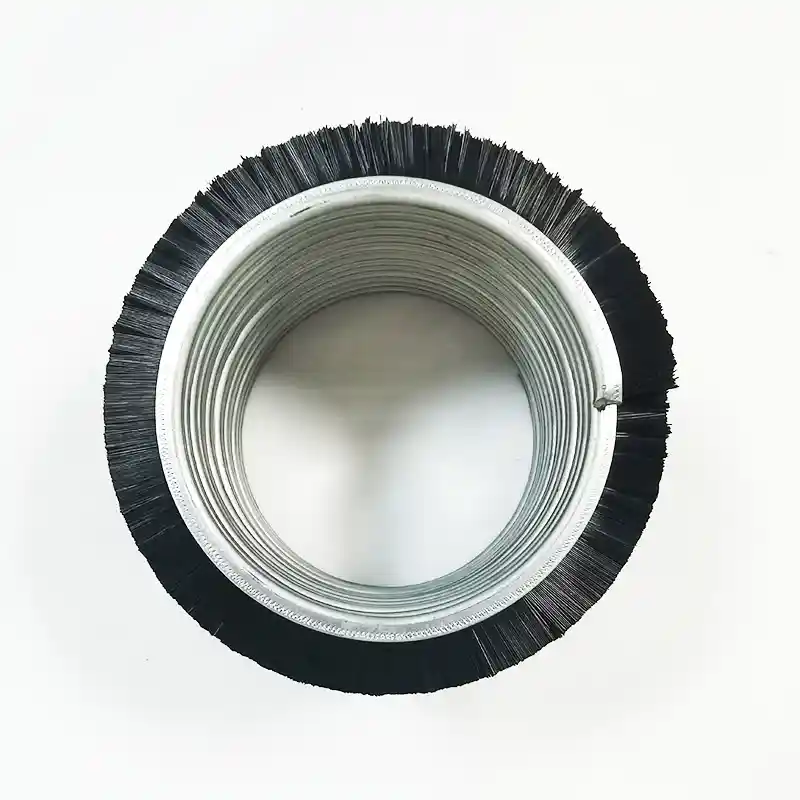
Can a brass wire brush scratch stainless steel?
Brass is much softer than stainless steel, so deep scratching isn’t the concern. The real issues are subtler. On highly polished stainless, excessive pressure with a brass brush can leave superficial marks or transfer brass residue onto the surface. That residue sometimes gets mistaken for contamination during inspection. For critical stainless steel applications where any surface alteration matters, a stainless steel wire brush is the safer choice because it eliminates both scratching risk and the possibility of brass transfer.
What Separates Quality Wire Brushes from Disposable Ones
Cheap wire brushes shed filaments, lose their shape quickly, and deliver inconsistent results. Quality brushes maintain their filament density throughout their service life because the wires are anchored securely and the construction holds up under repeated use. The difference shows up in brush longevity, cleaning consistency, and how often you have to stop work to change tools.
We have 16 years of production experience manufacturing industrial wire brushes, and that experience has taught us where quality matters most. Consistent filament density across the brush face prevents uneven cleaning. Secure anchoring keeps wires from pulling out and contaminating workpieces. Durable construction means the brush performs the same way on its hundredth use as it did on its first.
Reliable suppliers provide technical specifications that actually help users choose correctly, not just marketing language. Our ODM/OEM services let us tailor wire brushes to specific industrial requirements—unusual dimensions, particular filament materials, custom configurations—so the brush matches the application instead of forcing the application to adapt to whatever brush happens to be available. 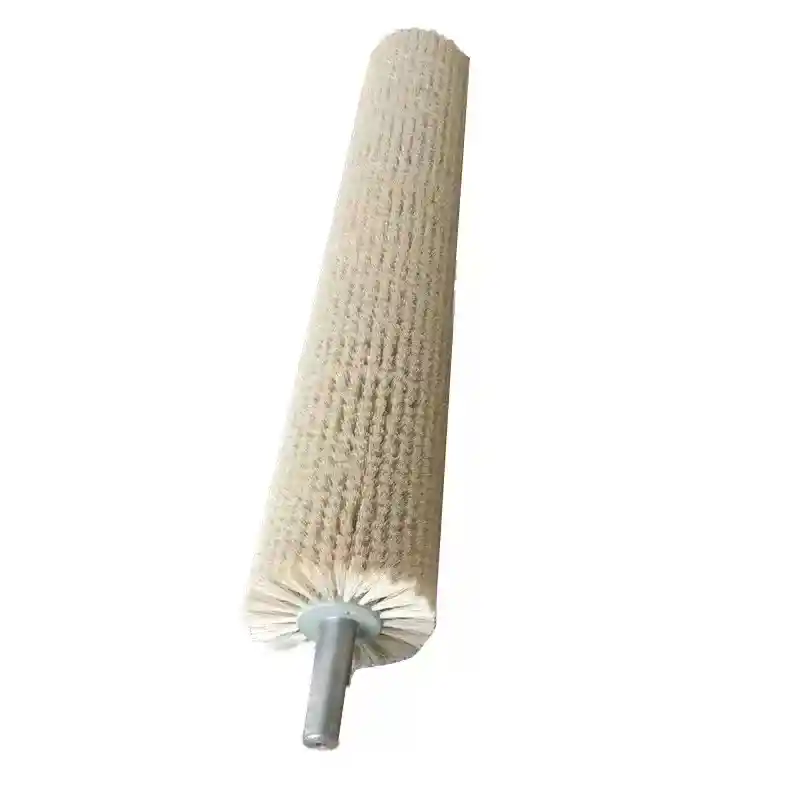
For specialized applications like deburring, further information is available in 《how do you know about deburring brushes》.
Partner with Huixi Brush for Your Industrial Needs
As a specialized manufacturer and trading company with 16 years of expertise, Shanghai Huixi Trading Co., Ltd. offers customized industrial wire brushes designed for precision and performance. From contamination-sensitive applications requiring brass to heavy-duty tasks demanding steel, our professional technical support, competitive pricing, and ODM/OEM services ensure you receive the optimal wire brush solution. Contact us today at [email protected] or +86 1580 0932 713 for a consultation or to request a free sample. Choose Huixi Brush for reliable quality and unparalleled service.
Frequently Asked Questions About Industrial Wire Brushes
When is a brass brush preferred over a stainless steel brush for cleaning sensitive metals?
Brass wire brushes make sense when galvanic corrosion risk is high or when the surface finish absolutely cannot tolerate any ferrous contamination. Because brass is softer than steel alloys, it cleans aluminum, copper, and even stainless steel without gouging or embedding particles. The non-sparking property also makes brass the required choice in flammable environments where stainless steel would create unacceptable ignition risk.
What are the common industrial applications where brass wire brushes are indispensable?
Brass wire brushes handle soft metal cleaning—aluminum, copper, brass itself—without causing damage. They work well for polishing delicate surfaces and removing light rust or scale where preserving the substrate matters. Spark-free zones in oil and gas facilities or chemical plants require brass because steel creates ignition hazards. Any surface preparation where subsequent coatings or processes demand zero ferrous contamination also calls for brass.
How does Huixi Brush ensure the quality of its brass and steel wire brushes?
Shanghai Huixi Trading Co., Ltd. builds quality into wire brush production through 16 years of manufacturing experience and consistent quality control processes. We use high-grade filament materials and maintain strict production standards for both brass and steel wire brushes. Our professional technical support helps clients select the right wire brush for their specific application, and our ODM/OEM services deliver customized solutions—cylindrical brushes, spiral brushes, wheel brushes—that meet particular industrial requirements rather than forcing compromise.