Getting a fragrance quote right the first time saves weeks of back-and-forth. Most delays happen because brands underestimate how much detail manufacturers actually need upfront. The difference between a rough estimate and a production-ready quote often comes down to how clearly you’ve defined your scent profile, volume targets, and packaging requirements before that first email goes out. This piece walks through the practical steps that separate efficient quoting from the frustrating kind.
What Actually Drives Quote Turnaround Time
The OEM fragrance quote process moves faster when both sides speak the same language from day one. Manufacturers can’t price what they can’t visualize, so vague requests like “something fresh and clean” generate vague responses. Specific scent families, reference fragrances, target price points per unit, and volume projections give the production team something concrete to work with.
Clear specifications upfront typically cut revision cycles in half. That’s not marketing speak—it’s basic logistics. When a fragrance house knows you’re targeting a woody-amber base with citrus top notes at $2.50 per 100ml unit in quantities of 5,000 pieces, they can pull accurate raw material costs and production timelines immediately. Without those details, you’re looking at multiple rounds of clarification before anyone can commit to numbers.
The Information That Actually Matters
An accurate OEM fragrance quote depends on a handful of non-negotiable data points. Target cost per unit tells the formulator which ingredient tiers are realistic. Volume requirements determine whether you’re looking at small-batch pricing or production-scale economics. Scent profile specifics—whether that’s a detailed brief or reference samples—give the R&D team direction.
Fragrance formulation details matter more than most brands realize. If you need alcohol-free bases for certain markets, or specific allergen exclusions for EU compliance, that changes the ingredient list and the price. Packaging specifications—bottle type, closure style, secondary packaging—often represent 20-40% of the final unit cost, so leaving those undefined creates a moving target.
How Raw Materials and Complexity Shape Pricing
OEM fragrance pricing isn’t arbitrary. Raw material costs typically account for 60-80% of the fragrance oil itself, and those costs vary dramatically based on ingredient quality and sourcing. Natural isolates from established supply chains cost differently than synthetic alternatives, and rare botanicals like oud or high-quality sandalwood can shift the entire cost structure.
Scent formulation complexity adds another layer. A simple three-note accord requires less development time and fewer specialized ingredients than a multi-layered composition with 15+ components. The more intricate the blend, the more R&D hours go into balancing the formula, and those hours get reflected in the quote.
Bulk fragrance orders create economies of scale that smaller runs can’t access. A 10,000-unit order spreads fixed costs—setup, quality testing, documentation—across more units than a 1,000-piece trial run. That’s why per-unit pricing often drops significantly at higher volumes.
MOQs Exist for a Reason
Minimum order quantities in private label fragrance manufacturing aren’t arbitrary barriers. They reflect the practical economics of production setup, quality control, and raw material sourcing. Running a production line for 200 units costs nearly as much in setup time as running it for 2,000 units.
That said, rigid MOQs can lock out emerging brands with legitimate market potential. Flexible approaches—like Scent-Share’s tiered MOQ structure—let smaller brands enter custom fragrance development without prohibitive upfront commitments. This matters for brands testing new product lines or entering unfamiliar markets where demand projections carry uncertainty.
Moving From Quote to Sample Faster
The fragrance sample request phase is where timelines either compress or expand dramatically. Proactive communication with your OEM partner can shave 2-4 weeks off the typical development cycle. That means responding to prototype submissions within days rather than weeks, providing specific feedback rather than general impressions, and making decisions on direction without endless internal deliberation.
A streamlined scent development process depends on both parties treating the timeline as a shared priority. When brands sit on samples for three weeks before responding, they’re not just delaying their own launch—they’re pushing their project behind other clients who are moving faster.
Realistic Sample Timelines
Custom fragrance sample turnaround varies based on what you’re asking for. A straightforward modification of an existing formula might arrive in 7 business days. A completely original composition with unusual ingredient requirements could take 14 days or longer, depending on raw material availability.
Scent-Share’s R&D process typically delivers initial samples within that 7-14 day window for most projects. Complex briefs or hard-to-source ingredients extend that timeline, but clear communication about expectations prevents surprises. The key is understanding that sample speed and sample quality sometimes trade off—rushing a complex formulation rarely produces the best result.
What to Look for in an OEM Partner
Selecting a fragrance manufacturer involves more than comparing quotes. Regulatory compliance for fragrances varies by market, and a partner without global regulatory knowledge creates risk you’ll discover at the worst possible moment—when your product gets held at customs or fails a compliance audit.
An experienced fragrance contract manufacturing partner brings more than production capacity. They bring familiarity with IFRA guidelines, REACH requirements, and market-specific regulations that vary from the EU to Southeast Asia to North America. That expertise can reduce market entry risks significantly, particularly for brands expanding into unfamiliar territories.
Quality control in fragrance manufacturing matters because consistency matters. A formula that smells different batch to batch destroys brand trust faster than almost anything else. Established fragrance oil suppliers with rigorous QC protocols deliver the kind of batch-to-batch consistency that premium brands require.
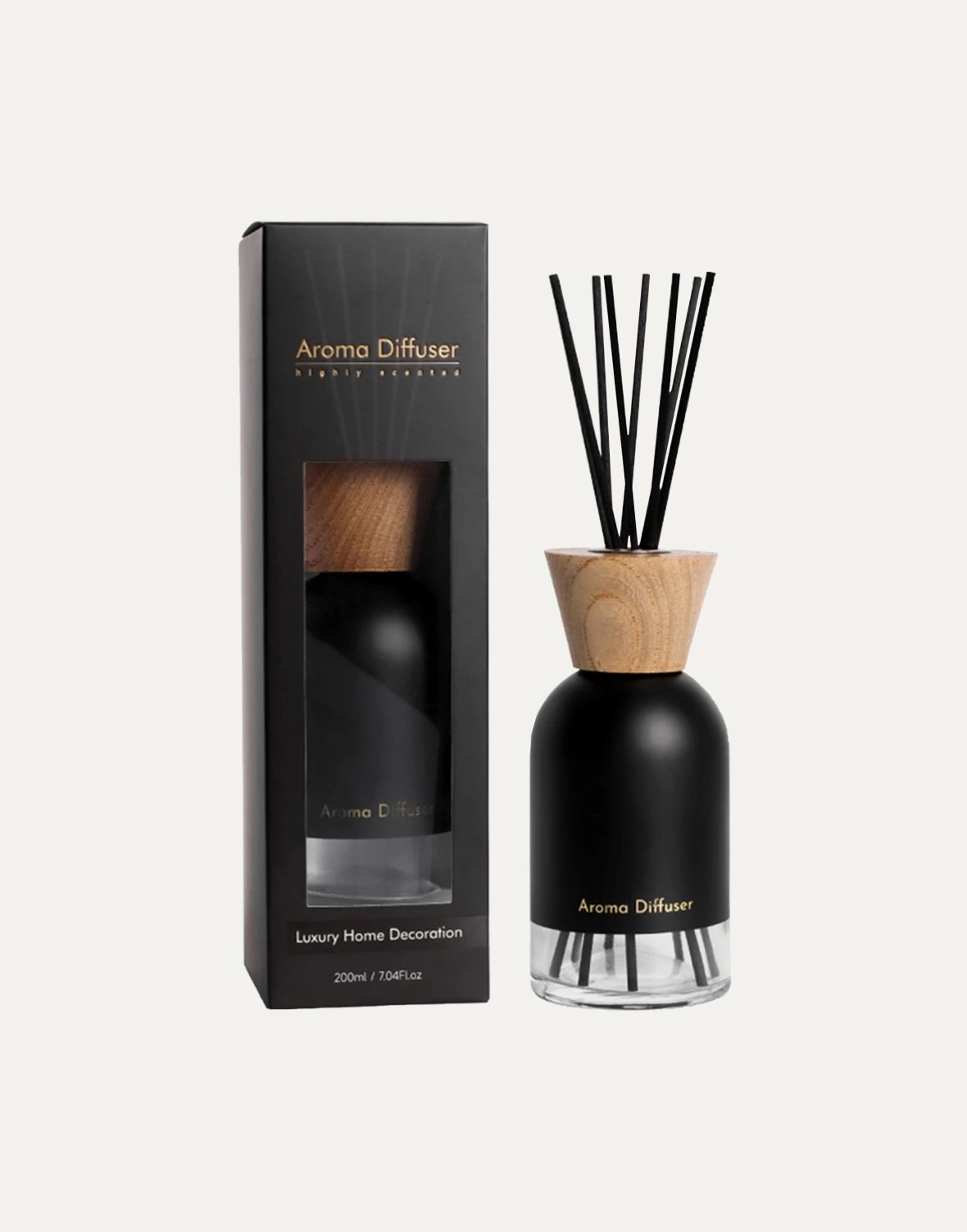
For brands exploring technology-enhanced scent delivery, a partner’s R&D capabilities extend beyond traditional formulation. Smart diffuser integration, programmable scent release, and IoT-connected devices represent the next frontier in home and commercial fragrance applications. 《Custom Smart Aroma Diffusers: Tailored Scenting Solutions》
The Scent-Share Approach
Scent-Share brings over a decade of experience across more than 300 scent types to custom fragrance development. That depth shows up in the practical details—faster sample iterations, more accurate initial quotes, and fewer surprises during production.
The one-stop model integrates R&D, production, marketing support, and comprehensive service into a single relationship. This eliminates the coordination overhead that comes with managing separate vendors for formulation, manufacturing, and packaging. For brands that value efficiency, consolidated partnerships reduce friction at every stage.
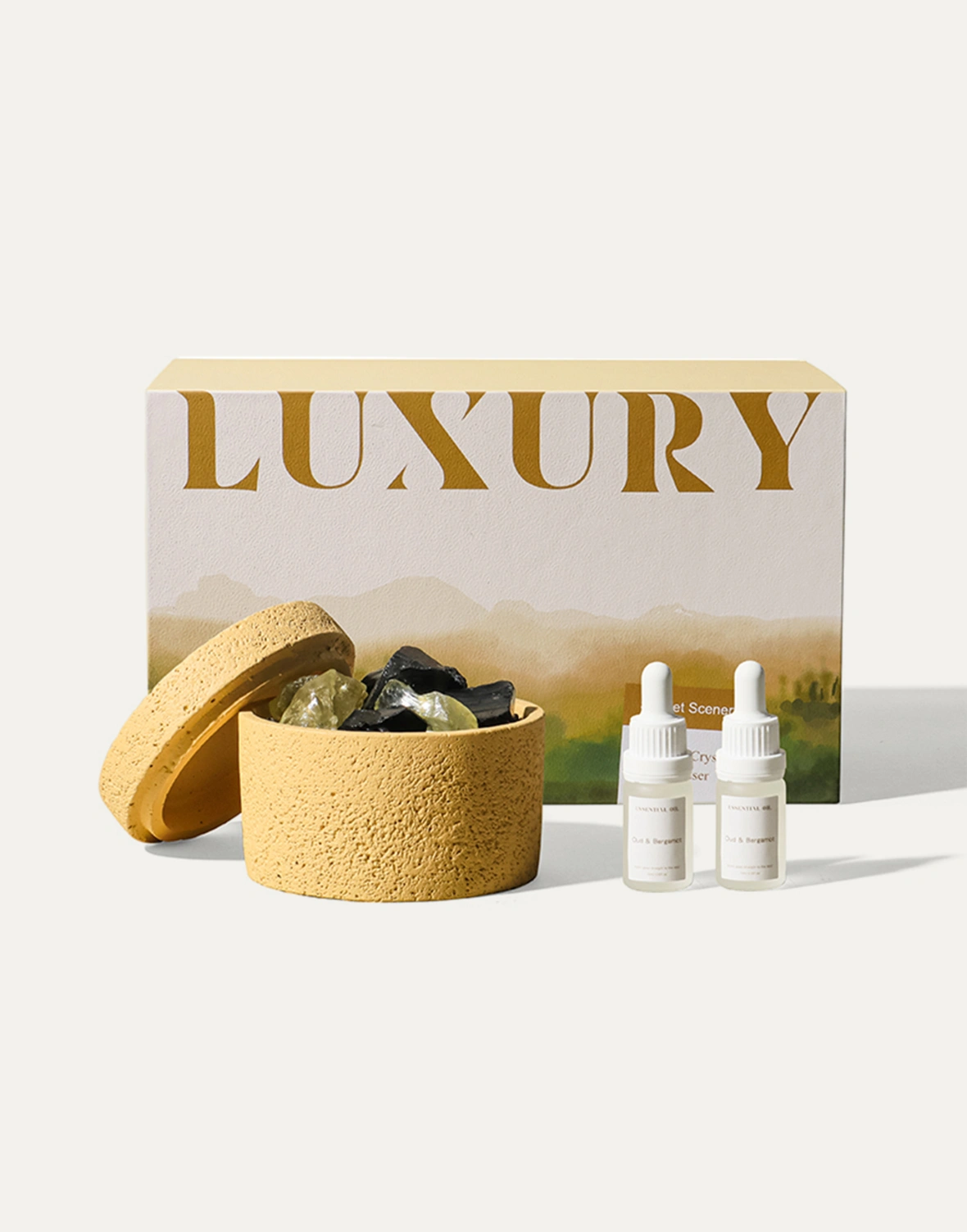
The product range spans multiple delivery formats for different applications. The Scent-Share Battery Aroma Oil Dispenser Wall Mount Diffuser provides programmable scent delivery covering up to 200m³, with wall-mount or standalone options. For smaller spaces, the Home Aroma Air Diffuser Scent Machine offers ultra-quiet operation in an aluminum alloy design. The Home Essential Oil Diffuser Aroma Dispenser Machine combines aluminum and PC construction with three timer modes for versatile home, car, or office use. Commercial applications benefit from the Scent-Share Commercial Scent Oil Diffuser Bluetooth APP, featuring 24/7 operation with Bluetooth control and coverage up to 300m³. Traditional formats like the Modern Minimalist Reed Oil Diffuser Aroma Gift Safe for Pets deliver elegant, passive fragrance diffusion through natural rattan reeds.
| Product Type | Coverage Area | Power Source | Special Features |
|---|---|---|---|
| Battery Aroma Oil Dispenser | 200m³ (750 sq ft) | 3×D batteries or DC5V-1.5A | Wall-mount/standalone, programmable |
| Home Aroma Air Diffuser (Mini) | 80m³ (300 sq ft) | DC5V-1.5A | Aluminum alloy, touch-control, ultra-quiet |
| Commercial Scent Oil Diffuser | 300m³ (1,000 sq ft) | DC12V-1A | Bluetooth APP, 24/7 operation, built-in fan |
| Reed Diffuser & Candle Set | N/A | N/A | Natural rattan reeds, soy candle, gift packaging |
| Natural Crystal Aroma Stone | N/A | N/A | Chemical-free, heat-free diffusion, natural crystal |
Starting Your Custom Fragrance Project
Bringing a signature scent to market requires the right partnership from the beginning. Scent-Share Technology combines manufacturing expertise with the flexibility to support brands at various scales, from initial concept through full production.
Contact [email protected] or call +86 185 6557 5758 to discuss your project requirements and receive a detailed OEM fragrance quote tailored to your specifications.
Frequently Asked Questions About OEM Fragrance Quotes
What factors truly influence OEM fragrance pricing?
Raw material costs drive the largest portion of OEM fragrance pricing, particularly when formulations include rare or high-quality natural ingredients. Formulation complexity adds development time and specialized ingredient requirements. Order volume affects per-unit economics significantly—larger runs spread fixed costs across more units. Packaging choices often represent 20-40% of final unit cost. Regulatory compliance testing and documentation add costs for brands targeting multiple international markets. Scent-Share optimizes across these variables to deliver competitive pricing without compromising quality.
How can I ensure my custom fragrance meets international regulatory standards?
International regulatory compliance requires a manufacturing partner with documented expertise in standards like IFRA guidelines and REACH requirements. Scent-Share’s R&D and production processes incorporate compliance considerations from the formulation stage, not as an afterthought. This includes allergen documentation, ingredient restrictions by market, and testing protocols that satisfy regulatory bodies across different regions. For brands planning worldwide distribution, this built-in compliance infrastructure prevents costly reformulation or market access delays.
What is the typical lead time for a full OEM fragrance production run after sample approval?
Production lead time after sample approval depends on order size, component availability, and current manufacturing schedules. Most projects move from approved sample to delivered product within 4-8 weeks. Larger orders or projects requiring custom packaging components may extend that timeline. Scent-Share provides specific lead time estimates during the quoting process, updated as production scheduling becomes clearer. Proactive communication about any changes in your timeline helps the production team adjust schedules accordingly.