Working with IL-1α in the lab reveals something that textbooks often understate: this cytokine sits at the crossroads of nearly every inflammatory response you can name. Recombinant human IL-1α drives immune cascades with a precision that makes it both a powerful research tool and a window into how the body mounts its defenses. The protein’s ability to trigger NF-κB reporter activity at remarkably low concentrations—we’re talking ED₅₀ values at or below 0.05 ng/mL—speaks to its potency. For anyone studying inflammation, autoimmunity, or tumor immunology, understanding what this molecule does and how to work with it reliably matters more than most researchers initially expect.
How IL-1A Functions as an Immune System Driver
IL-1 alpha operates as one of the body’s primary alarm signals. When tissue damage occurs or pathogens invade, this cytokine kicks inflammatory processes into gear. The mechanism involves binding to specific cell surface receptors, which then activates signaling cascades that alter gene expression patterns across immune cell populations.
These expression changes aren’t subtle. They push immune cells toward activation, drive proliferation, and guide differentiation pathways. The effects ripple outward from local tissue responses to systemic inflammation when concentrations rise high enough.
Recombinant human IL-1α gives researchers a controlled way to study these processes. The E. coli-expressed form, with its 18.0 kDa molecular weight and purity levels at 95% or higher, provides the consistency needed for reproducible experiments. That ED₅₀ of ≤0.05 ng/mL confirms the protein retains its native biological activity through the production process.
What makes IL-1A particularly valuable for inflammation research is how it connects upstream triggers to downstream immune responses. Mapping these connections has revealed therapeutic targets that weren’t obvious before researchers had reliable recombinant protein to work with.
Research Applications That Depend on Recombinant Human IL-1A
The range of studies that use recombinant human IL-1α keeps expanding. Cancer immunotherapy researchers leverage its pro-inflammatory properties to boost anti-tumor immune responses. The cytokine can enhance the activity of tumor-infiltrating lymphocytes and shift the tumor microenvironment toward a more immunologically active state.
Autoimmune disease research takes a different angle. Here, IL-1A helps model what happens when inflammatory signaling goes wrong. By understanding how aberrant IL-1α activity contributes to conditions like rheumatoid arthritis or inflammatory bowel disease, researchers can identify intervention points for new therapies.
Cell proliferation and differentiation studies also rely heavily on this cytokine. Stem cell researchers use it to direct differentiation pathways, while regenerative medicine applications benefit from its effects on tissue repair processes.
Drug discovery programs incorporate IL-1A into screening assays designed to find compounds that modulate inflammatory pathways. Preclinical research uses the cytokine to create disease models that predict how treatments will perform in clinical settings.
Beyond pure research, recombinant human IL-1α serves as raw material for IVD applications and as a cell culture supplement. It supports monocyte activation protocols and stimulates fibroblast responses in culture systems.
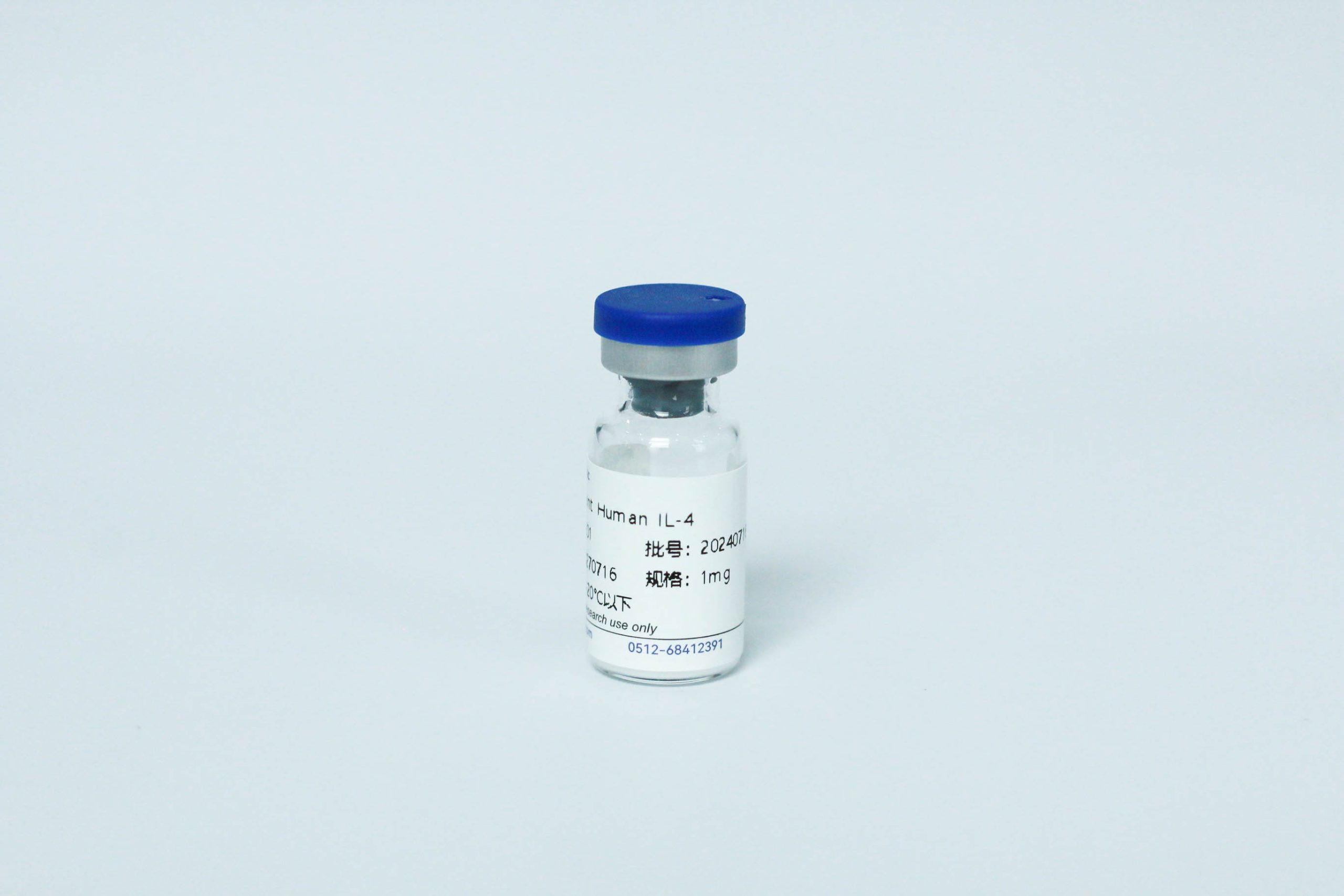
What specific roles does recombinant human IL-1A play in research and diagnostic workflows?
The applications split between research and diagnostic uses. For research, IL-1A supports both in vitro and in vivo studies examining immune responses, inflammatory mechanisms, and cell signaling pathways. Cell-based assays that evaluate drug candidates often include IL-1A to create physiologically relevant conditions.
Diagnostic applications center on IVD assay development, where the protein serves as a critical component for detecting inflammatory markers. Cell culture media formulations for cell therapy research and organoid development also incorporate IL-1A to provide the growth factor environment that supports proper cellular growth and differentiation.
| Research Area | Specific Application | Expected Outcome |
|---|---|---|
| Cancer Immunotherapy | Enhancing anti-tumor immunity | Improved immune cell activation |
| Autoimmune Diseases | Modeling inflammatory responses | Identification of therapeutic targets |
| Cell Culture | Promoting cell growth/differentiation | Optimized cell-based assays |
| Drug Discovery | Screening anti-inflammatory agents | Novel drug identification |
Why Purity and Quality Control Define Usable Recombinant Human IL-1A
The difference between reliable and unreliable experimental results often comes down to protein quality. Producing recombinant human IL-1α that researchers can trust starts with choosing the right expression system. E. coli expression delivers high yields with consistent properties batch after batch.
Purification protocols must achieve purity levels at 95% or above. Anything less introduces variables that confound experimental interpretation. Quality control extends beyond purity to include bioactivity assays that confirm the protein actually does what it should do in biological systems.
Endotoxin testing matters particularly for IL-1A because the cytokine itself triggers inflammatory responses. Contaminating endotoxin would create false signals that look like IL-1A activity but aren’t. Keeping endotoxin levels at or below 100 EU/mg prevents this problem.
Lot-to-lot consistency deserves special attention. Researchers need to know that the IL-1A they use today will behave the same as the IL-1A they used six months ago. Without this consistency, comparing results across experiments becomes impossible.
Both GMP-grade and research-grade proteins have their place, depending on the application. What matters is that the recombinant protein raw materials meet the standards appropriate for their intended use.
How do quality issues with recombinant human IL-1A show up in experimental data?
Impurities create noise in the data. Endotoxin contamination triggers cellular responses that have nothing to do with IL-1A, leading to false positives in assays designed to measure cytokine effects. Other contaminating proteins can interfere with receptor binding or downstream signaling.
Inconsistent batches introduce variability that makes data interpretation difficult. When the same experiment gives different results with different lots of protein, the validity of any conclusions comes into question.
High-purity, biologically active IL-1A eliminates these concerns. Effects observed in experiments can be attributed directly to the cytokine rather than to unknown contaminants. Protein stability also factors in—degraded protein won’t perform consistently over the course of extended experiments.
East-Mab Bio’s Approach to Recombinant Protein Production
Jiangsu East-Mab Biomedical Technology Co., Ltd. has built its recombinant protein platform with a $30 million investment in research, validation, and production capabilities. The portfolio covers cell culture proteins, IVD diagnostic proteins, and enzymes for pharmaceutical applications.
Technical services complement the product offerings. Clients working on specific projects can access support that helps them get the most from the materials they purchase.
The company serves multiple biotech sectors: IVD, cell culture media, cell therapy, organoids, cosmetics, and cultivated meat. Each sector has different requirements, and the production platform accommodates this diversity.
The Recombinant Human IL-1α product exemplifies the quality standards applied across the portfolio. Its ability to induce NF-κB reporter activity with an ED₅₀ ≤0.05 ng/mL demonstrates that biological activity and purity aren’t compromised during production.
Where Recombinant Human IL-1A Research Is Heading
The applications for recombinant human IL-1α continue to multiply. Combination therapies for cancer and chronic inflammatory conditions represent one active area, with researchers exploring how IL-1A’s immune-modulating properties can enhance other treatment approaches.
Biomarker discovery programs are increasingly interested in IL-1A-mediated pathways. Specific signaling patterns associated with this cytokine may serve as indicators for disease progression or as markers for treatment response.
Precision medicine will rely more heavily on detailed understanding of cytokines like IL-1A. Tailoring treatments to individual patient profiles requires knowing exactly how inflammatory signaling works in different contexts.
Advanced cell models, including organoid systems, incorporate IL-1A to create more physiologically relevant platforms. These models offer better predictions of how drugs will perform in actual patients compared to traditional cell culture approaches.
Next-generation diagnostics promise earlier and more accurate detection of inflammatory and immune-related disorders. Recombinant human IL-1α will be part of the assay development work that makes these advances possible.
Working with East-Mab Bio on Your Projects
Jiangsu East-Mab Biomedical Technology Co., Ltd. provides the recombinant protein raw materials that support research and product development across multiple fields. The portfolio includes cell culture proteins, IVD diagnostic proteins, and specialized enzymes.
Contact the team at +86-400-998-0106 or [email protected] to discuss specific project requirements or to learn more about available products and technical services.
Common Questions About Recombinant Human IL-1A
Which suppliers provide recombinant human IL-1A with documented lot-to-lot consistency?
Manufacturers that specialize in recombinant protein production, such as Jiangsu East-Mab Biomedical Technology Co., Ltd., maintain the quality control infrastructure needed for consistent products. Look for suppliers that provide certificates of analysis with each lot and that can demonstrate batch-to-batch reproducibility in bioactivity assays. This documentation matters more than marketing claims when selecting a source for sensitive research applications.
What practical steps reduce variability when working with recombinant human IL-1A?
Start by verifying biological activity upon receipt rather than assuming the protein performs as specified. Aliquot the stock to avoid repeated freeze-thaw cycles, which degrade activity over time. Use the same lot throughout a series of related experiments when possible. Monitor endotoxin levels if your assay system is sensitive to LPS contamination. These steps won’t eliminate all variability, but they address the most common sources of inconsistent results.
How does recombinant human IL-1A fit into cell therapy manufacturing workflows?
In cell therapy contexts, IL-1A serves multiple functions. It can be part of cell culture media formulations that support expansion of specific cell populations. It helps researchers understand how therapeutic cells will respond to inflammatory environments after administration. For quality control purposes, IL-1A-based assays can assess the immunological properties of cell therapy products before release. The cytokine’s well-characterized activity makes it a reliable component in these regulated manufacturing settings.