Getting the right fragrance samples for a commercial project takes more than browsing a catalog. The scent you choose will shape how customers feel in your space, and that kind of decision deserves a methodical approach. From finding suppliers who actually understand large-scale scenting to evaluating samples under real conditions, each step matters. This process can feel overwhelming at first, but breaking it down into clear phases makes the whole thing manageable.
Finding Suppliers Who Actually Deliver on Commercial Fragrance Samples
The supplier you choose sets the ceiling for what your final product can become. A company with limited scent options or inconsistent quality will create problems down the line, no matter how good your initial concept is. Spending time upfront on supplier research pays off throughout the entire project.
Look beyond the marketing language and dig into specifics. How long have they been producing commercial fragrance samples? What markets do they serve? A supplier operating across dozens of countries has likely encountered and solved problems that a regional player hasn’t faced yet. Scent-Share, for example, has spent 10 years building a library of over 300 scent types while serving clients in 68 countries. That kind of track record suggests they’ve refined their processes through real-world feedback.
R&D capabilities matter more than many buyers realize. A supplier with integrated research and production can adjust formulations quickly when something isn’t working. They can also offer guidance on what’s technically feasible within your budget and timeline. Ask about their development process, quality certifications, and whether they handle everything in-house or outsource key steps.
Supplier Evaluation Criteria at a Glance
| Criteria | Description | Scent-Share’s Offering |
|---|---|---|
| Experience | Years in the fragrance industry | 10 years |
| Global Reach | Number of countries served | 68 countries |
| Scent Library | Variety and number of available scents | 300+ types of scents |
| R&D Integration | In-house research and development | Fully integrated R&D |
| Support Services | Pre-sales, production, and after-sales | Comprehensive pre-sales and after-sales support |
| Innovation Focus | Commitment to new product and technology development | Continuous development of new products and technologies |
| Quality Control | Standards and certifications | Rigorous production standards and quality assurance |
| Customization | Ability to create bespoke fragrances | Custom scent creation available |
| Sustainability | Eco-friendly practices and sourcing | Focus on sustainable practices and plant-based aromatherapy options |
| Product Range | Diffusers, oils, candles, stones, etc. | Wide range including diffusers, oils, reed diffusers, candles, aroma stones |
Writing a Sample Request That Gets Results
A vague request produces vague samples. Suppliers work from the information you give them, so the more specific your brief, the closer the initial samples will be to what you actually need. This saves everyone time and gets you to a final selection faster.
Start with the basics: what product category are you developing for, and where will the scent be experienced? A hotel lobby has different requirements than a retail boutique or a home diffuser. The physical space, foot traffic, and desired emotional response all influence which fragrance profiles make sense.
What Your Request Should Include
Think through these elements before reaching out to suppliers:
- Your brand identity and the feeling you want the scent to create
- Product category, whether that’s ambient scenting, personal care, or home fragrance
- The specific environment where the scent will be used
- Target demographic details including age range, lifestyle, and preferences
- Reference fragrances you admire or want to move away from
- Specific notes you want included or excluded
- Performance requirements like longevity and intensity level
- Budget range for the final fragrance
- Regulatory standards your market requires, such as IFRA compliance
- Preferred sample format, whether oil concentrate or finished product
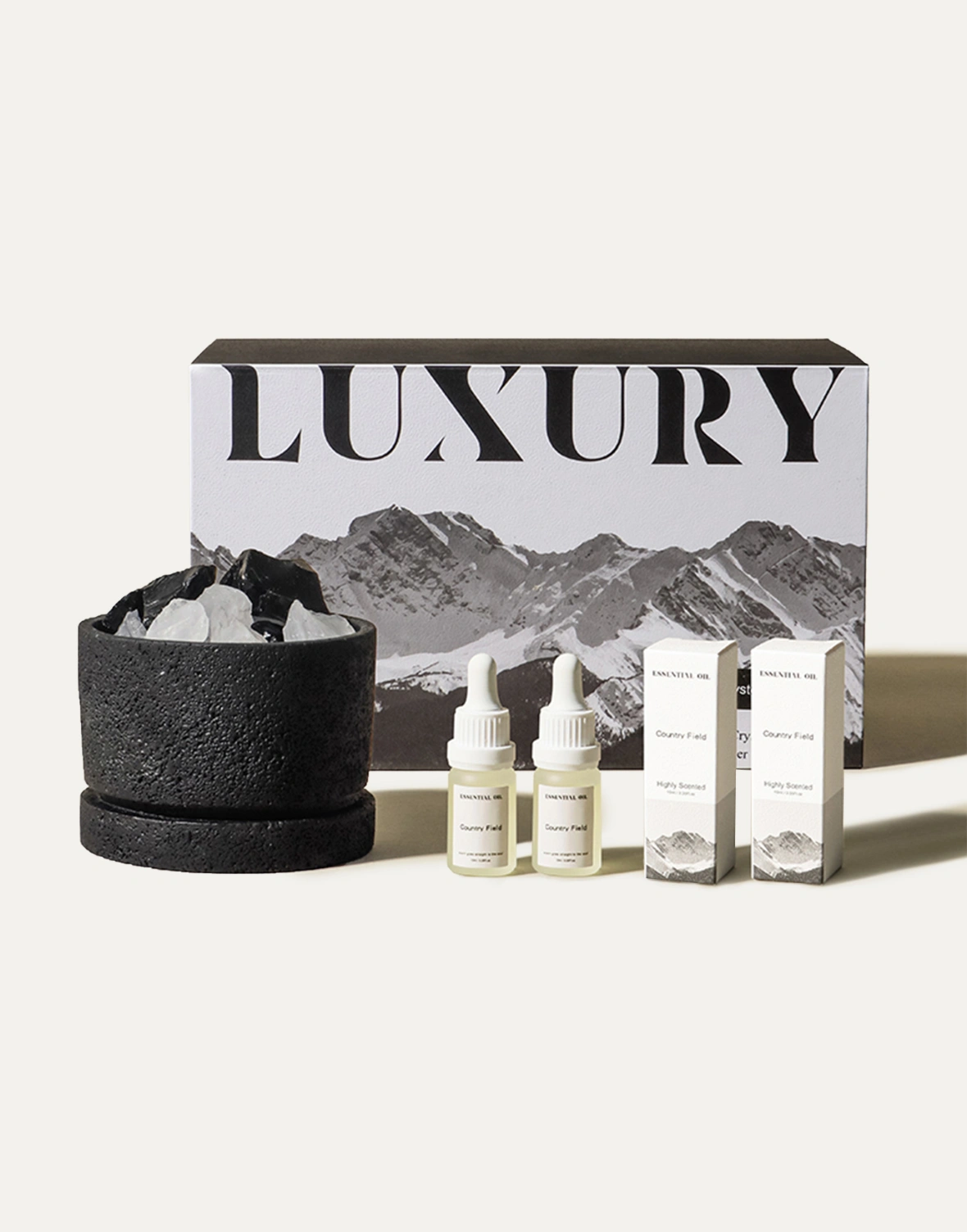
If you’re developing a signature scent for a hotel, for instance, you might specify that you need something luxurious and calming that enhances the guest experience without being overwhelming. That kind of direction helps suppliers pull relevant options from their library rather than sending a random assortment. For home and office applications, exploring options like a Home Essential Oil Diffuser Aroma Dispenser Machine can help you understand how the scent will actually perform in smaller spaces.
Testing Commercial Fragrance Samples Under Real Conditions
Receiving samples is just the beginning. How you evaluate them determines whether you end up with a scent that performs beautifully in the real world or one that disappoints once it’s deployed at scale.
Sensory evaluation has both objective and subjective components. The objective side involves checking documentation, verifying consistency, and measuring performance metrics. The subjective side requires gathering impressions from people who represent your target audience. Both matter, and skipping either one creates blind spots.
A Practical Approach to Sample Evaluation
- Request Certificates of Analysis and Safety Data Sheets for every sample
- Run blind tests with a diverse group to reduce individual bias
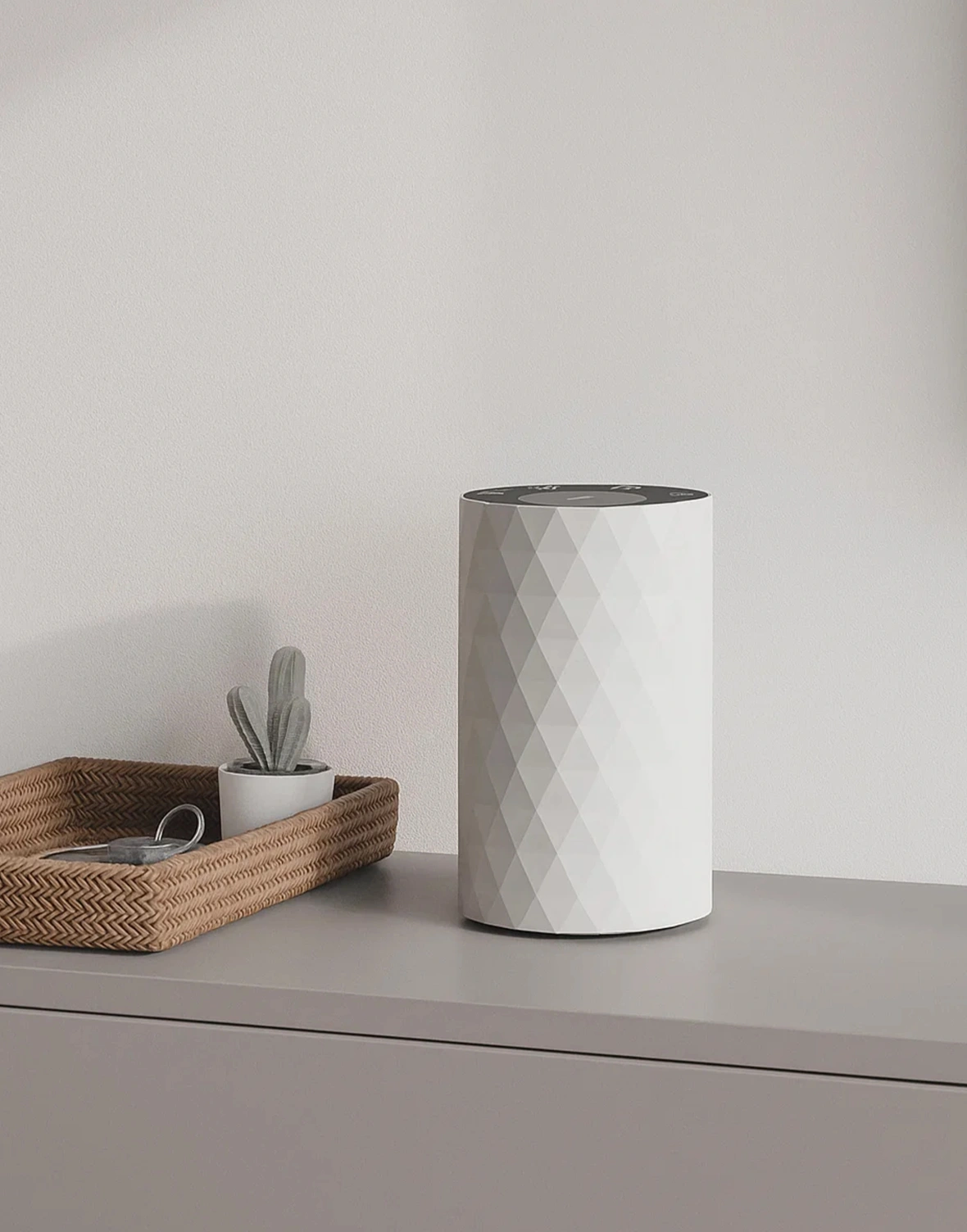
- Test samples in the actual environment where they’ll be used, ideally with equipment like a Scent-Share Commercial Scent Oil Diffuser Bluetooth APP
- Measure scent throw, how long the fragrance lasts, and diffusion consistency
- Compare new samples against any benchmarks or previous versions you’ve tested
- Store samples properly to prevent changes that could skew your evaluation
- Document any differences in color, clarity, or thickness
- Send detailed feedback to your supplier so they can refine the next round
- Verify compliance with industry standards and regulations for your market
- Use a consistent scoring system across all samples
 ## Handling Shipping and International Regulations
The logistics of getting commercial fragrance samples from supplier to your location involve more variables than most buyers expect. Understanding these factors upfront prevents delays and surprise costs.
Shipping expenses depend on where you’re located, how many samples you need, and how quickly you need them. International orders add another layer of complexity. Customs duties, documentation requirements, and regulations around volatile compounds all come into play.
What to Know About Importing Fragrance Samples
Bringing commercial fragrance samples across borders requires attention to several regulatory areas. Customs duties and import tariffs vary by country. Labeling requirements differ between markets. Some compounds in fragrances classify as hazardous materials, particularly those containing alcohol or other volatile ingredients, which triggers additional documentation.
Both the exporting and importing countries have rules that apply. IFRA standards provide an international baseline, but local chemical inventories and safety regulations add country-specific requirements. Working with a supplier that already operates globally simplifies this process considerably. Scent-Share’s presence in 68 countries means they’ve navigated these requirements repeatedly and can guide you through the specifics for your market. For larger commercial spaces, their Scent-Share Commercial Scent Diffuser HVAC Aroma Dispenser System integrates directly into building infrastructure for seamless scent delivery.
Building a Partnership That Lasts Beyond the First Order
Selecting commercial fragrance samples for a single project is one thing. Building a relationship that supports your brand’s scent strategy over years is something else entirely. The best supplier relationships evolve into genuine partnerships where both sides understand each other’s goals and constraints.
A strong partnership gives you access to expertise you couldn’t develop internally. Your supplier sees trends across dozens of markets and hundreds of clients. They know which scent profiles are gaining traction and which technologies are changing how fragrance gets delivered. That perspective becomes part of your competitive advantage.
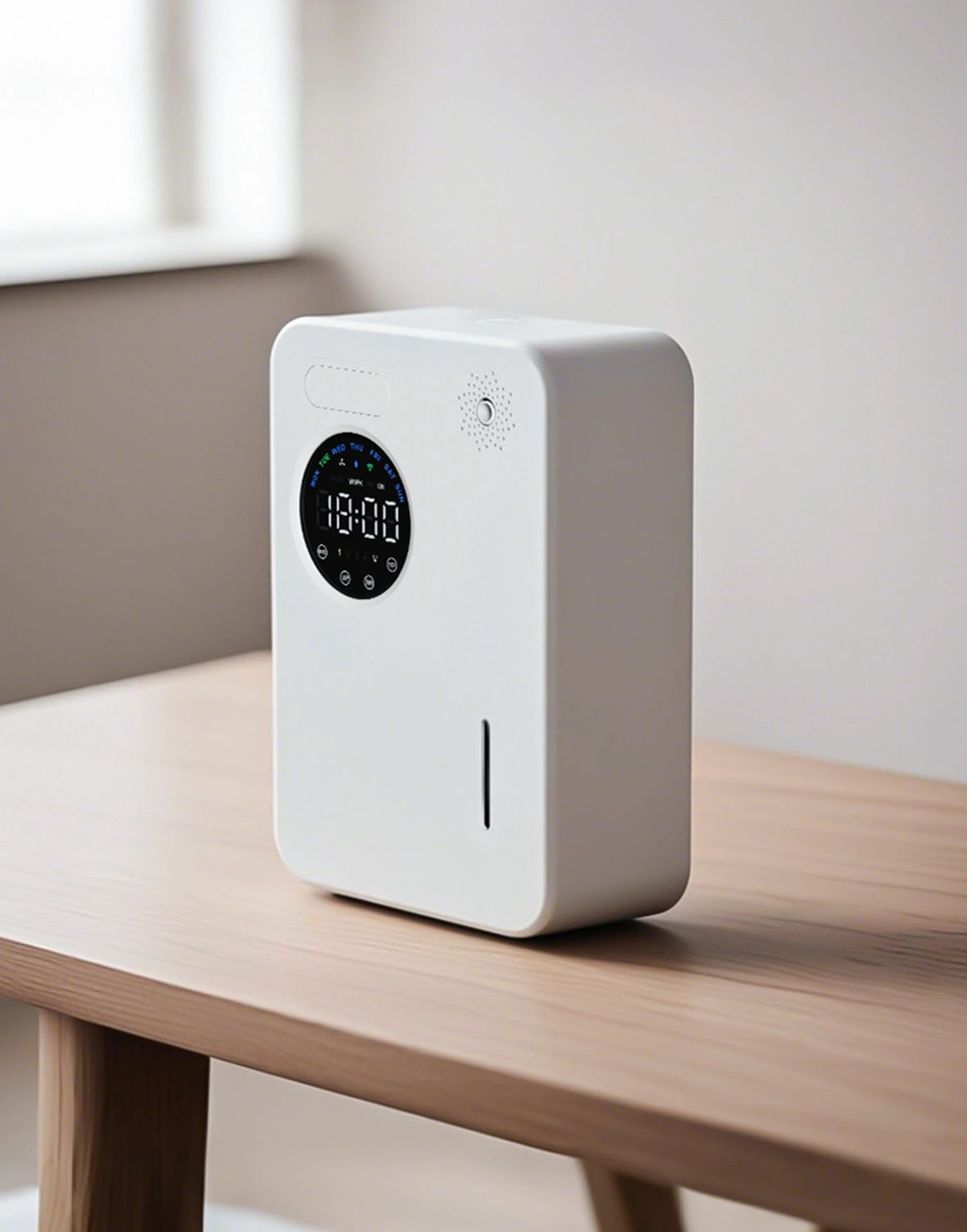 The range of scenting solutions available today means you can match the delivery method to your specific situation. Compact options like the Scent-Share Home Desktop Mini Car Aroma Diffuser work well for personal spaces. The Scent-Share Battery Aroma Oil Dispenser Wall Mount Diffuser offers flexibility in placement without requiring electrical outlets. For large commercial environments, the Scent-Share Ceiling Diffuser Commercial Scent Machine Bulk provides coverage that smaller units can’t match. Each solution delivers fragrance differently, and understanding these differences helps you choose equipment that makes your selected scent perform at its best.
Start Your Commercial Fragrance Sample Journey
Finding the right scent for your brand involves research, testing, and collaboration with the right partner. Scent-Share brings 10 years of experience, a library of over 300 scent types, and operations spanning 68 countries to every client relationship. Their integrated approach covers R&D, production, and ongoing support, giving you a single point of contact for your entire scenting program. Reach out to [email protected] or call +86 185 6557 5758 / +86 134 2048 5758 to discuss what you’re looking for and how commercial fragrance samples can help you get there.
Frequently Asked Questions About Commercial Fragrance Samples
How long does it take to receive commercial fragrance samples after placing a request?
Timing depends on several factors. Standard samples from an existing library typically arrive within 1-2 weeks for domestic shipments. International orders or custom blend requests can take 3-6 weeks. The more clearly you communicate your requirements upfront, the faster the process moves. Providing detailed feedback when you receive samples also helps accelerate subsequent rounds if adjustments are needed.
What regulations apply when importing fragrance samples from another country?
International shipments of commercial fragrance samples fall under multiple regulatory frameworks. Customs duties and tariffs apply based on the destination country. Labeling must meet local requirements. Fragrances containing alcohol or volatile compounds may classify as hazardous materials, requiring specific documentation and handling. IFRA standards provide a baseline, but each country adds its own chemical inventory and safety rules. Suppliers with global experience, like Scent-Share with operations in 68 countries, can help you navigate these requirements for your specific market.
What steps ensure the commercial fragrance samples I receive meet quality standards?
Quality assurance starts with supplier selection. Choose partners known for rigorous production standards and transparency about their processes. Request Certificates of Analysis and Safety Data Sheets for every sample batch. Establish a structured evaluation process that includes blind sensory testing, performance measurement in your intended environment, and comparison against established benchmarks. Store samples under controlled conditions to prevent degradation that could affect your assessment. Document everything so you can provide actionable feedback that improves subsequent sample rounds.