
Stainless steel keeps its shine and strength only when you keep other metals off it. That sounds simple enough, but the wrong brush can undo years of careful material selection in a single pass. I’ve watched fabricators ruin perfectly good welds by grabbing whatever wire brush happened to be closest. The fix isn’t complicated, but it does require understanding why brass works where steel fails, and knowing when even brass isn’t the right call.
How Foreign Particles Destroy Stainless Steel
Cross-contamination sounds technical, but the damage is straightforward. When iron or carbon steel particles land on stainless steel and stay there, they become tiny corrosion engines. Each embedded particle creates an electrochemical reaction with the surrounding stainless surface. The result shows up as rust spots first, then pitting, then structural weakness that spreads outward from each contamination point.
The particles arrive from obvious sources and subtle ones. Grinding dust drifts through shop air. A carbon steel wire brush leaves microscopic fragments behind. Even handling stainless with gloves that touched carbon steel earlier can transfer enough material to start problems.
Food processing plants and pharmaceutical facilities face the strictest consequences. Regulatory inspectors know exactly what ferrous contamination looks like, and they know it compromises product safety. But the problem extends to any application where the stainless steel needs to actually perform like stainless steel. Contaminated surfaces corrode faster, fail sooner, and cost more to replace than proper cleaning ever would.
| Contamination Type | Source | Effect on Stainless Steel |
|---|---|---|
| Ferrous | Steel tools, grinding dust | Rust, pitting, galvanic corrosion |
| Non-Metallic | Dirt, grease, residues | Reduced passivation, surface discoloration |
| Chemical | Cleaning agents, process fluids | Staining, localized corrosion |
Why Brass Wire Brushes Work on Stainless Steel
Brass contains no iron. That single fact explains most of its value for stainless steel work. A brass wire brush can scrub oxide layers, light rust, and surface scale without leaving behind particles that will cause future corrosion. The cleaning happens, and the surface stays clean.
The softness of brass relative to stainless steel matters too. Brass sits around 3 to 4 on the Mohs hardness scale. Most stainless steels fall between 5.5 and 6.5. This gap means brass wire flexes and conforms to the surface rather than gouging into it. The passive chromium oxide layer that gives stainless steel its corrosion resistance stays intact.
Surface preparation before welding benefits particularly from this approach. Brass brushes remove the contaminants that cause weld porosity and inclusions without introducing new problems. The same applies to polishing operations and any process where the final surface quality matters.
Will Brass Scratch Stainless Steel Surfaces
The hardness difference between brass and stainless steel makes deep scratching unlikely under normal conditions. But “unlikely” isn’t “impossible.” Pressing too hard or working the same spot repeatedly can leave superficial marks. The brass wire eventually wears through the surface’s natural resistance to softer materials.
Technique matters more than most operators realize. Light pressure with consistent strokes across the surface produces better results than aggressive scrubbing in one area. Matching the wire diameter to the job helps too. Finer wires for delicate cleaning, coarser wires for heavier deposits.
| Property | Brass Wire Brush | Steel Wire Brush |
|---|---|---|
| Material | Non-ferrous alloy | Ferrous alloy |
| Hardness (Mohs) | 3-4 | 5.5-6.5 |
| Contamination Risk | Low (non-ferrous) | High (ferrous particles) |
| Surface Impact | Gentle, less abrasive | More aggressive, potential for embedding |
| Applications | Stainless steel, softer metals | Carbon steel, tougher materials |
Techniques That Prevent Contamination and Surface Damage
The brush itself only solves half the problem. How you use it determines whether the stainless steel surface actually stays clean and undamaged.
Wire diameter selection comes first. Finer filaments work for light oxide removal and general cleaning. Heavier deposits like scale or stubborn corrosion products need coarser wires that can actually dislodge the material. Using fine wire on heavy contamination just wastes time and wears out the brush prematurely.
Dedicated brushes for stainless steel work eliminate one of the most common contamination pathways. A brass brush that touched carbon steel yesterday carries particles that will transfer to today’s stainless steel job. Shops that take contamination seriously mark their brushes and store them separately.
Brushing direction affects both cleaning effectiveness and surface appearance. Consistent strokes in one direction produce more uniform results than random scrubbing. The pressure should be enough to engage the surface without forcing the wires to bend excessively.
Regular brush inspection catches problems before they affect the work. Worn or broken wires clean less effectively and can leave fragments behind. Cleaning the brush itself removes accumulated debris that might otherwise transfer to the next surface. For critical applications, industrial brushes from established manufacturers like Huixi Brush provide consistent quality that supports these practices.
Where Brass Brushes Meet Regulatory Requirements
Certain industries leave no room for contamination compromises. The consequences range from failed inspections to product recalls to safety incidents that can shut down operations entirely.
Food processing equipment demands surfaces that won’t harbor bacteria or introduce foreign particles into products. Stainless steel meets those requirements when properly maintained. Brass brushes clean tanks, conveyors, and processing surfaces without adding ferrous contamination that would create both corrosion problems and food safety violations.
Pharmaceutical manufacturing operates under similar constraints with even tighter tolerances. Reactor vessels, piping systems, and cleanroom equipment all require surfaces that won’t shed particles or corrode into the products they contact. Brass wire brushes prepare these surfaces for passivation treatments and maintain them between production runs.
Aerospace applications add structural integrity concerns to the contamination picture. Aircraft components made from stainless steel must resist corrosion throughout decades of service in demanding environments. Surface preparation with brass brushes removes contaminants without compromising the base material’s properties.
Medical device manufacturing combines biocompatibility requirements with sterilization demands. Surgical instruments and implant surfaces need cleaning methods that leave no residue and no embedded particles. Brass brushes accomplish this while maintaining the surface finishes that support proper sterilization.
| Industry | Key Requirement | Role of Brass Brushes |
|---|---|---|
| Food Processing | Hygiene, no ferrous contamination | Cleaning tanks, conveyors, utensils |
| Pharmaceuticals | Purity, surface integrity | Preparing reactor vessels, piping, cleanroom equipment |
| Aerospace | Corrosion resistance, structural integrity | Surface preparation of aircraft components |
| Medical Devices | Biocompatibility, sterilization | Cleaning surgical instruments, implant surfaces |
When Other Cleaning Methods Make More Sense
Brass brushes handle most stainless steel cleaning situations well, but they’re not the only option and not always the best one. Understanding the alternatives helps match the method to the actual problem.
Nylon brushes work for light cleaning where even brass might be too aggressive. Polishing operations and delicate surface maintenance benefit from the completely non-abrasive contact. Chemical sensitivity in some applications also favors nylon since it won’t react with cleaning solutions the way metal brushes might.
Chemical passivation restores the chromium oxide layer that gives stainless steel its corrosion resistance. This process removes free iron from the surface through controlled acid exposure. It’s effective but requires proper handling of hazardous materials and appropriate disposal methods. Passivation complements mechanical cleaning rather than replacing it entirely.
Abrasive blasting with non-ferrous media can clean surfaces that mechanical brushing can’t reach or where contamination is too heavy for brush removal. Glass beads, aluminum oxide, and other non-ferrous abrasives accomplish this without ferrous contamination. The tradeoff is potential surface texture changes and the need for specialized equipment.
Stainless steel wire brushes have their place too, just not on stainless steel surfaces. They’re appropriate for carbon steel and other ferrous metals where contamination concerns don’t apply. Keeping steel brushes away from stainless steel work areas prevents accidental cross-use.
Alternatives to Brass Brushes for Stainless Steel Cleaning
The choice depends on what you’re trying to remove and what surface condition you need afterward. Nylon handles light cleaning without any abrasion. Chemical passivation addresses embedded iron that mechanical methods can’t reach. Abrasive blasting tackles heavy contamination but changes surface texture.
Each alternative has specific limitations. Nylon won’t remove heavy deposits. Chemical treatments require safety protocols and disposal considerations. Blasting needs equipment and containment. Brass brushes remain the standard for mechanical cleaning precisely because they balance effectiveness against contamination risk better than the alternatives in most situations.
Matching Brass Brush Specifications to Stainless Steel Applications
Brass brush selection involves more variables than most operators consider. The right choice depends on the specific contamination, the surface area, accessibility, and the finish requirements after cleaning.
Wire diameter determines aggressiveness. Fine filaments in the 0.003 to 0.005 inch range suit light cleaning and polishing preparation. Medium wires around 0.008 inches handle general-purpose cleaning. Coarser wires above 0.010 inches tackle heavy scale and stubborn deposits but require more careful technique to avoid surface marking.
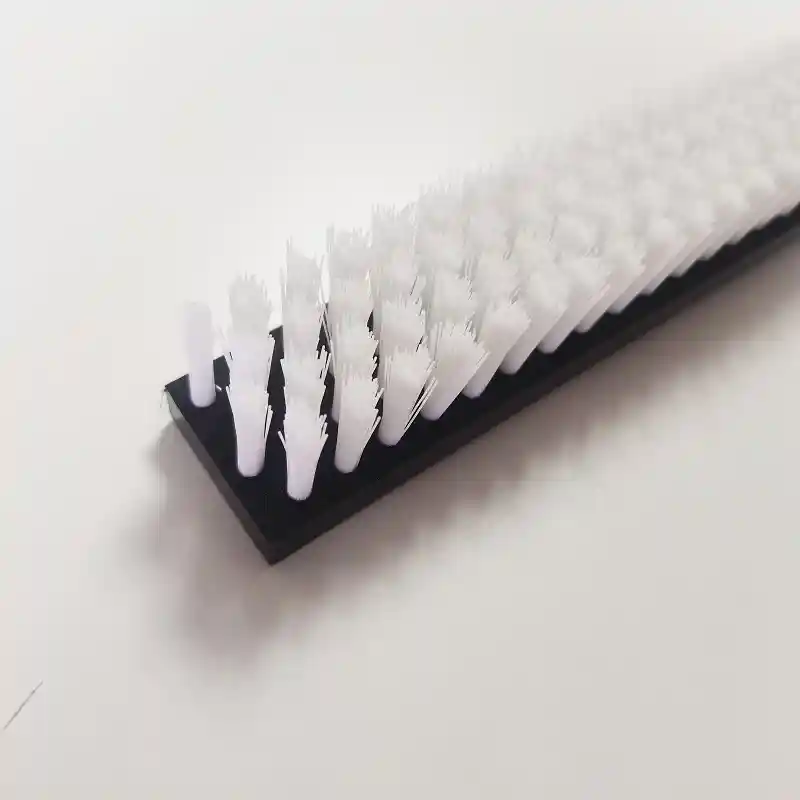
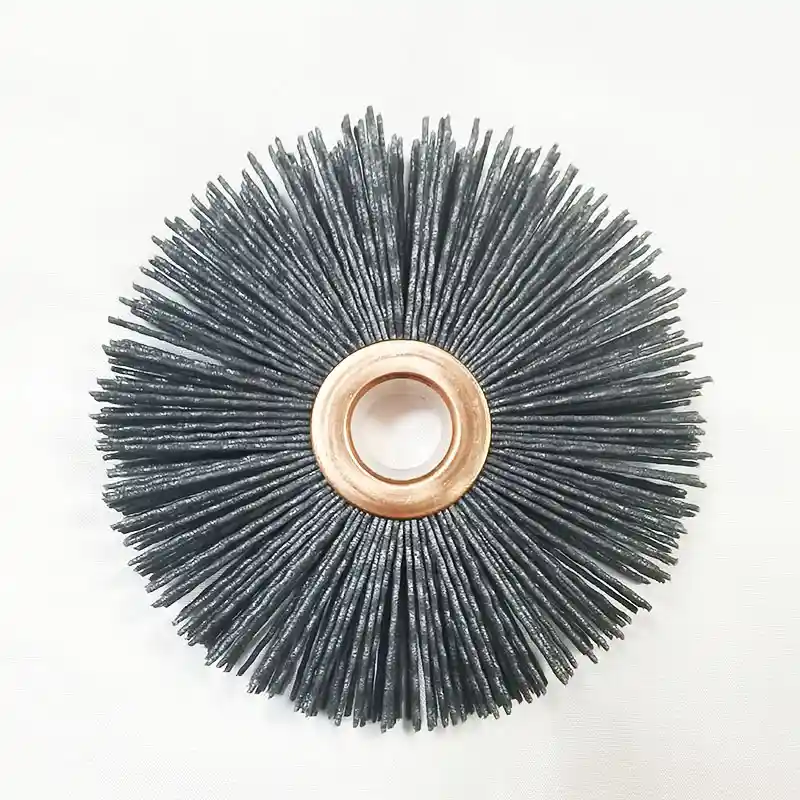
Brush configuration matters for different surface geometries. A wheel brush covers flat surfaces efficiently. Cup brushes reach into corners and recessed areas. End brushes access tight spaces that larger tools can’t fit. A strip brush works well for continuous cleaning operations and automated systems.
Filament density affects both cleaning action and brush longevity. Denser fill patterns provide more aggressive cleaning but may trap debris between wires. Open patterns allow better debris clearance but may require more passes for complete cleaning.
Huixi Brush has manufactured industrial brushes for 16 years, and that experience shows in the range of brass wire options available. Custom configurations address applications where standard brushes don’t quite fit the requirements.
Selecting Wire Brushes for Specific Stainless Steel Tasks
Start with the task itself. Light cleaning for cosmetic purposes needs different specifications than heavy oxide removal before welding. Consider the surface area and how accessible it is. Evaluate whether the job is a one-time operation or part of ongoing maintenance.
Wire diameter should match the contamination level. Brush type should match the surface geometry. Fill density should balance cleaning effectiveness against debris management. And the brush must be brass if the surface is stainless steel. Huixi Brush technical staff can help narrow down the options for applications where the right choice isn’t obvious.
Working with Huixi Brush on Stainless Steel Cleaning Solutions
Shanghai Huixi Trading Co., Ltd. builds brass wire brushes specifically for applications where contamination prevention matters. The 16 years of manufacturing experience translate into products that perform consistently across demanding industrial environments.
Custom engineering addresses applications where standard products fall short. ODM and OEM services support customers who need brushes integrated into larger systems or branded for their own distribution. Technical support helps match brush specifications to specific cleaning challenges.
Contact Huixi Brush at +86 1580 0932 713 or [email protected] to discuss your stainless steel cleaning requirements. Free samples let you evaluate performance before committing to production quantities.
Frequently Asked Questions About Brass Brushes and Stainless Steel
Why is brass wire brush recommended for stainless steel instead of steel?
Brass contains no iron, so it can’t transfer ferrous particles to stainless steel surfaces. Steel wire brushes leave microscopic iron fragments behind with every stroke. Those fragments become corrosion initiation sites that compromise the stainless steel’s passive layer. The contamination may not be visible immediately, but it shows up as rust spots and pitting over time. Brass eliminates this mechanism entirely because the material simply doesn’t contain the elements that cause the problem.
What are the common signs of cross-contamination on stainless steel surfaces?
Visible rust spots are the most obvious indicator. Discoloration that doesn’t respond to normal cleaning often signals embedded ferrous particles. Pitting appears as small surface depressions that deepen over time. A dull or uneven finish where the surface should be uniform suggests contamination affecting the passive layer. In critical applications, testing methods like ferroxyl indicator solutions can detect contamination before visible damage develops. Regular inspection catches problems early when correction is still straightforward.
How does Huixi Brush ensure the quality of its brass wire brushes for stainless steel?
Material selection starts with brass alloys that provide the right balance of hardness and flexibility for stainless steel cleaning. Manufacturing processes maintain consistent wire diameter and fill density across production runs. Quality control verifies that finished brushes meet specifications before shipping. The 16 years of production experience means the processes have been refined through actual performance feedback from industrial customers. Brushes that don’t perform consistently don’t survive in applications where contamination has real consequences.