Recombinant human IGF-2 keeps showing up in labs where serious work happens. Cell biology, regenerative medicine, tissue engineering—this growth factor has carved out a real presence across disciplines that matter. The protein does what growth factors do: it pushes cells to divide, helps them survive, guides differentiation. But getting it right, manufacturing it at the quality level that actually delivers results, that’s where things get interesting. Here’s what researchers and developers need to know about IGF-2’s biology and what separates good production from mediocre.
The Biology Behind Recombinant Human IGF-2
Recombinant human IGF-2 shares structural similarities with insulin, which hints at its metabolic connections. The protein drives cell proliferation, differentiation, and survival through receptor binding, primarily engaging the IGF-1 receptor and the IGF-2 receptor (the latter also goes by mannose-6-phosphate receptor). When IGF-2 locks onto IGF-1R, it triggers the PI3K/Akt and MAPK pathways. These cascades regulate cell growth and metabolism at fundamental levels.
The protein’s reach extends beyond development. Tissue repair and regeneration benefit from IGF-2’s ability to stimulate cell division while keeping apoptosis in check. Wound healing studies and tissue engineering projects lean on these properties. Metabolic effects show up too, with IGF-2 influencing glucose uptake and lipid metabolism across different cell types. The way IGF-2 interacts with other growth factors creates a web of physiological effects that keeps researchers busy exploring therapeutic and biotechnological possibilities.
Manufacturing Standards That Actually Matter
High-quality recombinant human IGF-2 production requires more than good intentions. The manufacturing process starts with expression system selection. Mammalian cells typically get the nod because they handle protein folding and post-translational modifications properly. Purification follows, with chromatography techniques isolating IGF-2 from host cell contaminants.
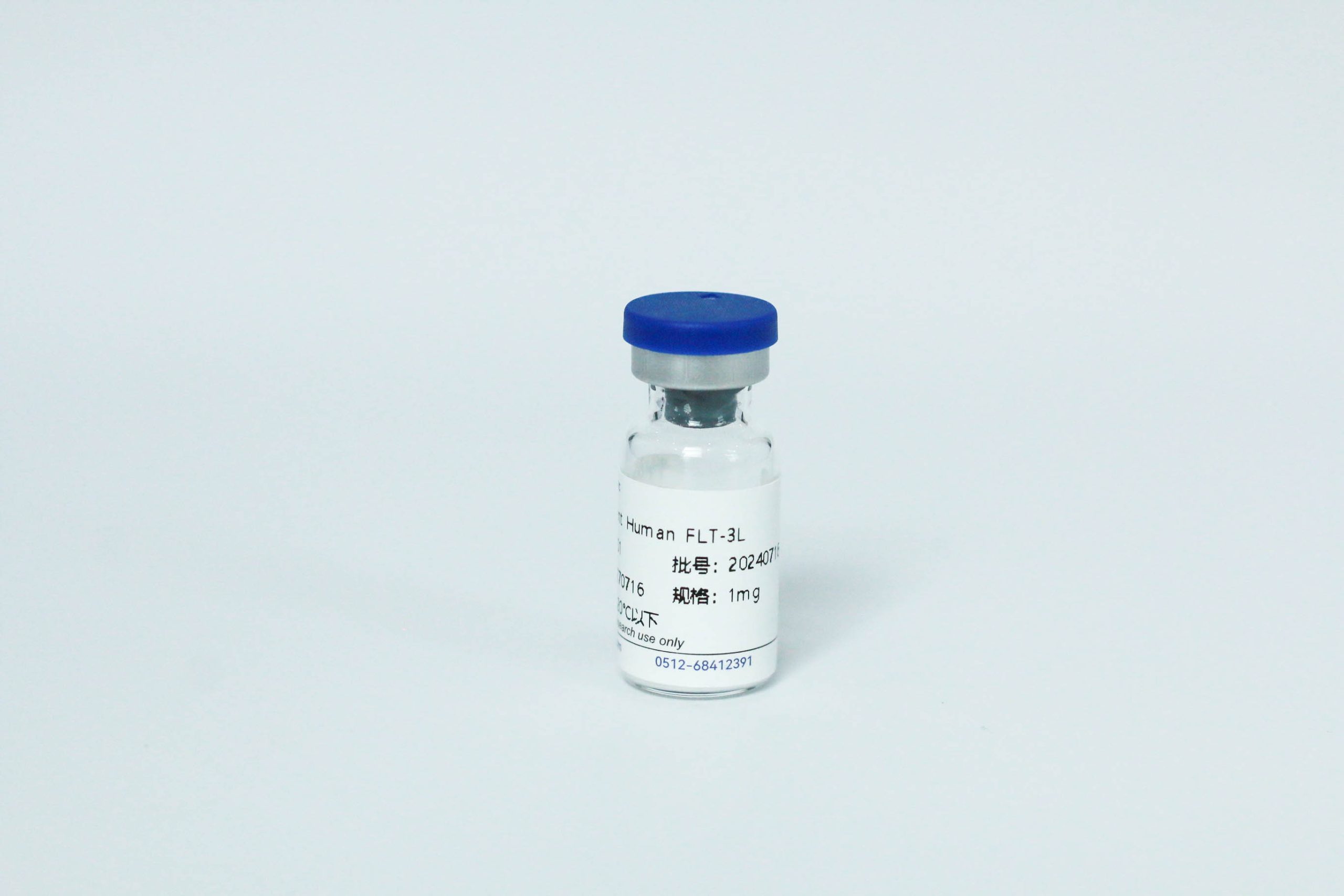
Quality control assays verify what matters: identity, purity, biological activity. SDS-PAGE, HPLC, mass spectrometry, and bioactivity testing confirm that the product does what it should. Each batch needs to meet specifications that research and clinical applications demand. Cutting corners here shows up in experimental results downstream.
Quality Attributes for Biopharmaceutical Grade Material
Biopharmaceutical applications set the bar high. Purity needs to exceed 95% to minimize cellular response problems from impurities. Endotoxin levels below 1 EU/mg prevent inflammatory reactions in cell culture and in vivo work.
Biological activity testing confirms functional capacity. The recombinant IGF-2 should stimulate cell proliferation or differentiation at expected concentrations. These attributes determine whether a product works for sensitive research and therapeutic contexts.
| Quality Attribute | Specification | Measurement Method | Importance |
|---|---|---|---|
| Purity | >95% | SDS-PAGE, HPLC | Efficacy, Safety |
| Endotoxin Level | <1 EU/mg | LAL Assay | Reduce Immunogenicity |
| Biological Activity | ED₅₀ (ng/mL) | Cell Proliferation Assay | Functional Potency |
| Molecular Weight | ~7.5 kDa | Mass Spectrometry | Identity Confirmation |
| Stability | >95% activity | Accelerated Stability | Shelf Life |
Cell Culture and Regenerative Medicine Applications
Recombinant human IGF-2 earns its place in advanced cell culture and regenerative medicine through consistent performance. The growth-promoting properties make it valuable in serum-free and chemically defined media formulations. Cell viability and expansion improve, particularly with stem cells that form the foundation of therapeutic development.
Regenerative medicine applications benefit from IGF-2’s support of stem cell differentiation into specific lineages. Organoid development relies on the protein for creating complex 3D cellular structures that approximate in vivo physiology. Disease modeling, drug screening, and personalized medicine all draw on these capabilities.
Practical Cell Growth Optimization
IGF-2 functions as a potent mitogen, pushing cell division and increasing cell numbers. In serum-free media, it replaces animal-derived serum while providing a more defined environment. Variability drops. Experimental reproducibility improves.
Cell survival benefits from IGF-2’s anti-apoptotic effects. Robust cultures result from combining proliferation stimulation with survival support. Tissue engineering applications use IGF-2 to help cells grow and integrate within scaffolds. These mechanisms translate directly into better outcomes for researchers working to optimize cell culture systems.
Therapeutic and Diagnostic Possibilities
IGF-2’s biological activities create opportunities in both therapeutic development and diagnostics. Research continues into metabolic disease applications, including diabetes and obesity, where IGF-2’s effects on cell growth and metabolism could prove useful.
Cancer research presents a more complicated picture. IGF-2 can promote tumor growth in certain contexts, but understanding its pathways opens doors for targeted therapies. On the diagnostic side, recombinant IGF-2 serves as a reference standard or assay component for detecting IGF-2 levels in patient samples. Both therapeutic and diagnostic applications depend on consistent, high-quality recombinant protein.
Finding the Right Supplier
Supplier selection affects research reproducibility and development success. Consistent product quality, technical support, and scalable production capabilities separate reliable suppliers from the rest.
East Mab Bio has built its reputation on advanced research and production platforms. The company’s recombinant human IGF-2 meets industry standards through substantial investment in manufacturing infrastructure. A global client base reflects the track record of delivering proteins that perform in critical applications.
What to Look for When Sourcing IGF-2
Quality verification starts with certificates of analysis covering purity, endotoxin levels, and biological activity data. Manufacturing processes and quality management systems matter too. ISO certifications or cGMP compliance indicate serious commitment to standards.
Technical support availability can make the difference between smooth experiments and frustrating troubleshooting sessions. East Mab Bio provides comprehensive documentation, responsive support, and products designed for straightforward integration into existing workflows.
| Criterion | East Mab Bio Offering | Benefit to Customer |
|---|---|---|
| Purity | >95% confirmed | High reproducibility, minimized interference |
| Endotoxin | <1 EU/mg | Reduced toxicity, suitable for sensitive assays |
| Bioactivity | Lot-specific ED₅₀ | Guaranteed functional performance |
| Scalability | Large-scale production | Consistent supply for all project phases |
| Support | Dedicated technical team | Expert assistance, optimized results |
Partner with Jiangsu East Mab Bio for Your Recombinant Protein Needs
As a leading biotechnology company with over $30 million invested in world-class research and production platforms, Jiangsu East-Mab Biomedical Technology Co., Ltd. is your trusted partner for high-quality recombinant human IGF-2 and a comprehensive range of cell culture proteins, IVD diagnostic proteins, and enzymes. Our commitment to excellence, supported by hundreds of top clients globally, ensures you receive reliable, high-performance raw materials critical for your advancements in IVD, cell culture media, cell therapy, organoids, cosmetics, and cultivated meat. Contact us today to discuss your specific requirements and discover how East Mab Bio can empower your next breakthrough.
Phone: +86-400-998-0106
Email: [email protected]
Frequently Asked Questions About Recombinant Human IGF-2
What is the primary role of recombinant human IGF-2 in cell culture applications?
Recombinant human IGF-2 primarily promotes cell proliferation and cell differentiation in cell culture. It is a crucial supplement in serum free media, supporting the growth and viability of various cell types, including stem cells, by activating key signaling pathways. This ensures robust and consistent cell expansion for research and biomanufacturing.
How does East Mab Bio ensure the quality and purity of its recombinant human IGF-2?
East Mab Bio ensures quality through stringent quality control measures throughout its recombinant protein manufacturing process. We utilize advanced purification techniques and conduct comprehensive assays to verify purity standards, biological activity, and endotoxin levels. This rigorous approach guarantees that our products meet the highest specifications for demanding applications.
Can recombinant human IGF-2 be used in both research and therapeutic development?
Yes, recombinant human IGF-2 is suitable for both research and therapeutic applications. Its well-characterized biological functions make it invaluable as a research grade IGF-2 tool for studying cell biology and disease mechanisms. Its high quality and purity make it a strong candidate for inclusion in biopharmaceutical applications and drug development.
What are the advantages of using recombinant human IGF-2 over native IGF-2?
Using recombinant protein IGF-2 offers several advantages over native IGF-2. Recombinant versions provide superior consistency and purity, free from potential contaminants found in natural sources. They also allow for large-scale scalability of production, ensuring a reliable supply. Recombinant IGF-2 offers enhanced safety due to controlled manufacturing environments and rigorous quality testing.