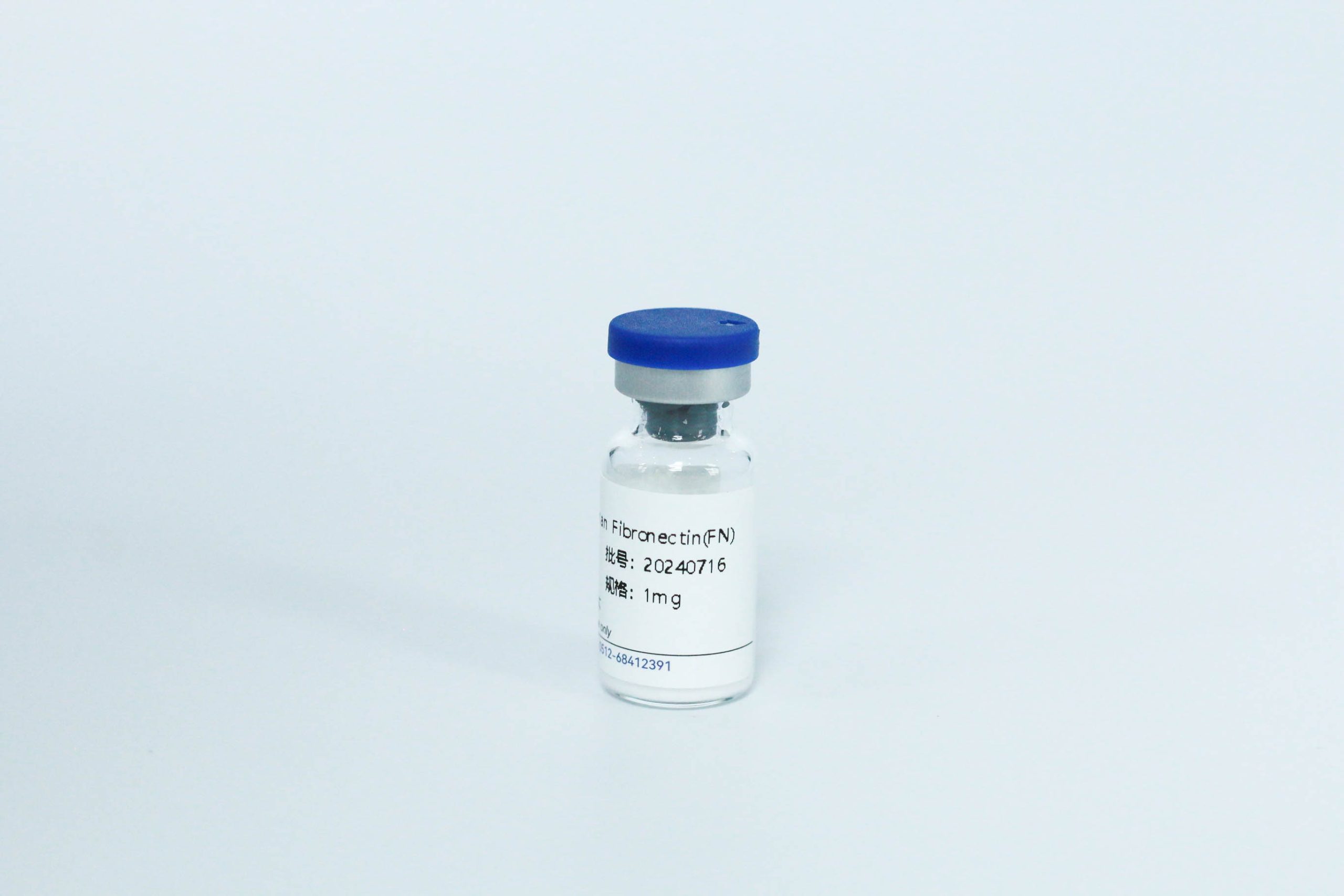
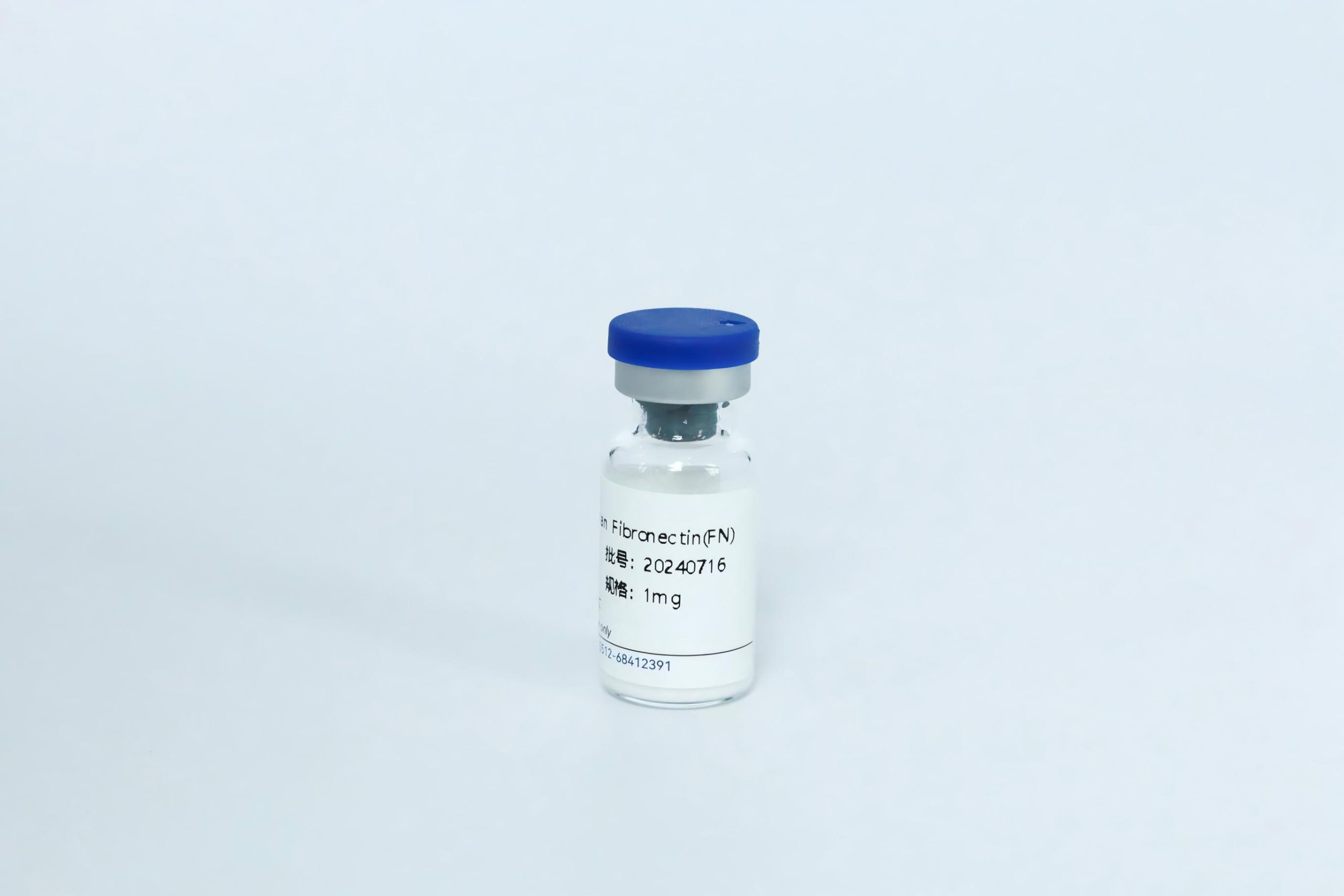
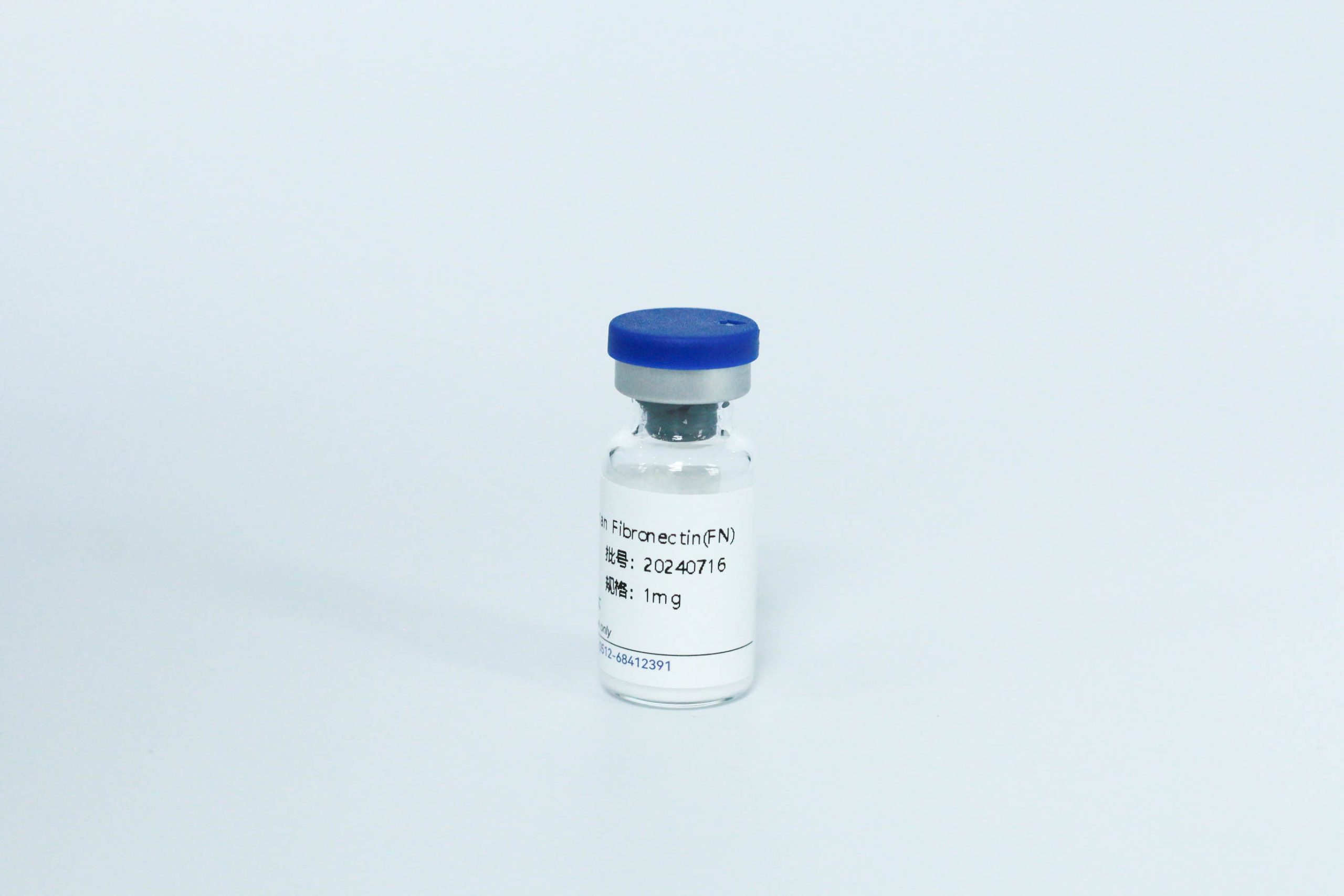
Recombinant human fibronectin sits at the intersection of precision and biology. Working with this protein over the years, I’ve come to appreciate how its engineered consistency removes much of the guesswork that plagued earlier cell culture work. The protein does what fibronectin should do—support adhesion, guide migration, enable differentiation—but without the variability that made plasma-derived versions frustrating to standardize. For anyone running sensitive assays or building toward therapeutic applications, that reliability matters more than most realize until they’ve dealt with the alternative.
How Recombinant Human Fibronectin Functions in Biological Systems
Fibronectin belongs to the family of high molecular weight glycoproteins that populate the extracellular matrix and circulate in blood plasma. The protein mediates cell adhesion, growth, migration, and differentiation through binding interactions with integrins expressed on cell surfaces. Recombinant human fibronectin represents a bioengineered version of this protein, manufactured under controlled conditions that yield superior consistency and purity compared to plasma-derived material.
The protein’s architecture includes multiple functional domains that enable interactions with diverse biological molecules. Collagen, fibrin, and heparin all bind to specific regions of the fibronectin structure. These binding events drive tissue organization, wound healing responses, and cellular signaling cascades. Controlled production of recombinant human fibronectin through defined expression systems ensures a reliable supply for applications where batch variation could compromise results.
Primary Applications of Recombinant Human Fibronectin
Recombinant human fibronectin functions as a versatile cell culture substrate that promotes robust cell attachment and sustained proliferation. Researchers working with serum-free media formulations rely on the protein to maintain cell viability and support growth under defined conditions. The protein also serves as a diagnostic component in IVD assays, where its consistent binding properties enable reproducible detection.
Regenerative medicine research has embraced recombinant human fibronectin for tissue engineering applications. The protein supports scaffold integration and provides the biological cues that guide cellular behavior during tissue formation. Studies examining cell-matrix interactions and disease modeling benefit from the protein’s well-characterized binding domains and predictable performance.
Why Recombinant Human Fibronectin Outperforms Plasma-Derived Material
The advantages of recombinant human fibronectin over plasma-derived fibronectin stem from fundamental differences in sourcing and manufacturing. Plasma-derived fibronectin carries inherent risks of viral contamination and exhibits batch-to-batch variability because it originates from pooled human blood. Recombinant human fibronectin sidesteps these concerns entirely through production in controlled expression systems.
The elimination of adventitious agent risks represents a significant safety improvement. Experimental variability decreases when every batch of recombinant human fibronectin meets identical specifications. The protein also supports development of animal-free culture systems and defined media formulations, addressing both ethical considerations and regulatory requirements for therapeutic applications.
| Feature | Recombinant Human Fibronectin (rhFN) | Plasma-Derived Fibronectin |
|---|---|---|
| Origin | Engineered expression systems | Human blood plasma |
| Purity | High, precisely defined | Variable |
| Consistency | High batch-to-batch | Variable batch-to-batch |
| Safety | Animal-free, no viral risk | Potential viral risk |
| Cost | Higher initial, lower long-term | Lower initial, higher risk |
Manufacturing Recombinant Human Fibronectin to Meet Research Standards
Producing recombinant human fibronectin at the quality levels required for research and therapeutic development demands control at every manufacturing stage. The protein’s purity and bioactivity determine its utility across applications. Our investment of over $30 million in a world-class platform for recombinant protein research, validation, and production reflects the infrastructure required to meet these standards consistently.
Production Methods for Recombinant Human Fibronectin
Manufacturing recombinant human fibronectin begins with expressing the human fibronectin gene in appropriate host systems. E. coli and mammalian cell expression systems each offer distinct advantages depending on the required post-translational modifications and yield targets. Following expression, extensive protein purification removes host cell proteins and other contaminants to achieve the purity specifications that sensitive applications demand.
Quality control testing validates each production batch. Endotoxin level assessment ensures the protein meets safety thresholds for cell culture applications. Sterility testing confirms the absence of microbial contamination. These measures collectively guarantee that recombinant human fibronectin performs reliably across experimental contexts.
How Purity and Bioactivity Determine Experimental Success
The relationship between recombinant human fibronectin quality and experimental outcomes is direct. High purity means that observed cellular responses reflect fibronectin activity rather than artifacts from contaminating proteins or other impurities. When cells attach, spread, and proliferate on a fibronectin-coated surface, researchers need confidence that the protein itself drives those behaviors.
Bioactivity testing confirms that purified recombinant human fibronectin retains its functional properties. The protein must effectively promote cell viability, support cell proliferation, and enable differentiation assays. Consistent quality across batches allows researchers to compare data from experiments conducted months or years apart, building the reproducibility that meaningful scientific conclusions require.
Recombinant Human Fibronectin in Cell Culture and Regenerative Medicine Applications
The biological properties of recombinant human fibronectin make it valuable across cell culture and regenerative medicine applications. The protein creates microenvironments that support the cellular functions underlying tissue development and repair. Its compatibility with various biomaterials expands the range of therapeutic strategies it can support.
Supporting Cell Adhesion and Growth Through Recombinant Human Fibronectin
Recombinant human fibronectin optimizes cell adhesion and growth across diverse culture systems. Serum-free cell culture and primary cell culture applications benefit particularly from the defined, consistent surface the protein provides. Cells attach predictably and maintain healthy morphology without the undefined components that serum introduces.
Stem cell culture represents another area where recombinant human fibronectin proves valuable. The protein supports stem cell maintenance while enabling directed differentiation protocols that guide cell fate decisions. The interaction between fibronectin and growth factors influences signaling pathways that determine whether stem cells self-renew or commit to specific lineages.
Tissue Engineering and Diagnostic Applications
Recombinant human fibronectin contributes to tissue engineering by coating biomaterials and scaffolds with a biologically active surface. Cells integrate more readily with fibronectin-coated materials, and the resulting tissues show improved organization and function. The protein enhances biocompatibility while providing the naturalistic environment that engineered tissues need to mature properly.
Diagnostic applications leverage the binding specificity of recombinant human fibronectin. IVD reagent development incorporates the protein to achieve sensitive and specific analyte detection. Biosensor platforms use fibronectin’s well-characterized interactions to capture target molecules. Disease modeling studies employ the protein to recreate relevant cellular microenvironments that mimic pathological conditions.
Choosing a Supplier for Recombinant Human Fibronectin
The supplier you select for recombinant human fibronectin affects research integrity and therapeutic development outcomes. Consistent product quality, responsive technical support, and reliable supply chain management all contribute to project success. These factors deserve careful evaluation before committing to a supplier relationship.
East-Mab Bio has invested over $30 million to develop a world-class platform for recombinant protein research, validation, and production. Our quality assurance commitment shows in rigorous manufacturing processes and comprehensive quality control standards. The high-purity recombinant human fibronectin we provide meets the demands of applications where performance cannot be compromised.
For those interested in exploring further, we recommend reading 《Recombinant Human 4-1BBL: Unlocking Immune Co-stimulation for Advanced Therapies》.
Emerging Research Directions for Recombinant Human Fibronectin
Research involving recombinant human fibronectin continues advancing, with innovations that promise to expand its biomedical applications. Next-generation biomaterials will likely incorporate the protein in configurations that enhance functional properties beyond current capabilities. These materials will create more sophisticated platforms for cell growth and tissue repair.
Personalized medicine represents another frontier where recombinant human fibronectin may contribute. Tailoring therapeutic approaches to individual patient characteristics could involve fibronectin-based matrices customized for specific tissue types or disease states. Drug delivery systems might incorporate the protein to achieve more targeted therapeutic effects. Bioprinting technologies and advanced therapeutics will leverage recombinant human fibronectin to construct complex biological structures and improve regenerative outcomes.
Partner with East-Mab Bio for Premium Recombinant Protein Solutions
Jiangsu East-Mab Biomedical Technology Co., Ltd. is dedicated to providing world-class recombinant protein raw materials, including high-purity Recombinant Human Fibronectin, to support advancements in IVD, cell culture media, cell therapy, and more. With over $30 million invested in our state-of-the-art platform, we ensure unparalleled quality and reliability. Contact our experts today at +86-400-998-0106 or [email protected] to discuss your specific project needs and discover how our expertise can accelerate your research and development.
Frequently Asked Questions About Recombinant Human Fibronectin
What storage conditions maintain recombinant human fibronectin stability?
Store recombinant human fibronectin at -20°C for long-term stability. Aliquot the protein into smaller portions before freezing to avoid repeated freeze-thaw cycles, which degrade bioactivity over time. Proper handling preserves the protein’s functional properties and ensures consistent performance across experiments.
Does recombinant human fibronectin work in serum-free culture systems?
Recombinant human fibronectin performs well in serum-free cell culture systems. The protein provides the cell adhesion properties that promote attachment and growth in defined media formulations. Eliminating animal-derived serum reduces variability and improves experimental reproducibility while meeting regulatory preferences for therapeutic development.
How does East-Mab Bio verify recombinant human fibronectin quality?
East-Mab Bio maintains quality through rigorous testing at multiple production stages. We follow GMP manufacturing guidelines and conduct comprehensive assessments of protein purity, bioactivity, and endotoxin levels. ISO certification validates our commitment to consistent quality standards and batch-to-batch reliability.