Working with eel-derived growth factors changed how I think about protein stability in demanding applications. The first time I ran a side-by-side comparison with mammalian bFGF variants, the difference in consistent bioactivity was hard to ignore. Recombinant eel bFGF has carved out a distinct position in cell culture, tissue engineering, and regenerative medicine precisely because it solves problems that other sources struggle with—maintaining potency under conditions that would degrade less robust proteins. What follows is a closer look at why this particular growth factor has become a preferred choice for researchers and manufacturers pushing the boundaries of biopharmaceutical development.
How Recombinant Eel bFGF Differs From Mammalian Sources
Fibroblast growth factor 2, commonly called basic fibroblast growth factor or bFGF, drives cell growth, proliferation, differentiation, and tissue repair across numerous biological systems. The recombinant eel bFGF variant brings structural characteristics that set it apart from human or bovine versions. Aquatic-origin growth factors have evolved under different environmental pressures, and this shows up in their molecular behavior.
The protein folds into a beta-trefoil structure that enables receptor binding and downstream signaling. What makes the eel version interesting is how this fold remains stable under conditions that would compromise mammalian equivalents. Recombinant production typically uses E. coli expression systems, which allow precise control over protein characteristics while enabling scalable manufacturing. The resulting growth factor bioactivity undergoes rigorous testing to confirm it meets performance thresholds.
Recombinant eel bFGF functions as a potent mitogen for diverse cell types, stimulating growth and division. Its applications range from fundamental cell biology research to therapeutic development pipelines. The inherent stability proves particularly valuable in cell culture media formulations, where maintaining protein integrity over extended periods directly affects experimental outcomes.
| bFGF Source | Key Characteristics | Stability | Bioactivity | Common Applications |
|---|---|---|---|---|
| Human | Mammalian origin | Moderate | High | Research, therapeutics |
| Bovine | Mammalian origin | Moderate | High | Research, cell culture |
| Eel | Aquatic origin | High | Superior | Advanced cell culture, regenerative medicine |
The molecular differences in eel bFGF contribute to exceptional stability across varied environmental conditions. This reliability matters when working with complex biological systems where inconsistent growth factor activity can derail entire experiments.
Why Cell Culture Performance Improves With Eel bFGF
Recombinant eel bFGF enhances cell culture outcomes by promoting robust proliferation and viability across challenging applications. As a cell culture supplement, it supports growth of various cell lines, including sensitive primary cells and stem cells that respond poorly to less stable growth factors. Incorporating it into serum-free media components and chemically defined media formulations reduces batch-to-batch variability while improving experimental consistency.
The numbers tell the story. In NIH3T3 cell proliferation assays, recombinant eel bFGF demonstrates an ED₅₀ ≤2.0 ng/mL. This potency level matches or exceeds other bFGF variants in head-to-head comparisons. The ability to maintain cell viability while supporting differentiation pathways makes it particularly valuable in stem cell culture and organoid culture media, where precise control over growth factor concentrations determines success or failure.
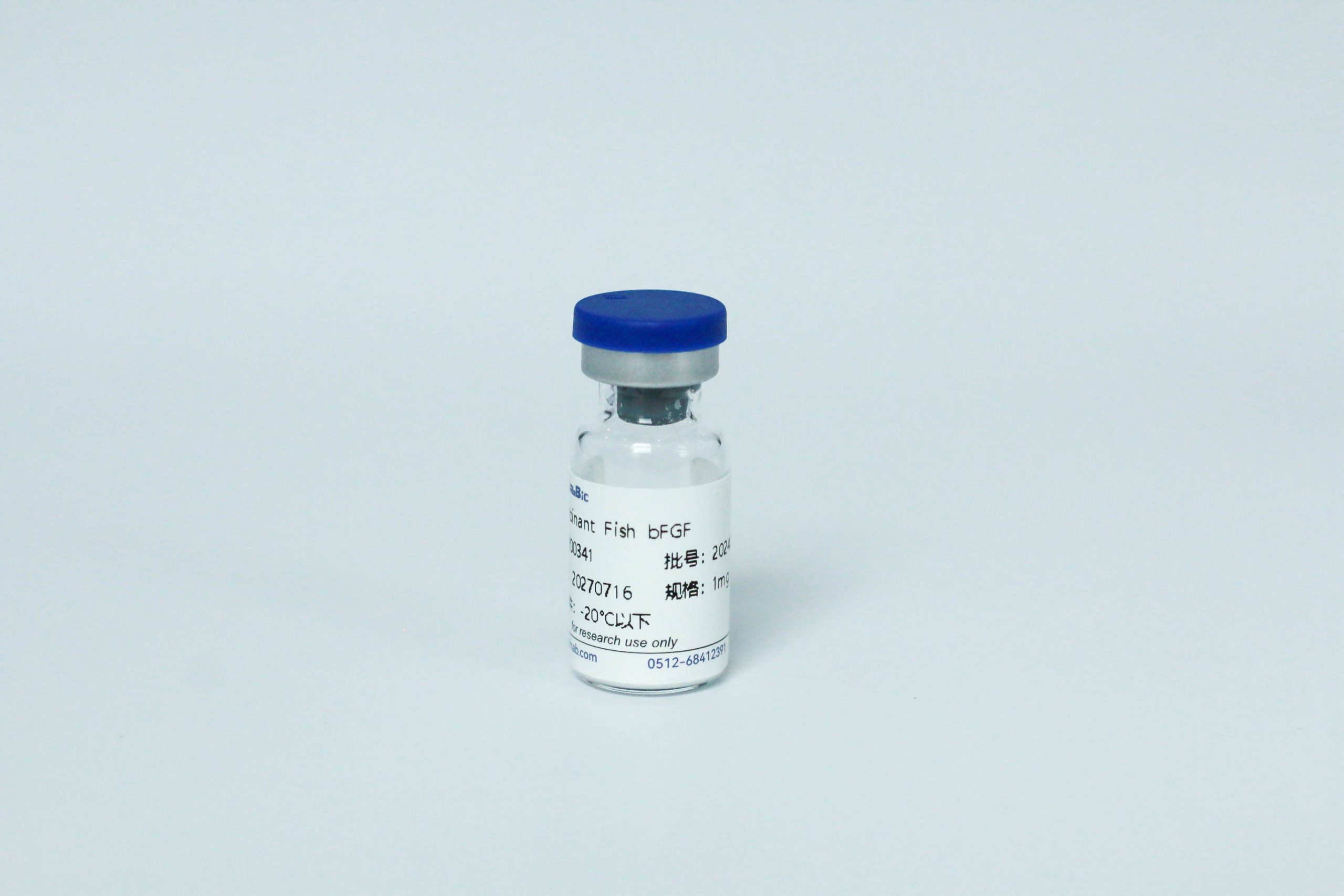
Production through E. coli expression systems yields high-purity protein. East-Mab’s Recombinant Eel bFGF is E. coli expressed at 17 kDa, achieving ≥95% purity with ≤200 EU/mg endotoxin. This stringent quality control minimizes interference with cell behavior. Integrating bFGF into media formulations typically involves titration to determine optimal concentrations for specific cell types, maximizing both cell yield and functional integrity.
Researchers developing reproducible cell culture protocols find that recombinant eel bFGF delivers consistent performance across batches. This reliability reduces troubleshooting time and improves confidence in experimental results.
Regenerative Medicine Applications That Benefit From Enhanced Stability
The unique properties of recombinant eel bFGF extend into regenerative medicine and tissue engineering, where protein stability directly affects therapeutic outcomes. Its potent angiogenic and mitogenic effects make it valuable for stimulating tissue repair and regeneration in clinical contexts.
In wound healing applications, bFGF promotes proliferation of fibroblasts and endothelial cells. This accelerates granulation tissue formation and re-epithelialization, contributing to faster wound closure. The mechanism involves stimulating cells at the wound margin to divide and migrate, rebuilding damaged tissue architecture.
Angiogenesis research benefits from eel bFGF’s ability to drive new blood vessel formation. This vascularization is critical for survival and integration of tissue engineering scaffolds and transplanted cells. Incorporating the growth factor into biomaterial scaffolds enhances blood vessel ingrowth, improving nutrient and oxygen delivery to engineered tissues. Complex tissue constructs depend on this vascular support to remain viable.
Beyond traditional medical applications, recombinant eel bFGF is gaining traction in emerging fields. Cultivated meat production uses it to promote muscle cell proliferation and differentiation, supporting scalable cell-based meat manufacturing. Cosmetic formulations explore its regenerative properties for enhancing skin repair and reducing visible aging signs. The ability to stimulate cell growth and extracellular matrix production offers significant potential in these applications.
Research findings demonstrate eel bFGF effectiveness in nerve regeneration, supporting neuronal survival and axonal outgrowth. This opens treatment possibilities for neurological injuries and diseases. The comparative stability of eel bFGF variants ensures consistent biological activity throughout extended treatment protocols.
Manufacturing Standards That Guarantee Consistent Performance
Manufacturing high-quality recombinant proteins like eel bFGF requires rigorous processes and stringent quality control at every stage. The efficacy and safety of biopharmaceutical-grade recombinant proteins depend on achieving and maintaining purity and bioactivity specifications. East-Mab employs a world-class platform for recombinant protein research, validation, and production that meets the highest industry standards.
The production workflow for growth factor purification involves several critical steps. Optimized protein expression systems feed into advanced chromatography techniques and meticulous filtration protocols. This multi-stage approach guarantees exceptional recombinant protein purity while minimizing contaminants such as host cell proteins and endotoxins. The Recombinant Eel bFGF product achieves ≥95% purity with ≤200 EU/mg endotoxin through this process.
Quality control for recombinant proteins involves comprehensive characterization using SDS-PAGE, HPLC, and mass spectrometry to confirm molecular weight and structural integrity. Bioactivity assays, including NIH3T3 cell proliferation assays, verify functional potency for each batch. This testing ensures consistent and reliable performance regardless of when the product was manufactured.
GMP manufacturing principles govern production facilities and processes, ensuring compliance with international regulatory requirements. Protein stability optimization extends to formulation development, maximizing shelf life while maintaining activity under various storage conditions. The inherent stability of eel-derived bFGF, combined with rigorous manufacturing standards, produces a superior product for critical applications. Bioreactor production capabilities enable scalable and cost-effective manufacturing that meets global demand for high-quality raw materials.
Selecting a Supplier That Supports Your Research Goals
Choosing the right supplier for recombinant protein raw materials determines the success of biopharmaceutical projects. Researchers and developers need partners who guarantee consistency, scalability, and technical support throughout the development process. Jiangsu East-Mab Biomedical Technology Co., Ltd. provides high-quality recombinant proteins globally, understanding the critical need for reliable sourcing in advanced biotechnology applications.
Several factors matter when evaluating recombinant protein suppliers. Product consistency ensures every batch performs identically, which is vital for reproducible research and clinical applications. Scalability enables transitions from laboratory-scale experiments to large-scale manufacturing without reformulating protocols. Comprehensive technical support and regulatory compliance ensure seamless integration into existing workflows while meeting industry standards.
East-Mab specializes in premium raw materials for IVD, cell culture media, cell therapy, organoids, cosmetics, and cultivated meat applications. The portfolio includes various recombinant growth factors and cytokines manufactured under stringent quality control, including Recombinant Human FGF-2/bFGF and Recombinant Bovine bFGF alongside the specialized Recombinant Eel bFGF.
If you’re interested in learning more about how specific proteins contribute to immune responses, check out 《Recombinant Human 4-1BBL: Unlocking Immune Co-stimulation for Advanced Therapies》.
Global reach and client support include expert consultation to help identify the ideal recombinant protein for specific applications. Partnering with East-Mab provides access to a reliable supply chain and a team dedicated to accelerating scientific advancements.
Where Recombinant Growth Factor Technology Is Heading
Recombinant growth factor technology continues evolving through innovations in protein engineering and biomanufacturing. Research is exploring novel modifications to enhance stability and enable targeted delivery of growth factors, unlocking new applications for bFGF and related proteins. Engineering efforts are producing bFGF variants with extended half-lives in vivo, which should improve therapeutic efficacy in clinical settings.
Emerging trends include development of complex growth factor cocktails tailored for specific cell types or tissue regeneration scenarios. Advanced biopharmaceutical research focuses on integrating growth factors into smart biomaterials that release proteins in controlled, responsive patterns. This precision approach promises to optimize therapeutic outcomes by matching growth factor delivery to tissue needs.
East-Mab continues investing in research and development to expand the portfolio of high-quality recombinant proteins. Significant growth is anticipated in cultivated meat production, where optimized growth factors will be essential for achieving commercial scalability. The role of recombinant proteins in personalized medicine and advanced diagnostics will also continue expanding as these fields mature.
Partner with East-Mab for Your Biopharmaceutical Needs
Jiangsu East-Mab Biomedical Technology Co., Ltd. provides high-quality recombinant protein raw materials through a world-class research, validation, and production platform. The company supports advancements in IVD, cell culture media, cell therapy, organoids, cosmetics, and cultivated meat globally. Contact the team to discuss specific project needs and discover how expertise in recombinant eel bFGF can accelerate research and development. Reach out at +86-400-998-0106 or [email protected] for expert consultation and reliable supply.
Frequently Asked Questions About Recombinant Eel bFGF
What makes eel-derived bFGF more stable than mammalian versions?
The molecular structure of eel bFGF evolved under different environmental pressures than mammalian variants, resulting in a protein that maintains its beta-trefoil fold under conditions that would denature other sources. This structural resilience translates to longer activity retention in cell culture media and more consistent performance across extended experimental timelines. The practical benefit shows up in reduced media changes and more reliable proliferation results.
How does bFGF purity affect downstream applications?
High-purity recombinant bFGF minimizes contaminants that could interfere with cell function or trigger unwanted immune responses in therapeutic applications. Contaminants like host cell proteins or endotoxins can skew experimental results or cause safety issues in clinical contexts. East-Mab’s production standards achieve ≥95% purity with ≤200 EU/mg endotoxin, ensuring consistent biological activity across batches and applications.
Which applications benefit most from recombinant eel bFGF?
Applications requiring sustained growth factor activity over extended periods see the greatest benefit. Stem cell culture, organoid development, and tissue engineering scaffolds all demand consistent bioactivity that less stable bFGF sources struggle to provide. Emerging applications in cultivated meat production and cosmetic formulations are also leveraging eel bFGF’s stability advantages to achieve reproducible results at scale.