Recombinant human Fibroblast Growth Factor 9 caught my attention years ago when I first saw how dramatically it could shift cell behavior in culture. This protein sits at the intersection of basic cell biology and real therapeutic possibility. It drives proliferation, nudges differentiation, and accelerates tissue repair in ways that make it genuinely useful across research and clinical development. The challenge has always been producing it at the purity and consistency that serious work demands.
What Makes Recombinant Human FGF-9 Biologically Active
Recombinant human Fibroblast Growth Factor 9 belongs to the broader FGFsFGFs family, a group of signaling proteins that regulate cellular growth and development across nearly every tissue type. This particular growth factor weighs in at 23.2 kDa when expressed in CHO cells, and quality material typically hits purity levels of 95% or higher with endotoxin content below 10 EU/mg. The functional benchmark most researchers rely on is an ED₅₀ between 1-3 ng/mL in NIH3T3 cell proliferation assays.
The protein works by binding FGF receptors on target cell surfaces. That binding event triggers intracellular signaling through the MAPK/ERK and PI3K/Akt pathways, which then regulate downstream processes. These pathways control whether cells divide, specialize, or survive under stress.
Recombinant human FGF-9 does several things well. It pushes cell proliferation, meaning more cells in less time when culture conditions are right. It influences differentiation, guiding progenitor cells toward specific fates. In tissue regeneration contexts, it stimulates repair mechanisms that would otherwise proceed slowly or incompletely. The protein also promotes angiogenesis, which matters for any tissue repair scenario where oxygen and nutrient delivery limit healing. Wound healing applications benefit from this combination of effects, since closing a wound requires coordinated proliferation, migration, and matrix remodeling.
| Function | Description | Relevance |
|---|---|---|
| Cell Proliferation | Stimulates cell growth and division. | Essential for tissue development and repair. |
| Cell Differentiation | Guides cells to mature into specialized types. | Critical for organogenesis and maintaining tissue homeostasis. |
| Tissue Regeneration | Promotes repair and renewal of damaged tissues. | Key in regenerative medicine applications. |
| Angiogenesis | Induces formation of new blood vessels. | Supports tissue oxygenation and nutrient supply during healing. |
| Wound Healing Mechanisms | Accelerates cellular processes involved in wound closure and tissue remodeling. | Important for recovery from injury. |
Understanding how recombinant human FGF-9 signals through these pathways gives researchers a foundation for designing experiments and interpreting results. The protein’s effects depend on receptor availability, co-factor presence, and cellular context, so knowing the mechanism helps troubleshoot when things don’t work as expected.
Producing Recombinant Human FGF-9 at Research and Therapeutic Grade
Getting recombinant human FGF-9 to the purity and activity levels that serious applications require takes more than just expressing the gene. The production process involves choices at every step that affect final product quality.
Expression system selection matters enormously. E. coli systems offer speed and cost advantages, but the protein often comes out misfolded and requires refolding steps that don’t always work completely. Mammalian cell systems like CHO cells handle complex proteins better because they fold the protein correctly during synthesis and add post-translational modifications where needed. For recombinant human FGF-9 at 23.2 kDa with target specifications of 95% purity, endotoxin below 10 EU/mg, and ED₅₀ in the 1-3 ng/mL range, CHO expression typically delivers more consistent results.
Purification follows expression. A typical workflow runs through affinity chromatography first to capture the target protein, then ion-exchange chromatography to remove charge-based contaminants, and finally size exclusion chromatography to polish out aggregates and remaining impurities. Each step removes different classes of contaminants while preserving the active protein.
Quality control happens throughout and at the end. Bioactivity assays confirm the protein actually works in cells. Endotoxin testing ensures the material won’t trigger inflammatory responses in sensitive applications. Stability testing determines how long the product maintains activity under various storage conditions. GMP manufacturing standards apply when the material is destined for clinical use.
| Feature | E. coli Expression System | Mammalian Cell Expression (e.g., CHO) |
|---|---|---|
| Protein Folding | Often requires refolding | Native folding, post-translational modifications |
| Complexity | Simpler, faster | More complex, slower |
| Cost | Lower | Higher |
| Glycosylation | Absent | Present (if applicable) |
| Endotoxin Levels | Requires rigorous removal | Generally lower |
| Application Suitability | Simpler proteins, high yield | Complex, therapeutic proteins, high bioactivity |
East-Mab has built a production platform specifically for recombinant proteins like FGF-9, with the analytical infrastructure to verify that each lot meets specifications before release.
Where Recombinant Human FGF-9 Gets Used
The biological activities of recombinant human FGF-9 translate into practical applications across multiple fields. Its effects on cell growth, differentiation, and tissue repair make it relevant wherever those processes matter.
Regenerative medicine represents one major application area. Researchers use recombinant human FGF-9 in tissue engineering scaffolds to encourage cell integration and new tissue formation. Wound healing studies benefit from its ability to accelerate repair processes. Bone regeneration and cartilage repair applications exploit its effects on the relevant cell types. Studies have shown that recombinant human FGF-9 enhances chondrocyte proliferation and matrix synthesis, which are the cellular activities needed for cartilage repair.
Cell culture applications are equally important. Recombinant human FGF-9 serves as a media supplement that maintains cell viability and promotes expansion. Stem cell research relies heavily on growth factors like this one to control proliferation and guide differentiation of mesenchymal stem cells and other progenitor populations.
Newer applications continue emerging. Cosmetics development is investigating the regenerative properties for skin applications. Cultivated meat research uses recombinant human FGF-9 to support muscle cell proliferation, which is a key step in producing cell-based protein. Drug discovery platforms and preclinical studies use the protein to model disease processes and test therapeutic candidates.
What are the key applications of recombinant human FGF-9 in research and industry?
Recombinant human FGF-9 serves multiple roles across research and industrial settings. In basic research, it functions as a cell growth factor for proliferation and differentiation studies, particularly in stem cell work and tissue engineering. Therapeutic development explores its potential in wound healing, bone regeneration, and cartilage repair. Industrial applications include cell culture media supplementation, cosmetics development, and cultivated meat production. The protein also supports drug discovery by enabling disease modeling and candidate testing in preclinical studies.
Quality Parameters That Determine Whether Recombinant Human FGF-9 Works
For research that needs to be reproducible and for therapeutic development that needs to be safe, the quality of recombinant human FGF-9 raw materials determines outcomes. Substandard material introduces variables that confound experiments and waste time.
Purity analysis uses multiple techniques. SDS-PAGE provides a quick visual assessment. HPLC offers quantitative purity data. Mass spectrometry confirms molecular identity and detects modifications or degradation products. The target is 95% purity or higher.
Bioactivity testing confirms the protein actually does what it’s supposed to do. Cell-based assays like the NIH3T3 proliferation assay provide functional readouts. An ED₅₀ of 1-3 ng/mL indicates the protein is active at concentrations that make experimental work practical.
Endotoxin control matters for any application involving cells or animals. Bacterial endotoxins trigger inflammatory responses that can confound results or cause harm. Recombinant human FGF-9 at 10 EU/mg or below meets the standards for most sensitive applications.
Stability testing determines storage conditions and shelf life. Knowing how long the protein maintains activity under different conditions prevents wasted experiments from degraded material.
East-Mab applies these quality control measures to every lot of recombinant human FGF-9, ensuring researchers get material that performs consistently.
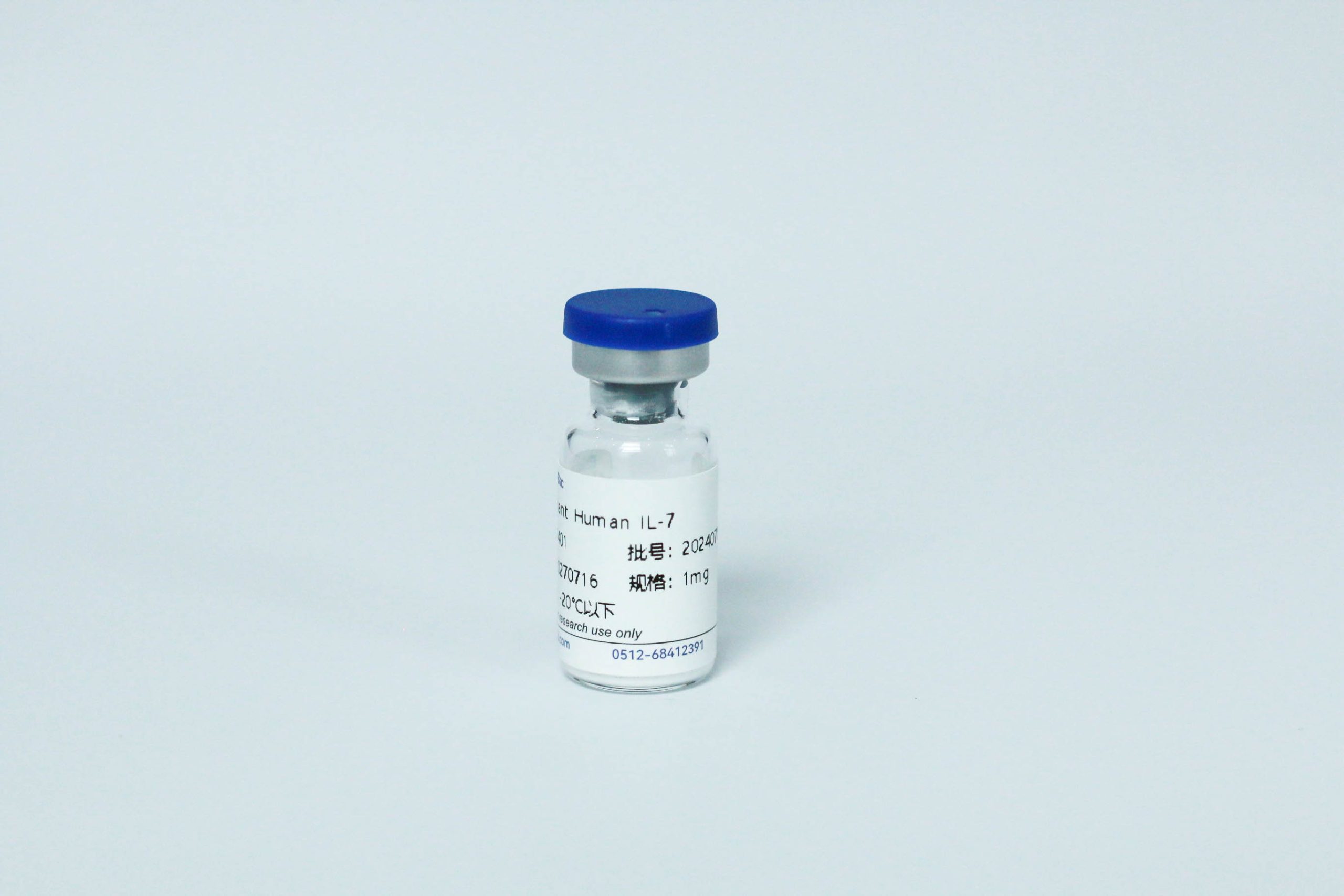
| Parameter | Specification | Analytical Method |
|---|---|---|
| Purity | ≥95% | SDS-PAGE, HPLC, Mass Spectrometry |
| Bioactivity | ED₅₀ 1-3 ng/mL (NIH3T3 cell proliferation) | Cell-based assay |
| Endotoxin Levels | ≤10 EU/mg | LAL assay |
| Molecular Weight | 23.2 kDa | SDS-PAGE, Mass Spectrometry |
| Formulation | Lyophilized | Visual inspection |
| Expression System | CHO expressed | Production documentation |
How does the quality of recombinant FGF-9 impact experimental outcomes?
Quality directly affects whether experiments work and whether results can be trusted. Low purity material contains contaminants that introduce confounding variables. Incorrect bioactivity leads to dosing errors that throw off proliferation or differentiation studies. High endotoxin levels trigger cellular stress responses that mask or distort the effects being studied. High-quality recombinant human FGF-9 removes these variables, allowing researchers to attribute observed effects to the protein itself rather than impurities or batch variation.
Where can I source high-purity recombinant human FGF-9 for my research or development?
Finding reliable recombinant human FGF-9 requires evaluating suppliers on their quality control documentation and manufacturing standards. Look for comprehensive data on purity, bioactivity, and endotoxin levels for each lot. GMP manufacturing provides additional assurance for clinical applications. Jiangsu East-Mab Biomedical Technology Co., Ltd. produces high-purity recombinant human FGF-9 with full quality documentation, backed by a production platform designed specifically for growth factors and other recombinant proteins.
Where Recombinant Human FGF-9 Research Is Heading
Recombinant human FGF-9 has already proven its value in cell biology and regenerative medicine. The directions currently being explored suggest its applications will continue expanding.
Organoid development represents one active research area. Recombinant human FGF-9 helps guide the formation and maturation of three-dimensional tissue models that recapitulate organ structure and function better than traditional cell cultures. These models enable disease mechanism studies and drug testing that weren’t previously possible.
Cell therapy applications are advancing as well. The protein’s ability to expand therapeutic cell populations while maintaining their functional properties makes it useful for preparing cells for transplantation. This connects to broader trends in personalized medicine, where growth factor protocols might be optimized for individual patients.
Clinical trials are investigating recombinant human FGF-9 in applications ranging from musculoskeletal repair to neurological conditions. These studies will determine which therapeutic applications move forward and which need more development work.
Research into FGF-9 signaling pathways continues identifying new therapeutic targets. Understanding which downstream effectors mediate specific biological effects could enable more precise interventions. The future of GFsGFs like recombinant human FGF-9 depends on this kind of mechanistic work translating into clinical benefit.
Partner with East-Mab for Your Recombinant Protein Needs
Jiangsu East-Mab Biomedical Technology Co., Ltd. provides high-quality recombinant protein raw materials for research and therapeutic development. Our production platform delivers recombinant human FGF-9 and other growth factors at the purity, consistency, and bioactivity that demanding applications require. Contact us at +86-400-998-0106 or [email protected] to discuss your specific requirements.
Frequently Asked Questions About Recombinant Human FGF-9
What is the primary function of recombinant human FGF-9 in biological systems?
Recombinant human FGF-9 acts as a mitogen, stimulating cell proliferation, differentiation, and survival. It plays roles in embryonic development, tissue repair, angiogenesis, and bone and cartilage formation. These functions make it useful for cell biology research and regenerative medicine applications where controlling cell behavior matters.
How does East-Mab ensure the high purity and bioactivity of its recombinant FGF-9?
East-Mab uses CHO cell expression and multi-step chromatographic purification to produce recombinant human FGF-9. Quality control includes SDS-PAGE, HPLC, and mass spectrometry for purity verification, plus cell-based proliferation assays for bioactivity confirmation. Each lot is tested before release to ensure it meets specifications for purity (≥95%), endotoxin (≤10 EU/mg), and bioactivity (ED₅₀ 1-3 ng/mL).
Can recombinant human FGF-9 be used in cell culture media for stem cell expansion?
Recombinant human FGF-9 works well as a cell culture supplement for stem cell expansion. It promotes proliferation of mesenchymal stem cells and other progenitor populations while helping maintain their differentiation potential. The specific concentration and culture conditions depend on the cell type and experimental goals.
What are the storage and handling recommendations for recombinant FGF-9 to maintain its stability?
Store lyophilized recombinant human FGF-9 at -20°C to -80°C. After reconstitution, aliquot the solution and store at -20°C to -80°C to avoid repeated freeze-thaw cycles, which degrade activity over time. Check the product-specific data sheet for detailed reconstitution protocols and storage recommendations, since formulation details affect optimal handling.