Scent has a way of bypassing logic and landing straight in memory. A custom fragrance gift does something a branded pen or tote bag simply cannot—it creates an emotional imprint that lingers long after the packaging is discarded. For companies serious about differentiation, this kind of sensory branding represents one of the few remaining frontiers where genuine connection still outweighs noise. The challenge lies not in recognizing this opportunity, but in executing it well. Sourcing bespoke fragrances for corporate gifting involves more moving parts than most procurement teams anticipate, from perfumer collaboration to regulatory compliance to packaging that actually reflects the brand. Getting it right requires understanding the full journey.
Why Strategic Planning Determines Custom Fragrance Gift Success
Reactive purchasing rarely produces memorable results in custom fragrance gift procurement. The companies that achieve genuine impact treat this process as a strategic initiative, not a last-minute add-on to their gifting calendar.
A well-structured approach begins months before delivery dates. Initial concept development establishes the emotional territory the scent should occupy. Does the brand convey warmth and approachability, or sophistication and exclusivity? These questions shape every subsequent decision, from note selection to bottle design.
The procurement timeline typically moves through distinct phases: creative briefing, perfumer collaboration, sample iterations, packaging development, production, and fulfillment. Each stage carries its own lead time requirements and approval checkpoints. Rushing any phase tends to produce compromises that undermine the final product’s ability to represent the brand authentically.
Mapping this process visually helps stakeholders understand dependencies and avoid bottlenecks. When marketing, procurement, and leadership align on the timeline early, the entire project flows more smoothly.
How Brand Values Translate Into Olfactory Signatures
Creating a custom fragrance gift that genuinely reflects brand identity requires more than selecting pleasant notes. The development process functions as a translation exercise—converting abstract values into sensory language.
Building the Creative Foundation
The creative brief serves as the project’s north star. Effective briefs go beyond adjectives like “fresh” or “luxurious” to articulate the specific emotions and associations the brand wants to evoke. What does the target recipient value? What memories or aspirations should the scent trigger?
This document guides perfumer collaboration, ensuring the fragrance development team understands not just what smells good, but what smells right for this particular brand. A financial services firm and a wellness brand might both request “sophisticated” scents, yet the resulting compositions should differ dramatically based on their distinct identities.
Intellectual property considerations also emerge at this stage. Brands investing in truly bespoke formulations often seek exclusivity agreements that prevent the same scent from appearing in competitors’ products.
Packaging That Extends the Sensory Experience
The physical presentation of a custom fragrance gift carries nearly as much weight as the scent itself. Recipients form impressions before they ever remove a cap or light a wick.
Packaging design should reinforce brand aesthetics while creating anticipation. Material choices—glass weight, label texture, box construction—all communicate quality and intention. A minimalist brand requires different packaging language than one built on opulence.
Consider these popular custom fragrance gift formats and their key characteristics:
| Product Type | Key Components | Scents/Colors | Features |
|---|---|---|---|
| Aromatherapy Fragrance Oil Reed Diffuser & Candle Gift Set | Reed diffuser (100ml), Soy candle (150g) | Oud Bergamot, Gardenia, Wizard of Oz, Amber Temptation, Shangri-La | Minimalist design, natural rattan reeds, gift packaging |
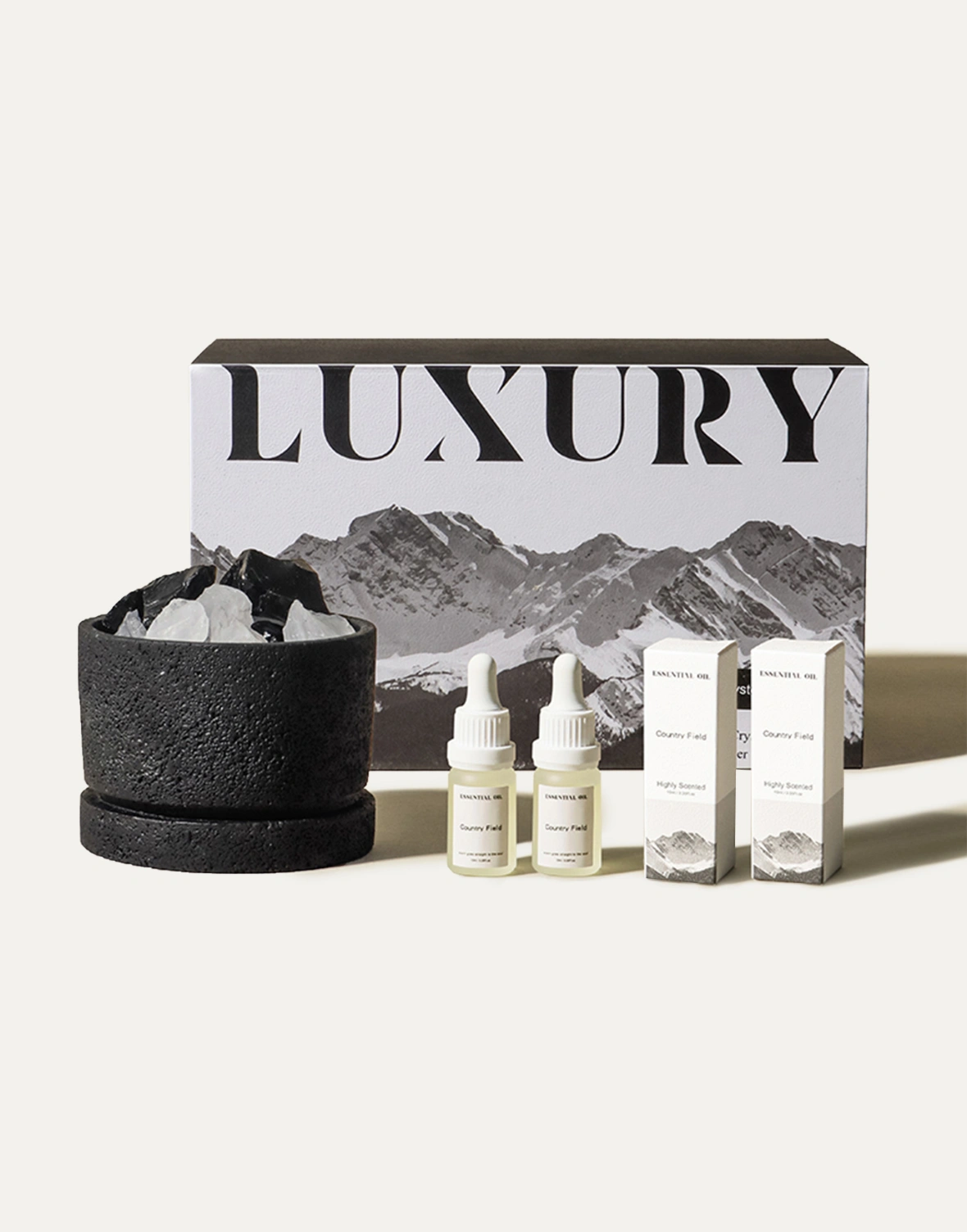
| Natural Crystal Raw Aromatherapy Stone Gift | 100ml×2 aroma oil, 400g stone | Wildness (Green), Isle Dawn (Yellow), The Uncharted (Black) | Chemical-free, heat-free diffusion, natural crystal absorption |
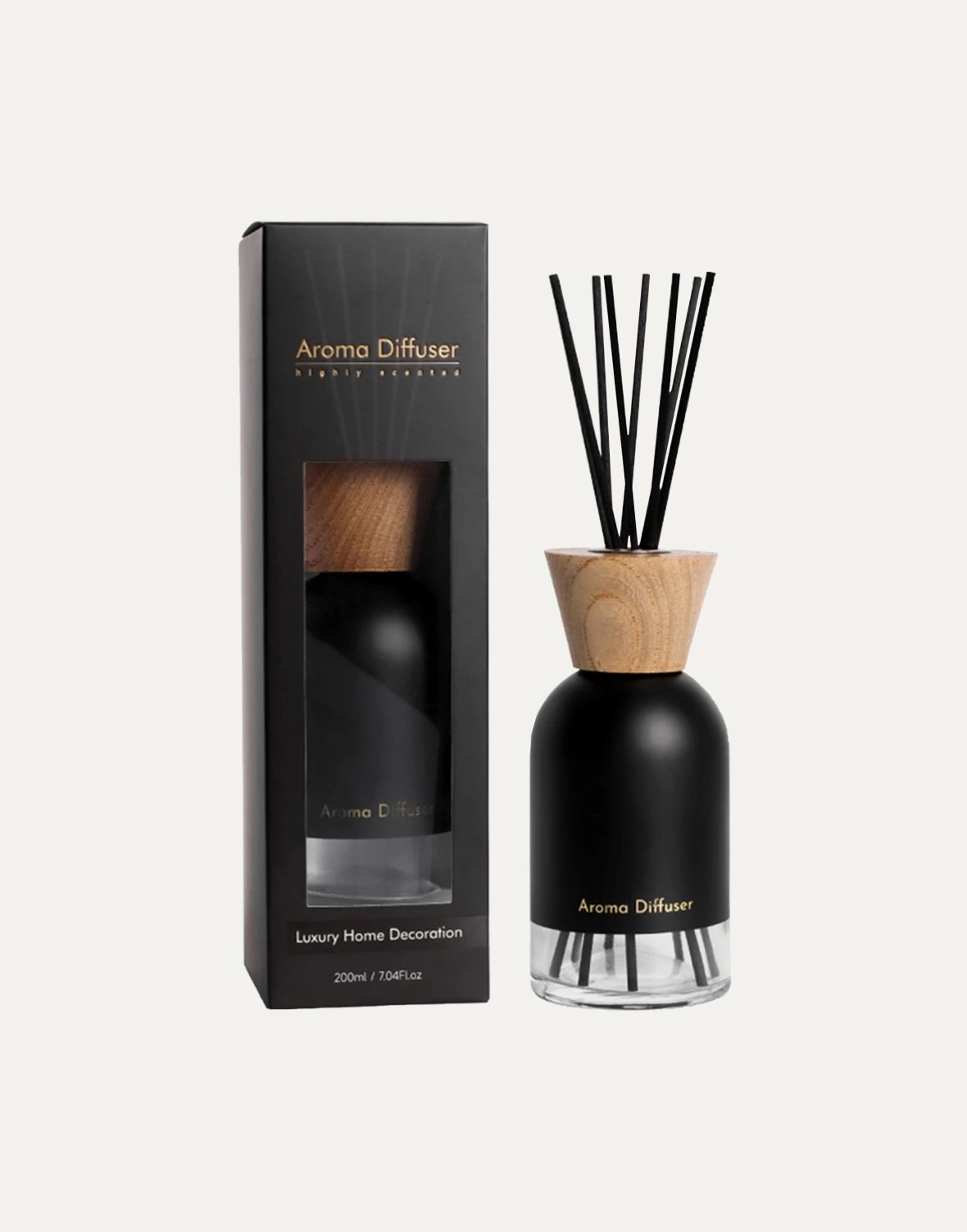
| Modern Minimalist Reed Oil Diffuser | 200ml glass bottle | Oud & Bergamot, Baccara, Libre | Natural wooden lid, clear glass bottle, natural rattan reeds |
| Modern Black Cup Scented Candle | 280g soy wax blend, black acrylic cup | Golden Bubbles, Ambre Fou, Rouge Santal, White Veil | Lead-free cotton wick, elegant black cup |
What Separates Reliable Suppliers From Risky Ones
Supplier selection determines whether a custom fragrance gift project succeeds or becomes a cautionary tale. The fragrance industry contains suppliers across a wide quality spectrum, and due diligence upfront prevents costly problems later.
Evaluation Criteria That Actually Matter
Track record matters more than promises. How long has the supplier operated? What brands have they served? Can they provide references from similar projects?
Production capabilities should match project requirements. A supplier excellent at small artisan batches may struggle with the consistency demands of bulk fragrance orders. Conversely, high-volume manufacturers may lack the flexibility for truly bespoke formulations.
Minimum Order Quantity (MOQ) requirements vary significantly across suppliers. Understanding these thresholds early prevents budget surprises and helps determine whether a supplier fits the project’s scale.
Scent-Share, with 10 years of global expertise, maintains over 300 fragrance types in their portfolio, providing substantial variety for corporate clients while managing MOQ requirements across different project sizes.
Regulatory Compliance Protects Both Brand and Recipients
Custom fragrance gifts must meet safety standards that vary by market. IFRA (International Fragrance Association) guidelines establish concentration limits for specific ingredients based on product type and skin contact level. REACH regulations govern chemical substances in products sold within the European Union.
Non-compliant products create liability exposure and can damage brand reputation if safety issues emerge. Reputable suppliers maintain documentation demonstrating adherence to relevant standards and can provide certificates of compliance for each formulation.
Ethical sourcing practices—fair trade ingredients, sustainable harvesting, transparent supply chains—increasingly influence procurement decisions as companies face scrutiny over their entire value chain.
The Sampling Process Reveals True Capabilities
Samples tell the truth that sales presentations cannot. The sampling phase allows evaluation of actual scent quality, consistency between batches, and the supplier’s responsiveness to feedback.
Effective sampling involves multiple iterations. Initial submissions rarely match the brief perfectly. The back-and-forth refinement process reveals how well the supplier listens, adapts, and communicates. Suppliers who resist changes or respond slowly during sampling will likely create similar friction during production.
Production should only begin after complete approval of final samples. Rushing this stage to meet deadlines almost always produces regret.
Managing Logistics Without Losing Quality
Even the most exquisite custom fragrance gift loses impact if it arrives late, damaged, or inconsistently presented. Operational execution requires the same attention as creative development.
Lead Time Realities
Fragrance products involve longer lead times than many corporate buyers expect. Raw material sourcing, production scheduling, quality testing, packaging assembly, and shipping all consume calendar time.
International shipping adds complexity. Customs clearance for fragrance products sometimes triggers additional inspections due to alcohol content or restricted ingredient concerns. Building buffer time into project schedules prevents delivery crises.
Global distribution demands logistics partners experienced with fragrance products. Temperature sensitivity, breakage risk, and regulatory documentation requirements differ from standard merchandise fulfillment.
Cost Management Without Compromising Quality
Budget constraints exist in every project. The key lies in identifying where to invest and where to economize without undermining the gift’s ability to represent the brand.
Packaging offers more flexibility than formulation. A slightly simpler box design rarely diminishes recipient experience as much as a cheaper fragrance composition. Volume commitments often unlock better pricing—consolidating multiple gifting occasions into a single production run can improve unit economics significantly.
Transparent pricing from suppliers helps identify true cost drivers. Some suppliers bundle services that others charge separately. Comparing total project costs rather than component prices reveals actual value.
Where Custom Fragrance Gifting Is Heading
The custom fragrance gift category continues evolving as technology and consumer expectations shift. Brands that monitor emerging trends position themselves to maintain differentiation.
Personalization technology now enables scent customization at scales previously impossible. Digital tools help recipients select or modify fragrances based on preference profiles, adding an interactive dimension to corporate gifting.
Sustainability concerns increasingly influence material choices. Refillable containers, recycled packaging, and responsibly sourced ingredients appeal to environmentally conscious recipients. These choices also align with corporate ESG commitments.
Experiential integration represents another frontier. Custom fragrance gifts that connect to broader brand experiences—events, spaces, digital content—create multi-touchpoint engagement rather than standalone moments.
Frequently Asked Questions About Custom Fragrance Gifting
How long does custom fragrance gift development typically require?
Timeline varies based on formulation complexity and packaging requirements. Straightforward projects using existing scent profiles with standard packaging often complete in 8-12 weeks. Highly bespoke programs involving original fragrance development, custom molds, and unique materials may require 4-6 months. The sampling and approval phase consumes the most variable time—projects with decisive stakeholders move faster than those requiring extensive internal consensus-building.
What drives cost variation in bespoke fragrance procurement?
Several factors influence pricing. Raw material quality creates the most significant cost differences—natural ingredients typically cost more than synthetic alternatives, and rare materials command premium pricing. Packaging customization adds expense, particularly for custom molds or specialty finishes. Order volume affects unit economics substantially; bulk fragrance orders benefit from production efficiencies that smaller quantities cannot access. Regulatory testing and compliance documentation also contribute to total project cost.
How do procurement teams verify brand alignment before committing to production?
The sampling process provides the primary verification mechanism. Multiple scent iterations allow stakeholders to evaluate whether the fragrance authentically represents brand values. Testing samples with target recipients—whether employees or clients—generates feedback that pure internal review cannot capture. Some organizations conduct blind comparisons against competitor gifts to assess differentiation. The creative brief serves as the reference document throughout, ensuring subjective reactions connect back to strategic objectives.
Create Unforgettable Brand Experiences with Scent-Share
Elevate your brand’s presence and create unforgettable emotional connections with custom fragrance gifts. Partner with Scent-Share Technology, your trusted one-stop solution provider with 10 years of global expertise in R&D, production, and seamless service. Contact us today for a bespoke consultation and transform your corporate gifting strategy.
(+86 185 6557 5758 / +86 134 2048 5758 | [email protected])
If you’re interested, check out these related articles: