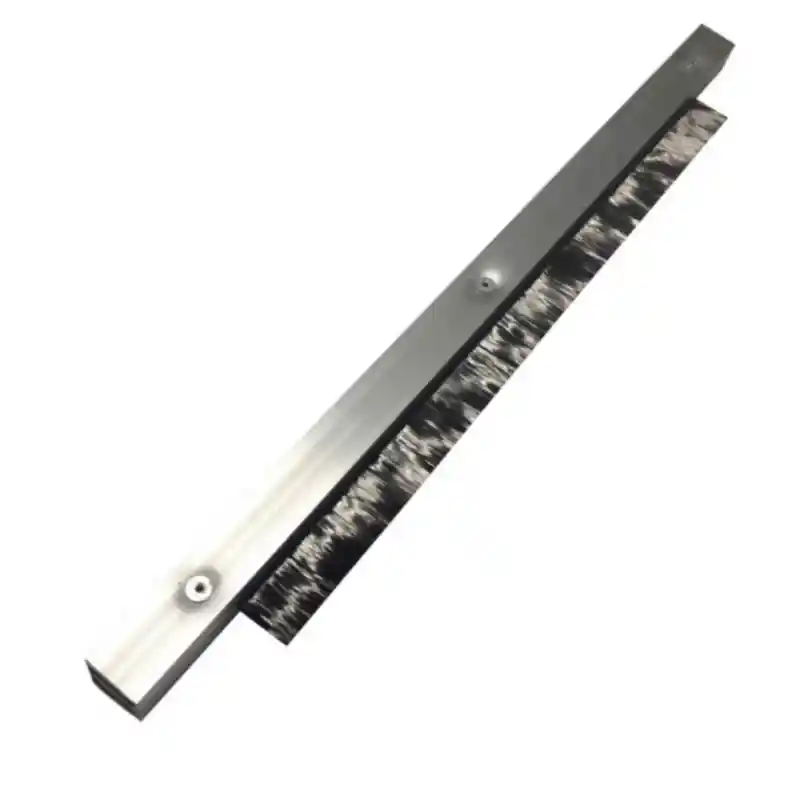

Punch Press Brush Table Systems: Protecting Sheet Metal Where It Matters Most
Anyone who has run a punch press long enough knows the frustration of pulling a finished part off the table only to find a scratch running across its surface. That single mark can mean rework, scrap, or an uncomfortable conversation with a customer expecting flawless components. The culprit is often the table itself—ball or roller supports that seemed adequate until they weren’t. A punch press brush table changes that equation entirely, replacing hard contact points with thousands of flexible filaments that cradle the material through every stroke of the ram.
Why Surface Damage Happens on Conventional Tables
Sheet metal doesn’t stay still during punching. It shifts, vibrates, and rebounds with each hit. On a ball table, those movements translate into metal dragging across fixed steel points. The result is predictable: fine scratches on aluminum, scuff marks on stainless, and coating damage on pre-finished panels. Roller tables reduce some friction but still concentrate pressure along narrow contact lines.
The economics add up quickly. A scratched part either gets scrapped or sent to secondary finishing—polishing, re-coating, or buffing that eats into margins. For shops running high-volume automotive or appliance work, even a 2% increase in scrap rate compounds into significant annual losses. Brush table systems address this at the source by eliminating the hard contact that causes damage in the first place.
How Brush Filaments Actually Protect the Workpiece
Strip brushes work through distributed load and controlled flexibility. Instead of a few hard points bearing the sheet’s weight, thousands of individual filaments share the burden. Each filament deflects slightly under pressure, conforming to the material rather than resisting it.
The friction reduction matters just as much as the support. Polymer filaments—typically nylon or polypropylene—have inherently low surface friction coefficients. When the sheet repositions between hits, it glides across the brush bed rather than grinding against it. This becomes especially important during automated operations where the material handler moves the sheet dozens of times per minute.
There’s also an impact absorption component that often gets overlooked. When the punch breaks through the material, the sheet rebounds slightly. Brush filaments absorb that energy rather than bouncing the workpiece against a rigid surface. For thin-gauge materials prone to denting, this cushioning effect makes a measurable difference in final part quality.
Filament Density and Its Effect on Support Quality
Not all brush configurations perform equally. Filament density—the number of bristles per square inch—determines how evenly the load distributes. Too sparse, and the sheet sags between filaments, creating localized stress points. Too dense, and the brush becomes stiff, losing its ability to conform and absorb impact.
The sweet spot depends on material weight and thickness. Heavier gauge steel needs stiffer, more densely packed filaments to prevent excessive deflection. Lightweight aluminum or thin stainless requires softer, more flexible configurations that won’t leave impressions on the surface. Getting this balance right is where generic off-the-shelf solutions often fall short.
Protecting More Than Just the Material
The benefits extend beyond the workpiece. Punch and die wear accelerates when debris and metal particles accumulate on the table surface. Brush filaments trap small particles between them rather than letting chips roll under the sheet where they can cause damage or interfere with positioning accuracy.
Tooling costs represent a substantial portion of punch press operating expenses. Extending die life by even 10-15% through better material handling translates directly to the bottom line. Shops that track their tooling expenses before and after implementing brush systems typically see measurable improvements in punch and die longevity.
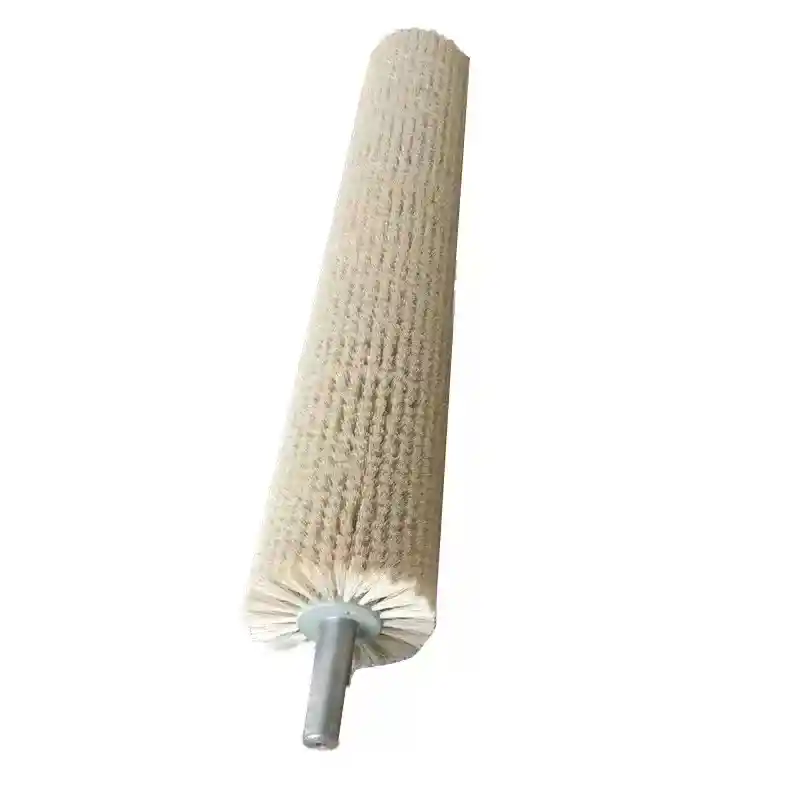
Selecting Brush Materials for Specific Applications
The filament material determines performance characteristics more than any other factor. Each polymer brings different properties to the table, and matching those properties to your specific sheet metal types prevents both damage and premature brush wear.
| Brush Material | Properties | Suitable Applications | Benefits |
|---|---|---|---|
| Nylon | Durable, flexible, abrasion-resistant | General purpose, stainless steel, aluminum | Excellent scratch prevention, long lifespan |
| Polypropylene | Chemical resistant, economical, good stiffness | Coated materials, less abrasive metals, wet environments | Cost-effective, good support, chemical inertness |
| Natural Fiber | Soft, non-marking | Highly polished surfaces, sensitive materials | Superior surface finish, minimal marking |
When Standard Options Don’t Fit
Aluminum presents a particular challenge. Its softness means even minor friction leaves visible marks, yet it still needs adequate support to prevent sagging during punching. The solution typically involves higher-density brush configurations with finer, softer filaments—often natural fibers or specialized polymer blends.
Pre-coated and painted materials demand similar care. The coating is often softer than the base metal, making it the first thing to show damage. Brush systems for these applications need to balance support with an almost polishing-level gentleness.
Stainless steel sits at the other end of the spectrum. It’s harder and more abrasion-resistant, but scratches on stainless are highly visible and difficult to remove without affecting the surface finish. Nylon filaments with moderate density typically provide the best combination of support and protection for stainless applications.
Custom Engineering for Non-Standard Requirements
Standard brush strips work well for conventional table layouts, but punch press configurations vary widely. Older machines, specialized tooling setups, and hybrid systems often require custom-engineered solutions.
Custom brush solutions address specific challenges: non-standard table dimensions, unusual punching patterns that require brush-free zones, or material handling sequences that demand particular filament orientations. The upfront engineering investment pays back through optimized performance and reduced waste. Huixi Brush provides industrial brushes designed to match exact machine specifications, drawing on 16 years of manufacturing experience to solve problems that generic products can’t address.
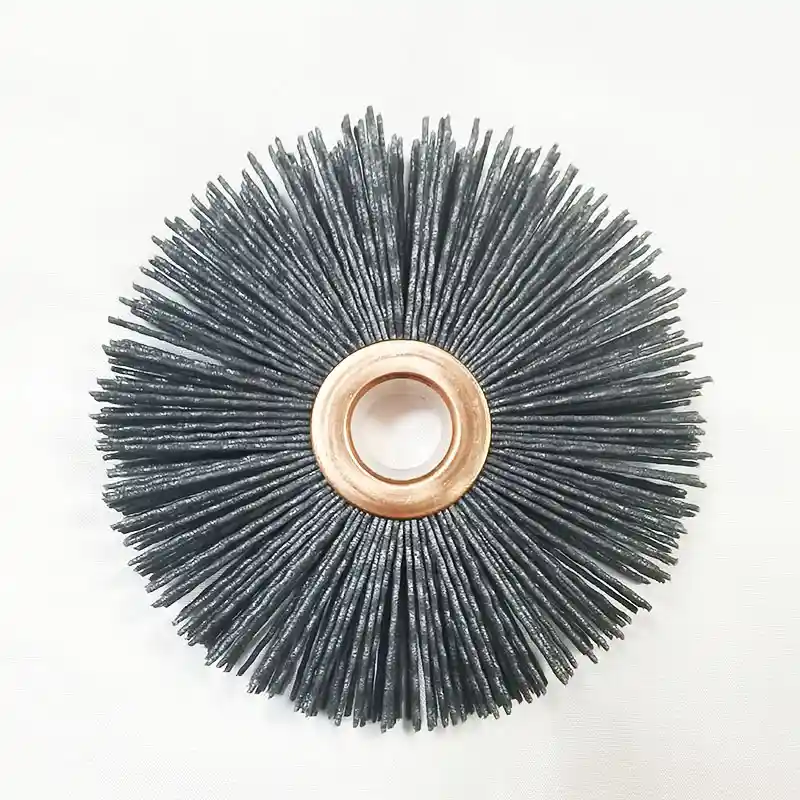
Installation and Maintenance Practices That Extend Brush Life
A brush table system only performs as well as its installation and upkeep allow. Level mounting is fundamental—any tilt or unevenness creates inconsistent support that can cause localized wear on both the brushes and the workpieces.
Inspection should happen on a regular schedule, not just when problems appear. Look for filament flattening, which indicates the brush is losing its ability to spring back and provide consistent support. Check for broken or missing filaments, especially in high-traffic areas of the table. Note any debris accumulation that might be affecting performance.
Replacement timing depends on usage intensity and material types. Abrasive materials wear filaments faster than smooth sheet stock. High-volume operations may need brush replacement every few months, while lower-volume shops might go a year or more between changes. The key is establishing a baseline for your specific operation and monitoring against it.
Frequently Asked Questions About Punch Press Brush Tables
What types of sheet metal benefit most from brush table protection?
Soft metals like aluminum and copper show the most dramatic improvement because they scratch easily on conventional tables. Pre-coated and painted materials also benefit significantly since the coating is typically more vulnerable than the base metal. Polished stainless steel, while harder, still shows scratches prominently, making brush protection valuable for aesthetic applications. Even standard carbon steel benefits when surface finish matters for the final product.
How do you know when strip brushes need replacement?
The clearest indicator is filament flattening—when bristles no longer spring back to their original position after compression. Visible gaps from broken or missing filaments also signal replacement time. Some shops track brush performance by monitoring scrap rates; an uptick in surface-related defects often points to worn brushes before visual inspection would catch the problem. Strip brushes typically last between 6-18 months depending on usage intensity and material types processed.
Can brush systems be added to existing punch press equipment?
Most punch press tables can accommodate retrofit brush systems. The process involves measuring the existing table configuration, designing brush strips to fit the available space, and mounting them securely at the correct height. Custom solutions handle non-standard dimensions or unusual table layouts. Retrofitting typically costs far less than replacing the entire machine while delivering comparable surface protection improvements.
Partner with Huixi Brush for Precision Solutions
Shanghai Huixi Trading Co., Ltd. brings 16 years of brush manufacturing expertise to punch press applications worldwide. Our engineering team designs custom industrial brushes matched to your specific equipment and materials, backed by competitive pricing and responsive technical support. We offer ODM/OEM service, low MOQ, free samples, and fast delivery. Contact us at +86 1580 0932 713 or [email protected] to discuss your requirements or request a sample.
If you’re interested, check out these related articles:
what you know about brass wire brush strip
the differences between inward and outward spiral brush