The counterfeit fragrance market has grown more sophisticated than most brand owners realize. What used to be obvious knockoffs sold from street corners has evolved into a distributed network of convincing replicas moving through legitimate-seeming channels. For OEM fragrance manufacturers, this shift demands a different kind of vigilance. Legal protections still matter, but they work best when paired with technologies that make replication genuinely difficult and supply chain practices that leave no gaps for diversion. The brands that maintain consumer trust over time tend to be the ones that treat authentication as an ongoing operational discipline rather than a one-time setup.
Why Counterfeiting Hits OEM Fragrance Brands Harder Than Most
The global counterfeit trade inflicts particular damage on fragrance manufacturers. Unlike electronics or apparel, where fakes often reveal themselves through obvious quality gaps, counterfeit fragrances can pass initial inspection. The real problems emerge later: skin reactions from untested ingredients, scent profiles that degrade unpredictably, and the slow erosion of brand reputation when consumers cannot tell whether their disappointing experience came from a genuine product or a fake.
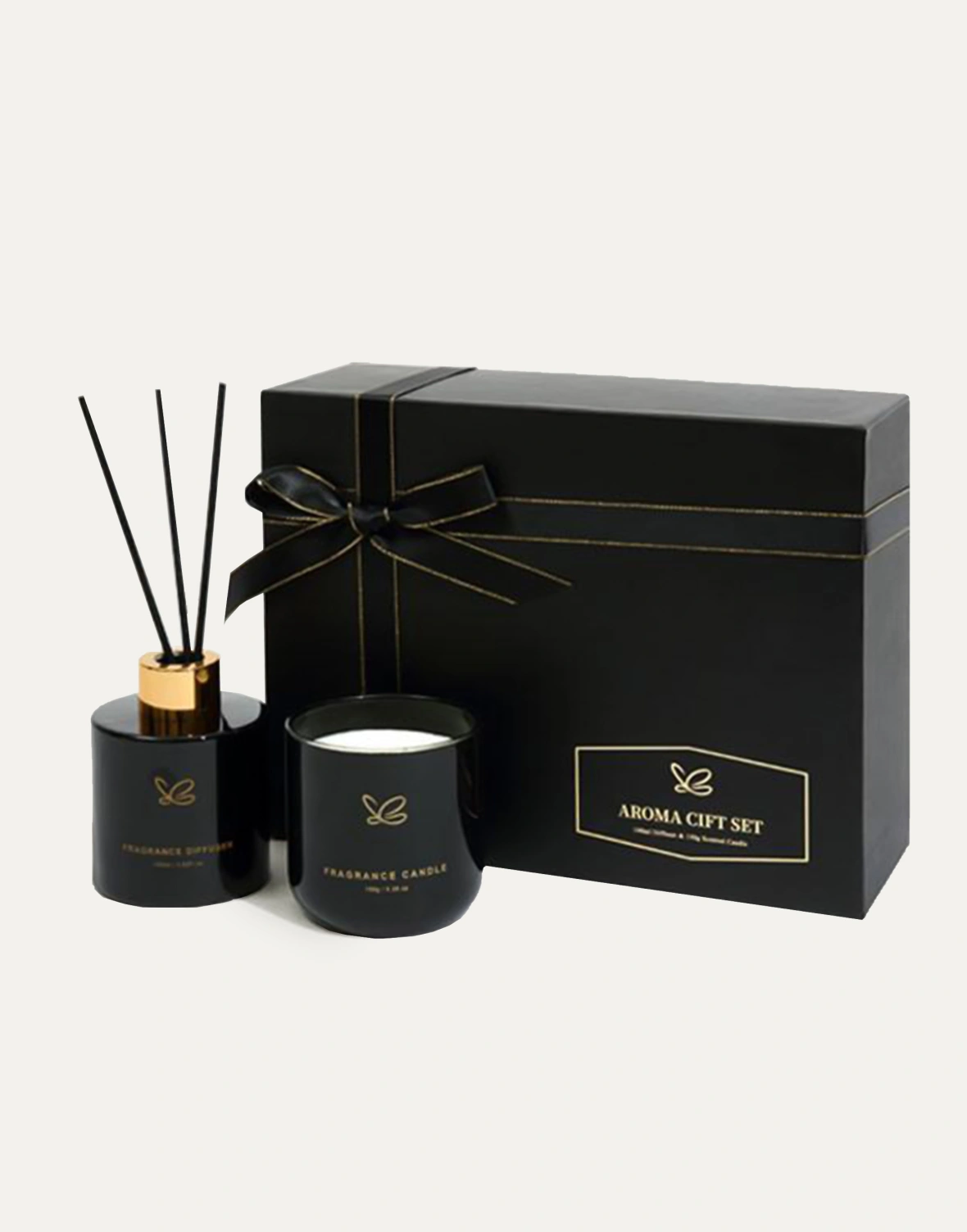
OEM fragrance brands face compounded risk because they often manufacture for multiple labels. A single vulnerability in the production or distribution chain can compromise several brands simultaneously. Gray market prevention becomes essential when products intended for one region surface in another at prices that undercut authorized distributors. The economic losses extend beyond direct sales. Retailers lose confidence, marketing investments fail to convert, and the brand’s positioning as a premium offering weakens with each counterfeit encounter.
Building Legal Foundations That Actually Hold Up
Intellectual property protection for OEM fragrance brands requires more than filing paperwork. The legal framework needs to anticipate how counterfeiters operate and where enforcement will actually be possible.
Trademark registration covers the obvious elements: brand names, logos, bottle shapes, and packaging designs. The strategic question is which jurisdictions to prioritize. Filing in markets where counterfeits are manufactured often matters more than filing only where products are sold. A trademark registered in the country of origin for most fakes creates enforcement options that would otherwise not exist.
Patent protection for fragrance formulations presents genuine challenges. Most scents rely on combinations of known aromatic compounds, making novelty claims difficult to sustain. Where patents do apply, they typically cover delivery mechanisms, encapsulation technologies, or novel synthetic molecules rather than the fragrance composition itself.
Trade secret protection fills the gap that patents cannot cover. Proprietary blends, supplier relationships, and manufacturing parameters can remain protected indefinitely as long as confidentiality measures hold. This means non-disclosure agreements with teeth, access controls that limit who sees complete formulations, and documentation practices that can demonstrate reasonable precautions if disputes arise.
Licensing agreements deserve more attention than they typically receive. Clear terms about authorized distribution channels, territory restrictions, and quality standards create contractual remedies when products appear where they should not. These agreements also establish the paper trail needed to distinguish legitimate parallel imports from actual counterfeits.
What Legal Steps Are Essential for an OEM Fragrance Manufacturer to Protect Its Intellectual Property?
OEM fragrance manufacturers need trademark registrations that cover brand names, logos, and distinctive packaging across every jurisdiction where products will be sold or where counterfeits are likely to originate. Patent applications should target novel delivery systems or unique synthetic ingredients when applicable. Trade secret protocols must include documented confidentiality measures, restricted access to complete formulations, and regular audits of information security. Copyright protection applies to marketing materials, packaging artwork, and product photography. Licensing agreements should specify authorized channels, territory restrictions, and quality requirements with clear remedies for violations.
Authentication Technologies That Create Real Barriers
Legal protections establish rights. Technologies make those rights enforceable by creating physical evidence of authenticity that counterfeiters struggle to replicate.
NFC and RFID tags embedded in packaging or labels allow verification through smartphone apps. When a consumer taps their phone against the product, the tag communicates with a secure database that confirms whether that specific unit is genuine and whether it has been verified before. Repeated verification attempts from different locations can flag potential counterfeits or diverted products.
Holographic seals provide immediate visual authentication without requiring any device. The complexity of producing convincing holograms creates a meaningful barrier for counterfeiters, though not an insurmountable one. Holograms work best as one layer in a multi-technology approach rather than as a standalone solution.
Covert markers, including invisible inks and chemical taggants, enable forensic verification when disputes arise. These features remain invisible under normal conditions but reveal themselves under specific wavelengths of light or through chemical testing. Their value lies in providing definitive proof during legal proceedings or customs inspections.
Blockchain-based traceability systems create an immutable record of each product’s journey from manufacturing through distribution. Every transfer of custody gets recorded in a way that cannot be altered retroactively. When a product’s blockchain record shows gaps or inconsistencies, that product becomes suspect regardless of how convincing its physical appearance might be.
| Technology | Authentication Method | Counterfeiter Difficulty | Cost-Effectiveness |
|---|---|---|---|
| NFC/RFID Tags | Digital scan | High | Medium |
| Holographic Seals | Visual inspection | Medium-High | Low-Medium |
| Invisible Inks | Covert detection | High | Medium |
| Blockchain Traceability | Digital ledger verification | Very High | High |
What Advanced Technologies Offer the Most Robust Protection Against Fragrance Counterfeiting?
The most robust protection combines multiple technologies rather than relying on any single solution. NFC tags embedded in packaging allow consumer verification while generating data about where and when products are being scanned. Holographic security features deter casual counterfeiters and provide immediate visual confirmation for retailers. Covert chemical markers enable forensic verification during legal proceedings. Blockchain traceability creates an unalterable record of product movement that exposes gaps in the chain of custody. Brands achieving the strongest protection typically layer at least three of these technologies.
Closing Gaps in the Supply Chain
Authentication technologies lose their value if counterfeit products enter the supply chain before those technologies are applied. Securing the OEM fragrance supply chain requires attention at every stage from raw material sourcing through final delivery.
Supplier vetting goes beyond checking certifications. It means visiting facilities, understanding their security practices, and establishing relationships where problems get reported rather than hidden. Quality control for OEM production should include random testing of incoming materials against reference standards, not just acceptance of supplier documentation.

Manufacturing facilities need access controls that prevent unauthorized personnel from reaching finished products or packaging materials. Tamper-evident containers for work-in-progress inventory create accountability between shifts. Batch tracking systems should make it possible to identify exactly which materials went into which finished products.
Logistics security includes tamper-evident seals on shipping containers, GPS tracking of high-value shipments, and verification protocols at each transfer point. The goal is eliminating opportunities for product substitution or diversion during transit. Warehouse management systems should flag unusual patterns: unexpected inventory adjustments, shipments to unfamiliar destinations, or orders that do not match established customer profiles.
Risk assessment in manufacturing identifies vulnerabilities before counterfeiters exploit them. This means thinking like an adversary: where could someone introduce fake products into the stream? Where could genuine products be diverted? What documentation gaps would make detection difficult? Regular audits against these scenarios keep security measures current as operations evolve.
Monitoring Digital Channels Where Counterfeits Flourish
Online marketplaces have become the primary distribution channel for counterfeit fragrances. The same platforms that enable legitimate brands to reach global audiences also provide cover for illicit sellers. Effective e-commerce monitoring requires systematic surveillance across multiple channels.
Major marketplaces like Amazon, eBay, and regional equivalents need regular scanning for unauthorized listings. Search terms should include brand names, product names, and common misspellings that counterfeiters use to evade automated detection. Image recognition tools can identify products using stolen photography even when text descriptions avoid trademarked terms.
Social media platforms host both direct sales and advertising for counterfeit products. Monitoring should cover obvious sales posts as well as accounts that drive traffic to external sites. The same applies to messaging apps where counterfeit networks coordinate distribution.
Brand protection software automates much of this surveillance, flagging potential infringements for human review. The volume of online commerce makes manual monitoring impractical, but automated systems generate false positives that require judgment to resolve.
Once infringing listings are identified, removal procedures vary by platform. Most major marketplaces have brand protection programs with expedited takedown processes for registered rights holders. Documentation requirements differ, so maintaining organized records of trademark registrations, product images, and authorized seller lists speeds response times.
Persistent infringers or large-scale operations may require legal action beyond platform takedowns. Cease and desist letters establish a record of notice that strengthens subsequent claims. Civil litigation becomes appropriate when the scale of infringement justifies the cost, or when the infringer’s identity and assets make recovery realistic.
For more insights on how smart technology can enhance your brand’s presence and security, consider reading our article on 《Custom Smart Aroma Diffusers: Tailored Scenting Solutions》.
How Can OEM Fragrance Brands Effectively Monitor and Remove Counterfeit Products Online?
Effective online monitoring starts with deploying brand protection tools that scan e-commerce platforms, social media, and forums continuously. These tools should flag unauthorized listings using text matching, image recognition, and seller behavior analysis. When potential counterfeits are identified, document the evidence thoroughly: screenshots, URLs, seller information, and any communications. Use platform-specific reporting mechanisms to initiate takedowns, following each platform’s procedures precisely to avoid delays. For persistent infringers or operations large enough to justify the cost, engage legal counsel to pursue formal remedies including civil litigation and coordination with law enforcement.
Turning Authentication Into a Trust Signal
Brand protection measures work best when consumers know about them and can participate in verification. Transparency about authenticity measures transforms security features from hidden safeguards into visible trust signals.
Clear communication about how to verify products empowers consumers to confirm their purchases. This might mean prominent instructions on packaging, QR codes linking to verification apps, or educational content explaining what security features to look for. When consumers understand that verification options exist, they become more likely to question products that lack them.
Authentication features like unique serial codes or NFC tags give consumers agency. The act of verification creates a moment of engagement with the brand while simultaneously generating data about where products are being purchased and used. This data feeds back into monitoring efforts, helping identify geographic areas or retail channels where counterfeits concentrate.
Consistent quality assurance throughout OEM fragrance manufacturing reinforces the authenticity message. When every genuine product delivers the expected experience, consumers develop confidence that deviations indicate counterfeits rather than quality control problems. This consistency requires investment in production standards, testing protocols, and supplier management that extends beyond what anti-counterfeiting alone would demand.
The brands that build lasting loyalty treat authenticity as a relationship rather than a transaction. They communicate openly about the threats their customers face, provide tools for self-protection, and respond visibly when counterfeits are discovered. This approach transforms brand protection from a defensive necessity into a competitive advantage.
Frequently Asked Questions About OEM Fragrance Brand Protection
Why Is Brand Protection Particularly Challenging for OEM Fragrance Manufacturers?
OEM fragrance manufacturers face compounded challenges because their supply chains involve multiple parties, each representing a potential vulnerability. The chemical nature of fragrances makes patent protection difficult since most scents combine known aromatic compounds in ways that do not meet novelty requirements. Global distribution networks create enforcement complexity across jurisdictions with varying legal frameworks and enforcement capacity. Additionally, the ease of replicating scent profiles means counterfeiters can produce convincing fakes without access to proprietary formulations, shifting the protection burden toward packaging, tracemarks, and supply chain security rather than the product itself.
How Can Scent-Share’s R&D Capabilities Contribute to OEM Fragrance Brand Protection?
Scent-Share’s R&D capabilities support brand protection by developing formulations and delivery systems that are genuinely difficult to replicate. Proprietary scent signatures, unique ingredient combinations, and novel encapsulation technologies create products that counterfeiters cannot easily match. Beyond formulation, R&D can integrate authentication markers directly into products, whether through chemical taggants, distinctive performance characteristics, or packaging innovations that resist duplication. This approach builds protection into the product from inception rather than adding it as an afterthought.
What Are the Long-Term Benefits of Investing in Robust Brand Protection Strategies for OEM Fragrances?
Sustained investment in brand protection yields compounding returns over time. Consumer trust deepens as buyers learn they can rely on product authenticity. Retail partners gain confidence in the brand’s commitment to channel integrity. Revenue stabilizes as counterfeit diversion decreases. Legal positions strengthen through documented enforcement history. Perhaps most importantly, the brand’s premium positioning remains defensible because consumers associate it with genuine quality rather than lottery-like uncertainty about what they might receive. These benefits accumulate gradually but create durable competitive advantages that counterfeit-vulnerable competitors cannot match.
Partner with Scent-Share for Comprehensive Brand Security
Protecting your OEM fragrance brand requires expertise across formulation, manufacturing, and market surveillance. Scent-Share Technology brings a decade of global experience to brand protection challenges, combining advanced R&D capabilities with practical supply chain security measures. Our approach integrates authentication technologies from the product development stage, creating protection that counterfeiters cannot easily circumvent. Contact us at [email protected] or call +86 185 6557 5758 / +86 134 2048 5758 to discuss how we can help safeguard your intellectual property and strengthen consumer trust in your brand.